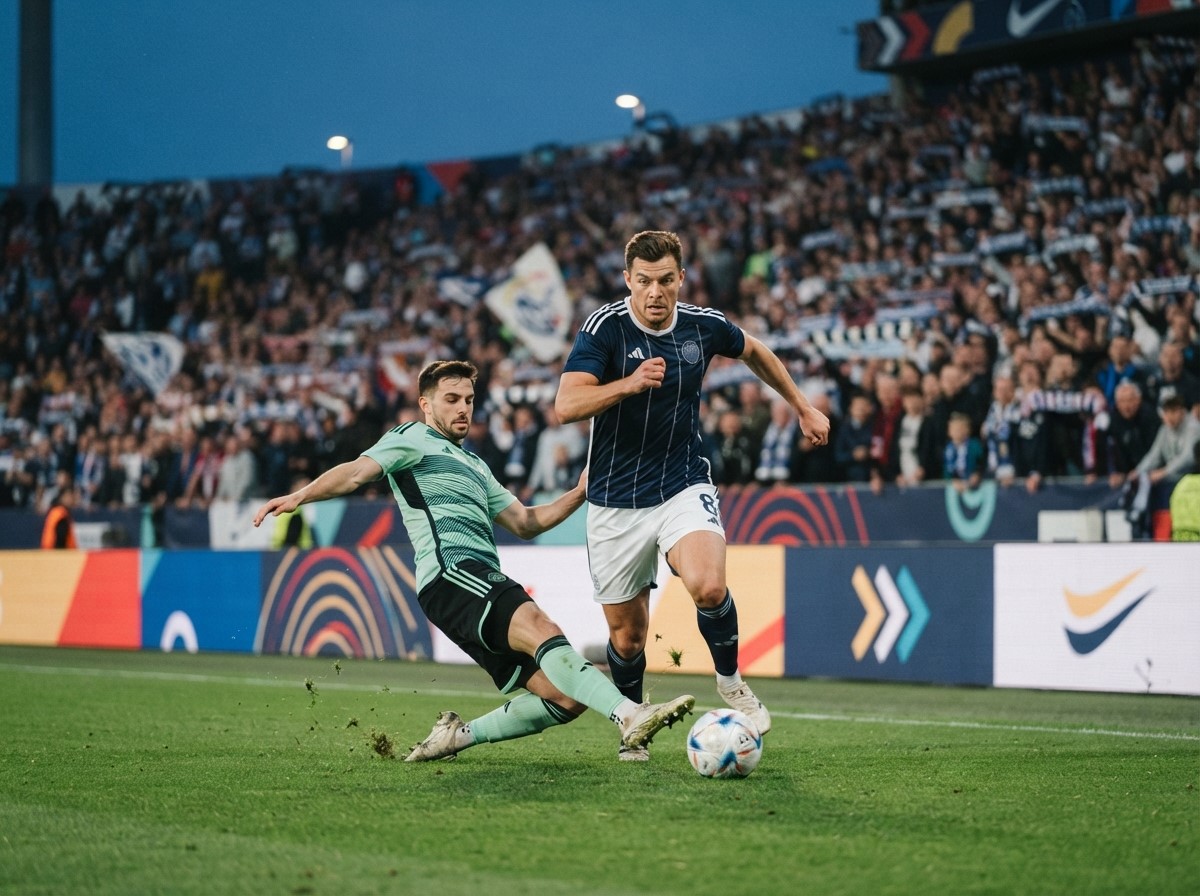
Modern customers expect brands to create meaningful experiences rather than relying only on traditional advertisements. Businesses are increasingly looking for ways to connect with audiences through shared interests, memorable experiences, and community activities. Sports Sponsorship provides an opportunity for brands to become part of events and experiences that already attract passionate and highly engaged audiences.
Sports can bring together people around shared interests, teams, athletes, competitions, and communities. When businesses become involved with these experiences, they can create opportunities for customers to interact with the brand in a more natural environment.
What Is Sports Sponsorship?
Sports sponsorship is a marketing arrangement where a business provides financial support, products, services, or other resources to a sports team, athlete, league, tournament, organization, or event in exchange for agreed promotional and marketing opportunities.
These opportunities may include brand visibility, digital promotion, event presence, hospitality experiences, content collaborations, product demonstrations, or customer activities.
How Sports Sponsorship Works
A sponsorship agreement typically establishes what the sponsor provides and what the sports property delivers in return. The arrangement can range from simple logo placement to broader campaigns involving digital content, social media, fan experiences, and community initiatives.
The effectiveness of a sponsorship depends on how well the partnership connects the brand with the audience and the overall experience.
Why Sports Sponsorship Supports Customer Engagement
 Sports audiences are often emotionally connected to their favorite teams, athletes, and competitions. This emotional environment can provide brands with opportunities to participate in conversations and experiences that customers already care about.
Instead of interrupting an audience with a conventional advertisement, sponsorship can place a brand within an existing experience. This can create opportunities for interaction, recognition, and memorable brand associations.
Connecting With Passionate Audiences
Sports fans often follow competitions regularly, discuss performances, attend events, and engage with sports-related content online. Sponsorship can help brands reach these audiences through multiple touchpoints.
When the sponsored property aligns with the brand’s target audience, businesses can create relevant experiences that encourage people to notice and interact with the brand.
Creating Memorable Brand Experiences
Customer engagement can become stronger when people actively experience a brand rather than simply seeing an advertisement. Sponsorship can support activities such as contests, fan zones, product experiences, interactive booths, and exclusive events.
These experiences can make the brand more memorable while giving customers a reason to interact directly with the business.
The Role of Event Sponsorship in Customer Engagement
Event Sponsorship can provide brands with direct access to audiences during sporting competitions, tournaments, races, community events, and other live experiences.
Physical events create opportunities for face-to-face interactions that may not be possible through digital advertising alone. Businesses can use these opportunities to demonstrate products, provide experiences, and engage directly with attendees.
Interactive Sponsorship Activations
Interactive activities can make sponsorship more engaging. Businesses may organize competitions, games, photo experiences, demonstrations, giveaways, or digital challenges connected to the sporting event.
The activation should provide value to attendees rather than simply displaying promotional materials. When customers enjoy the experience, they may be more willing to remember and discuss the brand.
Creating Exclusive Experiences
Brands can use sponsorships to provide customers with experiences that are difficult to access through ordinary marketing campaigns. VIP areas, behind-the-scenes opportunities, athlete interactions, exclusive content, or special event access can create additional value.
These experiences can strengthen relationships with existing customers while attracting attention from potential customers.
Building Brand Recognition Through Sports Sponsorship
 Brand Sponsorship can increase visibility by associating a company with sports properties that have established audiences. Repeated exposure across competitions, digital content, broadcasts, and social media can improve brand recognition.
However, visibility alone does not guarantee engagement. Businesses should connect exposure with meaningful activities that encourage customers to interact with the brand.
Consistent Brand Visibility
A sponsorship can provide multiple opportunities for consistent brand exposure. Logos, signage, digital content, team communications, and social media posts can reinforce brand identity throughout a campaign.
Consistency can help customers recognize the brand more easily, particularly when the sponsorship continues over an extended period.
Connecting Brand Values With Sports
Brands should consider how their values relate to the sports property they support. A partnership may focus on themes such as teamwork, performance, community, perseverance, or healthy lifestyles.
A relevant connection can make the sponsorship feel more natural and meaningful rather than appearing to be purely transactional.
Developing an Effective Sponsorship Strategy
A successful Sponsorship Strategy begins with clear goals. Businesses should determine what they want to achieve before selecting a team, athlete, event, or sports organization.
Objectives may include increasing awareness, engaging existing customers, reaching a new audience, supporting product launches, generating leads, or strengthening community relationships.
Defining the Target Audience
Understanding the target audience is essential when selecting a sponsorship opportunity. Businesses should consider demographics, interests, geographic location, purchasing behavior, and existing brand relationships.
A sponsorship can be more relevant when the audience of the sports property overlaps with the customers a business wants to reach.
Setting Clear Sponsorship Objectives
Businesses should define measurable goals before launching a sponsorship campaign. For example, a company may focus on website traffic, event interactions, social engagement, lead generation, content views, or brand awareness. Clear objectives make it easier to evaluate whether the sponsorship is achieving its intended purpose.
Using Digital Marketing to Extend Sports Sponsorship
Sports sponsorship no longer depends entirely on physical event exposure. Digital platforms allow brands to extend sponsorship campaigns before, during, and after sporting events.
Social media, websites, email campaigns, video content, mobile experiences, and digital competitions can help businesses engage audiences beyond the event itself.
Social Media Sponsorship Campaigns
Social media can transform sponsorship activities into ongoing conversations. Brands can publish behind-the-scenes content, athlete interviews, event updates, competitions, polls, and fan-focused posts.
Interactive social content can encourage audiences to comment, share, vote, and participate, creating additional engagement opportunities.
Creating Sports-Related Content
Brands can develop content around the sponsored sport or event while maintaining relevance to their audience. Videos, interviews, articles, stories, statistics, and fan content can extend the life of a sponsorship campaign. Content should provide value rather than simply repeating promotional messages.
Customer Engagement Through Fan Experiences
Fan experiences are an important part of modern sports marketing. Customers can become more engaged when they are given opportunities to participate rather than simply observe.
Contests and Interactive Campaigns
Contests can encourage customers to interact with a brand while connecting participation to the sporting event. Businesses might organize prediction challenges, trivia competitions, photo contests, or social media activities.
Clear rules and meaningful rewards can make these campaigns more appealing while helping businesses generate additional engagement.
Personalized Fan Experiences
Personalization can make sponsorship experiences more relevant. Businesses can use available customer information responsibly to create targeted offers, content, or experiences.
For example, loyal customers may receive early access to event-related promotions or exclusive experiences. Personalization should always respect applicable privacy requirements and customer expectations.
Using Sports Sponsorship to Build Customer Loyalty
Sponsorship can support customer loyalty when brands consistently create valuable experiences around the partnership. Customers who already have positive relationships with a brand may appreciate exclusive benefits connected to a sport or event they enjoy.
Rewarding Existing Customers
Businesses can provide existing customers with special opportunities related to sponsorships. These might include tickets, exclusive content, merchandise, event access, or invitations to customer events.
Such initiatives can strengthen the relationship between the brand and its existing customer base.
Creating Community Connections
Sports often bring communities together. Businesses can use sponsorships to support local sports programs, youth activities, charitable initiatives, or community events.
Community-focused sponsorship can create opportunities for customers to engage with the brand through activities that have broader social value.
Measuring Customer Engagement From Sponsorship
 Measuring sponsorship performance requires more than counting how many people saw a logo. Businesses should examine how audiences interacted with the sponsorship and whether those interactions contributed to broader marketing objectives.
Tracking Digital Engagement
Businesses can monitor social media interactions, website visits, video views, content shares, campaign participation, and online mentions.
These metrics can help identify which sponsorship activities generate the strongest digital response.
Measuring Event Engagement
At physical events, businesses can track booth visits, product demonstrations, contest participation, registrations, samples distributed, and customer interactions.
Combining these measurements with digital data can provide a broader understanding of customer response.
Common Sports Sponsorship Mistakes
One common mistake is selecting a sponsorship based only on popularity. A highly visible sports property may not necessarily reach the audience a business wants to engage.
Another mistake is treating sponsorship as simple logo placement. Without activation, content, or customer experiences, the sponsorship may provide visibility without generating meaningful interaction.
Businesses may also fail to measure results properly. Without clear objectives and performance indicators, it becomes difficult to understand the value of the investment.
How to Maximize Sports Sponsorship Results
Businesses can improve sponsorship outcomes by integrating the partnership into a broader marketing campaign. Sponsorship should work alongside content marketing, social media, public relations, email campaigns, customer loyalty initiatives, and other relevant channels.
Activate Before the Event
Customer engagement can begin before the sporting event takes place. Brands can publish announcements, introduce competitions, share behind-the-scenes content, and encourage audiences to participate.
Pre-event activities can build anticipation and give customers a reason to follow the campaign.
Continue Engagement After the Event
The relationship should not end when the event finishes. Businesses can publish highlights, customer stories, event photographs, interviews, and follow-up content.
Post-event communication can extend the campaign and help turn a temporary sponsorship into a longer-term customer relationship.
The Future of Sports Sponsorship
Technology is changing how brands connect with sports audiences. Digital experiences, social platforms, data analytics, interactive content, and personalized campaigns are creating new opportunities for sponsorship activation.
Future sponsorship campaigns may increasingly combine physical experiences with digital engagement, allowing customers to participate regardless of whether they attend an event in person.
Creating Connected Customer Experiences
Successful sponsorship campaigns can connect event experiences with websites, social media, mobile platforms, and customer programs. A customer might discover a campaign online, participate during an event, and continue interacting with the brand afterward. This connected approach can make sponsorship part of a broader customer journey rather than an isolated marketing activity.
Conclusion
Sports Sponsorship can support customer engagement by connecting brands with audiences through shared interests, memorable experiences, interactive campaigns, and community activities. When businesses select relevant sports properties and develop meaningful activations, sponsorship can create opportunities for customers to interact with brands in more natural ways.
Effective Event Sponsorship and Brand Sponsorship require more than visibility. Businesses need a clear Sponsorship Strategy, defined objectives, relevant audiences, creative activations, digital support, and measurable performance indicators.
Frequently Asked Questions
1. What is Sports Sponsorship?
Sports Sponsorship is a marketing partnership where a business provides financial, product, service, or other support to a sports team, athlete, event, league, or organization in exchange for promotional and engagement opportunities.
2. How does Sports Sponsorship support customer engagement?
Sports Sponsorship can create opportunities for customers to interact with brands through events, competitions, exclusive experiences, digital campaigns, content, and community activities.
3. What is Event Sponsorship?
Event Sponsorship is a partnership where a business supports an event in exchange for agreed marketing benefits. Sporting events are a common example and may provide opportunities for branding, customer interaction, and digital promotion.
4. What is Brand Sponsorship?
Brand Sponsorship involves a company supporting a sports property or other organization to increase visibility, create associations, and engage relevant audiences through promotional and experiential activities.
5. What makes a good Sponsorship Strategy?
A good Sponsorship Strategy should include clear objectives, audience research, appropriate sponsorship selection, activation ideas, digital marketing support, and measurable performance indicators.
6. Can small businesses benefit from Sports Sponsorship?
Yes. Small businesses can consider local teams, community sports programs, amateur competitions, and regional events. These opportunities may provide access to relevant local audiences without requiring large-scale sponsorship arrangements.
7. How can businesses measure sponsorship success?
Businesses can measure sponsorship performance through metrics such as event interactions, website traffic, social media engagement, leads, registrations, content views, customer participation, and other campaign-specific indicators.
8. How can social media improve Sports Sponsorship?
Social media can extend sponsorship campaigns through event updates, competitions, interviews, behind-the-scenes content, polls, fan content, and interactive campaigns. It can help maintain audience engagement beyond the physical event.
9. Why are fan experiences important in sponsorship?
Fan experiences give customers opportunities to actively interact with a brand. Games, contests, exclusive access, demonstrations, and other activities can make sponsorships more memorable than passive brand exposure.
10. How can brands maximize Sports Sponsorship results?
Brands can maximize results by selecting a relevant audience, setting clear goals, creating engaging activations, supporting the sponsorship with digital marketing, measuring performance, and continuing engagement before and after the event.