A strong sponsorship strategy can help businesses increase visibility, connect with relevant audiences, and build long-term brand value. Sponsorship is no longer limited to placing a logo on an event banner or supporting a sports team. Modern sponsorship marketing focuses on creating meaningful experiences, improving audience engagement, and developing valuable relationships between brands and consumers.
Businesses of all sizes can use sponsorship opportunities to promote products, support events, build trust, and reach new customer groups. However, successful sponsorship requires more than simply investing money. Companies need clear objectives, suitable partners, creative campaigns, and measurable results.
A well-planned sponsorship strategy helps brands choose the right opportunities and use available resources effectively. It also allows businesses to understand whether their sponsorship activities are increasing awareness, improving reputation, generating leads, or supporting sales growth.
What Is a Sponsorship Strategy?
A sponsorship strategy is a structured plan that explains how a business will use sponsorship activities to achieve specific marketing and business goals. It includes choosing sponsorship opportunities, identifying suitable partners, setting a budget, creating promotional activities, and measuring performance.
Sponsorship can involve supporting sports teams, conferences, festivals, educational programs, charities, online communities, influencers, and industry events. The best strategy connects the brand with an audience that is relevant to its products or services.
For example, a fitness brand may sponsor a marathon because the event attracts health-conscious people and active customers. Similarly, a technology company may sponsor a business conference to reach entrepreneurs, professionals, and decision-makers.
The main purpose is to create a mutually beneficial relationship. The sponsor receives visibility and audience access, while the sponsored organization receives financial support, products, services, or promotional assistance.
Why Sponsorship Strategy Matters
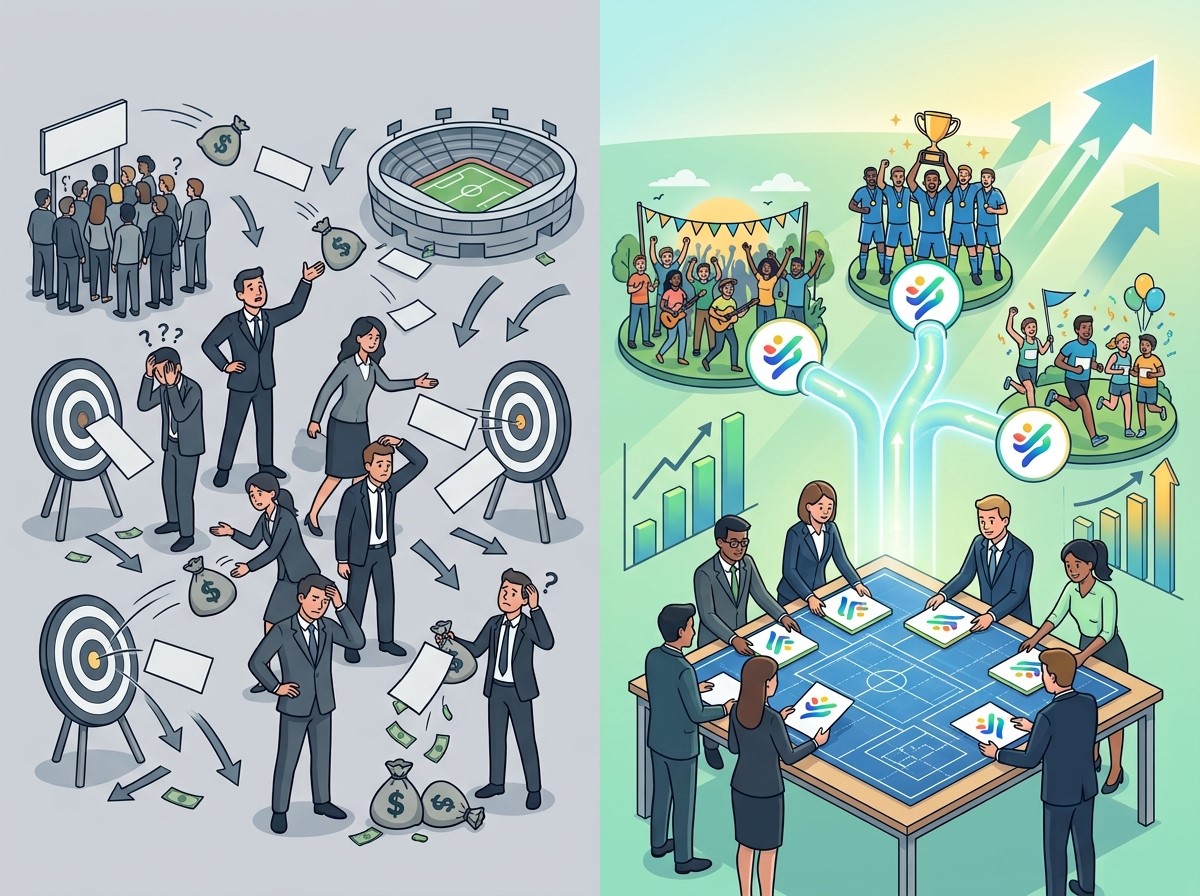 A clear sponsorship strategy provides several benefits for modern businesses. It helps companies avoid random marketing investments and focus on opportunities that support their brand objectives.
Increase Brand Visibility
Sponsorship allows brands to appear in front of large and targeted audiences. A company may receive visibility through event signage, social media posts, media coverage, email campaigns, websites, and promotional materials.
Repeated exposure can help people recognize the brand more easily. When the sponsorship is connected to a popular event or respected organization, the brand may also benefit from the credibility of that partner.
Build Brand Trust
Consumers often trust brands that support meaningful causes, professional events, community activities, and respected organizations. Sponsorship can demonstrate that a business is interested in more than selling products.
For example, a company sponsoring a local education program may create a positive reputation among families and community members. This type of activity can support stronger emotional connections with the target audience.
Reach a Relevant Audience
Traditional advertising may reach many people who are not interested in a product. Sponsorship can provide access to a more specific audience.
A beauty brand can sponsor a fashion event, while a software company can support a technology conference. By choosing the right partner, businesses can reach people who are more likely to become customers.
Support Customer Engagement
Sponsorship campaigns can include contests, product demonstrations, interactive booths, social media activities, workshops, and live experiences. These activities encourage people to interact directly with the brand.
Customer engagement is important because audiences are more likely to remember a business after having a positive experience with it.
Set Clear Sponsorship Goals
Before choosing a sponsorship opportunity, businesses should define what they want to achieve. A sponsorship strategy without clear goals can become expensive and difficult to evaluate.
Common sponsorship goals include:
- Increasing brand awareness
- Reaching a new customer segment
- Improving brand reputation
- Generating leads
- Promoting a new product
- Increasing website traffic
- Building customer loyalty
- Supporting community relationships
- Improving social media engagement
- Generating sales or registrations
Each goal requires different activities and measurement methods. If the goal is brand awareness, the campaign may focus on media exposure, audience reach, and branded content. If the goal is lead generation, the campaign should include forms, QR codes, offers, or direct customer conversations.
SMART goals can make sponsorship campaigns more effective. Objectives should be specific, measurable, achievable, relevant, and time-bound.
Identify Your Target Audience
Understanding the target audience is one of the most important parts of a sponsorship strategy. Businesses should examine who attends the event, follows the organization, watches the content, or participates in the activity.
Important audience factors include:
- Age group
- Location
- Profession
- Interests
- Buying behavior
- Income level
- Lifestyle
- Business needs
- Online activity
A sponsorship opportunity may look attractive because it has a large audience, but the audience may not match the brand’s target customers. A smaller event with a highly relevant audience may produce better results than a large event with limited relevance.
Businesses should review audience demographics, previous event performance, social media activity, website traffic, and engagement statistics before making a decision.
Choose the Right Sponsorship Partner
 Selecting the right partner is essential for successful sponsorship marketing. A suitable partner should have a strong reputation, relevant audience, reliable communication, and values that match the sponsoring brand.
When evaluating potential partners, consider the following factors:
Audience Relevance
The partner should provide access to people who may be interested in the brand’s products or services. Audience relevance is often more important than total audience size.
Reputation and Credibility
A business should investigate the partner’s history, public image, previous campaigns, and customer feedback. A partnership with an unreliable or controversial organization may damage brand reputation.
Marketing Opportunities
Review what the sponsorship package includes. Possible benefits may include logo placement, social media promotion, speaking opportunities, email mentions, website visibility, event booths, media coverage, and product placement.
Partnership Value
The cost should be reasonable compared with the expected benefits. Businesses should compare different sponsorship packages and identify which opportunities provide the strongest value.
Strong Brand Partnerships are based on shared goals rather than one-time promotional transactions. Both sides should understand what they will contribute and receive.
Create a Valuable Sponsorship Offer
A sponsorship strategy becomes more effective when the offer provides real value to the audience. Simply displaying a logo may not be enough to create meaningful engagement.
Businesses can create value through:
- Free product samples
- Educational workshops
- Exclusive discounts
- Interactive demonstrations
- Expert discussions
- Giveaways
- Community activities
- Special access
- Digital resources
- Customer support sessions
For example, a technology company sponsoring a business conference could offer free consultations, software demonstrations, downloadable guides, and a live question-and-answer session.
The offer should be connected to the audience’s needs. When people receive something useful, they are more likely to remember the brand and continue the relationship.
Develop a Strong Sponsorship Activation Plan
Sponsorship activation means using creative marketing activities to bring a sponsorship partnership to life. It transforms a basic sponsorship agreement into an engaging brand experience. A strong activation plan may include online and offline activities.
Event Activation
At physical events, brands can use booths, banners, product demonstrations, competitions, workshops, and branded experiences. Staff should be trained to communicate with visitors and collect relevant leads.
Social Media Activation
Social media can extend sponsorship visibility before, during, and after an event. Businesses can publish countdown posts, behind-the-scenes videos, interviews, event highlights, audience content, and partner announcements.
Hashtags, live updates, short videos, and user-generated content can help increase engagement.
Content Marketing Activation
Brands can create blog posts, case studies, videos, podcasts, newsletters, and interviews related to the sponsorship. This content provides additional value and helps the campaign reach people who could not attend the event.
Influencer and Community Activation
Relevant influencers, creators, and community leaders can introduce the sponsorship to their audiences. However, businesses should choose partners whose values and audience match the brand.
Understand Reach VS Brand awareness
Many marketers confuse reach with brand awareness, but they are not exactly the same. Reach refers to the number of people who have potentially seen or been exposed to a campaign. Brand awareness refers to how familiar people are with a brand and whether they can recognize or remember it.
For example, a sponsorship post may reach 50,000 people. However, this does not automatically mean that all 50,000 people remember the brand or understand what it offers.
Reach is an exposure metric, while brand awareness is related to recognition, recall, familiarity, and perception. A sponsorship strategy should consider both metrics. High reach can be useful, but meaningful engagement and repeated exposure are often necessary to improve awareness.
Businesses can evaluate:
- Total audience reach
- Impressions
- Brand mentions
- Social media engagement
- Website searches
- Branded search traffic
- Direct website visits
- Audience recall
- Customer surveys
- Content interactions
Using both reach and awareness metrics provides a more complete understanding of campaign performance.
Measure Brand Awareness
To understand whether a sponsorship campaign is successful, businesses must Measure brand awareness using relevant methods and tools.
Brand Recall Surveys
Businesses can ask audiences whether they remember seeing the brand during an event or campaign. Surveys can also measure whether people remember the brand without being shown its name.
Brand Recognition
Recognition tests can determine whether consumers recognize a logo, name, slogan, or product after exposure to sponsorship content.
Website Traffic
An increase in direct traffic, branded search traffic, or visits to campaign landing pages may indicate growing interest in the brand.
Social Media Mentions
Track brand mentions, tags, comments, shares, and user-generated content. These activities can show whether the audience is discussing the brand.
Search Visibility
Businesses can monitor changes in branded keyword searches and online interest. A sponsorship campaign may encourage more people to search for the company.
Lead and Sales Tracking
Use unique landing pages, promotional codes, QR codes, and tracking links to measure leads and sales generated by the campaign.
Media Coverage
News articles, interviews, blogs, and online publications can increase brand exposure. Businesses should monitor the number and quality of media mentions.
Set a Realistic Sponsorship Budget
Budget planning is a key part of sponsorship marketing. The total cost may include sponsorship fees, event materials, staff, travel, content creation, advertising, product samples, technology, and follow-up campaigns.
Businesses should calculate the full campaign cost rather than focusing only on the sponsorship fee.
A practical budget may include:
- Sponsorship payment
- Creative design
- Promotional materials
- Event setup
- Staff and transportation
- Social media advertising
- Video and photography
- Influencer promotion
- Lead collection tools
- Post-campaign analysis
The budget should be connected to the expected objectives. A small business may begin with a local event or niche community sponsorship before investing in a large national campaign.
Build Long-Term Sponsorship Relationships
 Successful sponsorship is not always about one campaign. Long-term relationships can create stronger recognition, trust, and audience loyalty.
Businesses should communicate regularly with partners, review campaign performance, share feedback, and explore new opportunities. After an event, send appreciation messages, publish results, and discuss future improvements.
Long-term partnerships may provide better pricing, stronger visibility, exclusive opportunities, and deeper audience relationships. However, companies should review the partnership regularly to ensure that it continues to support business goals.
Common Sponsorship Strategy Mistakes
Several mistakes can reduce the effectiveness of sponsorship campaigns.
Choosing a Partner Only Because of Popularity
A famous event may have a large audience but limited relevance to the brand. Audience fit should always be considered.
Focusing Only on Logo Placement
A logo alone may not create strong engagement. Businesses should develop interactive and useful experiences.
Ignoring Campaign Measurement
Without tracking performance, companies cannot understand whether the investment was successful.
Failing to Promote the Sponsorship
A sponsorship may receive limited results if the business does not promote it through social media, email, content marketing, and public relations.
Not Defining Responsibilities
Both parties should clearly understand deadlines, promotional activities, deliverables, and reporting responsibilities.
Expecting Immediate Sales
Sponsorship often supports awareness, trust, and long-term relationships. Immediate sales may not always be the primary outcome.
Conclusion
A successful sponsorship strategy helps businesses connect with relevant audiences, increase brand visibility, build trust, and create meaningful marketing experiences. The most effective campaigns begin with clear goals, strong audience research, suitable partners, valuable offers, and creative sponsorship activation.
Businesses should also understand the difference between reach and brand awareness. While reach shows potential exposure, awareness measures whether people recognize and remember the brand. By using surveys, website analytics, social media data, search traffic, and lead tracking, companies can evaluate campaign performance more accurately.
Frequently Asked Questions
1. What is a sponsorship strategy?
A sponsorship strategy is a plan that explains how a business will use sponsorship activities to achieve marketing goals such as brand awareness, audience engagement, lead generation, and customer growth.
2. Why is sponsorship strategy important?
A sponsorship strategy helps businesses choose suitable partners, reach relevant audiences, manage budgets, create valuable campaigns, and measure marketing performance.
3. What are the main benefits of sponsorship marketing?
The main benefits include increased brand visibility, stronger customer relationships, improved credibility, audience engagement, media exposure, lead generation, and long-term brand growth.
4. How can a business choose the right sponsorship partner?
A business should evaluate audience relevance, partner reputation, marketing opportunities, campaign costs, previous performance, and shared brand values before choosing a sponsorship partner.
5. What is the difference between reach and brand awareness?
Reach refers to the number of people who may have seen a campaign. Brand awareness refers to whether people recognize, remember, or are familiar with the brand.
6. How can businesses measure brand awareness?
Businesses can measure brand awareness through surveys, brand recognition tests, branded search traffic, social media mentions, direct website visits, customer feedback, and media coverage.
7. What is sponsorship activation?
Sponsorship activation involves creative activities that make a sponsorship more engaging. Examples include product demonstrations, contests, workshops, social media campaigns, and interactive event experiences.
8. How much should a business spend on sponsorship?
The budget depends on business goals, audience size, event type, sponsorship benefits, and available resources. Businesses should consider all related costs and compare them with expected results.
9. Can small businesses benefit from sponsorship marketing?
Yes. Small businesses can sponsor local events, community programs, niche conferences, online groups, and relevant influencers to reach targeted audiences without requiring a large budget.
10. How can businesses create long-term sponsorship partnerships?
Businesses can build long-term partnerships through clear communication, reliable delivery, shared goals, regular performance reviews, mutual promotion, and continuous improvement of sponsorship campaigns.