
Influencer Sponsorship has become an important part of modern digital marketing as brands look for more authentic ways to connect with their target audiences. Traditional advertising can help businesses reach large groups of people, but influencer partnerships can create more personal and relatable communication through trusted creators and their established communities.
Influencers often build relationships with audiences around specific interests, lifestyles, industries, or types of content. When a brand works with the right influencer, its products or services can be introduced within an environment where followers already engage with the creator’s recommendations and opinions.
What Is Influencer Sponsorship?
Influencer sponsorship is a marketing arrangement in which a brand partners with an influencer or content creator to promote its products, services, campaigns, or brand message. The influencer typically creates sponsored content for an audience that matches the brand’s target market.
Depending on the agreement, sponsored content may include social media posts, videos, reviews, livestreams, stories, podcasts, blogs, or other digital formats.
How Influencer Sponsorship Works
A typical sponsorship begins by identifying influencers whose audience, content style, values, and reach align with the brand. The business then discusses campaign objectives, content requirements, compensation, timelines, and disclosure expectations.
The influencer creates and publishes agreed content while the brand monitors engagement and other relevant campaign results. Long-term partnerships may involve multiple campaigns instead of a single promotional post.
How Influencer Sponsorship Builds Brand Awareness
 Influencer sponsorship can introduce a brand to audiences that may not have discovered it through traditional advertising. Influencers already have established communities, allowing brands to access relevant groups based on interests, demographics, or content preferences.
Repeated exposure can also help audiences become more familiar with a brand over time. When the same creator works with a business consistently, the brand can become a recognizable part of the creator’s content ecosystem.
Reaching Relevant Audiences
Audience relevance is often more valuable than simply choosing an influencer with a large following. A creator with a highly relevant audience may provide stronger opportunities for meaningful engagement than someone whose followers have little connection with the product.
Businesses should therefore examine audience interests, engagement patterns, content topics, and overall brand alignment before beginning a sponsorship.
Building Trust Through Influencer Relationships
Trust plays an important role in consumer decision-making. Influencers often develop credibility by consistently producing content around topics their audiences care about.
A sponsorship can benefit from this existing relationship when the partnership feels natural and relevant. Audiences are more likely to pay attention when the sponsored product fits the creator’s usual content and interests.
Creating Authentic Brand Communication
Authenticity should be considered when planning sponsored campaigns. If promotional content feels completely disconnected from the influencer’s normal communication style, audiences may respond less positively.
Brands can provide clear campaign objectives while allowing creators reasonable creative freedom. This can help sponsored content maintain a natural tone while still communicating important brand messages.
The Role of Brand Sponsorship in Long-Term Growth
Brand Sponsorship can involve partnerships with influencers, events, organizations, creators, communities, or other platforms that provide opportunities for brand exposure and association.
When sponsorships are connected to broader business goals, they can contribute to brand positioning rather than simply generating short-term visibility.
Strengthening Brand Positioning
A sponsorship can help a business associate itself with particular interests, values, lifestyles, or communities. For example, a brand may work with creators who focus on technology, fitness, travel, education, fashion, or business.
Consistent partnerships within a relevant category can help audiences understand what the brand represents and who its products are designed for.
Combining Influencer Sponsorship With Event Sponsorship
Event Sponsorship and influencer sponsorship can complement each other when they are planned as part of the same campaign. Events can create real-world experiences, while influencers can extend those experiences to digital audiences.
An influencer attending, covering, or participating in a sponsored event can create additional content opportunities before, during, and after the event.
Extending Event Reach Through Influencers
Influencers can generate pre-event awareness by discussing upcoming events, sharing invitations, or introducing event-related activities. During the event, they may create stories, videos, interviews, or live content.
After the event, creators can continue the conversation through recaps, highlights, reviews, or additional content. This can help extend the useful life of an event campaign.
Developing an Effective Sponsorship Strategy
A successful Sponsorship Strategy should begin with clear objectives. Businesses need to determine whether the primary goal is brand awareness, audience growth, engagement, lead generation, product discovery, sales support, or another measurable outcome.
Once objectives are defined, brands can identify appropriate influencers and develop campaigns that connect creator content with broader marketing activities.
Setting Clear Campaign Goals
Clear goals make it easier to determine whether a sponsorship has delivered useful results. A business focused on awareness may monitor reach and impressions, while an engagement-focused campaign may examine comments, shares, saves, and interactions.
For conversion-focused campaigns, businesses may track website visits, leads, purchases, referral traffic, or other relevant actions.
Choosing the Right Influencers
Influencer selection should consider more than follower count. Businesses should review audience relevance, engagement quality, content style, posting consistency, previous sponsorships, and overall brand compatibility.
The right influencer should be able to communicate the brand naturally while reaching people who are genuinely relevant to the business.
Creating Long-Term Influencer Partnerships
One-time influencer campaigns can generate exposure, but long-term relationships can create greater consistency. When an influencer works with a brand across multiple campaigns, audiences have more opportunities to become familiar with the business.
Long-term partnerships can also allow creators to understand the brand more deeply, resulting in more informed and natural content.
Building Strong Creator Relationships
Brands should treat influencers as creative partners rather than simply promotional channels. Clear communication, timely feedback, fair agreements, and respect for creative expertise can help establish productive relationships.
A strong partnership can eventually become more efficient because both parties understand expectations, audience preferences, and campaign objectives.
Influencer Sponsorship and Customer Engagement
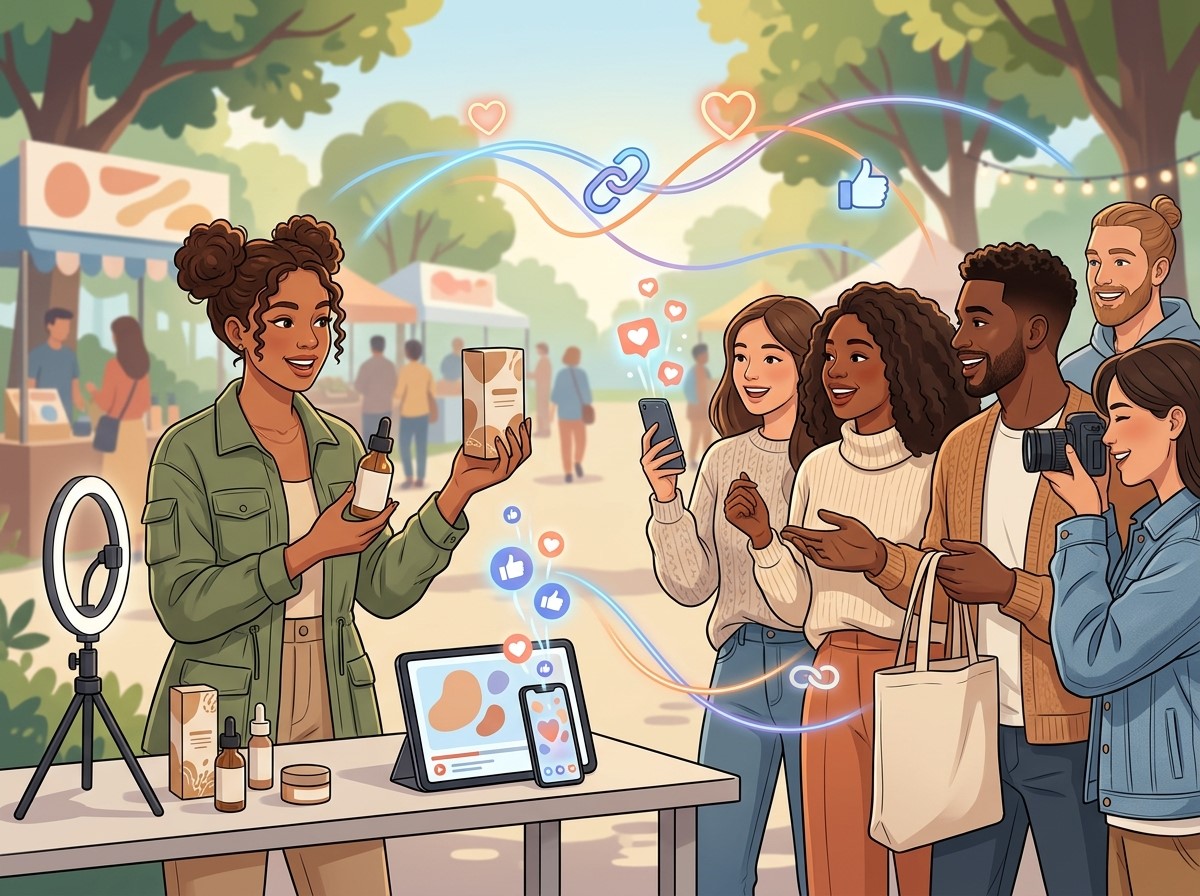 Influencer sponsorship can encourage audiences to interact with a brand through comments, questions, reviews, discussions, and content sharing. Creators can introduce products in ways that invite their communities to participate.
This engagement can create opportunities for brands to learn more about audience interests and customer concerns.
Encouraging Conversations Around Products
Influencer content can be structured around questions, demonstrations, tutorials, comparisons, challenges, or personal experiences. These formats can encourage audiences to discuss products rather than simply viewing an advertisement.
Brands can monitor these conversations to identify common questions and understand how audiences respond to the campaign.
Using Influencer Content Beyond Social Media
Influencer-created content can sometimes provide value beyond the original sponsorship platform. With appropriate permissions, businesses may reuse selected content on websites, email campaigns, advertisements, product pages, or other marketing channels.
This can increase the usefulness of campaign assets and help maintain consistent messaging.
Repurposing Sponsored Content
A product demonstration created by an influencer may also work as website content or paid advertising creative. Customer-focused testimonials or educational videos can potentially support multiple stages of the marketing funnel.
Businesses should always clarify content usage rights and duration within the sponsorship agreement before repurposing creator content.
Measuring Influencer Sponsorship Performance
Measuring campaign performance is essential for understanding whether influencer sponsorship is contributing to business objectives. Metrics should be selected according to the campaign’s goals rather than relying on a single number.
Useful indicators may include reach, impressions, engagement rate, website traffic, referral visits, leads, conversions, content interactions, and audience growth.
Understanding Engagement Quality
Engagement numbers can provide useful information, but businesses should also examine the quality of interactions. Meaningful questions, product discussions, recommendations, and genuine customer interest can provide more context than raw interaction totals.
Analyzing comments and audience responses can help businesses understand whether the campaign generated relevant attention.
Common Influencer Sponsorship Mistakes
Businesses can reduce campaign effectiveness by selecting influencers solely based on follower numbers, failing to define objectives, providing overly restrictive creative instructions, or neglecting performance measurement.
Another issue is inconsistent partnerships. If a brand frequently changes its messaging or works with creators who have little connection to its positioning, audiences may struggle to understand the brand’s identity.
Focusing Only on Short-Term Exposure
Short-term visibility can be useful, but sustainable growth requires more than temporary attention. Brands should consider how each sponsorship contributes to broader awareness, positioning, engagement, and customer relationships.
A series of well-connected campaigns can create a stronger narrative than unrelated one-off promotions.
How Influencer Sponsorship Supports Customer Acquisition
Influencers can introduce products to audiences who are already interested in a particular category. When sponsored content clearly explains product benefits and provides useful information, it can help potential customers move from awareness toward consideration.
Campaigns can also use trackable links, promotional codes, landing pages, or other measurement tools to understand customer actions.
Supporting the Customer Journey
Influencer content can serve different purposes throughout the customer journey. Educational content can build awareness, product demonstrations can support consideration, and testimonials or use cases can provide additional information before purchase.
A coordinated campaign can therefore connect influencer activity with other marketing channels.
Maintaining Transparency and Credibility
Transparency is important in sponsored content. Influencers and brands should clearly communicate when content is sponsored or part of a paid partnership according to applicable platform requirements and advertising rules.
Clear disclosure helps audiences understand the relationship between the creator and the brand while supporting responsible marketing practices.
Protecting Long-Term Brand Reputation
Brands should consider how sponsorship partners communicate with their audiences and whether their content aligns with the company’s values and standards.
Careful partner selection, clear agreements, and ongoing communication can help reduce unnecessary reputation risks and support more consistent brand representation.
Future Opportunities for Influencer Sponsorship
 Influencer marketing continues to evolve as social platforms, content formats, and audience behaviors change. Short-form video, livestreaming, niche communities, creator-led education, and long-term partnerships can provide new opportunities for businesses.
Brands may increasingly focus on deeper creator relationships instead of treating influencers solely as individual advertising placements.
Building Sustainable Creator Partnerships
Sustainable partnerships can combine consistent brand messaging with creator creativity. Rather than designing every campaign from scratch, businesses can develop ongoing content programs with selected creators.
This approach can help create familiarity, improve campaign efficiency, and give audiences repeated opportunities to understand and interact with the brand.
Conclusion
Influencer Sponsorship can support long-term brand growth by increasing awareness, strengthening audience relationships, encouraging engagement, and connecting businesses with relevant communities. Its effectiveness depends heavily on strategic planning, appropriate influencer selection, authentic communication, and consistent measurement.
Combining influencer campaigns with Event Sponsorship and broader Brand Sponsorship initiatives can create additional opportunities for visibility and audience interaction. Meanwhile, a well-developed Sponsorship Strategy can connect individual campaigns with wider marketing and business objectives.
Frequently Asked Questions
1. What is Influencer Sponsorship?
Influencer Sponsorship is a marketing partnership between a brand and an influencer in which the creator produces sponsored content to promote the brand, product, service, campaign, or message to their audience.
2. How does Influencer Sponsorship support brand growth?
It can help brands increase awareness, reach relevant audiences, generate engagement, support product discovery, and build stronger relationships with potential customers through creator-led communication.
3. What is a Sponsorship Strategy?
A Sponsorship Strategy is a structured plan for selecting sponsorship opportunities, setting campaign objectives, choosing suitable partners, managing campaigns, and measuring results according to business goals.
4. How is Brand Sponsorship different from Influencer Sponsorship?
Brand Sponsorship is a broader concept that can include partnerships with influencers, events, organizations, communities, and other platforms. Influencer Sponsorship specifically focuses on partnerships with content creators or influencers.
5. Can Influencer Sponsorship increase brand awareness?
Yes. Influencers can introduce brands to relevant audiences through sponsored posts, videos, stories, livestreams, reviews, and other content formats, helping increase exposure and familiarity.
6. What is Event Sponsorship?
Event Sponsorship involves a brand providing financial, product, service, or other support to an event in exchange for agreed promotional opportunities, visibility, audience access, or brand association.
7. How can Event Sponsorship and influencer marketing work together?
Influencers can promote an event before it takes place, create content during the event, and share recaps afterward. This can extend the event’s digital reach and provide additional content opportunities.
8. How should businesses choose influencers for sponsorship?
Businesses should consider audience relevance, engagement quality, content style, audience demographics, creator reputation, previous partnerships, and alignment with the brand’s goals rather than relying only on follower numbers.
9. How can businesses measure Influencer Sponsorship results?
Businesses can track metrics such as reach, impressions, engagement, website traffic, referral visits, leads, conversions, content interactions, and audience growth based on the campaign’s objectives.
10. Are long-term influencer partnerships useful for brands?
Long-term partnerships can provide consistency and repeated exposure while allowing influencers to develop a deeper understanding of the brand. They can also help create more cohesive campaigns and stronger audience familiarity over time.