Sponsorship Promotion is an effective marketing approach that helps businesses increase brand visibility, connect with target audiences, and generate measurable returns from strategic partnerships. By sponsoring relevant events, creators, organizations, or community initiatives, businesses can introduce their products and services to audiences who are more likely to engage with their brands.
A well-developed Sponsorship Strategy helps businesses select suitable partners, establish clear objectives, and allocate resources effectively. Strong Sponsor Engagement also ensures that audiences interact with sponsored content rather than simply seeing a brand logo. By combining creative promotional activities, digital marketing channels, and performance tracking, businesses can build stronger Sponsorship Campaigns and maximize their marketing return on investment (ROI).
Understand the Importance of Sponsorship Promotion
Sponsorship Promotion allows businesses to communicate their brand message through partnerships that already have audience attention and credibility. These partnerships can involve industry events, educational programs, sports organizations, online creators, podcasts, or community activities. When the partnership aligns with the brand’s values and audience interests, promotional efforts can create meaningful connections and improve marketing effectiveness.
How Sponsorship Promotion Supports Business Growth
Sponsorship can help businesses reach potential customers who may not discover their products through traditional advertising. For example, a technology company sponsoring an industry conference can introduce its solutions to professionals interested in relevant products and services. This creates opportunities for brand recognition, networking, and lead generation.
Sponsorship Promotion can also strengthen brand credibility when audiences associate a business with a trusted event or organization. However, these benefits depend on the quality of the partnership and the relevance of its audience. Businesses should select opportunities that support their marketing objectives rather than investing in sponsorships based only on popularity.
Why Marketing ROI Matters
Marketing ROI measures the financial return generated by marketing investments relative to their costs. In sponsorship, expenses may include sponsorship fees, promotional materials, content production, event participation, and campaign management. Measuring these costs against attributable revenue helps businesses understand whether a partnership delivers sufficient value.
Not every sponsorship produces immediate sales. Some campaigns focus on brand awareness, audience growth, or relationship building. Businesses should therefore define their intended outcomes before launching a campaign and choose performance indicators that reflect those objectives.
Choose the Right Sponsorship Opportunities
 Selecting suitable partners is one of the most important elements of an effective Sponsorship Strategy. Even a well-funded campaign may produce disappointing results if the sponsored event, organization, or creator does not reach the intended audience. Businesses should evaluate potential partnerships according to audience relevance, brand alignment, promotional opportunities, and measurable business potential.
Identify Your Target Audience
Businesses should understand their ideal customers before selecting sponsorship opportunities. Important considerations include customer interests, purchasing behavior, professional roles, demographics, and preferred digital platforms. This information helps marketers identify events, creators, or organizations that attract relevant audiences.
For example, a fitness equipment company may benefit from sponsoring fitness events, wellness communities, or sports creators. A software provider might achieve better results through industry webinars, professional conferences, or technology-focused publications. Audience alignment increases the likelihood that sponsorship messages will reach people who are genuinely interested in the business.
Evaluate Potential Partners
Before committing to a sponsorship, businesses should examine the partner’s reputation, audience quality, engagement history, and promotional capabilities. A large audience does not automatically guarantee strong results. A smaller but highly relevant audience may produce more meaningful interactions and qualified leads.
Businesses should also review the partner’s previous collaborations and communication style. The ideal partner should have a credible relationship with its audience and offer opportunities to communicate the brand’s value naturally. Careful evaluation reduces wasted spending and creates a stronger foundation for successful Sponsorship Campaigns.
Create Engaging Sponsorship Campaigns
Effective Sponsorship Campaigns give audiences a reason to interact with a brand instead of simply noticing its name. Creative activities, relevant messages, and useful experiences can transform sponsorship visibility into meaningful engagement. Businesses should design campaigns around audience interests while ensuring that promotional activities support their overall marketing goals.
Develop a Clear Campaign Message
A clear campaign message explains what the business offers, why it matters, and how the sponsorship benefits the audience. Messages should be consistent across event materials, social media posts, email communications, and sponsored content. Consistency helps audiences recognize the brand and understand its value.
Businesses should avoid overly promotional messages that focus exclusively on selling products. Educational content, demonstrations, practical advice, and useful resources can make sponsorship communication more relevant. When audiences receive genuine value, they may be more willing to explore the brand and consider its offerings.
Use Interactive Promotional Activities
Interactive activities can encourage audiences to participate rather than passively consume sponsorship content. Businesses might organize live demonstrations, audience polls, product trials, educational sessions, or interactive online discussions. These experiences can help customers understand products and develop a stronger connection with the sponsoring brand.
For digital Sponsorship Campaigns, interactive activities may include question-and-answer sessions, creator collaborations, live product demonstrations, and audience challenges. Each activity should have a clear purpose and an easy next step, such as visiting a landing page, registering for a webinar, or requesting a product demonstration.
Improve Sponsor Engagement Through Valuable Content
 Sponsor Engagement reflects how effectively a sponsoring brand connects with an audience through its partnership. Meaningful engagement involves more than impressions or logo visibility. It includes audience participation, content interaction, questions, website visits, and other actions that indicate genuine interest in the sponsored brand.
Collaborate on Relevant Content
Businesses can work with event organizers, creators, or sponsored organizations to develop content that addresses audience needs. Examples include expert interviews, educational articles, product tutorials, behind-the-scenes videos, and industry discussions. These formats allow sponsors to communicate useful information while benefiting from the partner’s existing audience relationships.
Content collaboration should feel authentic and match the partner’s normal communication style. A sponsorship message that fits naturally into the audience’s interests is more likely to attract attention than content that feels disconnected from the surrounding material. Clear disclosure of sponsored partnerships also supports transparency and trust.
Encourage Two-Way Communication
Two-way communication allows audiences to ask questions, express opinions, and participate in conversations with the sponsoring brand. Businesses can encourage this interaction through social media discussions, live sessions, surveys, and responses to audience comments. These activities help marketers understand customer concerns and identify opportunities to improve their messaging.
Active communication can also create useful feedback for future campaigns. When businesses respond thoughtfully and address audience questions, they demonstrate that the sponsorship is about more than visibility. This approach can strengthen relationships and create more opportunities for continued engagement.
Use Digital Channels to Expand Sponsorship Promotion
Digital channels help businesses extend sponsorship visibility beyond physical events or a partner’s immediate audience. Social media, email marketing, websites, online communities, and paid advertising can distribute sponsorship content across multiple touchpoints. A coordinated digital approach allows brands to maintain attention before, during, and after a sponsored activity.
Promote Sponsorships on Social Media
Social media promotion can help businesses reach audiences through partner announcements, event highlights, short videos, interviews, and interactive posts. Coordinating content with the sponsored organization can improve consistency and expose the brand to relevant followers.
Businesses should select platforms according to audience behavior rather than trying to publish identical content everywhere. Short videos may suit visually engaging activities, while professional networks may be more appropriate for industry partnerships. Tracking clicks, engagement, and referral traffic helps marketers identify which platforms contribute the most value.
Use Email Marketing and Landing Pages
Email marketing can support sponsorship promotion by delivering relevant updates to subscribers who have already expressed interest in the business. Companies can share event invitations, exclusive resources, partnership announcements, and follow-up content. Messages should provide useful information and respect subscriber preferences.
Dedicated landing pages can help turn sponsorship attention into measurable actions. A landing page might explain a special offer, provide event details, collect qualified leads, or invite visitors to request a consultation. Using consistent tracking links and clear calls to action helps businesses measure how effectively sponsorship traffic contributes to their objectives.
Develop a Strong Sponsorship Strategy
A strong Sponsorship Strategy connects partnership decisions with broader business goals. It establishes what the business wants to achieve, how promotional activities will support those objectives, and which resources are required. Without this planning, companies may spend money on sponsorship opportunities that generate visibility but produce little measurable business value.
Set Clear and Measurable Objectives
Businesses should define specific objectives before launching a sponsorship. These may include increasing brand awareness, generating qualified leads, improving website traffic, encouraging product trials, or increasing sales. Each objective requires suitable metrics and a realistic evaluation period.
For example, a campaign focused on lead generation may track qualified inquiries and the cost per lead. A campaign designed to improve awareness may measure relevant reach, brand searches, and audience recall where practical. Clear objectives help teams make informed decisions and evaluate results against the original investment.
Allocate Budgets and Resources Effectively
A sponsorship budget should account for more than the initial partnership fee. Content creation, advertising, event participation, staffing, promotional offers, and performance measurement can all affect the total cost. Businesses should estimate these expenses before committing to an opportunity.
Budget allocation should reflect the campaign’s potential value and strategic importance. Testing a smaller sponsorship before investing in a larger partnership can help businesses understand audience response and identify operational challenges. A disciplined budgeting process reduces financial risk and supports more effective marketing decisions.
Measure Sponsorship Performance and ROI
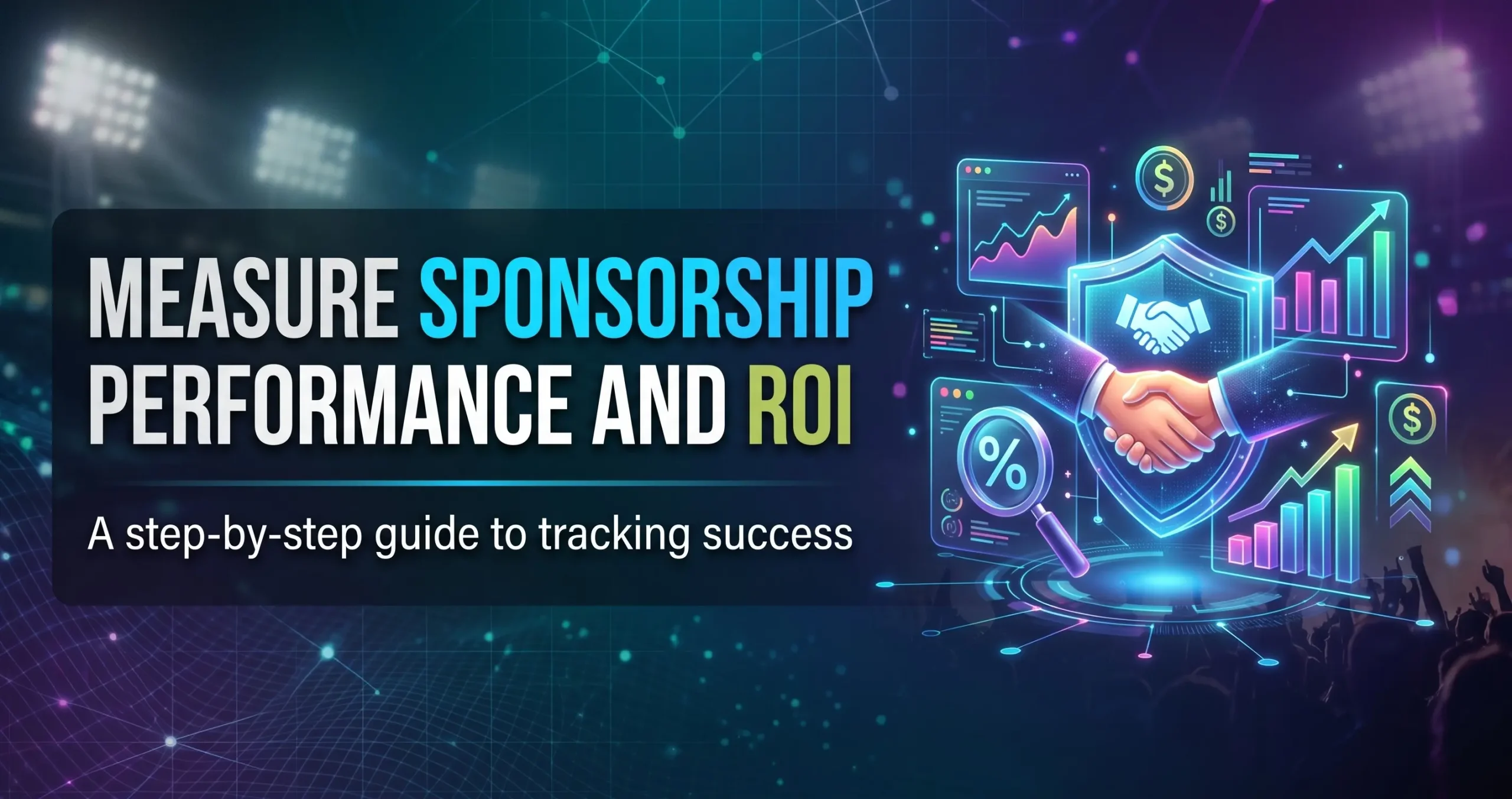 Measuring sponsorship performance helps businesses identify which partnerships generate useful outcomes and which activities require improvement. Data should be collected throughout the campaign rather than only after it ends. Regular monitoring allows marketers to adjust promotional messages, improve audience targeting, and address weak engagement before the opportunity passes.
Track Relevant Marketing Metrics
Businesses can evaluate sponsorship results using metrics such as audience reach, engagement rate, referral traffic, lead generation, conversion rate, and attributable revenue. The right metrics depend on campaign objectives. For example, an event sponsorship intended to generate sales opportunities should prioritize qualified leads and subsequent conversions rather than impressions alone.
Tracking links, campaign-specific landing pages, promotional codes, and customer surveys can help identify which interactions are associated with a sponsorship. Businesses should use consistent measurement methods and avoid assuming that every sale occurring during a campaign was caused by the partnership.
Calculate Return on Investment
A basic marketing ROI calculation compares the net return from a campaign with its total cost.
The formula is:
Marketing ROI = (Revenue Attributed to Sponsorship − Total Sponsorship Cost) ÷ Total Sponsorship Cost × 100
For example, if a sponsorship generates $15,000 in attributable revenue and costs $5,000, the calculated ROI is 200%. This calculation assumes that the revenue attribution and cost figures are accurate. Businesses should distinguish revenue from profit when evaluating the actual financial benefit, because product costs and other expenses can affect profitability.
Conclusion
Sponsorship Promotion can help businesses strengthen brand awareness, engage relevant audiences, and create measurable marketing opportunities. The strongest results come from selecting suitable partners, developing engaging Sponsorship Campaigns, and using digital channels to extend promotional reach. A clear Sponsorship Strategy also ensures that objectives, budgets, and performance metrics remain aligned.
Businesses should prioritize authentic partnerships, valuable content, meaningful Sponsor Engagement, and reliable performance measurement. By reviewing campaign results and improving future activities, organizations can make better sponsorship decisions and work toward stronger marketing ROI over time.
Frequently Asked Questions
1. What is Sponsorship Promotion?
Sponsorship Promotion involves promoting a business, product, or service through partnerships with events, organizations, creators, or other relevant groups. It helps businesses increase visibility, connect with audiences, and support marketing objectives.
2. How does Sponsorship Promotion improve marketing ROI?
Sponsorship Promotion can improve marketing ROI by connecting brands with relevant audiences, generating qualified leads, and encouraging purchases. Results depend on partner selection, campaign quality, total costs, and accurate performance measurement.
3. What are the best Sponsorship Promotion ideas?
Effective ideas include interactive events, educational content collaborations, social media campaigns, product demonstrations, sponsored webinars, and audience-exclusive resources. The best approach depends on the target audience and campaign objectives.
4. What is Sponsor Engagement?
Sponsor Engagement describes the interactions between a sponsoring brand and its target audience. It may include comments, questions, event participation, content sharing, website visits, and other actions that indicate interest in the sponsored brand.
5. How can businesses create successful Sponsorship Campaigns?
Businesses can create successful Sponsorship Campaigns by defining clear goals, selecting relevant partners, developing valuable content, coordinating promotional channels, and measuring campaign performance. Regular optimization helps improve results over time.
6. Why is a Sponsorship Strategy important?
A Sponsorship Strategy provides a structured plan for selecting partnerships, allocating budgets, reaching target audiences, and measuring results. It helps businesses connect sponsorship activities with broader marketing and business objectives.
7. Which digital channels support Sponsorship Promotion?
Social media, email marketing, websites, landing pages, online communities, and paid advertising can all support Sponsorship Promotion. Businesses should choose channels based on audience preferences and campaign goals.
8. How should businesses measure sponsorship success?
Businesses can measure sponsorship success through relevant metrics such as audience reach, engagement, referral traffic, qualified leads, conversions, and attributable revenue. Measurement should align with the original campaign objectives.
9. Can small businesses benefit from Sponsorship Promotion?
Yes. Small businesses can benefit by sponsoring niche events, local organizations, relevant creators, or specialized online communities. Smaller partnerships may provide access to highly relevant audiences without requiring a large marketing budget.
10. How can businesses improve Sponsor Engagement?
Businesses can improve Sponsor Engagement by creating useful content, encouraging audience participation, responding to questions, and collaborating authentically with partners. Clear communication and relevant experiences help strengthen audience relationships.