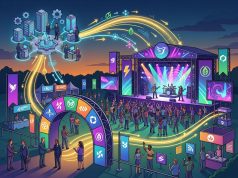
Sponsorship Campaigns have become an effective marketing method for businesses that want to increase brand awareness, connect with targeted audiences, and support long-term growth. Instead of depending only on traditional advertising, companies can partner with events, organizations, communities, influencers, or causes that already have public attention and audience trust.
A well-planned sponsorship campaign allows a business to promote its products or services while supporting an activity that matters to its target customers. Whether the campaign involves sports, entertainment, education, business conferences, or charity programs, sponsorship creates opportunities for meaningful brand exposure and customer engagement.
What Are Sponsorship Campaigns?
Sponsorship campaigns are organized marketing activities where a business provides financial support, products, services, resources, or expertise to an event, organization, individual, or community project in exchange for promotional benefits. These benefits may include logo placement, media exposure, speaking opportunities, product demonstrations, social media promotion, or direct access to an audience.
The main purpose of sponsorship is to create a mutually beneficial relationship. The sponsored partner receives financial or practical support, while the sponsoring business gains visibility and opportunities to connect with potential customers.
How Sponsorship Campaigns Work
A sponsorship campaign usually begins with identifying a suitable partner. The business then defines its marketing goals, agrees on sponsorship benefits, creates promotional materials, and launches activities around the partnership.
For example, a technology company may sponsor a business conference to reach decision-makers. A fitness brand may support a marathon to connect with health-conscious consumers. A local business may sponsor a community event to strengthen relationships within its service area.
How Sponsorship Campaigns Increase Brand Awareness
 Brand awareness is one of the most important benefits of sponsorship. When a company supports a popular event or respected organization, its name can reach people who may not have discovered the brand through regular advertising.
Sponsorship can place a business in front of a relevant audience through event banners, digital promotions, printed materials, videos, social media posts, press coverage, and live announcements. Repeated exposure helps audiences remember the brand and understand what it offers.
Reaching Targeted Audiences
Sponsorship allows businesses to reach specific groups instead of promoting their message to everyone. A company can choose a partnership based on audience age, interests, location, profession, lifestyle, or purchasing behavior.
For example, a software company may sponsor a technology event attended by business owners and IT professionals. A fashion brand may support a lifestyle event that attracts its ideal customers. This targeted exposure can improve marketing efficiency and reduce wasted promotional spending.
Improving Brand Recognition
Consistent visibility through sponsorship helps customers recognize a company over time. When a brand appears repeatedly across event materials, online content, and public discussions, it becomes more familiar to the audience.
Brand recognition is especially valuable for new businesses or companies entering competitive markets. Sponsorship can help them build visibility while connecting their name with a positive experience or respected event.
The Role of Event Sponsorship in Business Growth
Event Sponsorship is a popular form of partnership marketing because it creates direct opportunities for businesses to interact with their audience. Events provide a physical or digital environment where customers can see, hear, experience, and discuss a brand.
Events may include conferences, trade shows, sports competitions, concerts, festivals, educational programs, product launches, and community gatherings. Each type of event offers different promotional opportunities.
Creating Direct Customer Interaction
Unlike many digital advertisements, event sponsorship can create face-to-face conversations. Businesses may set up booths, offer demonstrations, distribute samples, organize activities, or provide expert presentations.
These interactions allow customers to ask questions and learn more about the company. Direct communication can also help businesses understand customer needs, objections, and expectations.
Generating Qualified Leads
Events often attract people who already have an interest in a particular subject. This makes them useful environments for lead generation.
A sponsoring business can collect contact details through registration forms, contests, consultations, product demonstrations, or special offers. These contacts can later be developed through email marketing, sales calls, content marketing, and customer relationship management.
To generate better results, businesses should create a clear process for recording, qualifying, and following up with leads after the event.
How Brand Sponsorship Builds Customer Trust
 Brand Sponsorship can help businesses strengthen customer trust by connecting them with respected events, causes, communities, and organizations. Customers may develop a more positive impression when they see a company supporting activities that match their interests or values.
However, sponsorship alone does not automatically create trust. The partnership must feel genuine and relevant. A business should avoid supporting a cause only for publicity if its actions do not match the campaign message.
Connecting with Shared Values
Customers increasingly pay attention to how businesses contribute to society. Sponsoring educational programs, environmental activities, sports initiatives, or charitable projects can demonstrate a company’s commitment to a broader purpose.
For example, a business that supports student development may build stronger relationships with young audiences and educational communities. A company sponsoring environmental activities may connect with customers who value sustainability.
The key is to choose partnerships that reflect the brand’s actual values and long-term behavior.
Strengthening Emotional Connections
Sponsorship creates opportunities for emotional marketing. People often feel connected to events, teams, communities, and causes that are meaningful to them. When a brand becomes part of those experiences, customers may develop stronger emotional associations with the company. These emotional connections can support brand loyalty, positive word-of-mouth, and repeat engagement.
Developing an Effective Sponsorship Strategy
A strong Sponsorship Strategy helps businesses use their budget, resources, and promotional opportunities effectively. Without a clear strategy, sponsorship may create visibility but fail to produce meaningful business results. The strategy should connect sponsorship activities with wider marketing and business goals.
Define Clear Campaign Objectives
Before selecting a sponsorship opportunity, a business should decide what it wants to achieve. Common objectives include increasing brand awareness, generating leads, launching a product, entering a new market, improving reputation, increasing sales, or strengthening customer relationships.
Objectives should be specific and measurable. For example, instead of saying “increase visibility,” a company may aim to reach a certain number of people, collect qualified leads, increase website visits, or generate product inquiries. Clear goals make it easier to select the right partnership and evaluate the final results.
Select the Right Sponsorship Partner
The success of a campaign depends heavily on the sponsored partner. Businesses should consider the partner’s audience, reputation, reach, engagement level, location, industry relevance, and communication channels.
A large event is not always the best choice. A smaller event with a highly relevant audience may generate better results than a major event with limited connection to the brand.
Companies should also review the partner’s previous activities, public reputation, audience quality, and sponsorship packages before making a decision.
Plan Promotional Activities
Sponsorship benefits should be supported by a complete promotional plan. Businesses can use social media posts, email campaigns, blog content, press releases, videos, influencer partnerships, landing pages, and paid advertisements to promote the sponsorship.
Pre-event promotion can build awareness and encourage attendance. During the event, live content and customer interaction can increase engagement. Post-event promotion can extend the campaign’s value through photos, videos, interviews, testimonials, and performance reports.
Using Digital Marketing to Improve Sponsorship Results
Digital marketing can expand the reach of sponsorship beyond the event or physical partnership. Businesses can use online channels to create awareness before, during, and after the campaign.
A digital approach also makes it easier to measure audience behavior and identify the activities that generate the strongest response.
Social Media Promotion
Social media is useful for announcing partnerships, sharing event updates, publishing behind-the-scenes content, and encouraging audience participation. Businesses can use branded hashtags, short videos, live streams, polls, contests, and user-generated content to increase engagement.
The sponsoring company should tag the event organizer or partner when appropriate. This can improve visibility and encourage the partner’s audience to interact with the brand.
Content and Email Marketing
Content marketing can explain why the business supports the event or organization. Blog posts, interviews, case studies, videos, and articles can provide more information than a logo or short advertisement.
Email marketing can be used to invite customers to an event, share special offers, promote registration, and follow up with attendees. These activities help turn sponsorship exposure into meaningful customer action.
Dedicated Landing Pages
A dedicated landing page can provide information about the sponsorship, event schedule, offers, registration process, or product benefits. It can also include a contact form or tracking system to measure conversions.
Businesses should use clear calls to action, mobile-friendly design, fast loading speed, and relevant messaging to improve the landing page experience.
Measuring the Performance of Sponsorship Campaigns
Measuring sponsorship performance helps businesses understand whether their investment is producing useful results. The evaluation should include both marketing outcomes and business outcomes.
Important Performance Metrics
Brand awareness can be measured through reach, impressions, website traffic, branded search activity, social media mentions, and audience surveys. Engagement can be evaluated through likes, comments, shares, event interactions, video views, and content participation.
Lead generation can be measured through registrations, contact forms, consultations, product inquiries, and qualified prospects. Sales performance may include purchases, revenue, new customers, conversion rates, and customer acquisition cost. Businesses should select metrics based on the original campaign objectives rather than tracking every available number.
Calculate Sponsorship Return on Investment
Sponsorship Return on Investment, often called ROI, compares the value generated by a campaign with the amount spent on it. Costs may include sponsorship fees, promotional materials, staff, travel, content production, advertising, and event activities.
A campaign may provide value through direct sales, but other benefits such as brand visibility, media exposure, customer relationships, and long-term reputation may also matter.
For accurate evaluation, businesses should use tracking links, promotional codes, lead forms, customer surveys, and sales records whenever possible.
Common Mistakes to Avoid in Sponsorship Campaigns
Sponsorship can become expensive when businesses select partnerships without proper research or fail to activate the opportunity effectively. Several common mistakes can reduce campaign performance.
One mistake is choosing a sponsorship only because the event is popular. Audience relevance is often more important than total event size. Another mistake is failing to define measurable objectives before spending money. Some businesses also depend only on logo placement. A logo may create visibility, but additional activities such as demonstrations, content, offers, and customer interaction usually create more opportunities for engagement.
Poor follow-up is another major problem. If leads collected during an event are not contacted quickly, potential customers may lose interest. Businesses should prepare a follow-up process before the campaign begins. Finally, companies should avoid making unsupported claims or presenting a partnership as something it is not. Clear communication and honest promotion help protect brand credibility.
Future Trends in Sponsorship Marketing
 Sponsorship marketing is becoming more connected with digital experiences, data, social media, and personalized communication. Businesses are exploring new ways to make partnerships more interactive and measurable.
Virtual events and hybrid events allow companies to reach audiences across different locations. Interactive experiences, augmented reality, livestreaming, and digital contests can increase participation. Data analysis is also becoming important. Businesses can study audience behavior, engagement patterns, and conversion data to improve future campaigns. Personalized offers and targeted follow-up can help convert sponsorship audiences into customers.
Conclusion
Sponsorship Campaigns can support marketing and business growth by increasing brand awareness, reaching targeted audiences, generating leads, building trust, and creating valuable customer experiences. When businesses choose relevant partners and develop a clear plan, sponsorship can become an important part of their overall marketing strategy.
Event Sponsorship creates direct interaction, while Brand Sponsorship helps strengthen recognition and emotional connections. A carefully planned Sponsorship Strategy ensures that campaign activities support measurable business objectives.
Frequently Asked Questions
1. What are Sponsorship Campaigns?
Sponsorship Campaigns are marketing activities where a business supports an event, organization, person, or cause in exchange for promotional and branding benefits. They help companies increase visibility, connect with audiences, and support business objectives.
2. How do Sponsorship Campaigns help businesses grow?
They can improve brand awareness, generate qualified leads, increase customer engagement, strengthen trust, and create opportunities for direct sales. Their impact depends on the quality of the partnership and the effectiveness of campaign promotion.
3. What is Event Sponsorship?
Event Sponsorship is a partnership where a business supports an event financially or through products, services, or resources. In return, the business may receive logo placement, media exposure, speaking opportunities, booth space, or audience access.
4. What is Brand Sponsorship?
Brand Sponsorship is when a company supports an individual, organization, event, team, or cause to increase brand visibility and build positive audience associations. It is often used to connect a brand with shared interests and values.
5. How can a business choose the right sponsorship opportunity?
A business should review the audience, event reputation, industry relevance, location, engagement level, sponsorship benefits, and expected costs. The opportunity should match the company’s goals and target customers.
6. What should a Sponsorship Strategy include?
A Sponsorship Strategy should include campaign objectives, audience research, partner selection, budget planning, promotional activities, communication plans, lead generation methods, and performance measurement.
7. Can small businesses benefit from sponsorship?
Yes. Small businesses can sponsor local events, community programs, educational activities, sports teams, or niche online events. Smaller partnerships may provide strong audience relevance and meaningful local exposure at a manageable cost.
8. How can sponsorship generate leads?
Businesses can collect leads through registration forms, product demonstrations, contests, consultations, special offers, QR codes, and dedicated landing pages. Leads should be organized and followed up with after the campaign.
9. How is sponsorship success measured?
Success can be measured through reach, impressions, website traffic, social media engagement, leads, sales, conversions, customer inquiries, media mentions, and return on investment. The selected metrics should match the campaign objectives.
10. What is the difference between sponsorship and advertising?
Advertising usually involves paying for a specific promotional placement or message. Sponsorship involves supporting an event, organization, person, or cause while receiving promotional benefits and association with that activity. Sponsorship often includes relationship-building opportunities.