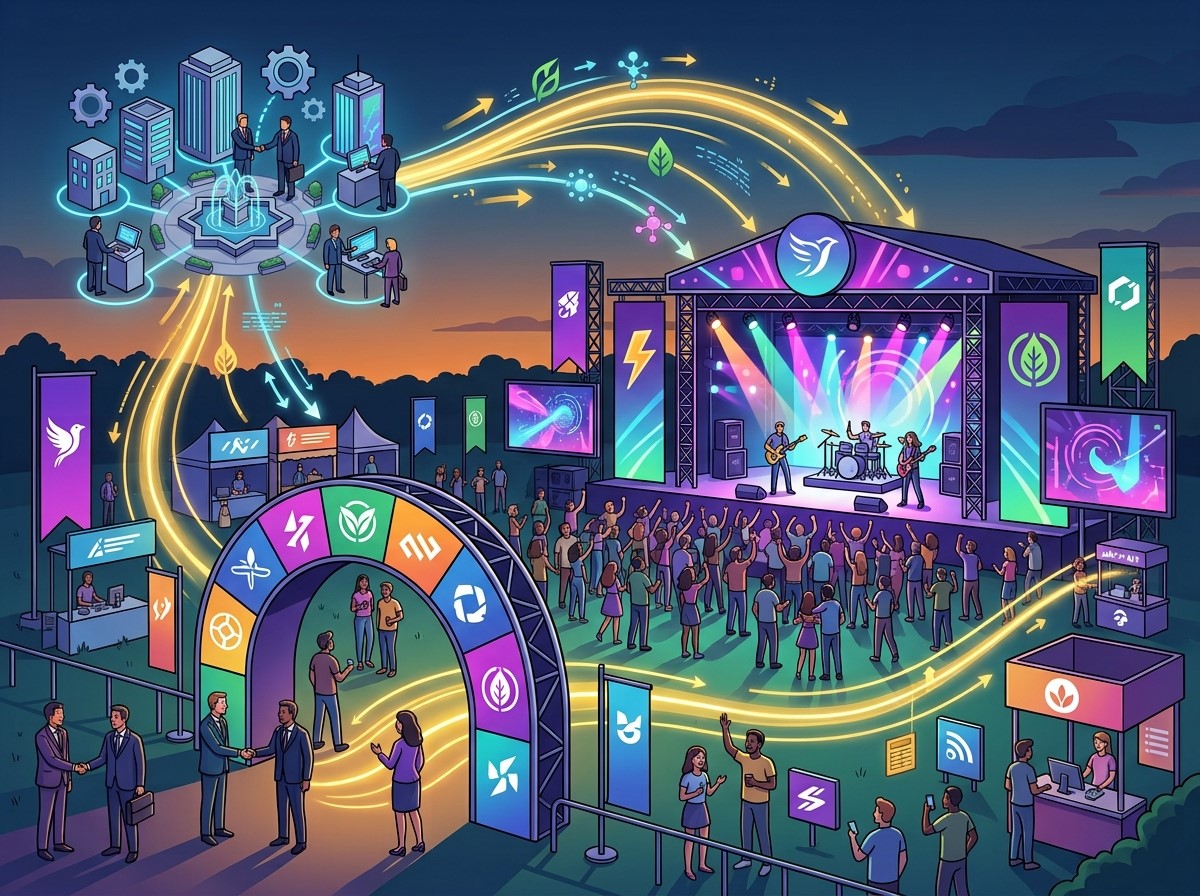
Event Sponsorship is a powerful marketing strategy that helps businesses connect with their target audiences, increase brand visibility, and create meaningful customer experiences. Instead of depending only on traditional advertising, companies can support events where potential customers are already gathered and engaged. Conferences, trade shows, sports events, community programs, business seminars, and virtual events can all provide valuable sponsorship opportunities.
A successful sponsorship goes beyond displaying a company logo. It can create direct customer interactions, generate leads, strengthen credibility, and build long-term relationships. With the right Sponsorship Strategy, businesses can turn events into valuable marketing channels that support both short-term campaigns and long-term growth.
Why Event Sponsorship Matters for Business Growth
Event Sponsorship gives businesses the opportunity to reach audiences in an environment where people are actively participating and paying attention. When a company sponsors an event that matches its target market, the brand becomes part of the overall experience rather than simply appearing in an advertisement.
One major advantage is direct engagement. Customers can interact with products, speak with representatives, participate in activities, and learn more about the company. These interactions can make a business more memorable and create stronger relationships with potential customers.
Sponsorship can also improve credibility. When a business supports a respected industry event, professional organization, or community initiative, the association can positively influence how people perceive the brand. Consistent involvement in relevant events can help establish authority and trust.
Creative Event Sponsorship Ideas
Create an Interactive Brand Experience
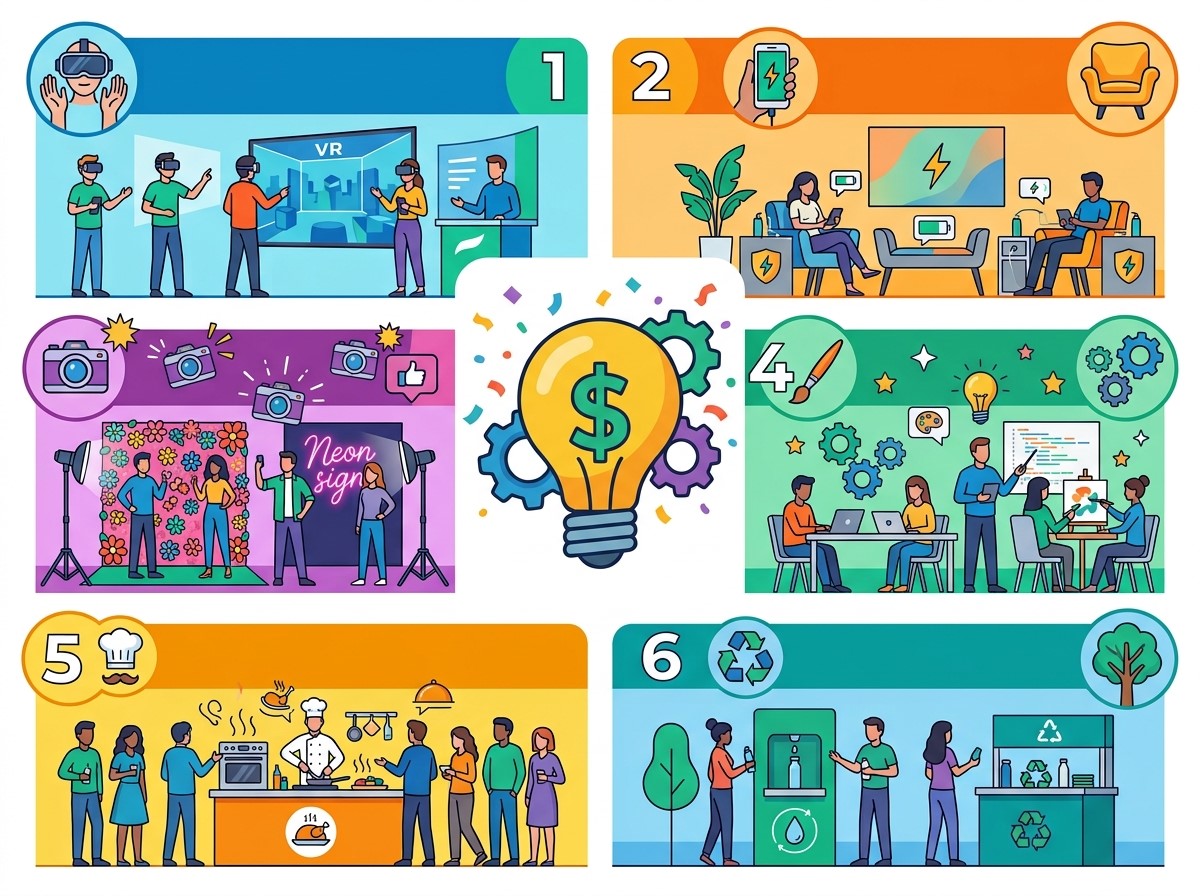
Businesses can make their sponsorship more memorable by creating interactive experiences. Instead of simply displaying banners or logos, sponsors can invite attendees to participate in games, demonstrations, quizzes, challenges, or product experiences.
For example, a technology company could create an interactive demonstration showing how its software solves a common business problem. A fitness company could organize a short fitness challenge during a health-focused event.
Interactive experiences give attendees a reason to spend more time with the brand and can create memorable associations that continue after the event.
Design a Social Media-Worthy Experience
Social media can significantly increase the reach of a sponsorship. Businesses can create attractive photo areas, branded installations, interactive displays, or event challenges that encourage attendees to share their experiences online.
A creative experience can generate user-created content and introduce the brand to people who are not physically attending the event. Businesses can also develop a unique event hashtag to make shared content easier to discover. The goal should be to create something genuinely interesting rather than simply asking attendees to promote the company.
Offer Exclusive Giveaways
Giveaways can attract attention and encourage people to interact with a sponsored brand. Instead of choosing generic promotional products, businesses should provide items that are useful and relevant to their target audience.
Exclusive merchandise, limited-edition products, digital rewards, discount offers, and event-specific prizes can make the sponsorship more appealing. Businesses can connect giveaways with simple engagement activities to encourage visitors to explore their products or services. A well-designed giveaway can create excitement while increasing brand recall.
Sponsor a Networking Lounge
A networking lounge can be an effective sponsorship opportunity for conferences, business events, and professional gatherings. A company can create a comfortable area where attendees can meet, communicate, and develop professional relationships.
The sponsor can provide useful facilities such as charging stations, refreshments, comfortable seating, or educational materials. Branding can be incorporated naturally throughout the space without making the environment feel overly promotional.
This type of sponsorship can position the company as a business that supports professional communities and meaningful connections.
Host an Educational Session
Educational content can create deeper engagement than traditional promotional messages. Businesses can sponsor workshops, panel discussions, expert presentations, and training sessions that provide useful information to attendees.
For example, a digital marketing company could sponsor a session about emerging marketing trends, while a technology company could support a workshop about digital transformation.
Educational sponsorship allows businesses to demonstrate expertise while providing genuine value to the audience. When the content is useful, attendees are more likely to remember the sponsoring brand.
Build Strong Brand Partnerships
Choose Partners With Similar Audiences
Successful Brand Partnerships usually depend on audience relevance. Businesses should look for event organizers, companies, influencers, and organizations that reach audiences similar to their target customers.
A large audience is not always the most valuable audience. A smaller event with highly relevant attendees may generate better leads and stronger relationships than a large event where the audience has little interest in the sponsor’s products.
Before entering a partnership, businesses should consider the event’s audience, reputation, engagement level, industry relevance, and previous sponsorship performance.
Create Co-Branded Experiences
Co-branded experiences allow two complementary businesses to work together and create additional value for attendees. This approach can expand audience reach because both companies can promote the event through their existing marketing channels.
For example, a fitness brand could partner with a healthy food company to create a wellness experience. A software company could collaborate with a business consulting firm to organize an educational technology event. The partnership should make sense for both audiences and provide a clear benefit to attendees.
Develop a Sponsorship Strategy Around Business Goals

Define Clear Objectives
Every sponsorship should have a specific objective. A business may want to increase brand awareness, generate qualified leads, promote a new product, strengthen customer relationships, or enter a new market.
Defining these goals before choosing an event makes the sponsorship more focused. It also makes it easier to determine whether the investment was successful.
For example, a company focused on lead generation should choose an event that provides opportunities for direct interaction. A business focused on awareness may prioritize events with strong media exposure and social engagement.
Select the Right Event
Choosing the right event is one of the most important parts of a Sponsorship Strategy. Businesses should evaluate whether an event matches their audience, industry, brand values, budget, and marketing goals.
Event size should not be the only consideration. Audience quality, engagement opportunities, event reputation, promotional support, location, and sponsorship benefits can have a major impact on results. A carefully selected event creates a stronger foundation for successful sponsorship activation.
Plan Effective Sponsorship Activation
Sponsorship activation involves the activities that turn a sponsorship into an engaging brand experience. Simply having a logo displayed at an event may not generate meaningful interaction.
Businesses should determine how attendees will interact with the brand before, during, and after the event. Product demonstrations, educational sessions, contests, networking activities, digital experiences, and exclusive offers can all strengthen activation. A successful activation should reflect the brand’s identity while providing something valuable to attendees.
Extend Event Reach Through Digital Marketing
Promote the Event Before It Starts
Sponsorship promotion should begin before the event. Businesses can use social media, email campaigns, websites, blogs, and other digital channels to announce their involvement.
Pre-event promotion can build anticipation and encourage potential customers to attend. Businesses can share event previews, behind-the-scenes content, speaker information, and details about their sponsorship activities. Early promotion also gives the company more opportunities to communicate its message before attendees arrive.
Continue Engagement After the Event
The relationship with attendees should not end when the event finishes. Businesses can send follow-up messages, share event highlights, provide useful resources, and offer special promotions.
Post-event communication is especially important when the sponsorship generates leads. Timely follow-up can help move potential customers from initial awareness toward deeper engagement and eventual conversion. Businesses can also use attendee feedback to improve future sponsorship campaigns.
Use Technology to Improve Sponsorship Experiences
Technology can make sponsorship more interactive, convenient, and measurable. QR codes can connect attendees to landing pages, product information, registration forms, special offers, or digital resources.
Interactive screens, digital surveys, event apps, and virtual experiences can also increase engagement. These technologies allow businesses to collect useful information while creating a smoother attendee experience.
Virtual and hybrid events offer additional opportunities. Sponsors can participate through online workshops, webinars, virtual booths, digital networking sessions, and interactive presentations. Technology can therefore help businesses extend their sponsorship beyond the physical event location.
Measure Event Sponsorship Performance
Measuring results is essential for determining whether an Event Sponsorship investment is delivering value. Businesses can track website traffic, lead generation, social media engagement, event participation, brand mentions, customer inquiries, registrations, and sales influenced by the event.
The right metrics depend on the campaign objective. A brand awareness campaign may focus on reach and engagement, while a lead-generation campaign may prioritize qualified leads and conversions.
Performance data can also help businesses compare different events. Over time, companies can identify which event types, audiences, partnerships, and activation methods provide the strongest results.
Common Event Sponsorship Mistakes
One common mistake is choosing an event simply because it is large or well known. A popular event does not necessarily provide access to the right customers. Audience relevance should always be considered when evaluating sponsorship opportunities.
Another mistake is focusing too heavily on logos and banners. While visual branding is useful, attendees are more likely to remember a company when they have a valuable or enjoyable interaction with it.
Failing to follow up is another major problem. Businesses can lose valuable leads when they do not communicate with attendees after the event. Unclear objectives can also make sponsorship difficult to measure. Companies should establish clear goals before investing their budget and resources.
Create Long-Term Sponsorship Value
A single event can generate awareness, but long-term sponsorship relationships can create even greater value. When a company repeatedly supports relevant events, audiences may begin to recognize it as an active and trusted participant within its industry.
Long-term relationships with event organizers can also create opportunities for customized sponsorship packages, speaking opportunities, exclusive activations, and co-marketing campaigns.
Businesses should therefore view sponsorship as more than a one-time advertising expense. It can become a relationship-building strategy that creates value for the company, event organizers, partners, and attendees.
How Event Sponsorship Supports Brand Partnerships
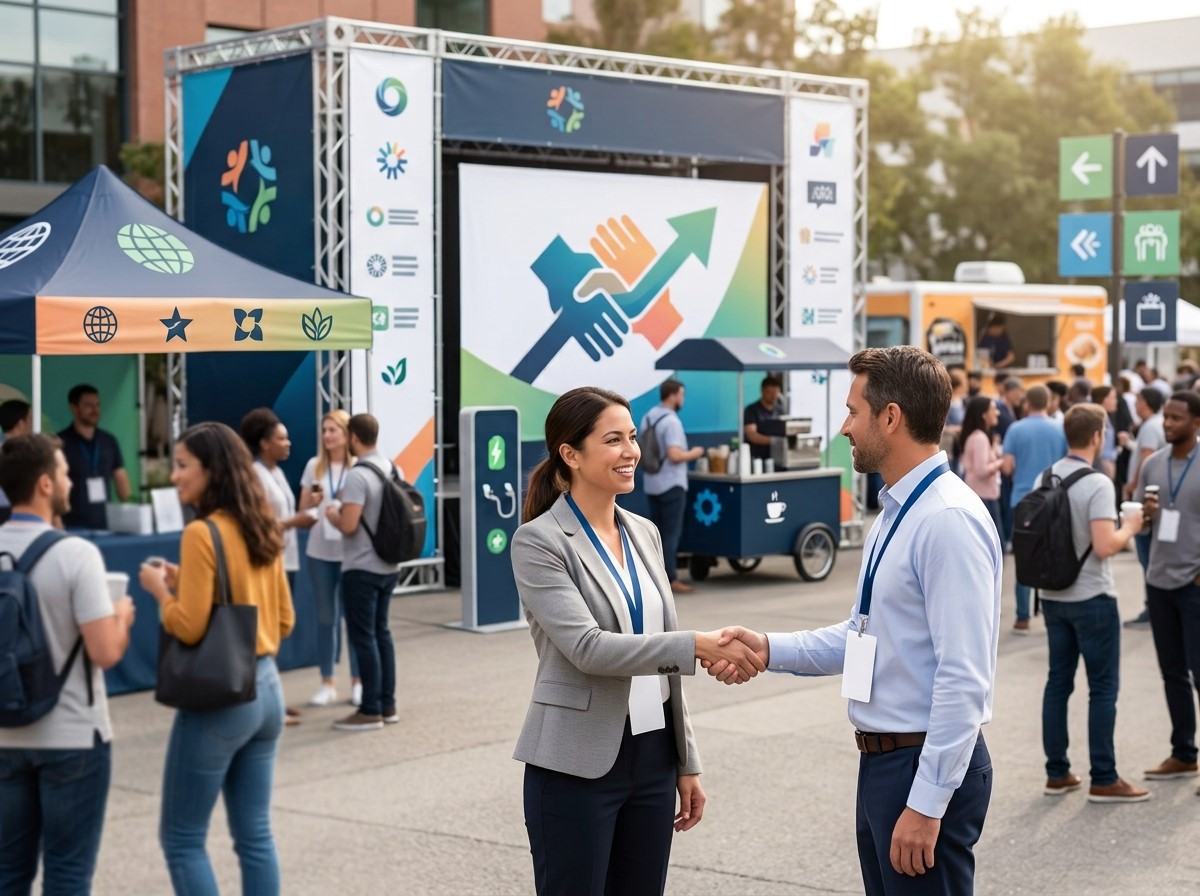 Event sponsorship can create opportunities for businesses to develop valuable relationships with complementary brands. When companies work together around a shared audience, they can combine resources and expand their marketing reach.
These partnerships can lead to co-created content, joint promotions, collaborative events, referral opportunities, and new customer acquisition channels.
The most successful partnerships are based on mutual value. Both brands should have clear objectives and contribute something meaningful to the overall event experience.
How to Make Your Sponsorship More Memorable
A memorable sponsorship should provide an experience rather than simply communicate a sales message. Attendees should have a reason to interact with the company and remember what happened.
Businesses can focus on personalization, useful educational content, creative demonstrations, interactive activities, exclusive offers, and opportunities for social sharing.
The experience should also remain consistent with the company’s identity. When creativity and brand relevance work together, sponsorship can create stronger emotional connections with the audience.
Conclusion
Creative Event Sponsorship can help businesses increase brand awareness, engage target audiences, generate leads, and build valuable relationships. The most effective sponsorships go beyond logo placement by creating useful, memorable, and interactive experiences.
Businesses can improve results by selecting relevant events, developing strong Brand Partnerships, creating engaging activations, using digital marketing, and measuring performance. A clear Sponsorship Strategy ensures that every sponsorship investment supports a defined business objective.
Frequently Asked Questions
1. What is Event Sponsorship?
Event Sponsorship is a marketing arrangement where a business provides financial, promotional, or other support to an event in exchange for brand exposure and engagement opportunities. It helps companies connect with targeted audiences and increase visibility.
2. How can Event Sponsorship help grow a business?
Event Sponsorship can increase brand awareness, generate leads, improve credibility, and create direct customer interactions. It can also help businesses develop relationships with customers, industry professionals, and potential partners.
3. What are some creative sponsorship ideas?
Interactive brand experiences, social media activations, exclusive giveaways, educational sessions, networking lounges, digital experiences, and co-branded campaigns are effective creative sponsorship ideas.
4. What is a Sponsorship Strategy?
A Sponsorship Strategy is a structured plan for selecting sponsorship opportunities and using them to achieve specific business and marketing goals. It can include event research, budgeting, activation, promotion, and performance measurement.
5. How do I choose the right event to sponsor?
Businesses should evaluate the event’s audience, industry relevance, reputation, engagement opportunities, sponsorship benefits, location, cost, and alignment with business objectives.
6. Can small businesses benefit from Event Sponsorship?
Yes. Small businesses can sponsor local events, niche conferences, community programs, workshops, and industry gatherings. These opportunities can provide targeted exposure without requiring a very large marketing budget.
7. How does sponsorship increase brand awareness?
Sponsorship puts a business in front of an engaged audience through event branding, activities, presentations, social media, media exposure, and direct interactions. Memorable experiences can improve brand recognition.
8. What are Brand Partnerships?
Brand Partnerships are collaborative relationships between two or more businesses that work together to reach audiences, promote products, or create shared experiences. Sponsorships can become more valuable when complementary brands collaborate.
9. How can businesses measure sponsorship ROI?
Businesses can measure sponsorship performance through qualified leads, sales, website traffic, registrations, engagement, social mentions, conversions, and other metrics connected to their original objectives.
10. How can I make Event Sponsorship more memorable?
Businesses can create memorable sponsorships by offering interactive experiences, useful educational content, personalized engagement, exclusive offers, creative installations, and social media opportunities that encourage genuine audience participation.