Event Marketing is an effective strategy for building brand awareness, connecting with target audiences, and creating memorable brand experiences. Instead of relying exclusively on traditional advertising, businesses can use events to interact directly with potential customers, demonstrate their products or services, and communicate their brand values. Whether a company organizes a conference, participates in a trade show, hosts a product launch, or supports a community event, these activities can help people recognize and remember the brand.
Successful event marketing goes beyond organizing an event and attracting attendees. It involves creating meaningful experiences that encourage audience participation, strengthen customer relationships, and generate long-term brand recognition. Businesses can also improve their visibility through Event Sponsorship and effective Sponsor Engagement, allowing them to connect with relevant audiences through partnerships. With a well-planned Sponsorship Strategy, companies can increase exposure, build credibility, and measure the impact of their marketing investments.
Understanding Event Marketing and Brand Awareness
Event marketing involves promoting a brand, product, or service through planned events and audience experiences. Brand awareness refers to how familiar people are with a business and how easily they recognize or recall its name, products, or identity. Combining these approaches helps businesses create stronger connections with their target markets.
How Event Marketing Builds Brand Recognition
Events provide opportunities for audiences to experience a brand beyond digital advertisements or promotional messages. Attendees may interact with company representatives, explore products, participate in demonstrations, and learn about the business directly. These experiences can make a brand more memorable and help audiences understand what differentiates it from competitors.
Repeated exposure also contributes to recognition. When people encounter a brand through event signage, presentations, product displays, and follow-up communications, they become more familiar with its identity. Consistent branding across these touchpoints helps businesses develop a recognizable image and strengthen their position in the market.
Why Brand Awareness Matters for Business Growth
Brand awareness influences how customers discover, evaluate, and remember businesses. When consumers recognize a brand, they may be more likely to consider it during future purchasing decisions, particularly when they associate it with positive experiences and relevant solutions.
For businesses, stronger awareness can support customer acquisition, referral opportunities, and long-term brand loyalty. Event marketing contributes to these outcomes by creating direct interactions that make brands easier to understand and remember. However, awareness alone does not guarantee sales, so businesses should combine visibility efforts with valuable products, reliable service, and consistent customer communication.
Choosing the Right Events for Your Target Audience
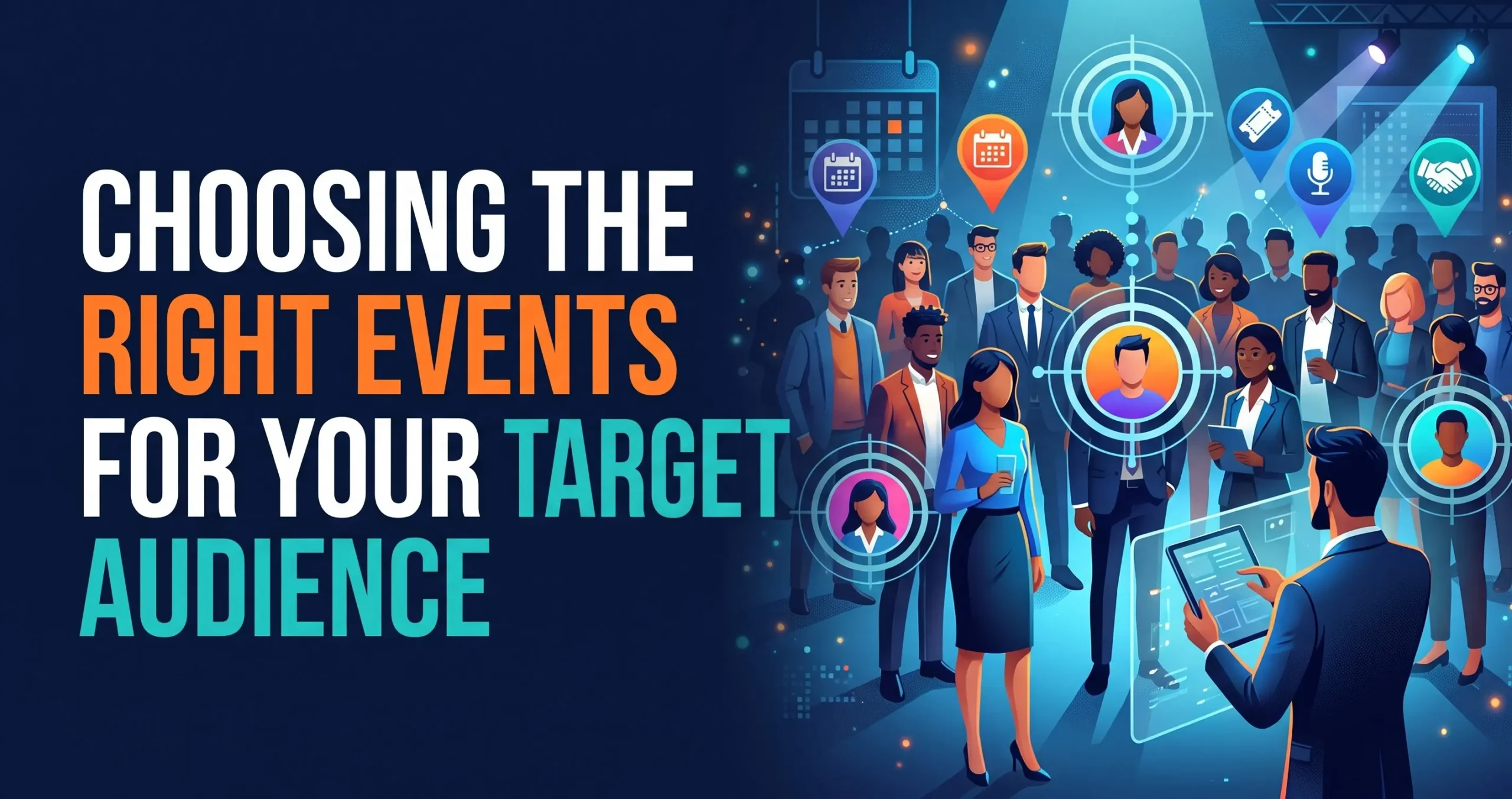 Selecting suitable events is essential for reaching people who are likely to be interested in a brand. Businesses should consider their target audience, marketing objectives, available budget, and the type of experience they want to create. A relevant event can generate more meaningful interactions than a larger event that attracts an unsuitable audience.
Industry Conferences and Trade Shows
Industry conferences and trade shows allow businesses to connect with professionals, potential customers, partners, and decision-makers. These events are particularly useful for companies that want to demonstrate expertise, introduce new products, and develop relationships within a specific industry.
A well-designed booth, informative presentation, or interactive demonstration can help a business attract attention and communicate its value. Companies should prepare clear messaging that explains how their products or services address customer needs. Collecting appropriate contact information and following up after the event can extend the impact beyond the initial interaction.
Community Events and Experiential Marketing
Community events, workshops, exhibitions, and interactive brand experiences allow businesses to connect with audiences in a more personal setting. These activities can help brands demonstrate their values, support local communities, and create experiences that attendees associate with the business.
Experiential marketing is especially useful when participation helps audiences understand a product or service. For example, a company can organize a practical demonstration or educational workshop that solves a common problem. When attendees find an event useful and enjoyable, they may share their experiences with others, increasing brand exposure through personal recommendations and social media.
The Importance of Event Sponsorship in Brand Awareness
Event Sponsorship allows businesses to gain visibility by supporting events organized by other organizations. Depending on the agreement, sponsors may receive logo placement, promotional mentions, exhibition space, speaking opportunities, or access to relevant audience activities. The effectiveness of sponsorship depends on the relationship between the brand, event, and audience.
Selecting Relevant Sponsorship Opportunities
Businesses should evaluate sponsorship opportunities according to audience relevance, event reputation, expected reach, and alignment with brand values. A sponsorship arrangement is more valuable when attendees match the company’s target market and the event provides appropriate opportunities to communicate the brand’s message.
Companies should also examine the benefits included in the sponsorship agreement. Logo visibility alone may not generate meaningful engagement if attendees have little interaction with the sponsor. Opportunities for demonstrations, educational sessions, networking, and audience participation can make sponsorship more valuable by creating direct connections between the brand and potential customers.
Creating Value Beyond Logo Placement
Effective sponsorship should offer value to both the event audience and the sponsoring business. Instead of focusing exclusively on displaying a logo, companies can provide useful resources, sponsor relevant activities, support educational sessions, or offer experiences that improve the event.
For example, a technology company sponsoring a business conference could provide a practical workshop related to a common industry challenge. This approach allows attendees to gain useful knowledge while helping the sponsor demonstrate expertise. When sponsorship activities are relevant and helpful, they can strengthen brand recognition and create more positive associations.
Improving Sponsor Engagement and Audience Participation
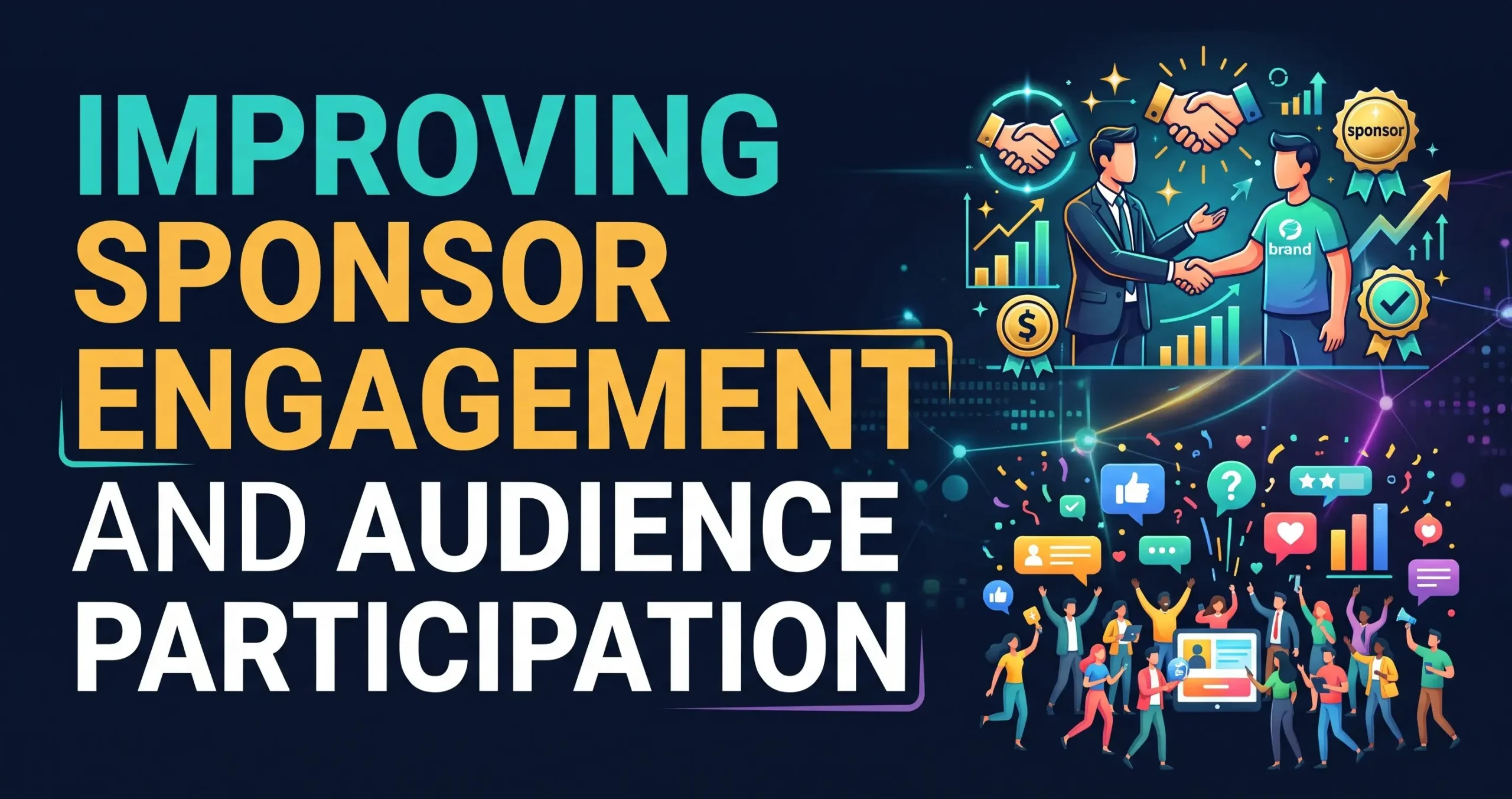 Sponsor Engagement refers to the ways sponsors interact with event attendees and encourage meaningful participation. Active engagement can make sponsorship more memorable than passive advertising because people have opportunities to ask questions, explore solutions, and experience the sponsoring brand directly.
Creating Interactive Sponsorship Experiences
Interactive experiences can include product demonstrations, live discussions, educational activities, networking sessions, or hands-on workshops. These opportunities encourage attendees to spend time with a brand and understand its offerings more clearly.
Businesses should choose activities that match the event’s purpose and audience expectations. A simple, relevant experience may be more effective than an elaborate activation that provides little practical value. Companies can also use event-specific landing pages, digital resources, and optional sign-up forms to help interested attendees continue interacting with the brand after the event.
Using Digital Channels to Extend Engagement
Digital platforms can extend event engagement before, during, and after an event. Businesses can use social media posts, event pages, email invitations, live updates, and post-event content to introduce their participation and encourage audience interaction.
Sponsors can also collaborate with event organizers to share useful information, publish interviews, or distribute educational content. These activities can expose the brand to people who cannot attend in person. Consistent messaging across digital and physical channels helps reinforce brand identity and provides additional opportunities for audiences to discover the business.
Developing an Effective Sponsorship Strategy
A clear Sponsorship Strategy helps businesses choose appropriate partnerships, allocate budgets, define expected outcomes, and evaluate performance. Without a structured approach, sponsorship decisions may be driven by popularity or visibility alone rather than meaningful business objectives. Strategic planning ensures that sponsorship activities support broader brand awareness goals.
Set Clear Goals and Performance Indicators
Businesses should define what they want to achieve before committing to an event or sponsorship agreement. Objectives may include increasing brand recognition among a specific audience, attracting qualified leads, growing social media engagement, or developing relationships with potential business partners.
Performance indicators should match these objectives. For example, a company focused on visibility may measure audience reach, branded search activity, and event-related mentions. A business prioritizing lead generation may track qualified contacts and subsequent conversions. Establishing these measurements before the event creates a consistent basis for evaluating results.
Build Long-Term Event Partnerships
Long-term partnerships can help businesses develop stronger relationships with event organizers and audiences. Sponsoring relevant events repeatedly may increase familiarity and demonstrate ongoing commitment to a particular industry or community.
However, businesses should evaluate each partnership rather than renewing automatically. They should review audience relevance, sponsor benefits, engagement quality, and measurable outcomes after every event. Adjusting the partnership based on performance helps companies improve their investment decisions and maintain alignment between sponsorship activities and changing marketing goals.
Measuring the Impact of Event Marketing
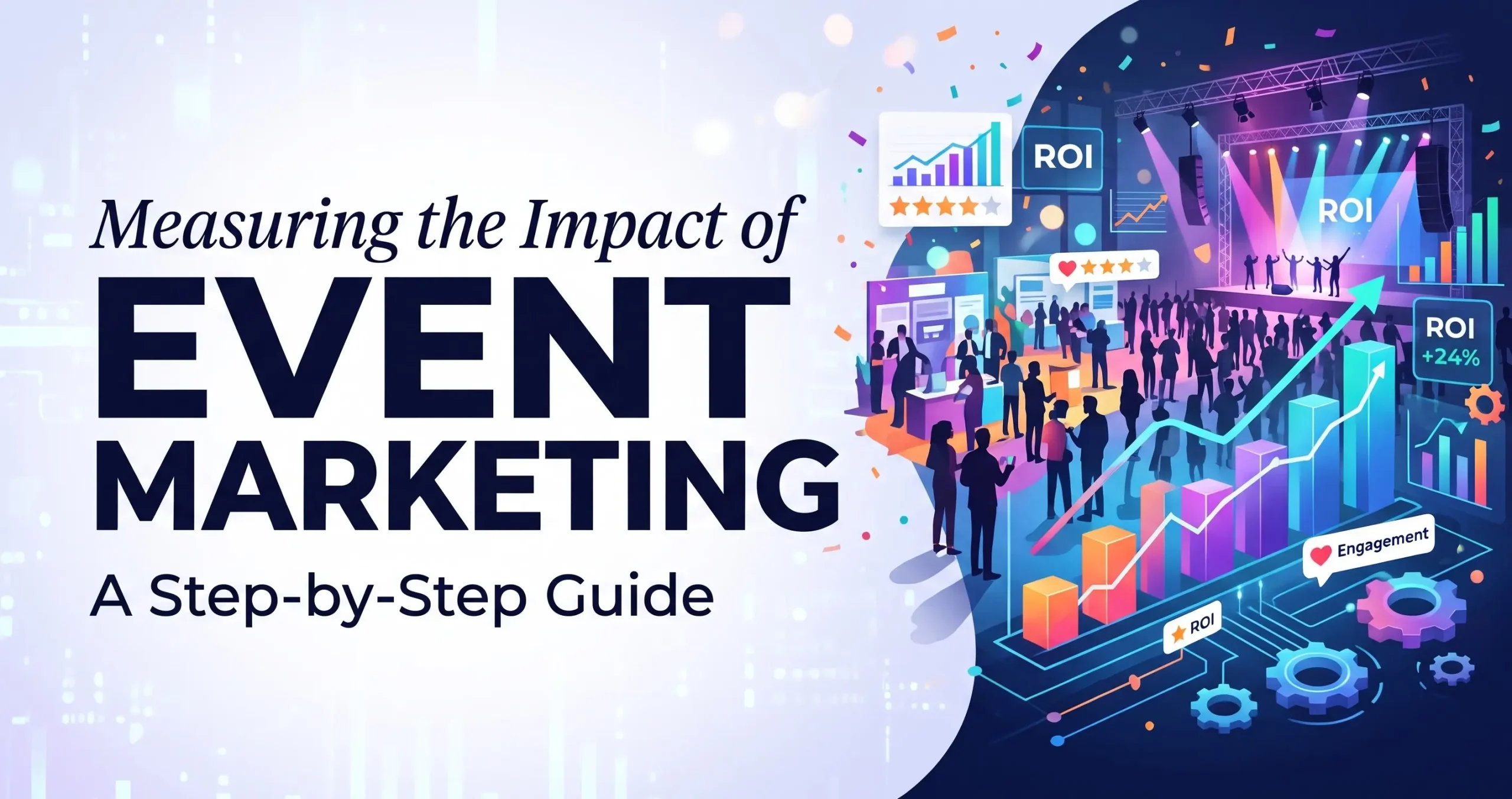 Measuring performance helps businesses understand whether event marketing activities are increasing brand awareness and delivering meaningful results. Evaluation should include both immediate indicators, such as attendance and engagement, and longer-term outcomes, such as brand recall, website visits, qualified leads, and customer relationships.
Track Reach, Engagement, and Brand Recall
Reach measures how many people may have encountered the brand through an event, while engagement reflects how actively attendees interacted with its activities. Businesses can review attendance figures, booth visits, participation rates, social media interactions, and content engagement to understand the extent of audience involvement.
Brand recall surveys can provide additional insight into whether attendees remember the company after the event. Businesses may ask participants which sponsors they recall or what they associate with a particular brand. These results should be interpreted alongside other metrics because attendance and impressions alone do not prove that awareness or brand perception has improved.
Evaluate Leads and Return on Investment
Businesses can measure event-generated leads by tracking relevant inquiries, consultation requests, registrations, and other actions connected to the event. When appropriate tracking systems are available, companies can also assess whether these contacts later become customers.
Return on investment requires comparing the value generated with the total cost of participation, including sponsorship fees, event preparation, promotional materials, staffing, and follow-up activities. Some brand awareness benefits develop over time, so businesses should avoid judging an event solely by immediate sales. Combining short-term and long-term measurements provides a more balanced evaluation of effectiveness.
Conclusion
Event Marketing provides businesses with opportunities to build brand awareness through direct interactions, memorable experiences, and meaningful audience connections. By selecting relevant events, creating valuable activities, and maintaining consistent branding, companies can help audiences recognize their identity and understand their offerings.
Event Sponsorship, effective Sponsor Engagement, and a carefully planned Sponsorship Strategy can further strengthen these efforts by connecting brands with relevant communities and industry audiences. However, successful results require clear objectives, thoughtful execution, and reliable performance measurement. Businesses that continuously evaluate their event marketing activities can identify what works, improve future campaigns, and develop stronger relationships that support long-term brand growth.
Frequently Asked Questions
1. What is event marketing?
Event marketing is a promotional approach that uses events and experiences to connect businesses with target audiences. It can include conferences, trade shows, product launches, workshops, exhibitions, and sponsored activities designed to increase awareness and encourage engagement.
2. How does event marketing build brand awareness?
Event marketing builds brand awareness by introducing businesses to relevant audiences through direct interactions and memorable experiences. Consistent branding, product demonstrations, audience participation, and post-event communication can help people recognize and remember a company.
3. What is the role of Event Sponsorship in brand awareness?
Event Sponsorship allows businesses to gain exposure by supporting relevant events. Depending on the agreement, sponsors may benefit from logo placement, presentations, promotional activities, and direct audience interactions that improve brand visibility.
4. How can businesses improve Sponsor Engagement?
Businesses can improve Sponsor Engagement by offering useful demonstrations, interactive activities, educational sessions, and relevant resources. Encouraging meaningful participation helps attendees understand the brand and creates opportunities for continued communication after the event.
5. What makes a successful Sponsorship Strategy?
A successful Sponsorship Strategy aligns event selection with business objectives, audience relevance, brand values, and budget. It also establishes clear performance indicators and evaluates whether sponsorship activities generate meaningful awareness, engagement, or qualified leads.
6. Which events are best for building brand awareness?
The most suitable events depend on the target audience and business objectives. Industry conferences, trade shows, community activities, workshops, and experiential marketing events can all support brand awareness when they attract relevant participants.
7. How can businesses measure event marketing success?
Businesses can evaluate event marketing through attendance, audience reach, engagement rates, brand recall, social media interactions, qualified leads, and conversions. Comparing these results with campaign objectives helps determine whether an event achieved its intended outcomes.
8. Is event marketing suitable for small businesses?
Yes. Small businesses can organize workshops, attend local events, participate in community activities, or collaborate with relevant organizations. Choosing manageable events with clearly defined goals can help smaller companies build awareness without requiring a large marketing budget.
9. How does digital marketing support event marketing?
Digital marketing promotes events through websites, email campaigns, social media, online advertisements, and post-event content. These channels can attract attendees, extend sponsor visibility, and maintain audience engagement beyond the physical event.
10. How can businesses improve future event marketing campaigns?
Businesses can improve future campaigns by reviewing performance data, collecting attendee feedback, evaluating sponsorship benefits, and identifying successful activities. Applying these insights to event selection, messaging, and audience engagement can make future campaigns more effective.