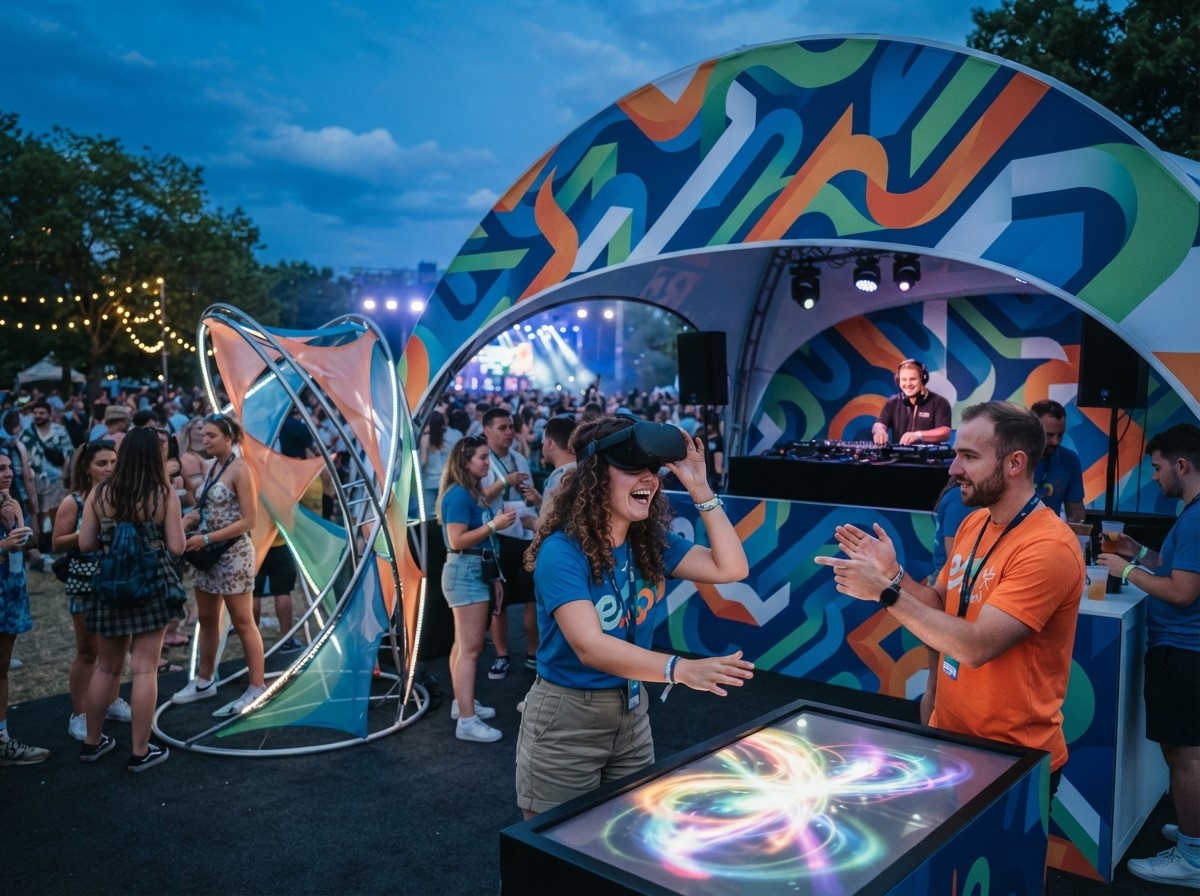
Sponsorship Activation has become an important marketing approach for brands that want to gain meaningful visibility and connect with audiences beyond traditional advertising. Simply placing a logo on an event banner or sponsoring an activity may create awareness, but activation turns that sponsorship into an interactive brand experience.
A well-planned activation can give audiences opportunities to interact with a brand through events, social media campaigns, experiences, contests, content, product demonstrations, and other activities. These interactions can make a sponsorship more memorable and provide additional opportunities for customers to recognize and engage with a brand.
What Is Sponsorship Activation?
Sponsorship Activation refers to the marketing activities a brand uses to maximize the value of a sponsorship. Instead of relying only on passive brand exposure, activation creates opportunities for audiences to interact directly with the sponsor.
These activities can include live experiences, social campaigns, branded content, giveaways, competitions, product demonstrations, influencer collaborations, and audience participation.
Turning Sponsorship Into an Experience
A sponsorship becomes more valuable when audiences can actively experience the brand. For example, a company sponsoring a sports event might create an interactive activity where attendees can participate, receive useful information, or engage with branded experiences. The objective is to make the sponsorship more noticeable and memorable.
Extending Visibility Beyond the Event
Sponsorship activation does not have to end when an event finishes. Brands can use photographs, videos, interviews, social posts, customer stories, and follow-up campaigns to continue the conversation. This allows a single sponsorship opportunity to generate visibility across multiple marketing channels.
How Sponsorship Activation Increases Brand Visibility
 Brand visibility depends not only on how many people see a brand but also on how meaningfully they interact with it. Sponsorship activation can create multiple touchpoints that increase opportunities for recognition.
A coordinated campaign can expose the brand to audiences through physical experiences, digital content, social media, and third-party conversations.
Creating Multiple Brand Touchpoints
A sponsored event can provide several opportunities for audience interaction. Branding may appear through event spaces, promotional materials, digital content, social media posts, activities, and product experiences. Multiple touchpoints can reinforce brand recognition when the messaging and visual identity remain consistent.
Encouraging Audience Participation
Interactive experiences can attract attention more effectively than passive branding alone. Games, challenges, demonstrations, contests, and social activities can encourage people to spend more time engaging with a brand. The experience can also generate content that audiences share with their own networks.
The Role of a Strong Sponsorship Strategy
A clear Sponsorship Strategy provides the foundation for successful activation. Brands need to determine what they want to achieve, which audience they want to reach, and how the sponsorship fits within broader marketing objectives.
Without clear planning, a sponsorship may generate visibility without creating meaningful business value.
Defining Clear Objectives
Brands should establish measurable objectives before launching an activation. Goals may include increasing brand awareness, generating leads, encouraging product trials, growing social engagement, supporting customer relationships, or reaching a new audience. Clear objectives make it easier to select suitable activation activities and evaluate performance.
Choosing the Right Audience
Audience alignment is an important part of sponsorship planning. A sponsorship can create significant exposure, but that exposure becomes more relevant when the audience matches the brand’s target market.
Brands should consider audience demographics, interests, behaviors, geographic reach, and engagement patterns when evaluating sponsorship opportunities.
Using Influencer Sponsorship to Expand Reach
Influencer partnerships can extend sponsorship campaigns beyond the physical event or sponsored activity. An Influencer Sponsorship can introduce the brand to an established audience through content that feels more personal and interactive.
Influencers can create videos, posts, stories, live sessions, reviews, or event coverage connected to the sponsorship.
Creating Authentic Sponsored Content
Influencer content can be more effective when it fits naturally with the creator’s usual content style and audience interests. Overly promotional messaging may feel disconnected from the audience.
Brands can provide clear campaign objectives while allowing creators appropriate creative flexibility.
Extending Event Visibility
Influencers can generate awareness before an event, create real-time content during the event, and share follow-up content afterward.
This approach can extend the lifespan of a sponsorship and provide additional opportunities for audiences who were not physically present to discover the brand.
Corporate Sponsorship and Brand Visibility
 Corporate Sponsorship can help businesses associate their brands with events, organizations, initiatives, and causes that align with their strategic objectives.
The value of corporate sponsorship often depends on how effectively the business activates the partnership and communicates its involvement to relevant audiences.
Building Brand Associations
A sponsorship can connect a brand with a particular event, industry, community, or activity. These associations can contribute to how audiences perceive the brand when the partnership is relevant and communicated consistently.
The relationship should be supported by meaningful activities rather than relying only on logo placement.
Supporting Business Relationships
Corporate sponsorships can also create opportunities to engage employees, customers, partners, industry professionals, and other stakeholders.
Private events, networking opportunities, demonstrations, and branded experiences can provide additional ways to activate the sponsorship.
Digital Channels for Sponsorship Activation
Digital marketing can significantly expand the reach of sponsorship campaigns. Social media, websites, email, video platforms, and online communities can help brands communicate sponsorship activities to audiences beyond the event location.
Social Media Campaigns
Social media can be used to announce sponsorships, introduce event activities, share behind-the-scenes content, publish live updates, and highlight audience participation.
Hashtag campaigns, short-form videos, polls, contests, and user-generated content can create additional opportunities for interaction.
Video and Live Content
Video can capture the atmosphere of an event and communicate the brand experience to a broader audience. Live streams, interviews, event highlights, and short videos can help maintain attention throughout the campaign. Video content can also continue generating visibility after the event.
Creating Interactive Brand Experiences
Interactive experiences can make sponsorships more memorable because audiences actively participate rather than simply seeing branded materials.
Brands can use technology, games, demonstrations, challenges, photo opportunities, and product experiences to create engaging activation campaigns.
Experiential Marketing Activities
Experiential activities allow audiences to interact with a product, service, or brand in a practical setting. For example, a technology company might allow event attendees to test a new product.
These experiences can give customers a better understanding of what the brand offers while creating opportunities for direct interaction.
Contests and Challenges
Contests and challenges can encourage participation while generating additional digital content. Participants may share their experiences on social media, increasing the campaign’s organic reach.
The activity should be simple enough to understand and relevant to the event and target audience.
Using Content to Extend Sponsorship Visibility
Content marketing can help transform a temporary sponsorship into a longer-term campaign. Brands can create articles, videos, interviews, social posts, case studies, event recaps, and customer stories around the sponsorship.
Pre-Event Content
Before an event, brands can introduce the partnership, announce activities, share schedules, and create anticipation.
Pre-event content can encourage audiences to learn more about the brand and prepare for the activation.
Post-Event Content
After the event, brands can publish highlights, audience reactions, photographs, videos, interviews, and key moments.
Post-event content can keep the sponsorship visible and provide additional material for social media, websites, newsletters, and other marketing channels.
Encouraging User-Generated Content
User-generated content can extend the reach of sponsorship activation because audiences become participants in the marketing campaign.
Customers and event attendees may share photographs, videos, reviews, experiences, and social media posts featuring the brand.
Creating Shareable Experiences
People are more likely to share experiences that are interesting, useful, entertaining, or visually appealing. Brands can design activation areas and activities that naturally encourage social sharing.
The objective should be to create genuine participation rather than forcing customers to promote the brand.
Featuring Audience Contributions
Brands can highlight selected customer posts, event photographs, videos, or testimonials through official social channels.
Featuring audience contributions can encourage additional participation and make customers feel connected to the campaign.
Measuring Sponsorship Activation Performance
 Measuring results is essential for understanding whether a sponsorship activation achieved its intended objectives. Brands should define relevant metrics before the campaign begins.
Tracking Reach and Engagement
Digital reach, impressions, video views, social interactions, website traffic, content shares, and campaign mentions can help measure visibility.
Engagement metrics can provide additional insight into whether audiences actively interacted with the campaign rather than simply seeing it.
Measuring Business Outcomes
Depending on the campaign objectives, brands can also measure leads, product trials, sales, registrations, event attendance, customer inquiries, or other relevant outcomes.
Comparing results against campaign objectives can help businesses understand the value generated by the activation.
Common Sponsorship Activation Mistakes
Sponsorship activation can lose effectiveness when brands focus too heavily on exposure without creating meaningful audience experiences.
Relying Only on Logo Placement
Logo visibility can create awareness, but it may not be enough to generate meaningful engagement. Brands should consider how audiences can interact with the sponsorship.
Interactive experiences, content, social campaigns, and customer participation can provide additional value.
Choosing an Irrelevant Sponsorship
A high-profile sponsorship is not automatically appropriate for every brand. If the audience, event, or activity has little connection to the brand’s target market, visibility may not translate into meaningful engagement.
Strategic audience alignment should therefore be considered before committing to a sponsorship.
Best Practices for Successful Sponsorship Activation
A successful activation starts with clear objectives, strong audience understanding, and creative execution. Brands should plan how the sponsorship will be communicated before, during, and after the event or partnership. The activation should provide genuine value to the audience while supporting the brand’s broader marketing goals.
Businesses should also coordinate their sponsorship activities with social media, content marketing, influencer partnerships, email campaigns, and other relevant channels.
Conclusion
Sponsorship Activation can transform a basic sponsorship into a meaningful marketing experience that creates multiple opportunities for brand visibility and audience engagement. Through interactive experiences, digital campaigns, influencer partnerships, and user-generated content, brands can extend the reach of their sponsorship beyond simple event exposure.
A strong Sponsorship Strategy helps businesses select relevant opportunities, define objectives, identify target audiences, and measure campaign performance. Influencer Sponsorship can further expand reach, while Corporate Sponsorship can create valuable associations with events, organizations, and communities.
FAQs
1. What is Sponsorship Activation?
Sponsorship Activation refers to the marketing activities used to maximize the value of a sponsorship. It can include events, interactive experiences, social media campaigns, content, contests, influencer partnerships, and audience engagement activities.
2. How does Sponsorship Activation increase brand visibility?
It creates multiple opportunities for audiences to interact with and share a brand. Digital content, event experiences, social media, influencers, and user-generated content can extend visibility beyond the original sponsorship.
3. What is a Sponsorship Strategy?
A Sponsorship Strategy is a planned approach for selecting sponsorship opportunities, defining objectives, identifying target audiences, developing activation activities, and measuring campaign performance.
4. What is Influencer Sponsorship?
Influencer Sponsorship involves partnering with content creators to promote or activate a brand sponsorship through content such as videos, social posts, stories, live sessions, or event coverage.
5. What is Corporate Sponsorship?
Corporate Sponsorship is when a business financially or otherwise supports an event, organization, initiative, or activity in exchange for agreed promotional, branding, networking, or engagement opportunities.
6. Can sponsorship activation improve customer engagement?
Yes. Interactive activities, contests, demonstrations, social campaigns, and other experiences can encourage audiences to actively interact with a brand rather than simply viewing its logo.
7. How can social media support Sponsorship Activation?
Social media can promote sponsorships, share event content, encourage audience participation, publish live updates, distribute videos, and amplify user-generated content.
8. How can brands measure sponsorship activation?
Brands can measure reach, impressions, social engagement, website traffic, content interactions, leads, registrations, product trials, sales, and other metrics connected to their specific campaign objectives.
9. Why is audience alignment important in sponsorship?
Audience alignment helps ensure that the sponsorship reaches people who are relevant to the brand. A sponsorship that matches the target audience can create more meaningful opportunities for engagement.
10. What makes a Sponsorship Activation successful?
Successful activation generally combines clear objectives, relevant audience targeting, creative experiences, consistent communication, digital amplification, audience participation, and appropriate performance measurement.