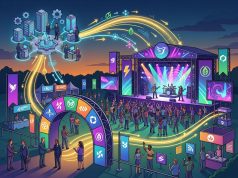
Brand Sponsorship has become an effective way for businesses to connect with new audiences, strengthen credibility, and create memorable brand experiences. Instead of relying only on traditional advertising, companies can use sponsorship opportunities to associate their brand with events, organizations, creators, communities, and causes that already have an engaged audience. When planned carefully, sponsorship can generate visibility while building stronger relationships with potential customers.
A successful sponsorship is more than placing a logo on an event banner. It requires a clear Sponsorship Strategy that connects the partnership with business objectives, audience interests, and measurable marketing outcomes. Businesses can also use Brand Partnerships to create mutually valuable opportunities that extend beyond a single campaign. Understanding the difference between reach and awareness is equally important when evaluating whether a sponsorship is actually delivering meaningful results.
What Is Brand Sponsorship?
Brand Sponsorship is a marketing approach where a business provides financial support, products, services, resources, or expertise to an event, organization, individual, project, or initiative in exchange for promotional and brand-building opportunities.
Sponsorships can take many forms. A company may sponsor a sports event, music festival, educational program, industry conference, charity campaign, online community, podcast, or influencer-led event.
The main objective is to create a positive association between the sponsor and the sponsored activity. When the audience already trusts or enjoys that activity, the brand can benefit from that existing connection.
Unlike direct advertising, sponsorship can feel more integrated into an audience’s experience. This makes it a useful strategy for companies that want to improve visibility while developing credibility and emotional connections.
Why Brand Sponsorship Matters for Business Growth
 Modern consumers are exposed to thousands of marketing messages every day. Because of this, businesses need creative ways to become recognizable without making every interaction feel like an advertisement.
Brand Sponsorship provides an opportunity to become part of experiences that audiences already value. A relevant sponsorship can introduce a company to potential customers in a natural and memorable environment.
Sponsorship can also support several marketing goals at the same time. It may increase exposure, encourage engagement, strengthen reputation, generate leads, and create opportunities for future partnerships. The key is relevance. A sponsorship works best when the audience, event, and brand have a logical connection.
Build a Clear Sponsorship Strategy
A strong Sponsorship Strategy should begin with clearly defined business goals. Before investing in an opportunity, businesses should understand exactly what they want to accomplish.
For example, a company may want to increase brand visibility in a new market, reach a specific demographic, promote a product launch, generate leads, or strengthen its reputation.
Define Your Target Audience
Understanding the target audience is one of the most important parts of sponsorship planning. Businesses should examine the demographics, interests, behaviors, and purchasing habits of the audience connected with the sponsorship opportunity.
An event may have thousands of attendees, but if those people are unlikely to become customers, the sponsorship may deliver limited business value. The right audience is often more valuable than a large audience.
Set Measurable Objectives
Sponsorship goals should be connected to measurable outcomes. Depending on the campaign, businesses can monitor website traffic, social engagement, branded searches, leads, event registrations, sales, media mentions, or customer interactions.
Clear objectives make it easier to determine whether the sponsorship generated a meaningful return.
Choose Sponsorship Opportunities That Match Your Brand
Not every sponsorship opportunity is suitable for every company. Businesses should evaluate opportunities based on audience relevance, brand values, visibility, engagement potential, and overall marketing objectives.
For example, a technology company may benefit from sponsoring an innovation conference, while a fitness brand may gain more value from a sports event or wellness initiative. The strongest sponsorships create a natural connection between the brand and the sponsored activity.
Use Brand Partnerships to Create More Value
 Brand Partnerships can take sponsorship campaigns beyond simple promotional placements. Two complementary businesses can work together to create experiences, content, products, or events that benefit both audiences.
For example, a fitness company could partner with a healthy food brand to sponsor a wellness event. Both companies can promote the event through their existing channels while introducing their products to a relevant audience.
These partnerships can expand exposure because each brand brings its own audience, resources, and marketing channels. A well-designed partnership can also reduce promotional costs because businesses share responsibilities and resources.
Create Memorable Brand Experiences
One of the strongest advantages of sponsorship is the ability to create direct experiences with an audience.
Simply displaying a logo may create visibility, but interactive experiences can make the brand more memorable. Businesses can organize demonstrations, contests, product trials, workshops, photo opportunities, educational sessions, or exclusive activities.
The goal should be to give people a reason to interact with the brand. When audiences actively participate in an experience, they are more likely to remember the company and associate it with something positive.
Connect Sponsorship With Content Marketing
Sponsorship should not be limited to the event itself. Businesses can extend the value of a sponsorship through content marketing.
Before an event, brands can publish announcements, interviews, behind-the-scenes content, educational articles, and social media posts. During the event, they can share live updates, short videos, audience reactions, and interactive content.
Afterward, brands can publish event recaps, customer stories, photographs, videos, and performance highlights. This approach allows one sponsorship opportunity to generate content across multiple channels.
Leverage Social Media for Greater Visibility
Social media can significantly increase the reach of a sponsorship campaign. Businesses can collaborate with event organizers, influencers, speakers, creators, and participants to generate additional exposure.
Branded hashtags, live content, short-form videos, polls, contests, and user-generated content can encourage audiences to participate in the campaign.
The most effective social strategy focuses on engagement rather than simply posting promotional messages. Encouraging people to share their experiences can create organic exposure that continues after the event ends.
Reach vs Brand Awareness: Understanding the Difference
Reach VS Brand awareness is an important consideration when evaluating sponsorship performance. Reach refers to the number of people who potentially see or encounter a brand message. Brand awareness is deeper because it involves whether people recognize and remember the brand. A sponsorship may reach thousands of people without creating strong awareness if the brand is not memorable or relevant to the audience.
For this reason, businesses should not judge sponsorship success only by impressions or audience size. They should also consider brand recall, engagement, website visits, searches, social interactions, and customer responses. A smaller sponsorship with a highly relevant audience can sometimes produce greater business value than a large event with an unrelated audience.
Strengthen Brand Credibility Through Sponsorship
Sponsorship can also help businesses build credibility. Supporting respected events, organizations, communities, or causes can influence how audiences perceive a company. However, authenticity is essential. Businesses should select opportunities that genuinely align with their values and market positioning.
When a sponsorship feels forced or unrelated, audiences may view it as a purely promotional activity. When the connection is natural, sponsorship can contribute to a stronger and more trustworthy brand image.
Support Product Launches With Sponsorship
Sponsorship can be particularly useful during product launches. Businesses can introduce a new product to an audience that already matches their ideal customer profile.
For example, a sports equipment company launching a new product could sponsor a relevant sporting event. The company could provide demonstrations, product trials, exclusive offers, and educational sessions.
This creates an environment where potential customers can discover the product through an experience rather than only through an advertisement.
Use Sponsorship to Enter New Markets
Businesses expanding into new regions can use sponsorship as a way to build local visibility. Supporting local events, community initiatives, professional organizations, or cultural activities can help a company become more familiar to a new audience.
Local sponsorship can also create relationships with community leaders, businesses, media organizations, and potential partners. This can be especially valuable for businesses that are entering competitive markets where established brands already have strong recognition.
Measure Sponsorship Performance
 Measuring results is essential for improving future campaigns. Businesses should establish key performance indicators before the sponsorship begins.
Important metrics may include website traffic, referral traffic, social media engagement, event attendance, lead generation, sales, media coverage, branded search activity, and customer feedback.
Businesses can also compare performance before, during, and after the campaign. This data can reveal which activities generated the strongest results and which areas should be improved.
Avoid Common Sponsorship Mistakes
One common mistake is choosing a sponsorship only because the event has a large audience. Audience size does not automatically translate into business value.
Another mistake is failing to activate the sponsorship. A company may pay for sponsorship rights but fail to create meaningful experiences around the opportunity.
Businesses should also avoid unclear goals, weak audience research, poor communication with event organizers, and inadequate measurement. A sponsorship should be treated as an integrated marketing campaign rather than a one-time promotional expense.
Make Sponsorship a Long-Term Strategy
The greatest value often comes from consistent sponsorship relationships rather than isolated campaigns. When a company repeatedly supports relevant events or organizations, audiences may become increasingly familiar with the brand.
Long-term Brand Partnerships can also create deeper collaboration opportunities, including co-branded campaigns, exclusive products, educational programs, and community initiatives. Businesses should review each sponsorship, identify successful elements, and use those insights to improve future campaigns.
Conclusion
Brand Sponsorship can help businesses expand their reach, strengthen awareness, build credibility, and connect with audiences through meaningful experiences. However, successful sponsorship requires more than financial investment. Businesses need a clear Sponsorship Strategy, relevant audiences, strong activation, creative content, and measurable objectives.
By developing meaningful Brand Partnerships and understanding the difference between reach and brand awareness, companies can make smarter sponsorship decisions. Whether the goal is launching a product, entering a new market, improving visibility, or strengthening customer relationships, the right sponsorship can become a powerful part of a broader marketing strategy.
Frequently Asked Questions
1. What is Brand Sponsorship?
Brand Sponsorship is a marketing strategy where a business supports an event, organization, person, project, or initiative in exchange for promotional and brand-building opportunities.
2. Why is Brand Sponsorship important?
Brand Sponsorship can help businesses increase visibility, reach relevant audiences, strengthen credibility, generate engagement, and create memorable brand experiences.
3. How do I create a Sponsorship Strategy?
Start by defining your business goals, identifying your target audience, researching relevant opportunities, setting measurable objectives, and planning how the sponsorship will be promoted.
4. What are Brand Partnerships?
Brand Partnerships are collaborations between two or more businesses that combine resources, audiences, or expertise to create mutual marketing and business benefits.
5. How can sponsorship increase brand awareness?
Sponsorship can increase brand awareness by placing a company within relevant events, communities, content, and experiences where potential customers already spend time.
6. What is the difference between reach and brand awareness?
Reach measures how many people may encounter a brand message, while brand awareness focuses on whether people recognize, remember, or associate the brand with a particular product or service.
7. Is sponsorship useful for small businesses?
Yes. Small businesses can benefit from local events, community initiatives, niche conferences, and targeted online sponsorships that provide access to highly relevant audiences.
8. How can social media support sponsorship campaigns?
Social media can extend sponsorship visibility through live updates, videos, branded hashtags, contests, influencer collaborations, user-generated content, and audience engagement.
9. How should businesses measure sponsorship success?
Businesses can measure website traffic, leads, sales, social engagement, media mentions, branded searches, event interactions, audience growth, and customer feedback.
10. Can sponsorship support a product launch?
Yes. Sponsorship can introduce new products to relevant audiences through demonstrations, product trials, exclusive offers, educational experiences, and event-based promotions.