Sponsorship Management plays an important role in helping businesses develop meaningful partnerships, increase brand visibility, and achieve long-term marketing objectives. Organizations invest in sponsorship opportunities to connect with relevant audiences, support valuable initiatives, and strengthen their market positions. However, successful sponsorship requires more than providing financial support or displaying a company logo at an event.
Businesses must identify suitable partners, establish clear expectations, manage agreements, monitor campaign performance, and maintain strong professional relationships. A well-organized sponsorship strategy ensures that both sponsors and recipients receive measurable value from their collaboration. By following effective management practices, companies can create sustainable partnerships that improve audience engagement, strengthen brand credibility, and support continued business growth.
Understanding Sponsorship Management and Its Importance
Sponsorship Management refers to the process of planning, developing, coordinating, and evaluating sponsorship activities between businesses, organizations, events, or individuals. It involves identifying opportunities that match business objectives and creating agreements that provide benefits to every participating party. Effective management ensures that sponsorship investments contribute to measurable outcomes rather than becoming isolated promotional activities. It also helps organizations maintain accountability and build professional relationships.
The Role of Sponsorship in Business Growth
Sponsorship provides businesses with opportunities to reach audiences through events, sports activities, educational programs, entertainment platforms, and community initiatives. These activities allow companies to introduce their brands in environments where potential customers already have relevant interests. When sponsorship opportunities align with business goals, organizations can increase recognition, strengthen credibility, and develop meaningful connections with their target markets.
Why Effective Management Matters
Without proper management, sponsorship activities may experience unclear expectations, inefficient spending, and inconsistent communication. A structured approach helps businesses define responsibilities, coordinate promotional activities, and evaluate partnership outcomes. It also reduces misunderstandings between sponsors and recipients by establishing clear agreements. Consistent management ensures that sponsorship relationships remain productive and continue delivering value throughout the collaboration.
Setting Clear Objectives for Successful Sponsorship Campaigns
 Every successful sponsorship campaign begins with clearly defined objectives. Businesses should understand what they want to achieve before selecting an event, organization, or sponsorship opportunity. Objectives may include improving brand awareness, reaching new audiences, generating leads, increasing customer engagement, or supporting community development. Clear goals provide direction for decision-making and make it easier to measure the overall effectiveness of sponsorship investments.
Identifying Business and Marketing Goals
Businesses should connect sponsorship activities with broader marketing and organizational priorities. For example, a company introducing a new product may prioritize audience exposure, while an established brand may focus on strengthening customer relationships. Understanding these differences helps organizations select suitable opportunities and allocate resources effectively. Clearly documented objectives also help marketing teams evaluate whether a sponsorship delivers meaningful business value.
Establishing Measurable Performance Indicators
Performance indicators help organizations understand whether sponsorship campaigns are achieving their intended results. Businesses can measure brand impressions, audience participation, website visits, qualified leads, social media engagement, and customer inquiries. Establishing these indicators before launching a campaign creates a consistent evaluation framework. It also allows sponsors to compare different opportunities and identify which partnerships provide the strongest results.
Choosing the Right Sponsorship Partners
Selecting suitable partners is one of the most important responsibilities in sponsorship management. Businesses should evaluate potential partners based on audience relevance, organizational reputation, shared values, communication quality, and campaign opportunities. A partnership may appear attractive because of its popularity, but it will not necessarily produce meaningful results if its audience does not match the sponsor’s target market. Careful research helps businesses make informed decisions.
Evaluating Audience Compatibility
Audience compatibility determines whether a sponsorship opportunity can connect a brand with potential customers. Businesses should examine audience demographics, interests, purchasing behavior, geographic reach, and engagement patterns before making commitments. A company targeting young professionals may benefit from sponsoring industry conferences or career development events. Matching sponsorship opportunities with audience expectations increases the possibility of meaningful interactions.
Researching Partner Reputation and Credibility
A potential partner’s reputation can directly influence how audiences perceive the sponsoring brand. Businesses should review previous sponsorship activities, public feedback, organizational values, and professional conduct before entering an agreement. Working with credible partners reduces reputational risks and supports long-term business relationships. Organizations should also consider whether a partner’s communication style and public image align with their own brand identity.
Developing a Strategic Sponsorship Approach
Strategic Sponsorship focuses on selecting and managing sponsorship opportunities that support specific business objectives. Instead of making decisions based only on visibility or popularity, companies evaluate how each opportunity contributes to their marketing strategy. This approach encourages businesses to consider audience relationships, partnership value, promotional opportunities, and measurable outcomes. A strategic framework also helps organizations prioritize investments and avoid unnecessary sponsorship expenses.
Aligning Sponsorship With Brand Identity
Sponsorship activities should reflect a company’s values, positioning, and communication style. When brands support initiatives that match their identity, audiences can understand the connection more naturally. For example, a technology company may sponsor innovation conferences, while a fitness brand may support sporting events. Consistent alignment strengthens brand recognition and makes sponsorship messages more authentic.
Creating Long-Term Sponsorship Plans
Long-term sponsorship planning helps businesses develop stronger relationships instead of depending entirely on individual campaigns. Organizations can create annual partnership schedules, establish renewal targets, and identify opportunities for future collaboration. Maintaining continuity allows sponsors and recipients to understand each other’s expectations more effectively. It also provides additional opportunities to improve campaign performance through experience and shared planning.
Building Strong Sponsorship Partnerships
 Successful Sponsorship Partnerships depend on mutual benefits, transparent communication, and clearly established responsibilities. Both parties should understand what they expect from the relationship and how success will be evaluated. Sponsors may provide financial resources, products, services, or promotional support, while recipients offer visibility, audience access, and engagement opportunities. When these contributions are balanced, partnerships become more sustainable and valuable.
Establishing Mutual Benefits
A successful partnership should provide meaningful advantages to both participating organizations. Sponsors should receive appropriate promotional exposure and opportunities to connect with relevant audiences, while recipients should receive resources that support their activities. Businesses should discuss expectations before finalizing agreements to ensure that both parties recognize the value of their contributions. Mutual benefits create a stronger foundation for continued collaboration.
Maintaining Transparent Communication
Regular communication helps sponsors and recipients coordinate activities, address challenges, and maintain consistent expectations. Both parties should discuss campaign progress, upcoming responsibilities, promotional requirements, and potential changes throughout the partnership. Clear communication also makes it easier to resolve misunderstandings before they affect campaign performance. Establishing regular reporting and review processes supports professional and reliable collaboration.
Understanding Corporate Sponsorship Opportunities
Corporate Sponsorship allows businesses to support events, organizations, educational initiatives, sports programs, and community activities in exchange for agreed promotional or strategic benefits. These arrangements can strengthen brand visibility while demonstrating a company’s involvement in relevant industries or communities. However, successful corporate sponsorship requires careful planning, suitable partner selection, and consistent evaluation to ensure that investments support organizational objectives.
Exploring Different Corporate Sponsorship Models
Corporate sponsorship can take different forms depending on the organization’s goals and the recipient’s requirements. Financial sponsorship provides direct monetary support, while in-kind sponsorship involves offering products, equipment, or professional services. Media sponsorship focuses on promotional coverage, and event sponsorship provides brand exposure through organized activities. Selecting an appropriate model helps businesses maximize the value of their contributions.
Supporting Community and Industry Initiatives
Businesses can strengthen their public image by supporting initiatives that contribute to community development or industry advancement. Educational programs, cultural events, sports activities, and professional conferences provide opportunities to connect with relevant audiences. These sponsorship activities can demonstrate corporate responsibility while creating positive brand associations. Organizations should choose initiatives that genuinely reflect their values rather than pursuing visibility alone.
Creating Effective Sponsorship Agreements
A sponsorship agreement establishes the responsibilities, expectations, and benefits associated with a partnership. It provides a formal framework that helps both parties understand their commitments and avoid unnecessary disagreements. Businesses should document financial contributions, promotional deliverables, timelines, exclusivity arrangements, reporting requirements, and termination conditions. Clear agreements improve accountability and make sponsorship activities easier to manage throughout the collaboration.
Defining Rights and Responsibilities
Sponsors and recipients should clearly understand what each party must provide during the partnership. Agreements may specify logo placement, event participation, promotional content, speaking opportunities, social media mentions, and other deliverables. Defining these responsibilities prevents confusion and ensures that promised benefits are delivered appropriately. Businesses should review all conditions carefully before approving a sponsorship arrangement.
Managing Sponsorship Budgets
Budget management helps businesses control sponsorship expenses and evaluate financial performance. Organizations should consider direct sponsorship fees, promotional production, event participation, travel expenses, and additional campaign costs when preparing their budgets. Allocating resources according to expected benefits prevents unnecessary spending. Regular financial reviews also help businesses determine whether a partnership continues to justify its investment.
Using Digital Marketing to Strengthen Sponsorship Results
Digital marketing provides additional opportunities to extend sponsorship visibility beyond physical events and traditional promotional channels. Businesses can use websites, social media platforms, email campaigns, and online content to communicate sponsorship activities to wider audiences. Combining digital promotion with traditional sponsorship benefits creates more opportunities for engagement. It also allows organizations to monitor audience responses and evaluate campaign performance more effectively.
Promoting Sponsorship Through Social Media
Social media platforms help businesses share sponsorship announcements, event updates, behind-the-scenes content, and audience experiences. Collaborative posts can introduce both partners to each other’s followers and encourage additional engagement. Consistent publishing before, during, and after sponsored activities helps maintain audience interest. Businesses should create relevant content rather than relying exclusively on promotional graphics and repeated brand mentions.
Creating Engaging Sponsorship Content
Content marketing can make sponsorship activities more meaningful by providing information that audiences find useful or entertaining. Businesses can publish interviews, event highlights, educational articles, short videos, and participant stories connected to their sponsored initiatives. This approach helps brands communicate their involvement naturally while giving audiences additional reasons to interact with their content.
Measuring Sponsorship Performance and Return on Investment
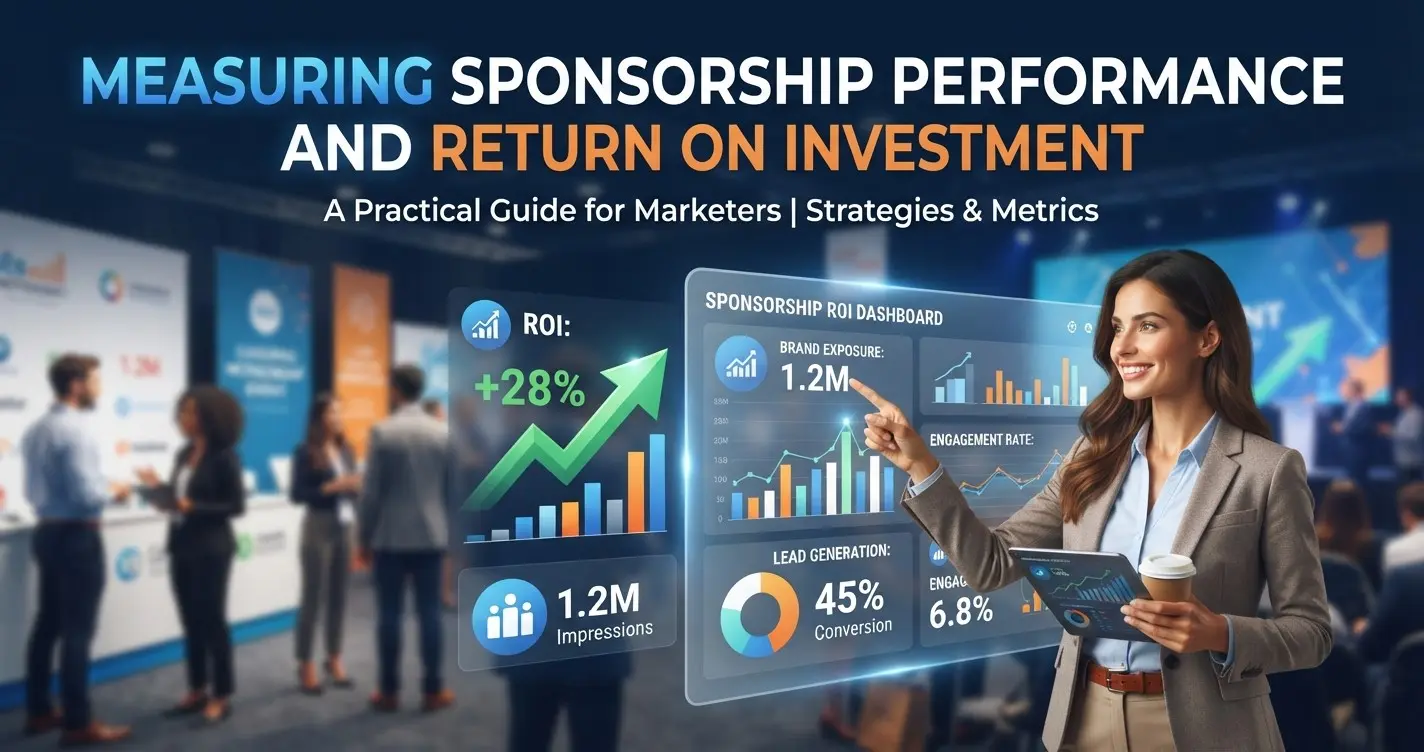 Measuring performance is essential for understanding whether sponsorship activities generate meaningful results. Businesses should evaluate both financial outcomes and non-financial benefits, including brand awareness, audience engagement, customer relationships, and reputation improvements. A comprehensive measurement process helps organizations identify successful partnerships and recognize areas that require improvement. Consistent evaluation also supports better sponsorship decisions in future campaigns.
Tracking Brand Awareness and Audience Engagement
Brand awareness measurements help businesses understand how sponsorship activities influence audience recognition and visibility. Organizations can review campaign reach, media mentions, social media impressions, website traffic, and audience interactions. Engagement indicators provide additional insights into how people respond to sponsored activities. Comparing these results with initial campaign objectives helps businesses evaluate overall effectiveness.
Evaluating Sponsorship Return on Investment
Return on investment helps organizations compare the value generated by sponsorship activities against their associated costs. Businesses can examine qualified leads, conversions, sales opportunities, customer acquisition, and other relevant outcomes. However, some sponsorship benefits develop over time and may not produce immediate financial returns. Companies should consider long-term brand value and relationship development alongside short-term performance indicators.
Common Sponsorship Management Mistakes Businesses Should Avoid
Even well-funded sponsorship campaigns can underperform when organizations overlook important management responsibilities. Poor partner selection, unclear agreements, inconsistent communication, and inadequate performance tracking can reduce campaign effectiveness. Businesses should understand these challenges before committing resources to sponsorship activities. Recognizing common mistakes helps organizations protect their investments and develop partnerships that produce sustainable benefits for everyone involved.
Choosing Partners Without Proper Research
Selecting partners based only on popularity or audience size can create problems when their interests do not match the sponsoring brand. Businesses should examine audience relevance, credibility, engagement quality, and organizational values before making decisions. Proper research helps reduce reputational risks and increases the possibility of achieving campaign objectives.
Ignoring Post-Campaign Relationship Management
Sponsorship responsibilities should not end immediately after an event or promotional campaign finishes. Businesses need to review performance, collect feedback, acknowledge partner contributions, and discuss future opportunities. Maintaining communication after a campaign demonstrates professionalism and creates opportunities for renewal. Strong follow-up practices can turn individual sponsorship activities into valuable long-term partnerships.
Conclusion
Sponsorship Management is essential for businesses that want to build valuable partnerships, strengthen brand recognition, and achieve sustainable marketing results. Successful sponsorship requires clear objectives, careful partner selection, transparent agreements, effective communication, and consistent performance evaluation.
By implementing Strategic Sponsorship practices, developing meaningful Sponsorship Partnerships, and exploring suitable Corporate Sponsorship opportunities, organizations can create mutually beneficial relationships. Businesses should also invest in digital promotion and long-term relationship management to maximize sponsorship value. A structured and customer-focused approach allows companies to improve brand visibility, strengthen credibility, and create opportunities for continued business growth.
Frequently Asked Questions (FAQs)
1. What Is Sponsorship Management?
Sponsorship Management is the process of planning, organizing, coordinating, and evaluating sponsorship activities between businesses and partner organizations. It includes selecting suitable opportunities, managing agreements, coordinating promotional activities, and measuring campaign results. Effective management helps both parties achieve their objectives.
2. Why Is Sponsorship Management Important for Businesses?
Sponsorship Management helps businesses increase brand awareness, connect with relevant audiences, and develop valuable professional relationships. It also ensures that sponsorship investments support specific marketing objectives. Proper management improves accountability and helps organizations maximize the benefits of their partnerships.
3. What Is Strategic Sponsorship?
Strategic Sponsorship involves selecting sponsorship opportunities that align with business objectives, target audiences, and brand identity. It focuses on long-term value rather than short-term promotional exposure. This approach helps businesses make informed investment decisions and develop more effective partnerships.
4. How Can Businesses Find the Right Sponsorship Partners?
Businesses can identify suitable partners by researching audience demographics, organizational reputation, shared values, and promotional opportunities. They should also evaluate previous sponsorship activities and expected benefits. Careful partner selection increases the likelihood of developing successful and sustainable relationships.
5. What Are Sponsorship Partnerships?
Sponsorship Partnerships are professional relationships in which one organization provides financial, material, or promotional support to another in exchange for agreed benefits. These arrangements can improve brand visibility, support events, and create opportunities for audience engagement and business growth.
6. What Is Corporate Sponsorship?
Corporate Sponsorship refers to financial or non-financial support provided by businesses to events, organizations, programs, or community initiatives. Companies typically receive promotional opportunities or other agreed benefits in return. These activities can strengthen brand recognition and demonstrate corporate involvement.
7. How Can Businesses Measure Sponsorship Success?
Businesses can measure sponsorship success through brand impressions, audience engagement, website traffic, media coverage, lead generation, and sales conversions. They should compare campaign results with their original objectives. Evaluating both immediate and long-term outcomes provides a more complete understanding of sponsorship performance.
8. What Should a Sponsorship Agreement Include?
A sponsorship agreement should explain financial commitments, promotional deliverables, responsibilities, timelines, exclusivity conditions, and reporting requirements. It should also include renewal and termination terms. Clearly documented agreements help prevent misunderstandings and protect the interests of both parties.
9. How Does Digital Marketing Improve Sponsorship Campaigns?
Digital marketing extends sponsorship visibility through social media, websites, email campaigns, and online content. Businesses can reach wider audiences and encourage interactions beyond physical events. Digital performance data also helps organizations evaluate engagement and identify opportunities for campaign improvement.
10. How Can Businesses Build Long-Term Sponsorship Relationships?
Businesses can develop long-term sponsorship relationships through transparent communication, mutual benefits, reliable commitments, and regular performance reviews. They should recognize partner contributions and discuss future opportunities after each campaign. Consistent relationship management creates trust and encourages continued collaboration.