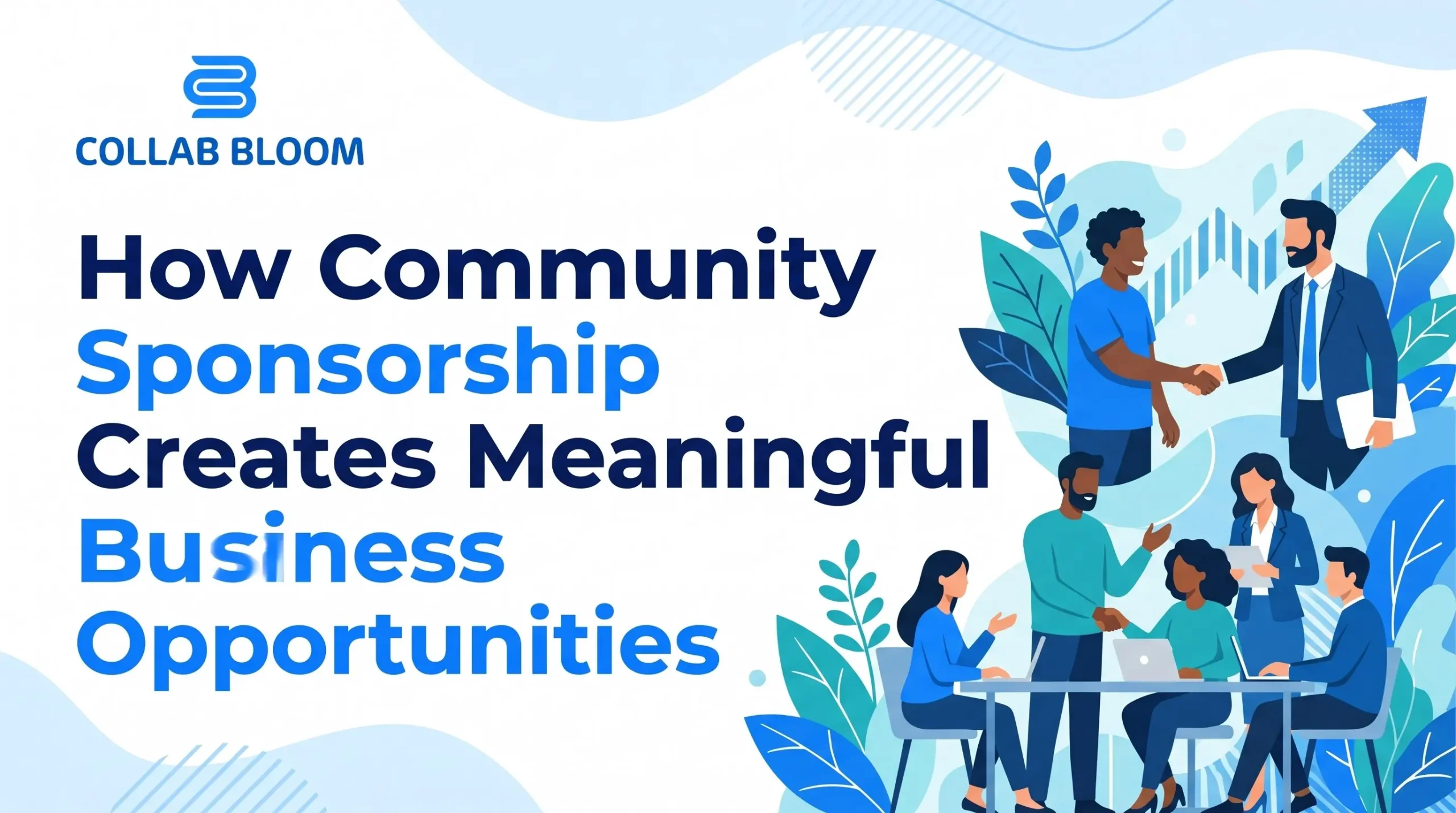
Community Sponsorship has become an effective marketing strategy for businesses that want to build meaningful relationships with local audiences and strengthen their brand presence. By supporting community events, educational programs, sports activities, nonprofit organizations, and social initiatives, businesses can connect with people beyond traditional advertising. These partnerships create opportunities to demonstrate corporate responsibility while increasing brand visibility and customer trust.
In today’s competitive business environment, customers increasingly value brands that actively contribute to their communities. A well-planned sponsorship strategy allows organizations to develop stronger relationships with customers, connect with potential partners, and create long-term business opportunities. Through effective Sponsor Engagement, strategic Sponsorship Campaigns, and meaningful Brand Sponsorship, companies can improve brand recognition, encourage audience participation, and support sustainable business growth.
Understanding the Importance of Community Sponsorship
Community sponsorship involves businesses providing financial support, resources, products, or services to local events, organizations, and community initiatives. In return, sponsoring companies may receive brand exposure, networking opportunities, and opportunities to connect with relevant audiences.
Unlike traditional advertising, this approach focuses on building relationships through meaningful participation. It allows businesses to demonstrate their values while supporting activities that create positive community experiences.
Building Stronger Relationships With Local Communities
Businesses can develop stronger community relationships by supporting activities that matter to local residents. Sponsoring educational programs, cultural festivals, charity events, and recreational activities allows companies to become more involved in their communities.
These partnerships create opportunities for direct interaction with customers and local organizations. When people recognize a company’s contribution, they may develop a more positive perception of its brand.
Consistent community involvement can also strengthen familiarity and encourage long-term relationships. This makes sponsorship a valuable approach for businesses seeking meaningful local connections.
Supporting Business Visibility and Recognition
Brand visibility is important for attracting potential customers and maintaining market awareness. Community sponsorship allows businesses to introduce their brands to audiences who may not regularly encounter their traditional advertising.
Displaying company logos, distributing promotional materials, and participating in sponsored activities can increase brand exposure. Businesses can also receive recognition through event websites, social media updates, and community publications.
These opportunities help organizations improve brand familiarity and establish a recognizable presence within their target markets.
How Community Sponsorship Creates Meaningful Business Opportunities
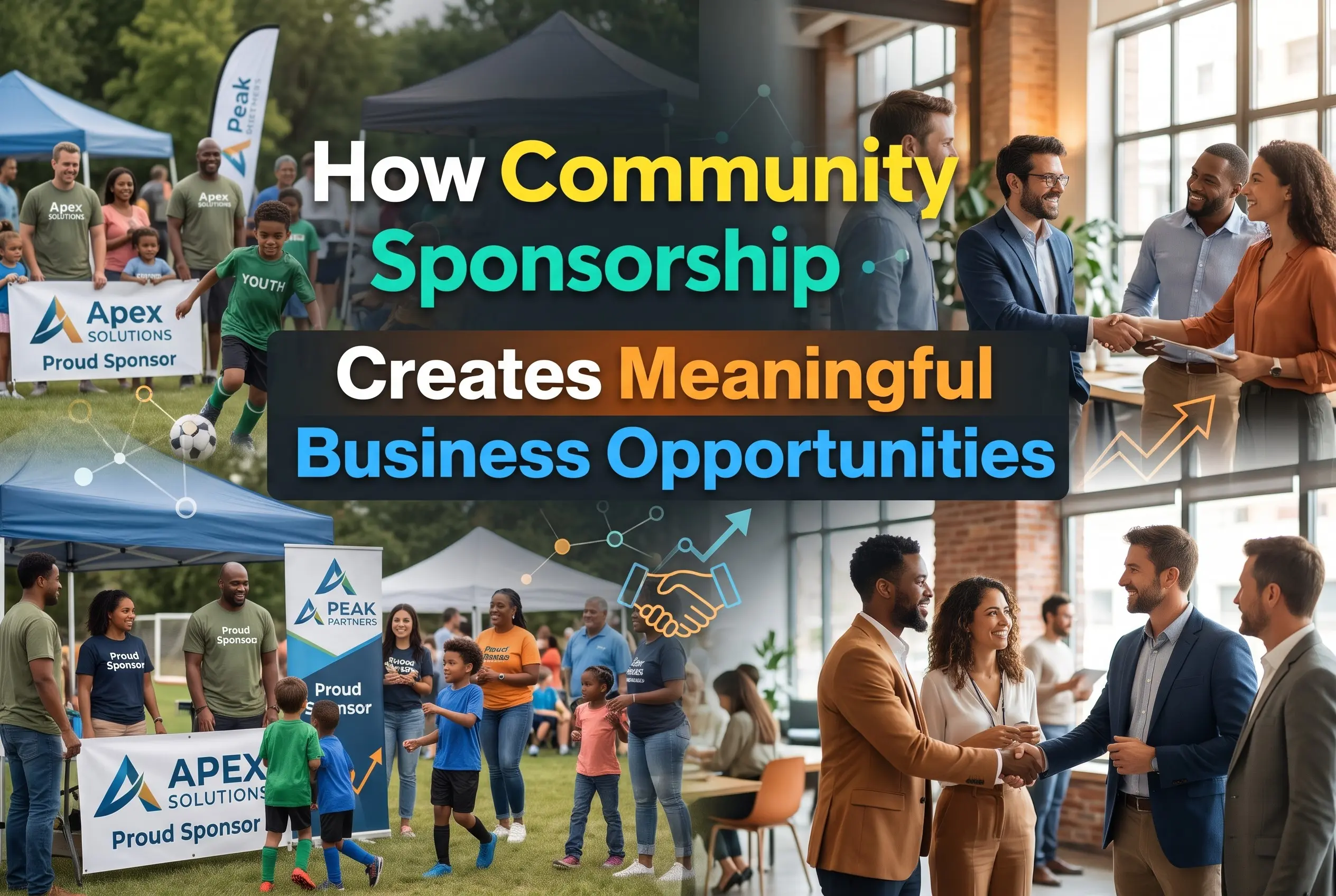 Community sponsorship offers more than promotional exposure. It creates opportunities for businesses to establish partnerships, understand customer expectations, strengthen their reputations, and discover potential markets.
A successful sponsorship strategy connects business objectives with community interests. When organizations support relevant initiatives, they can develop relationships that provide value to both the sponsoring company and the community.
Creating New Business Partnerships
Sponsoring community activities can introduce businesses to other organizations, entrepreneurs, suppliers, and industry professionals. These interactions create opportunities to develop professional relationships and explore potential collaborations.
For example, a company sponsoring a local business conference may connect with service providers, potential clients, and industry representatives. These relationships can lead to partnerships, referrals, and future commercial opportunities.
Building a strong professional network through community activities can support business development beyond the immediate sponsorship agreement.
Reaching New Customer Segments
Community events attract different audiences depending on their interests, locations, and activities. Businesses can use sponsorship opportunities to reach customer groups that match their products or services.
For example, a technology company may sponsor educational workshops to connect with students and professionals interested in digital innovation. Similarly, a fitness brand may support local sports events to reach health-conscious audiences.
Choosing relevant sponsorship opportunities helps businesses communicate with potential customers in a more natural and engaging environment.
Generating Long-Term Growth Opportunities
Successful sponsorship relationships can create benefits beyond a single event. Businesses that consistently support relevant community initiatives can strengthen brand recognition and develop lasting relationships.
Repeated participation also allows organizations to understand community expectations and identify new opportunities for collaboration. These relationships may contribute to customer acquisition, business referrals, and improved brand credibility.
Long-term involvement is often more valuable than temporary promotional exposure because it demonstrates a genuine commitment to community development.
The Role of Sponsor Engagement in Successful Partnerships
Effective sponsorship requires active participation from both the sponsoring business and the organization receiving support. Sponsor Engagement helps companies establish meaningful interactions with event organizers, participants, customers, and community members.
Rather than treating sponsorship as a one-time financial contribution, businesses should focus on building relationships throughout the partnership. Active involvement can improve the overall experience and create more valuable outcomes.
Encouraging Direct Audience Interaction
Direct interaction allows businesses to communicate with audiences in a more personal environment. Sponsored events may provide opportunities for product demonstrations, interactive activities, networking sessions, and promotional experiences.
These interactions help customers understand what a business offers and how its products or services may address their needs.
Encouraging meaningful participation also makes sponsorship activities more memorable. Businesses can use these experiences to develop stronger connections with potential customers.
Building Relationships With Event Organizers
Event organizers are important partners in successful sponsorship activities. Maintaining clear communication with them helps businesses understand event requirements, audience expectations, promotional opportunities, and partnership responsibilities.
Regular discussions also make it easier to coordinate marketing activities and resolve potential issues. Companies should establish clear expectations before an event and review partnership outcomes afterward.
Strong relationships with organizers can create opportunities for future sponsorship agreements and long-term collaboration.
Developing Effective Sponsorship Campaigns for Business Growth
 Well-designed Sponsorship Campaigns help businesses connect their marketing objectives with relevant community activities. A campaign should have a clear purpose, a suitable target audience, and measurable performance indicators.
Planning sponsorship activities carefully allows organizations to use their resources effectively while creating value for participating communities.
Selecting the Right Sponsorship Opportunities
Choosing appropriate sponsorship opportunities is essential for achieving meaningful results. Businesses should consider whether an event or organization matches their brand values, customer interests, and marketing objectives.
For example, a company offering educational technology may benefit from sponsoring technology workshops, student competitions, or professional development events.
Relevance matters because sponsorship activities should connect businesses with audiences who are genuinely interested in their offerings. Selecting suitable opportunities can improve engagement and strengthen brand positioning.
Creating a Consistent Promotional Strategy
Sponsorship activities become more effective when supported by consistent marketing communication. Businesses can promote their involvement through websites, social media platforms, email campaigns, and event-related content.
Sharing event announcements, behind-the-scenes updates, and sponsorship highlights can increase awareness before, during, and after an activity.
A coordinated promotional strategy also helps businesses maintain a consistent brand message across different communication channels.
Measuring Campaign Performance
Evaluating sponsorship performance helps businesses understand whether their investment is delivering meaningful results. Organizations should establish measurable objectives before launching a campaign.
Performance evaluation may include audience reach, event participation, website traffic, social media engagement, qualified leads, and partnership opportunities.
Reviewing these indicators helps companies identify successful activities and improve future sponsorship decisions. It also makes sponsorship planning more strategic and accountable.
How Brand Sponsorship Strengthens Business Reputation
Brand Sponsorship allows companies to associate their identities with organizations, events, and initiatives that reflect their values. These partnerships can improve public perception by demonstrating that businesses are willing to contribute to activities beyond their commercial interests.
However, successful sponsorship depends on authenticity. Businesses should support initiatives that genuinely align with their brand identity and community priorities.
Demonstrating Corporate Social Responsibility
Corporate social responsibility involves businesses taking actions that contribute positively to society. Supporting environmental programs, educational initiatives, healthcare awareness activities, and charitable events can demonstrate a company’s commitment to social development.
Community sponsorship provides a practical way to participate in these initiatives. It also creates opportunities to communicate organizational values through meaningful activities.
Authentic involvement can strengthen public confidence and help businesses develop a positive reputation among customers and stakeholders.
Increasing Brand Trust and Credibility
Customers are more likely to develop confidence in businesses that demonstrate consistency between their messages and actions. Supporting valuable community initiatives can provide visible evidence of a company’s commitment to its stated values.
Sponsorship activities also create opportunities for customers to interact with businesses outside traditional sales environments.
When organizations maintain genuine relationships with communities, they can strengthen credibility and improve how audiences perceive their brands.
Using Digital Marketing to Maximize Community Sponsorship Results
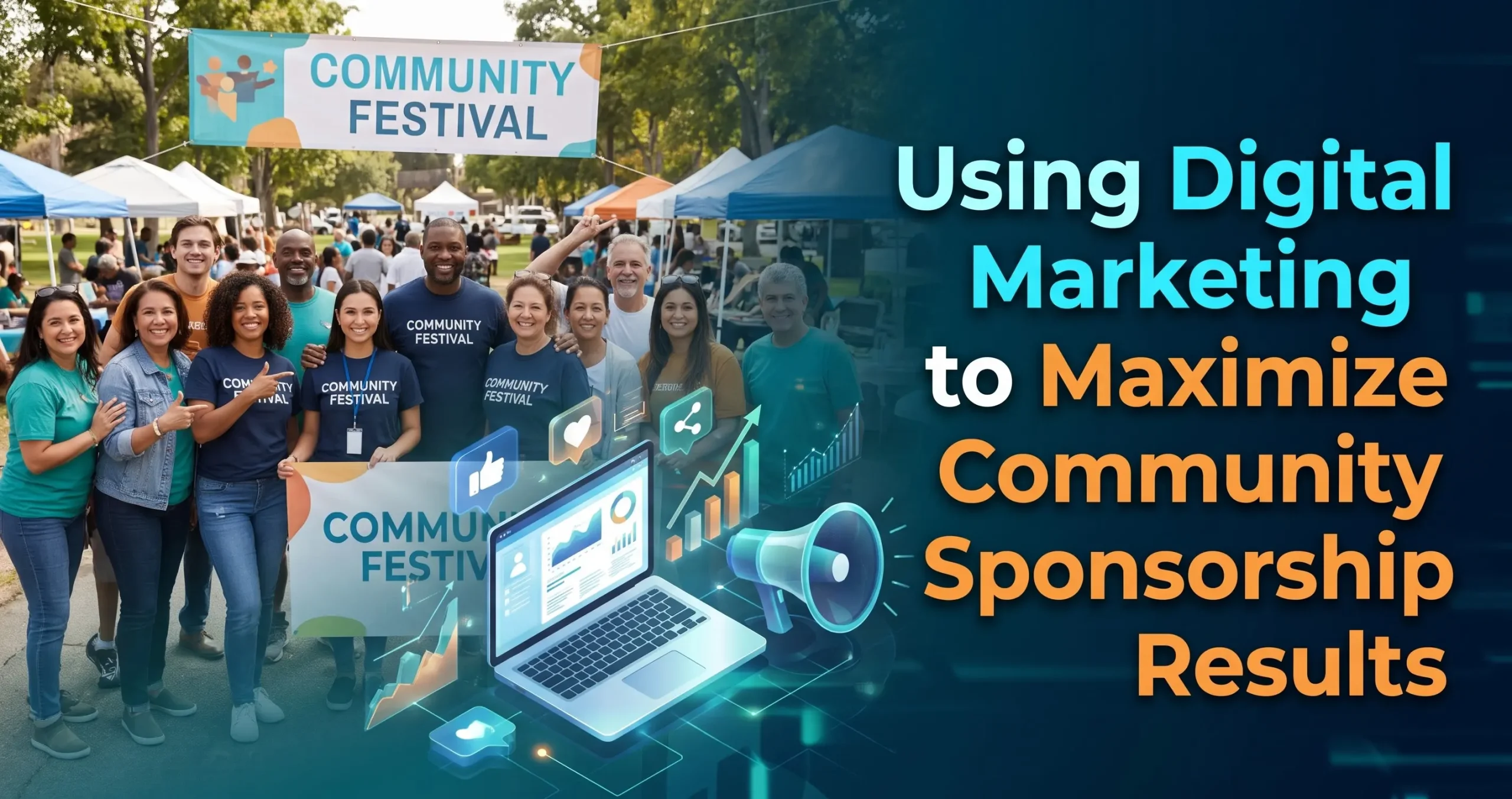 Digital marketing can extend the impact of community sponsorship beyond physical events. Businesses can use online platforms to share sponsorship activities, communicate with participants, and reach audiences who could not attend in person.
Combining community involvement with digital promotion creates additional opportunities for brand awareness and audience engagement.
Promoting Sponsorship Activities on Social Media
Social media platforms help businesses communicate sponsorship updates and connect with community members. Companies can share event photographs, announcements, interviews, short videos, and participation highlights.
Tagging relevant organizations and using appropriate campaign hashtags can also improve content discoverability.
Consistent social media communication helps businesses maintain visibility and encourage audiences to interact with sponsored activities.
Creating Valuable Sponsorship Content
Content marketing can help businesses explain the purpose and impact of their sponsorship activities. Blog articles, case studies, interviews, and event recaps provide opportunities to share meaningful stories.
Organizations can highlight community achievements, introduce participating partners, and explain how their support contributes to specific initiatives.
Useful content creates additional promotional value while helping businesses communicate their involvement in a transparent and informative way.
Overcoming Common Community Sponsorship Challenges
Although community sponsorship provides valuable opportunities, businesses may encounter challenges related to budget limitations, audience relevance, partnership coordination, and performance measurement.
Understanding these difficulties helps organizations develop realistic strategies and avoid unnecessary expenses. Proper planning and regular evaluation can make sponsorship activities more effective and sustainable.
Managing Sponsorship Budgets Effectively
Businesses should establish realistic sponsorship budgets based on their financial resources and marketing priorities. Sponsorship expenses may include event contributions, promotional materials, transportation, staff participation, and digital marketing activities.
Companies should evaluate the expected benefits before committing resources. Comparing different opportunities can help identify partnerships that offer suitable audience access and promotional value.
Careful budget management allows organizations to participate in meaningful activities without creating unnecessary financial pressure.
Maintaining Authentic Community Relationships
A sponsorship partnership may lose its value when audiences perceive it as purely promotional. Businesses should avoid focusing exclusively on logo placement and advertising exposure.
Instead, companies should demonstrate genuine interest in the initiative and participate in activities that support community objectives.
Maintaining transparent communication, fulfilling sponsorship commitments, and respecting community expectations can strengthen relationships and support long-term partnership success.
Conclusion
Community Sponsorship creates meaningful business opportunities by connecting organizations with local audiences, community initiatives, and potential business partners. It allows companies to improve brand visibility, strengthen customer relationships, demonstrate social responsibility, and discover new opportunities for growth.
Through effective Sponsor Engagement, well-planned Sponsorship Campaigns, and authentic Brand Sponsorship, businesses can develop partnerships that provide value beyond traditional advertising. Combining these activities with digital marketing and consistent community participation can further increase their impact.
Ultimately, successful community sponsorship requires clear objectives, relevant partnerships, genuine involvement, and continuous performance evaluation. Businesses that invest in meaningful community relationships can strengthen their reputations, build customer trust, and create a stronger foundation for long-term success.
Frequently Asked Questions (FAQs)
1. What Is Community Sponsorship?
Community Sponsorship is a business activity in which companies provide financial support, products, services, or resources to local events, organizations, and community initiatives in exchange for agreed partnership benefits.
2. How Does Community Sponsorship Benefit Businesses?
It helps businesses improve brand awareness, connect with local audiences, develop professional partnerships, strengthen customer relationships, and identify new growth opportunities.
3. Why Is Sponsor Engagement Important?
Sponsor Engagement helps businesses build meaningful relationships with event organizers, participants, and community members, making sponsorship partnerships more interactive and valuable.
4. What Are Sponsorship Campaigns?
Sponsorship Campaigns are planned marketing activities through which businesses support events or organizations to increase brand visibility, reach relevant audiences, and achieve specific marketing objectives.
5. How Does Brand Sponsorship Improve Brand Awareness?
Brand Sponsorship increases exposure through event promotions, digital communication, promotional materials, and direct audience interactions, helping more people recognize a business.
6. What Types of Activities Can Businesses Sponsor?
Businesses can sponsor educational programs, sports events, cultural festivals, charity initiatives, environmental projects, community workshops, and local business events.
7. How Can Small Businesses Benefit From Community Sponsorship?
Small businesses can support local initiatives, connect with nearby customers, build professional relationships, and improve brand recognition without requiring large advertising budgets.
8. How Can Businesses Measure Sponsorship Success?
Businesses can evaluate audience reach, event participation, social media engagement, website traffic, qualified leads, customer feedback, and new partnership opportunities.
9. What Challenges Do Businesses Face With Community Sponsorship?
Common challenges include limited budgets, selecting unsuitable partnerships, managing promotional activities, coordinating with organizers, and measuring sponsorship results.
10. How Can Businesses Create a Successful Community Sponsorship Strategy?
Businesses should define clear objectives, identify relevant community initiatives, establish authentic partnerships, plan promotional activities, allocate appropriate budgets, and regularly evaluate campaign performance.