Home Blog Page 9

Affiliate Marketing Partnerships: How to Build Profitable Collaborations

0
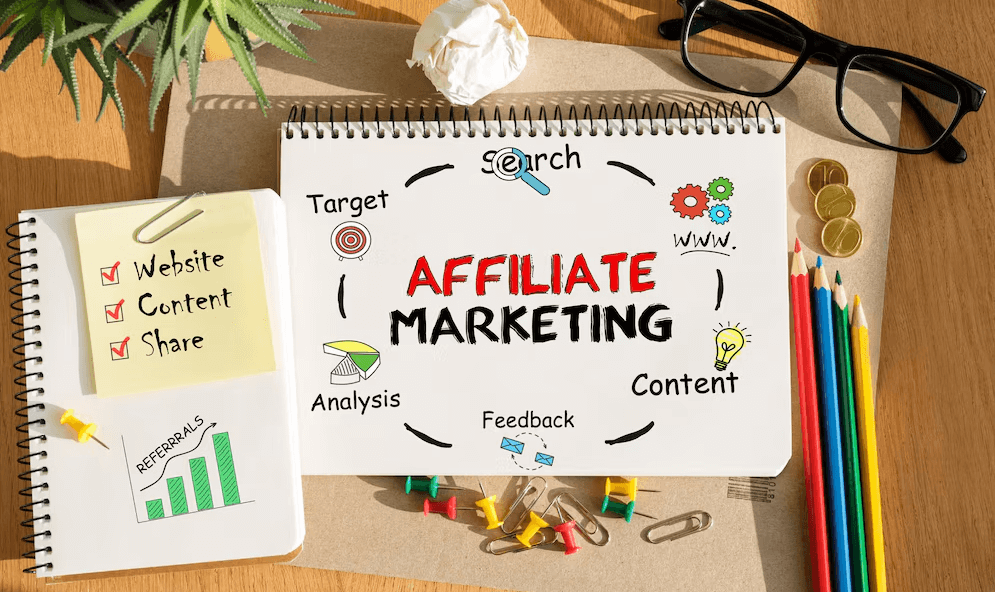
Affiliate Marketing Partnerships

Affiliate marketing partnerships prove to be one of the most effective ways for businesses to expand their reach and increase revenue Companies that succeed in creating such partnerships find that they are both stable and self-sustaining channels for growth.

This blog is for you if you are a business owner thinking of adding affiliate marketing to your strategy or a person who is an aspiring affiliate marketer and wants to choose the right brands as partners.

What is Affiliate Marketing?

There are several ways to make the quality of the sound worse; one is by increasing gain at higher frequency. The affiliate earns a commission for all the customers they bring to the business. With that, it is a low-risk, high-reward model.

Consider for instance a beauty blogger who regularly posts on their favorite korean and japanese skincare products. When clicked on their affiliate link that goes directly to purchase the product, the blogger earns part of sales profits. This is a case of affiliate marketing, yo.

The thing is, affiliate partnerships need to benefit both parties. And in a successful affiliate marketing partnership, brands collaborate with their affiliates so that both sides of the deal benefit.

Benefits of Affiliate Marketing Partnerships

1. Cost-Effective Marketing

Affiliate marketing uses a pay-for-performance model, which means businesses only pay for measurable results, such as successful sales or leads. There are no sunk costs for ad space, making it a financially efficient way to scale operations.

2. Expand Your Reach

Affiliate marketers often have established audiences ready to engage with their recommendations. By partnering with affiliates, businesses can tap into new audiences without needing to build those connections from scratch.

3. Build Trust Through Authentic Promotion

Unlike traditional ads, affiliate marketing relies on authentic endorsements. Affiliates often operate as trusted figures in their niche, whether as bloggers, influencers, or expert reviewers. Their recommendations carry weight and foster trust, which translates into higher conversions.

4. Drive Passive Revenue Streams

For affiliates, this model can offer a steady stream of passive income. Once your audience starts interacting with your affiliate links, you can continue earning commissions long after your post goes live or your video gains views.

5. Strengthen Brand Relationships

Affiliate partnerships allow businesses to nurture strong, ongoing relationships with influential publishers and marketers, increasing brand loyalty and collaboration opportunities over time.

Types of Affiliate Marketing Partnerships

Affiliate marketing partnerships come in various forms depending on the needs of the business and the expertise of the affiliate. Below are common types of partnerships to explore:

1. Content Creators and Influencers

If you’re an influencer with a loyal and engaged following, your content can be a highly effective channel for affiliate marketing. For brands, teaming up with influencers ensures direct exposure to an already-nurtured audience.

2. Review Sites and Bloggers

These types of affiliates focus on comparing, reviewing, or analyzing products and services in-depth. They drive traffic from an audience actively seeking purchasing advice, leading to high conversion rates.

3. Coupon and Deal Sites

Coupon and deal sites attract consumers who are ready to purchase but looking for the best discounts available. Affiliate marketing partnerships with these sites can drive a sudden surge in sales.

4. Niche Communities

Some affiliates operate within specific niches and build trust through highly targeted content. These affiliates are great for businesses seeking a dedicated and niche audience.

How to Establish Successful Affiliate Marketing Partnerships

To unlock the full potential of affiliate marketing, you need to approach partnerships strategically. Here are six steps to ensure a successful collaboration:

1. Identify the Right Affiliates

When it comes to affiliates, selection is key. Find partners that target the same audience as you. Evaluate how loyal their followers are, plus the depth of trustthey enjoy.

Look for affiliates with follower numbers that match or exceed yours. But keep in mind that the strength of their voice in the market as well as its authenticity is just asimportant.

2. Clearly Define Goals and KPIs

What are your objectives for the partnership? Whether it’s increasing website traffic, sales, or lead conversions, set clear and measurable goals. Share these goals with your affiliate so you’re working toward mutual success.

3. Offer Competitive Incentives

To attract high-quality affiliate partners, create an attractive commission structure. Offer competitive rates or tiered incentives for top-performing affiliates to motivate them further.

4. Provide High-Quality Resources

Affiliates need tools and resources to promote a product effectively. Provide them with professional images, banners, videos, and well-written content. Additionally, share specific product knowledge that highlights unique selling points (USPs).

5. Communicate Regularly

A good affiliate partnership goes beyond a one-off collaboration. Maintain open communication to share updates, offer support, and provide feedback. Regularly check in with your affiliates to ensure their promotional efforts align with your brand.

6. Measure Performance and Optimize

Analyze affiliate performance regularly using tracking tools. Track metrics like clicks, conversions, and revenue generated from affiliate referrals. Use this data to optimize your campaigns and make adjustments to improve results.

Common Challenges in Affiliate Marketing Partnerships

While affiliate marketing can be rewarding, it isn’t without its challenges.

Problematic Affiliates

Some affiliates may engage in unethical practices like spamming or fraudulent clicks. Extensive vetting and monitoring are necessary to avoid such issues.

Misaligned Expectations

Sometimes, affiliates and businesses have conflicting expectations regarding goals and incentives. Clarifying roles and outcomes upfront can prevent misunderstandings.

Competitive Saturation

Certain industries with high saturation may make it harder to stand out. Affiliates in such niches may promote competitors simultaneously, requiring you to differentiate your partnership offering.

Tools to Support Your  Efforts

Investing in the right tools can simplify and enhance your affiliate marketing partnerships. Consider using these platforms:

  • Affiliate Management Platforms (e.g., Impact, PartnerStack)
  • Analytics Tools (e.g., Google Analytics, SEMrush Affiliate)
  • Link Tracking Software (e.g., Bitly, Voluum)

Build Win-Win Partnerships

With careful management, affiliate marketing partnerships are a win-win game. Businesses get access to a diversified and committed audience, and affiliates make money by promoting products they believe in.

By choosing the typical affiliates, setting clear targets and grasping the strengths of both partners, collaborative partnerships can create a shimmering success story.


Are Sponsorship Fees Market Driven?

0
Sponsorship Fees Market Driven

It is a necessary element of modern marketing to create alliances that sponsorships have become part of the apparatus businesses and audiences use for collaboration. Whether it’s a local sports team agreeing to wear a business’s logo, or a global brand sponsoring an Olympic event, sponsorship fees have become an integral part in such deals.

Is it really true, though, that these fees are market-driven? ‘Market-driven’ suggests that these fees fluctuate and move up or down on the basis of natural market forces like demand and supply, prestige balancing against perceived value. So, let’s take a closer look at the mechanism behind sponsorship fees, what factors influence them, and how much of a role do market dynamics have in determining their levels.

Understanding Sponsorship Fees

Sponsorship fees generally refer to the fees a company or person pays to become the official partner of an event, organization or individual entity. These fees give rights such as where to put logos, exclusive brands opportunity and an association with the sponsored entity’s reputation and or success.

For instance, Coca-Cola’s sponsorship of the FIFA World Cup isn’t just about slapping their logo on banners: It is also associating themselves with global excitement, culture and sportsmanship while fortifying their brand.

In determining if these sums are market-driven, we must consider how the price is actually affected by various conditions.

Factors Influencing Sponsorship Fees

The amount a company is willing to pay for sponsorship varies significantly depending on multiple factors. Here’s what typically shapes these costs:

1. Audience Reach and Exposure

One of the most significant drivers for sponsorship fees is the size and quality of the audience a brand can access. Greater exposure typically translates to higher sponsorship value.

  • Example A: A local charity event with a few hundred attendees might warrant smaller sponsorship fees compared to a global sporting event like the NFL Super Bowl, which attracts millions of viewers.
  • Example B: Factors like the audience’s demographics, purchasing power, and alignment with the sponsor’s target market further refine the value.

High-profile events or partnerships command higher fees because of premium access to an engaged and relevant audience.

2. Event or Property Prestige

Prestige plays a pivotal role in sponsorship value. Brands often associate themselves with renowned events or celebrities to boost their own credibility and image. This concept of prestige introduces an element of exclusivity, pushing sponsorship fees higher.

  • Example: Partnering with a prestigious film festival or sponsoring a well-known athlete like Serena Williams carries a “halo effect” that allows brands to bask in their partner’s reputation. The property’s prestige drives demand, increasing prices.

3. Category Exclusivity

Sponsorship agreements often include exclusivity clauses, blocking competitors from accessing similar opportunities during the contract term. This exclusivity creates added value for the sponsor.

4. Negotiation Dynamics

While market forces like demand and supply play a significant role, negotiation contributes significantly to sponsorship pricing.

  • Relationships Matter: Established relationships between sponsors and properties can affect pricing. Goodwill and trust may lead to discounts or additional perks.
  • Timing Influence: Last-minute sponsorships may be priced at a premium, especially if it fills a crucial gap for the sponsored entity.

5. Geographic and Cultural Market Variance

Sponsorship fees are regionalized, reflecting not only market sizes but also cultural preferences and infrastructure.

  • Example A: An event in NYC might command significantly higher sponsorship fees compared to a similar event in a smaller, rural location simply due to market reach.
  • Example B: Certain markets value specific industries more. Sponsoring an esports tournament in South Korea (a key gaming hub) might cost substantially more than in countries with less interest in gaming.

6. Brand and Collaboration Synergy

A brand’s alignment with the sponsor’s mission, values, and audience also plays a part. The better the synergy, the higher the perceived value of collaboration.

  • Example: A health-conscious brand sponsoring a marathon aligns naturally and is likely willing to pay a premium compared to brands less connected to fitness or wellness.

7. Market Competition

Market dynamics dictate pricing as rival firms vie for sponsorship opportunities. Higher competition for limited spots drives prices up, reflecting the demand-supply relationship.

  • Example: During high-demand, limited-sponsorship events like the Olympics, bidding wars are not uncommon, causing sponsorship rates to skyrocket.

Are Sponsorship Fees Truly Market Driven?

Based on all the factors mentioned above, it becomes apparent that sponsorship fees are largely market-driven. Here’s why:

Influenced by Demand and Supply

The accessibility and quality of sponsorship opportunities are limited, while companies across the globe are competing for them. This classic demand-supply principle keeps sponsorship fees dynamic.

Perceived Value Dictates Pricing

The ultimate fee is dictated not purely by numbers but by the perceived value the sponsor sees in the partnership. Factors like audience alignment, brand synergy, and exclusivity heavily influence valuations.

Negotiation Adds a Layer of Subjectivity

While market forces set a baseline for fees, negotiations inject human judgment into the equation. Skilled sales teams and smart sponsors can swing deals in either direction.

However, it is important to note that while market dynamics drive the broad framework, not every sponsorship fee is directly linked to strict economic principles. Elements like emotion, personal relationships, and future potential can sometimes push fees outside logical norms.

How to Determine the Right Sponsorship Deal

Understanding that sponsorship fees are market-driven means companies need a strategy to evaluate and justify their investment in sponsorships. Consider the following best practices:

1. Calculate ROI

Define measurable outcomes to assess the effectiveness of the sponsorship. For example:

  • Increased social media followers or engagement
  • Website traffic spikes
  • Elevated sales during the sponsorship campaign timeline
  • Brand sentiment metrics or press mentions

Having clear goals ensures that fees are worth paying.

2. Research Market Benchmarks

Get a sense of industry standards for similar sponsorship arrangements. Use tools, reports, and case studies to ensure your offer is competitive yet aligned with the market.

3. Leverage Exclusivity

Sponsors looking for significant ROI should focus on exclusive opportunities, which tend to amplify results and minimize noise from competitors.

4. Demand Transparency

Ask sponsorship sellers for audience insights and performance history. Evaluating metrics like demographics, engagement levels, and conversion success from previous sponsorships will clarify whether fees align with market expectations.

5. Test Small, Then Scale

If unsure about the value of a high-cost sponsorship, begin with a smaller project or local event to test results. Scaling sponsorship investments can follow once concrete returns are demonstrated.

Crafting the Future of Sponsorship Deals

Sponsorships entail more than just payment for company logos on a screen; they consist of significant relationships between brands and entities that bring great benefits to all involved. Increasing brand exposure and improving audience engagement have helped all parties in this collaboration. Sponsorship fees can provide the data you need to make intelligent decisions based on market-driven dynamics and smarter choices in whom to sponsor and at what cost. When you’re a growing company and want the highest possible return on your sponsorship fees, or looking for benchmarks to use for fee determination before making partnerships that promise sustained benefits–now’s the time to take a good, hard look..

How to Become a Marketing & Sponsorship Director 

0
Marketing & Sponsorship Director

Are you good at maintaining client relations, developing innovative advertising strategies, and promoting brand growth? If this sounds like you then perhaps becoming Marketing and Sponsorship Director is the job for you. This sought-after position lies at the confluence of strategic marketing, negotiating sponsorships and brand partners.

 It offers a high degree of visibility with influential organizations, brands and events while also making real differences. It also offers a chance for fast upward mobility. But how should you go about reaching this role? This guide will take you on a step-by-step tour of the essential skills and strategies required to achieve success as Marketing and Sponsorship Director in this dynamic and quickly changing field.

What Does a Marketing & Sponsorship Director Do? 

We need to first grasp the content of the job (ELSE) before we can talk about how to get our foot in that door. A marketing and sponsorship director specifically focuses on marketing the merchandise as well as being in charge of sponsorship deals that are beneficial to the company. The job comprises items such as negotiating partnerships, managing budgets and expenditure, program development work (themed meetings, canteen subsidies etc), marketing activities represented as part of its year-round operations.

For instance, a marketing & sponsorship director working with baseball will reach agreements with famous brands, organize support activities for events, and do their part to make sure sponsors get due exposure. Its work directly impacts companies ‘ perception of the value on offer from the organization as a partner while at the same time generating income.

Why Pursue a Career in Marketing & Sponsorship? 

This position has a number of attractive benefits. It not only offers high earning potential, but also introduces a person to new contacts, enabling one to meet influential people in various industries, involving the excitement of working on large-scale events, product launches or global campaigns.

At the same time, it also provides the opportunity for professionals to balance both creative idea generation and strategic decision-making for their career development experience.

If you love taking the helm of global brand partnership and launching successful marketing campaigns that’s why you are still reading, then as for how to start.

How to Become a Marketing & Sponsorship Director 

Here’s a step-by-step roadmap to help you carve out a career path and achieve this role. 

Step 1: Earn a Relevant Degree 

Most marketing and sponsorship directors hold at least a bachelor’s degree in a relevant field such as:

  • Marketing
  • Business Administration
  • Public Relations
  • Communications 

For those looking to stand out, pursuing an advanced degree like an MBA with a marketing specialization can provide deeper knowledge of business strategy and leadership, both of which are pivotal for this role.

Step 2: Hone Your Skills 

The marketing and sponsorship director role demands a diverse skill set. Here are some key skills you’ll need to succeed:

  • Negotiation Skills – A core part of this role involves negotiating sponsorship deals that benefit both the organization and the partner. Mastering negotiation tactics is key.
  • Strategic Thinking – You’ll oversee long-term marketing plans and align sponsorships with organizational goals.
  • Communication – Clear written and verbal communication is vital, whether you’re pitching partners or crafting marketing plans.
  • Project Management – Balancing multiple campaigns, sponsorships, and deadlines requires strong project management skills.
  • Analytical Abilities – Being able to interpret data from marketing campaigns to measure ROI and refine tactics is crucial. 

Consider taking short courses or certifications in communication, data analysis, or project management to boost your expertise.

Step 3: Build Marketing Experience 

Experience in marketing is non-negotiable for this role. Start in entry-level marketing positions and gradually work your way up. Key roles that can pave the way to a director title include:

  • Social Media Manager 
  • Brand Strategist 
  • Sponsorship Coordinator 
  • Marketing Manager 

Focus on these areas:

  • Developing and executing marketing strategies for brands.
  • Managing campaigns and measuring their performance.
  • Building relationships with key stakeholders and sponsorship prospects. 

Step 4: Gain Sponsorship Experience 

Sponsorship expertise is just as important as marketing experience in this role. Seek opportunities where you can pitch and manage sponsorships, even at an entry level:

  • Work with nonprofits on sponsorship proposal creation.
  • Secure corporate partners for community events.
  • Help develop sponsorship packages for smaller organizations. 

These experiences will give you hands-on knowledge of securing and managing partnerships that you can leverage as you grow. 

Step 5: Build a Network 

Networking is a vital component in the world of marketing and sponsorships. The right connections open doors to partnership opportunities and potential jobs. Here’s how to start building your network:

  • Attend industry events, conferences, and seminars.
  • Use LinkedIn to connect with professionals in marketing and sponsorship roles.
  • Participate in community initiatives or nonprofit projects that require sponsorship negotiations. 

Relationships built through networking can position you as someone who understands the field and is trusted in business circles.

Step 6: Develop a Portfolio of Work 

A marketing and sponsorship portfolio demonstrates your expertise and serves as evidence of your results. Include:

  • Marketing campaigns you’ve managed and their outcomes.
  • Sponsorship deals you’ve finalized and the value they added.
  • Data from key projects that highlight your impact, such as growth in brand visibility or ROI metrics. 

Showcasing measurable results will make you a standout candidate when applying for leadership roles. 

Step 7: Advance into Leadership Roles 

After honing your marketing and sponsorship expertise, aim for leadership positions like sponsorship manager or senior marketing strategist. These roles will allow you to:

  • Mentor junior staff.
  • Take full ownership of campaigns and partnerships.
  • Lead strategic initiatives that align with organizational goals. 

Leadership experience is often the final step to transitioning into a marketing and sponsorship director role.

Final Word 

If you are considering a career as a marketing and sponsorship director, remember that it can be both challenging but highly rewarding. By carefully blending your education, experience, special skills, industry contacts and employment history you can make the move to industry leader within this thriving field. But keep in mind that the truly successful directors are always learning and reinventing themselves. 

Thus, they participate in industry trends, fine-tune their skills and never back down from a difficult new project. Be ready to take these steps-or get left behind tomorrow. You are about to become a marketing and sponsorship director so let’s go!


How the Partnership with SodaStream Amplifies Bubly’s Market Presence

0
Partnership with SodaStream Amplifies Bubly's Market Presence

PepsiCo’s Bubly brand has taken the market by storm with this year’s juicy, carbonationless sparkling drinks. Bubly was born as a way for Pepsico (NASDAQ:PEP) to demonstrate that it can innovate and create refreshing beverages which consumers love-which can be served alone or as complements to other great eating experiences. Driven by its happy images, fresh taste as well as a wide selection of tastes, Bubly has steadily built up good word of mouth since launch. But its alliance with SodaStream Technology, Ltd., the company that produces home carbonation systems for consumers all over the world, has further extended its influence in this category to a whole new level.

The collaboration not only benefits both brands and their consumers but also dovetails with the increasing consumer demand for customization, convenience, and sustainability. Read on to find out how Bubly’s partnership with SodaStream is helping to reshape its brand strategy, interest new audiences, and make its drinks more accessible than ever.

Why Bubly Needed a Sparkle Boost

Before discussing the impact of the Bubly-SodaStream collaboration, let’s consider why this partnership made sense. While Bubly had carved out its niche in the competitive sparkling water category with its fun and approachable branding, it faced two challenges:

  1. Heavy Competition: The sparkling water market is saturated with big players like LaCroix, Perrier, and San Pellegrino. Standing out required more than just good flavors.
  2. Evolving Consumer Trends: The modern consumer craves more than static choices. They’re looking for products that match their fast-paced, customizable lifestyles while being eco-conscious.

By partnering with SodaStream, Bubly found the perfect opportunity to address these challenges.

What Is the Bubly x SodaStream Partnership?

It’s carbonation appliances turn tap water into homemade seltzer. To change still H2O into a fountain of tiny bubbles, SodaStream systems work together with users themselves ro transcend mere functionality.

As for the Bubly x SodaStream collaboration, “bubly drops” is the product-a liquid concentrate with which anyone can make Bubly’s signature flavours like Lime, Grapefruit or Strawberry in their own kitchens. These drops might just have an environmental advantage over ready-to-drink cans of sparkling water -if they can be bottled up at home at will.

Now let’s see what this alliance brings to Bubly in terms of the strategic impact it has had on their market presence.

Expanding Bubly’s Reach with Sustainability

Furthermore, partnering with SodaStream allows Bubly to become more attractive to sustainability-minded shoppers. Yet another reason why packaged and canned beverages are increasingly being singled out as a threat to the environment is because of waste from them.

With their bubly drops, customers can stop purchasing single use cans of carbonated water. On average, one bottle of bubly drops flavors up to 12 liters of water which saves packaging and packaging materials. For sustainability-minded shoppers accustomed to reducing their carbon footprint while still enjoying the products they love, this suits perfectly.

Beyond giving Bubly a brand that looks good (fashionable if you will!), the eco-angle also broadens its appeal to all those who buy brands these days based equally and far more importantly on their overall impact as on what flavor they taste.

Riding the Customization Wave

Personalization has become a key driver in consumer behavior, especially among younger peoples like millennials and Gen Z. People love choices that they can make their own things.

SodaStream’s app-powered devices, as well in that you can change the carbonation level of your soda water, is a great example of this trend. Now, Bubly fans can adjust fizz levels, mix flavors, or even combine smaller drops together to make imaginative drinks. For instance, how about Lime and Mango. What a delightful tropical refreshment.

The freedom to control and customize in this way is what helps Bubly preserve its brand status in modern living.

Leveraging Soda Stream’s Established Audience

Through this partnership, Bubly also taps into Soda Stream’s already loyal user base. Soda Stream enjoys global recognition and trust for enabling affordable, eco-friendly carbonation solutions. By integrating with an existing ecosystem of happy, dedicated Soda Stream users, Bubly benefits from instant visibility and the opportunity to convert these households into brand advocates.

This collaboration is particularly advantageous as it provides access to segments of the market that may not have previously considered Bubly in their weekly groceries or beverage selections.

Strengthening Bubly as a Lifestyle Brand

Bubly adds something unique to its portfolio by embedding itself in Soda Stream’s at-home lifestyle proposition. Whether customers are creating endlessly customizable drinks for parties or turning hydration into a daily self-care ritual, Bubly cements its presence as more than just a drink brand. It becomes part of a holistic beverage experience.

This partnership also provides Bubly the potential to become synonymous with entertaining and hospitality. Hosting a summer BBQ or a cozy movie night? What better way to wow guests than with personalized, Bubly-inspired sparkling drinks?

Reinforcing Bubly’s Convenience

Convenience remains a key selling point for the partnership. A single drop bottle offers greater access to Bubly’s signature flavors compared to carrying heavy packs of cans home.

For consumers in smaller living spaces or those who don’t want to clutter their pantry, the compact nature of bubly drops is a welcome alternative. More importantly, Soda Stream’s ease of use makes the Bubly x Soda Stream experience seamless, removing any potential barriers to entry.

Enhancing Marketing Opportunities

The partnership also enables new opportunities for both brands to cross-promote. Bubly can leverage Soda Stream’s global marketing channels to target an international customer base. Simultaneously, Soda Stream benefits from being associated with a popular sparkling water brand backed by PepsiCo’s marketing strength.

Joint campaigns highlighting themes like eco-friendliness, creativity in drink-making, and staying hydrated at home can pave the way for greater consumer engagement on both sides.

The Numbers Speak for Themselves

It’s no secret that consumer behavior is shifting:

  • Environmental concerns have driven nearly 72% of consumers to prioritize eco-friendly brand options (Source: Nielsen).
  • 65% of Gen Z and Millennials value personalized and customizable offerings over generic products (Source: Deloitte).
  • The global sparkling water market is predicted to grow annually by 12.6% from 2023 to 2030 (Source: Grand View Research).

Bubly’s partnership with Soda Stream positions both to capitalize on these trends, driving long-term growth in a fiercely competitive market.

A Winning Collaboration

From the perspective of both brands and their customers, the Bubly / Soda Stream collaboration is a win-win. It follows the changing expectations of today’s consumers while replying to environmental concerns and ever greater demands for individualization.

Looking ahead, we could expect that this cooperation will evolve to include new flavors as well as innovative bundle promotions that incorporate Soda stream features directly attuned to Bubly customers.

What is Partnership in Marketing? A Complete Guide

0
Partnership in Marketing

To learn more about marketing partnerships, click her e. I said this in the previous paragraph.ифYou may be viral marketing novices, or not feel totally positive about this approach. The hereby disclosed Marketing Partnership ‘s essence, benefits, kinds, implementation resolutions and so on will help you maximize your use of it in business. It is simply for those at the beginning of marketing partnerships or those who already have a certain experience but want to polish their methods. 

What is Partnership in Marketing?

Closely related to this is the practice of partnership in marketing. Joint ventures, cooperative advertising, and strategic marketing alliances between two or more brands or firms are all covered under this alternate term. Rather than stand alone, they combine forces to promote their products and services through ‘complementary. partnerships’. These collaborations enable the parties concerned to pool resources, share audiences and bring about goals which may not have been attainable if each went at it alone.

The ultimate goal of a marketing partnership is mutual benefit. Each brand contributes some form of value whether it is their name or reputation, their customer base, or certain specialized knowledge. Together, they plan and carry out campaigns or projects that will bring measurable results for all concerned.

For example, Spotify teamed up with Starbucks to create its in-store playlists. It benefited from Starbucks’ huge network of coffeehouses while adding value to the Starbucks environment with appropriate background music. The result for both brands is a win-win situation.

Why Are Partnerships in Marketing Significant?

The landscape of marketing is constantly shifting, with audiences becoming more fragmented and advertising costs rising exponentially. Partnerships in marketing have emerged as a meaningful way to combat these challenges and provide several key advantages:

1. Extended Reach

Through a partnership, you gain access to your partner’s audience. This allows your brand to reach new customers who may have never encountered your products or services otherwise.

2. Cost Efficiency

By sharing resources like advertising costs, production expenses, or even manpower, the financial burden of marketing campaigns becomes lighter for both parties. This makes partnership marketing an attractive option for startups or small businesses with limited budgets.

3. Credibility Boost

When you align with an esteemed or trusted partner, their reputation can rub off on your brand. This can help you establish trust in new markets and encourage faster customer buy-in.

4. Innovation

Two brands mean double the creative energy. By working together, partners can develop unique and innovative campaigns that may not have been possible with just one organization’s perspective.

5. Shared Risk

Instead of shouldering the risk of a marketing campaign alone, partnerships divide this responsibility. This shared accountability often reduces the financial and operational stress surrounding large marketing efforts.

6. New Market Entry

For businesses entering new markets, a local partnership can make a world of difference. An on-the-ground partner who understands cultural and contextual nuances ensures you customize your approach to meet the market’s needs.

7. Enhanced Brand Loyalty

In general, coopetition is taken as a good way of enterprise development. Cooperation may help the consumer interpret it to be an advance in his own terms, hence he is more loyal to both brands opposed than apart. In this strategic alliance, for instance, Nike’s collaboration with Apple led to the Nike+ iPod kit, a product which brought fitness and technology together in an interesting way. It not only reinforced customer loyalty between Nike and Apple yet opened them up to entirely different customer groups as well.

Types of Marketing Partnerships

Not all marketing partnerships work the same way. Businesses can tailor these collaborations to suit their goals and audiences. Below are the most common types of marketing partnerships:

1. Co-Branding

Here, two brands come together to create a joint product or service. Examples include Doritos Locos Tacos (Taco Bell & Doritos) and the LEGO Star Wars series.

2. Affiliate Partnerships

These partnerships rely on one brand promoting another brand’s products in exchange for a commission. This is common in eCommerce, with bloggers or influencers promoting brands through affiliate links.

3. Content Sharing

Brands partner to co-create content, such as blogs, podcasts, videos, or social media posts, and share it with their respective audiences. This strategy allows both parties to increase their content reach.

4. Promotional Partnerships

This involves brands co-launching promotions, discounts, or giveaways. For example, when Uber and Spotify offered custom music playlists for Uber rides, they merged their services for a unique and engaging promotion.

5. Sponsorships

One brand sponsors an event, individual, or initiative run by another brand. This is especially common in sports, arts, and charity sectors. For example, Coca-Cola sponsors the Olympics to align its brand with a positive, global movement.

6. Distribution Partnerships

One brand helps distribute another’s products or services, often by cross-selling or packaging them together. For example, Amazon Firesticks often come preinstalled with key apps like Netflix or Hulu, showcasing such a distribution collaboration.

7. Strategic Alliances

These partnerships often involve long-term relationships where both brands align their broader goals, such as Tesla and Panasonic partnering on battery production for electric vehicles.

8. Joint Events or Campaigns

Brands collaborate to host events or launch campaigns, such as webinars, workshops, or charity drives, which attract cross-audiences.

The type of partnership you choose will depend on your business goals, target audience, and the unique strengths of your potential partners.

How to Build a Successful Marketing Partnership

While the benefits are significant, not all marketing partnerships succeed. Making the most out of such collaboration requires careful planning and execution. Below are some key steps to ensure a successful partnership:

Step 1. Find the Right Partner

Choose a partner whose brand values, goals, and audience complement your own. Look for brands that align with your mission and are not direct competitors. The partnership with a misaligned brand can confuse audiences and dilute your message.

Step 2. Define Mutual Goals

Clearly outline what both parties aim to achieve through the partnership. Whether it’s brand exposure, increased sales, or deeper customer engagement, setting shared objectives ensures alignment and collaboration.

Step 3. Establish Clear Roles and Expectations

Before the partnership begins, establish the scope of commitment (budget, resources, timelines) for all involved. This prevents misunderstandings or conflicts later.

Step 4. Leverage Each Partner’s Strengths

Identify what each partner can bring to the table. They might have a bigger audience, while you may excel in storytelling or data analysis. Building on each other’s strengths maximizes the collaboration’s potential.

Step 5. Communicate Frequently

Transparency and regular check-ins keep partnerships healthy. Ensure both sides are aligned, and quickly address any challenges that arise.

Step 6. Measure Results

Track KPIs and measure the success of your marketing partnership. This could be in the form of increased website traffic, email subscriptions, or sales. Analyze which aspects of the initiative worked well and improve on areas that lagged.

Step 7. Celebrate & Acknowledge Success

Take a moment to celebrate milestones and highlight key wins from the collaboration. This isn’t just about boosting morale; it’s also an opportunity to share the story of your partnership with customers and prospects.

Final Thoughts: Collaborate for Greatness

A strategy like strategic partnerships in marketing are not something new breakthrough success; they provide much benefit indeed to companies. They are conducive to cooperation between enterprises, lower costs bring their reach and even make marketing campaigns hit audiences much more successfully than working alone.

The crucial point of success lies finding your best partner, aligning your goals with theirs, and then implementing specific objectives you can measure distinctly. Applied well, marketing partnerships can make your brand grow and develop in new ways altogether.

If you’re ready to explore partnership possibilities that will extend the reach of your marketing, keep in mind that a single well-chosen collaborator can replace all those distant, less efficient ones you’ve been speaking with without success. Compile a list and start talking.

Now it’s your turn. Has your business tried marketing partnerships? Please share your experiences and ask any questions you may have below; we’re here to help!

What Is Event Sponsorship Marketing? A Complete Guide

0
Event Sponsorship Marketing

Corporate event sponsorship marketing has now become a very important means for brand presence, interacting with the audience, and achieving real business results. However, how does that actually work and why is it so valuable a strategy?

If event sponsorship marketing is something on your mind; this guide is meant to have all the answers. After reading this post, you will know what event sponsorship marketing actually is and why businesses need it. You will also discover how to go about building a successful sponsorship strategy.

What Is Event Sponsorship Marketing?

Event sponsorship marketing is a partnership between a brand and an event, where the brand provides support (usually financial or in-kind) in exchange for promotional opportunities. The sponsoring brand benefits from increased visibility, the ability to target specific audiences, and enhanced credibility by associating with established events.

Think of it as a strategic alliance between organizers and sponsors. While the event gains valuable resources to enhance its execution, the sponsor taps into the event’s reach, audience, and reputation to achieve its marketing objectives.

Examples of Event Sponsorship Marketing in Action:

  • Coca-Cola and the Olympics: Coca-Cola’s long-standing partnership with the Olympics underscores the global reach and brand prestige it gains through sponsorship.
  • Spotify at Music Festivals: Spotify frequently sponsors large-scale music festivals to directly engage with music lovers, a key segment of their audience.
  • Marathon Sponsorships: Many running events feature fitness and sports brands like Nike, showcasing their products to health-conscious participants.

Now that we’ve defined it, let’s dig into why this strategy is integral for businesses.

Why Should Businesses Invest in Event Sponsorship Marketing?

1. Boosts Brand Awareness

Sponsoring an event places your brand in front of an engaged audience. From banners to promotional materials, your logo and messaging are prominently featured. Whether the event has an audience of hundreds or millions, the exposure can significantly amplify your brand’s reach.

2. Targeted Audience Access

Events typically attract specific demographics and audiences with shared interests. This allows businesses to directly connect with a highly relevant group. Whether you’re targeting runners at a marathon or executives at an industry conference, events give you the ability to reach niche groups.

3. Strengthened Brand Credibility

When your brand sponsors a reputable and well-loved event, the credibility of that event rubs off on you. Customers tend to associate your brand with the positive experiences they have at the event. For instance, sponsoring humanitarian campaigns or environmental events also positions your business as socially responsible.

4. Lead Generation

Sponsorships provide a golden opportunity to collect leads. This could be through setting up a booth, hosting a contest, or offering a freebie in exchange for contact information. By the end of the event, you have not only brand awareness but a list of potential customers to follow up with.

5. Higher ROI Compared to Traditional Ads

Direct engagement at events helps brands establish emotional connections, leading to improved customer loyalty. According to research, event sponsorships tend to yield higher returns on investment compared to traditional advertising because attendees can immerse themselves in your brand experience.

6. Access to the Event’s Marketing Assets

Event partnerships are one of those “win-win” kind of marketing events, advantageous both to the branding company and ay greater extent its hosts. This also in effect saves you the advertising bills. And of course it means your brand winds up seeing more, or at least as many people as it would do otherwise.

Obviously, investing in the marketing advantage associated with any sponsorship of an event is sure to bring benefits to businesses. But not all sponsorships are created equal-a more strategic approach needs to be developed in order to maximize your return on investment.

How To Create an Effective Event Sponsorship Marketing Strategy

Step 1: Define Your Goals

What do you want to achieve with your sponsorship? For some businesses, the priority might be increasing brand visibility; for others, it could be collecting leads or driving sales. Being clear about your goals will guide every decision you make.

Example Goals:

  • Increase brand awareness by 25% in target regions.
  • Collect 1,000 email subscribers at the event.
  • Position yourself as a thought leader in your industry.

Step 2: Choose the Right Event

Not all events will serve your brand equally well. Identify events that align with your values, target audience, and goals. For example, if you’re targeting professionals in the tech industry, something like CES or Web Summit might be ideal. Whereas a family-oriented brand aligns better with festivals or kid-friendly events.

Ask these questions when evaluating events:

  • What type of audience attends?
  • Does the event align with our brand image?
  • What sponsorship benefits are included (e.g., booth space, ad placements, social media mentions)?

Step 3: Decide on the Sponsorship Type

Event sponsorships can take different forms. Here are some examples to help you decide which one might work best:

  • Financial Sponsorship: Contribute funding to the event in exchange for branding opportunities.
  • Product/In-Kind Sponsorship: Offer products or services to support the event, such as catering, equipment, or transportation.
  • Media Sponsorship: Provide advertising support for the event through your platform, such as a blog, podcast, or social media channels.

Step 4: Create an Activation Plan 

Your sponsorship won’t accomplish much if attendees don’t notice it. Go beyond placing a logo on banners; think about how your brand will interact with the audience.

Some interactive ideas:

  • Set up photo booths for fun, branded Instagram moments.
  • Host a giveaway for participants who sign up for your email list.
  • Create an immersive experience with games, VR, or product demos.

Step 5: Measure ROI

Set clear metrics to measure the success of your sponsorship. Did you meet your goal of brand mentions, leads collected, or social media impressions? Track these numbers to refine your strategy for future events.

Step 6: Follow Up

Don’t stop working once the event ends! Follow up with the leads you’ve collected or re-engage with participants on social media. Make your sponsorship a long-lasting impression rather than a fleeting one.

Event Sponsorship FAQs

  • How much budget should I allocate to event sponsorship?

 The budget will depend on the size and scope of the event. Local events may require smaller investments, whereas global conferences will need significantly more. Start small and scale up as you see roi. 

  • How do I know which events my competitors are involved in?

 Look at press releases, online content, and event recaps from competing brands. Identifying their sponsorship patterns can give you an edge.

  • What’s the ROI of sponsoring events?

 ROI varies widely. Collect data on brand exposure, leads, and engagement metrics post-event to calculate the value delivered.

Unlock the Power of Event Sponsorship Marketing

With event sponsorship marketing, companies can interact and engage audiences in ways that can only be done in real life. It makes all the difference – from greater visibility and authenticity of information to more leads (and longer lasting relationships).This is a marketing opportunity! The next time there is a chance to sponsor an event that matches what you and your organization stands for, take part. With the right skill and technique on-board, event sponsorship marketing can produce results well beyond an internet banner or social media message. Combine ‘event sponsorship marketing’ with the amazing energy of the live event experience. Only then will it be possible to draw maximum advantage out of this strategy for your brand.

How to Market Sponsorship for an Event Successfully 

0
Market Sponsorship for an Event Successfully

If you successfully attract sponsors, your budget and the overall success of the entire event will benefit greatly. Sponsors can provide financial support, in-kind services, or promotional reach. But they need to see results in return for their investment across the board. How to persuade companies to sponsor your event – and more importantly, how do you effectively market your sponsorship opportunities? This guide walks you through a series of steps you can take right now to attract sponsors and ensure win-win partnerships.

After reading this blog, you will know how to find potential sponsors, make a compelling pitch and use marketing to maximize sponsorship benefits.

Why Event Sponsorship Matters 

Before getting into the nitty-gritty of sponsorship marketing, it’s essential to understand why companies would be interested in sponsoring your event in the first place. Here are some of the primary reasons why businesses invest in sponsorship opportunities:

  • Brand Visibility: Sponsoring an event allows companies to showcase their brand to a targeted audience.
  • Lead Generation: Events provide companies with a platform to interact directly with potential customers.
  • Community or Industry Positioning: Sponsorship can help businesses align themselves with a cause or solidify their positioning within a specific industry.
  • Content Creation Opportunities: Being associated with an exciting event offers content for marketing campaigns, blog posts, and social media.
  • Networking: Companies gain opportunities to connect with other sponsors, industry leaders, and customers during the event. 

Armed with this understanding, you can start crafting sponsorship opportunities that appeal to their goals.

How to Prepare for Sponsorship Marketing 

1. Understand Your Event Audience 

Before pitching sponsorship opportunities, identify your event’s target audience. Ask yourself these key questions:

  • Who will attend your event? (Age, profession, income levels, interests)
  • What are their needs and preferences?
  • Which companies would benefit from getting in front of your audience? 

Once you know your audience, you can highlight to sponsors how your event can connect them with their target demographic.

2. Define Sponsorship Packages 

Sponsors want to know what they’re getting in return for their investment. Create different sponsorship levels or packages, ranging from premium options for large companies to more affordable packages for local businesses. Examples of what you can offer include:

  • Logo placement on event materials, banners, or tickets
  • A hosted booth or display space at the event
  • Verbal acknowledgment during the event
  • Branding on swag bags or merchandise
  • Sponsored social media posts and live mentions 

Keep packages tiered and scalable, e.g., gold, silver, and bronze options, so businesses can choose based on their budget and resources.

3. Craft a Stellar Sponsorship Proposal 

Your sponsorship proposal should be tailored to each company you approach. Generic pitches are less likely to succeed, so tailor your offers to showcase how sponsoring your event benefits their specific business goals. Your proposal should include the following:

  • Event Overview: What is your event about? Provide details about its purpose, audience, and expected attendance.
  • Benefits Breakdown: Show exactly what the sponsor will receive. For instance, “Your logo featured on promotional materials distributed to over 10,000 attendees.”
  • Past Success Metrics (if applicable): Share stats from prior events to build credibility, such as attendance numbers, audience engagement, or online reach.
  • Call to Action: End your proposal with clear next steps and how they can sign up for sponsorship.

Marketing Your Sponsorship Opportunities 

4. Build Buzz Around Your Event 

The more excitement surrounding your event, the more attractive it will appear to potential sponsors. Use these strategies to build anticipation:

  • Social Media Campaigns: Share teasers about your event and highlight confirmed participants or speakers. Create hashtags to promote engagement.
  • Press Coverage: Issue press releases about your event to industry publications, blogs, and local media outlets.
  • Email Marketing: Use your email subscriber list to announce your event and sponsorship opportunities, creating a sense of urgency. 

By showcasing your event’s momentum, you’ll make sponsors feel like being part of it is a valuable opportunity.

5. Leverage Your Network 

Don’t rely solely on cold outreach. Tap into your existing network to help identify sponsors:

  • Connect with past sponsors from previous events that align with your audience.
  • Ask speakers, industry influencers, and partners to suggest companies who might be interested.
  • Reach out to attendees or participants who have businesses that could benefit from sponsorship. 

Leads from your network can often result in more promising sponsorship opportunities than cold pitching.

6. Promote Sponsored Successes 

Sponsors want proof that their investment will pay off. If you’ve worked with sponsors in the past, highlight those partnerships in your promotional materials. Share real-life examples such as:

  • Increased brand visibility or audience engagement.
  • High ROI from leads generated during your event.
  • Testimonials from past sponsors who’ve had successful collaborations with your event. 

Sharing these success stories builds trust and credibility, helping other potential sponsors feel confident in partnering with you.

7. Offer Digital Exposure Opportunities 

To sweeten the sponsorship deal, include digital promotional opportunities alongside physical branding at the event. Examples include:

  • A feature in your event’s marketing emails or on your website.
  • Highlighting their brand in pre- or post-event content, such as blog posts, on-demand videos, or podcasts.
  • Branded Instagram Stories, tweets, or live-streamed shoutouts during the event.

These digital channels can add measurable value for sponsors and make your offer more appealing.

Engaging Sponsors During and After the Event 

8. Foster Strong Relationships During the Event 

Engaging with sponsors doesn’t end once they’ve signed the deal. Show appreciation by making their experience seamless and beneficial:

  • Provide On-Site Support: Assist sponsors with their booth setup or branding placement to ensure maximum visibility.
  • Integrate Sponsors Into Programming: If relevant, allow sponsors to host sessions, panel discussions, or giveaway contests.
  • Prioritize Networking Opportunities: Dedicate spaces or sessions for sponsors to meet attendees and other businesses. 

9. Follow Up with Post-Event Reports 

Post-event analysis can turn one-off sponsorships into long-term relationships. Provide sponsors with detailed reports after the event, including:

  • Audience reach, engagement stats, and other relevant metrics.
  • Photos or video highlights proving their brand’s visibility.
  • Testimonials from attendees who interacted with their sponsorship. 

This shows sponsors that their investment paid off, making them more likely to work with you in the future.

Final Thoughts on Marketing Sponsorships 

The title of event marketing sponsorship requires novel preparation in combination with a great understanding of your audience and sponsor needs. Done right, this can be of mutual benefit not only economically covering event costs but also improving on the overall show for participants.

How did you do? Did you not make use of any of our suggestions? Ask one of our top event marketing executives for a custom consultation, and we’ll develop a plan that attracts deep-pocketed sponsors into your event. Is that how it goes?


Can a Partnership Company Go on the Stock Market?

0
Partnership

Expanding a business involves many strategic decisions, and for partnership companies, the idea of going public can be particularly intriguing. The stock market offers companies an opportunity to raise funds, enjoy increased credibility, and gain access to a diverse pool of investors. But can a partnership company legally go on the stock market?

Whether you’re a business owner, financial advisor, or an investor curious about this topic, this blog provides the answers you’re looking for. We’ll explore the critical considerations, legal constraints, and potential alternatives for partnership companies seeking to tap into public markets.

Understanding the Basics of Partnership Companies

Before diving into whether a partnership company can go public, it’s important to understand the structure of a partnership.

A partnership is a type of business structure where two or more individuals or entities agree to run a business together. Profits, losses, responsibilities, and liabilities are shared among the partners, often as laid out in a partnership agreement.

There are two common types of partnerships:

  1. General Partnership (GP): All partners share equal responsibility for the management of the business and its liabilities.
  2. Limited Partnership (LP): Includes general partners who manage the business and limited partners who contribute capital but have limited involvement in management.

This structure is fundamentally different from corporations, which are independent legal entities separate from their owners. Corporations can issue shares of stock, whereas traditional partnerships are not designed to function in the same way.

Why Can’t Partnership Companies Go on the Stock Market Directly?

Partnerships inherently lack some of the key elements that allow corporations to list on the stock market. Here’s why partnerships can’t directly go public:

1. Absence of Corporate Structure

The stock market operates on the basis of shares. Corporations issue stocks representing ownership in the company, with the value of those stocks fluctuating based on market dynamics. Partnerships do not generate or trade shares; instead, ownership is divided among partners based on agreed terms.

2. Unlimited Liability

One of the key characteristics of most partnerships is that partners bear unlimited personal liability for business debts. This means personal assets can be at risk if the business incurs losses. Such a structure is not compatible with public markets, which rely on limited liability to protect investor interests.

3. Difficulty in Ownership Transfers

Ownership in partnerships is usually not easily transferable. The entry of a new partner or exit of an existing one typically requires the consent of all partners, adding complexity. Public markets, however, depend on the principle of free trade and exchange of shares.

4. Taxation Model

Partnerships are pass-through entities, meaning profits are taxed at the personal income tax level of the partners. Publicly traded corporations, on the other hand, are subject to corporate tax regulations.

While these constraints make it impossible for partnership companies to go directly on the stock market, that doesn’t mean they are completely excluded from tapping into public funds.

Alternatives for Partnership Companies

Although partnerships can’t directly go public, there are legal and financial strategies available for them to access the stock market:

1. Conversion to a Corporation

The most common pathway for a partnership to go public is by restructuring into a corporation. This conversion involves:

  • Registering as a Corporation: File necessary documents, such as articles of incorporation, with the relevant government body.
  • Issuing Stock: Once registered, the company can issue shares and seek listing on a stock exchange.
  • Legal and Financial Compliance: Adhere to regulations by the Securities and Exchange Commission (SEC) or equivalent authorities in other regions.

While this approach means relinquishing the partnership structure, it provides access to the significant benefits of going public, such as increased capital and broader visibility.

2. Listing as a Master Limited Partnership (MLP)

For businesses in industries like energy or natural resources, certain partnerships can become a Master Limited Partnership (MLP). An MLP is a publicly traded entity that combines features of both a corporation and a partnership:

  • Tax Structure: MLPs benefit from the pass-through taxation of partnerships.
  • Public Trading: Units (similar to shares) of the MLP are listed on stock exchanges, allowing public trading.

While MLPs offer a unique alternative, their use is restricted to specific sectors.

3. Strategic Partnerships with Publicly Traded Companies

Partnership companies can also collaborate with publicly traded corporations. For example, they could form a joint venture, allowing the corporate partner to raise funds on their behalf through the listing while retaining the partnership structure for other operations.

4. Venture Capital and Private Equity

If going public feels too complex or unnecessary, partnerships can consider raising funds through venture capital (VC) or private equity firms. These investors provide capital in return for equity and targeted returns, offering a significant financial boost without the need to restructure.

Key Considerations Before Restructuring or Expanding

Deciding to go public (or pursue an alternative like restructuring) is a significant step that requires careful thought. Here are some factors to consider:

1. Compliance with Regulations

Converting to a corporation or listing as an MLP comes with strict compliance requirements, from financial reporting to SEC filings. Ensure your business is ready for the scrutiny of public markets.

2. Costs of Going Public

Launching an IPO is an expensive process, involving legal fees, accounting costs, underwriting fees, and more. Calculate whether the benefits of going public outweigh these costs.

3. Control and Decision-Making

Transitioning from a partnership to a public company could result in diluted ownership and shared decision-making with shareholders. Make sure your team is aligned with this cultural and managerial shift.

4. Stakeholder Interests

Partners need to agree on whether restructuring is the best route forward. If all partners aren’t on board, disputes could arise and disrupt the process.

The Benefits of Tapping Into Public Markets as a Partnership

If successfully transitioned into the stock market, partnership companies could enjoy several advantages:

  • Access to Capital: Listing on public markets opens up vast resources, enabling expansion, R&D, or operational improvements.
  • Credibility: Publicly traded companies often enjoy increased trust and confidence from customers, suppliers, and investors.
  • Liquidity: Shareholders (and potential former partners) have liquidity with shares that can be traded on public exchanges easily.

Final Thoughts and Next Steps

While traditional partnership companies cannot directly go on the stock market due to structural limitations, creative solutions like restructuring as corporations, launching as Master Limited Partnerships (MLPs), or finding alternative funding methods can bridge this gap.

For partnership businesses considering such a transition, seeking professional advice is critical to evaluate the feasibility and alignment with long-term goals. Whether you’re an investor looking to fund a promising venture or a business owner striving to expand, understanding these pathways is the first step toward informed decision-making.

Want to discuss the specifics of taking your business public or raising funds effectively? Reach out to a trusted financial advisor or explore our platform for more resources on restructuring your business for growth.


Can You Say “In Partnership With” in Affiliate Marketing? (Ethical & Legal Guide)

0
Affiliate Marketing

Affiliate marketing has become a dominant strategy for many marketers, bloggers, and entrepreneurs looking to monetize their content. With this rise in affiliate partnerships, questions about communication ethics and proper phrasing have surfaced. One such concern? Whether it’s appropriate (or even legal) to describe your relationship with brands as being “in partnership with.” 

If you’re unsure of how to refer to your affiliations in ways that are both legitimate and transparent, this blog breaks it all down for you. 

Understanding the Difference Between Affiliates and Partnerships 

To answer whether you can say “in partnership with,” it’s crucial to define how affiliate marketing differs from formal partnerships. 

What Is an Affiliate Marketer? 

An affiliate marketer promotes a company’s product or service, earning a commission on every sale or lead generated through their unique referral link. Affiliates act as independent promoters, usually without deep, ongoing involvement in the company’s strategy or operations. 

What Is a Partnership? 

A partnership typically signifies a more formal, contractual relationship where two parties collaborate on specific initiatives or projects. Partnerships often involve shared decision-making, co-branded campaigns, and a deeper commitment between both entities. 

Key Point: Being an affiliate marketer does not necessarily imply a business partnership. Using “in partnership with” in this scenario could make your relationship seem more involved than it actually is. 

Why Does Phrasing as an Affiliate Marketer Matter? 

While it might seem like a small detail, how you describe your relationship with brands carries significant weight. Here’s why your wording is important: 

1. Maintaining Compliance with FTC Guidelines 

The Federal Trade Commission (FTC) requires affiliates to disclose relationships with businesses to ensure full transparency for consumers. Misleading phrasing, such as “in partnership with,” could imply a closer relationship than exists and might mislead your audience. 

FTC guidelines specifically state that disclosures must be clear and conspicuous. It’s your responsibility to ensure that consumers understand that any links included in your content might earn you a commission. 

Example of Compliance 

Instead of saying “We are in partnership with Brand X,” you could say:

  • “This post contains affiliate links, meaning I make a commission at no extra cost to you.” 
  • “This review has been supported by affiliate earnings from Brand X.” 

2. Building Authenticity and Trust with Your Audience 

Audiences value honesty. If they believe that you’re collaborating with a brand on a deeper level than you are, it may damage their trust in your recommendations. On the other hand, being transparent about your affiliate status signals authenticity and can strengthen your relationship with your audience. 

3. Protecting Your Reputation 

Positioning yourself as “in partnership with” when you’re not could also affect your credibility with brands. Companies may be hesitant to work with someone who misrepresents the nature of their relationship. 

Alternatives to Saying “In Partnership With” 

While “in partnership with” may not be the best choice for affiliate marketers, there are plenty of accurate ways to describe your affiliation with brands. Here are some phrases and approaches you can use instead. 

Clear Phrasing for Transparency 

  • “Affiliate collaboration with [Brand Name]” 
  • “Proud affiliate of [Brand Name]” 
  • “I’m part of the [Brand Name] affiliate program.” 
  • “Sponsored by [Brand Name] as an affiliate.” 

Disclosures for FTC Compliance 

  • “Full disclosure, I earn commissions on purchases made through these links.” 
  • “These are affiliate links, which means I may earn a small commission if you buy through them.” 
  • “Affiliate links are included in this article. Purchases help support my work!” 

These phrases strike a balance between being honest about your role as an affiliate while maintaining a professional and clear tone. 

Best Practices for Disclosing Your Affiliate Relationship 

It’s not just about the words you choose but how and where you disclose information. Follow these best practices for maximum transparency and user trust. 

1. Place Disclosures Early and Prominently 

Include your affiliate disclosure before or at the point where the user interacts with your affiliate links. For blog posts, this could be in the introduction or immediately preceding affiliate links. 

2. Use Simple, Clear Language 

Avoid overly legal or complex phrasing in your disclosures. Your audience should immediately understand your relationship with the brand without needing to overthink it. 

3. Make Disclosures Visible Across All Platforms 

Whether you’re blogging, making an Instagram post, or uploading a YouTube video, ensure that your disclosures are front and center. For video content, mentioning it verbally within the first 30 seconds is generally recommended. 

4. Stay Consistent 

Consistency is key. Maintain a consistent tone and transparency level across your platforms to establish trust over time. 

5. Check Local Compliance Rules 

If you work internationally, consider other compliance requirements, such as the UK Competition and Markets Authority (CMA) guidelines or Australia’s advertising standards. 

Can You Ever Say “In Partnership With”? 

There are situations where using “in partnership with” might be correct for marketers. For instance:

  • If you’re engaged in a formal brand collaboration that includes co-branded campaigns, exclusive product launches, or significant involvement from both parties. 
  • Example Phrase in Such Cases:
    • “We’re thrilled to announce our official partnership with [Brand Name] to launch a new product line!” 

Unless you’re formally contracted with a brand as an equal collaborator, it’s better to err on the side of caution and avoid this phrasing. 

Build Trust by Saying Exactly What You Mean 

When it comes to affiliate marketing, clarity and integrity are non-negotiable. Misleading statements like “in partnership with” may risk your audience’s trust and invite legal scrutiny. Instead, use phrases that accurately reflect your relationship with brands while staying compliant with guidelines. 

Remember, affiliate marketing thrives on transparency. By being open and honest about your affiliations, you’re building the trust that fosters long-term success. 

For Further Reading, explore Creative Event Sponsorship Marketing Examples to Inspire Your Next Campaign

How Sponsorships Enhance Relationship Marketing?

0
How Sponsorships Enhance Relationship Marketing

Relationship marketing is no longer a buzzword; it’s the backbone of sustainable business growth. Instead of focusing solely on acquiring new customers, relationship marketing builds a loyal audience that feels connected to your brand. One way savvy marketers achieve this is through sponsorships, a powerful tool that combines brand visibility with meaningful customer engagement.

If you’re a marketer, business owner, or content creator, you might wonder how sponsorships fit into the relationship marketing puzzle. This blog will walk you through the benefits of sponsorships, why they’re an essential strategy for fostering long-term customer relationships, and how to apply them effectively.

What Is Relationship Marketing?

Before we discuss sponsorships, it’s essential to understand what relationship marketing entails. Unlike traditional marketing, which focuses on making immediate sales, relationship marketing concentrates on customer retention and satisfaction. It’s about building trust over time, creating emotionally-driven experiences, and nurturing a community of support for your brand.

The goal is to create advocates for your business—not just customers. Ever heard of Apple fans lining up for hours to purchase the latest iPhone, or Starbucks customers proudly showing off their personalized coffee orders? That’s relationship marketing at work.

Key benefits of relationship marketing include:

  • Increased customer loyalty
  • Higher customer lifetime value (CLV)
  • Word-of-mouth referrals
  • Reduced churn rates

Sponsorships offer a dynamic way to grow these benefits. But how do they fit in?

Sponsorships and Relationship Marketing: The Perfect Match

Sponsorships are often pegged as a branding strategy, but they’re much more. Done right, sponsorships align brands with events, influencers, causes, or communities that your target audience already values and engages with. This alignment creates deeper, more authentic connections than interruptive ads or promotional campaigns.

Here’s why sponsorships make such a perfect addition to relationship marketing:

1. They Build Brand Trust Through Association

Sponsorships allow your brand to align itself with something people already trust. For example:

  • A health food company sponsoring a marathon shows the brand’s commitment to wellness.
  • A fashion retailer sponsoring a local charity gala expresses a connection to community stories and values.

When customers see your brand associated with a cause, event, or influencer they admire, trust for your brand grows as a byproduct. Relationship marketing thrives on trust, making sponsorships a natural partnership for campaigns focused on genuine customer loyalty.

Pro tip: Be selective in choosing sponsorships. Make sure the event, influencer, or cause closely aligns with the values your target audience resonates with.

2. They Enhance Emotional Connection

Emotion is the driving force behind customer loyalty. Sponsorships have the ability to create emotional connections, which is key to relationship marketing. Whether it’s the exhilaration of a concert, the camaraderie of a charity event, or the comfort of a webinar that solves a problem, these connections generate positive associations with your brand.

For example, think about Coca-Cola’s sponsorship of the Olympics. The partnership aligns Coca-Cola with themes like unity, sportsmanship, and global camaraderie. Customers don’t just see a soda company; they see a brand that stands for shared human experiences.

3. They Foster Community Engagement

Sponsorships offer an opportunity to go beyond “selling” and involve your brand meaningfully in community conversations or niche markets your audience is already part of. Whether you’re sponsoring a podcast for young entrepreneurs or a local farmers’ market, you’re positioning your business within an ecosystem that naturally engages your target audiences.

By doing so, your brand can:

  • Participate actively in the shared interests of your community.
  • Spark two-way conversations about topics that matter most to them.
  • Ensure your audience interacts with your business in a more personal, meaningful capacity.

4. They Offer Unique Storytelling Opportunities

Relationship marketing relies heavily on storytelling. Sponsorships give you a stage (sometimes literally) to tell your brand’s story. Use your platform to narrate how your values overlap with those of the sponsored events or individuals. Compelling storytelling adds authenticity to your sponsorship and encourages people to relate to your brand in a new way.

For instance, if your business sponsors a local sustainability project, you can use social media to share behind-the-scenes content, progress updates, and stories of impact. Your audience doesn’t just buy your products; they also buy into the narrative your sponsorship has created.

5. They Provide Insider Access to Exclusive Deals

A sense of exclusivity promotes loyalty. Sponsorships can be leveraged to offer your customers something unique, making them feel closer to your brand. This might be:

  • VIP passes to an event you sponsor
  • Discounted products or services exclusive to sponsorship attendees
  • Early-bird specials reserved for loyal customers engaging with your brand’s sponsorship efforts

By tying exclusive experiences to your sponsorship initiatives, you foster customer loyalty while also creating exciting moments that deepen their connection to your brand.

6. They Enable Data-Driven Engagement

Modern sponsorship programs often come with data. You can track foot traffic at sponsored events, engagement metrics from co-branded online campaigns, and customer sentiment both during and after a sponsorship.

With these insights, you’re able to:

  • Refine your relationship marketing strategies
  • Identify new brand advocates within the audience
  • Boost customer retention through incredibly targeted follow-up initiatives

Relationship marketing thrives when paired with customer insights. High-quality sponsorship programs offer these insights with real-world context.

How Brands Are Using Sponsorships for Relationship Marketing

Still unsure how to use sponsorships in your efforts? Here are real-world examples to inspire you:

Red Bull

Red Bull has perfected the art of using sponsorships to build a loyal customer base. Their relentless sponsorship of extreme sports reinforces their image as an energetic and adventurous brand. By carefully curating their sponsorships to align with their customers’ interests, they’ve built a lifestyle-oriented relationship that transcends selling energy drinks.

Shopify

Shopify sponsors smaller entrepreneurial events and podcasts aimed at business owners and e-commerce professionals. These sponsorships position them as a trusted partner helping entrepreneurs succeed in their ventures. Their backing of niche communities showcases how intimately they understand their audience’s goals and challenges.

Nike

Nike sponsors everything from global sports teams to grassroots youth programs, connecting their brand to the future of athletes globally. Beyond selling shoes, Nike builds a relationship with customers rooted in inspiration, empowerment, and performance.

How to Use Sponsorships in Your Relationship Marketing Strategy

If you’re ready to take the leap, start with the following steps:

  1. Know Your Audience: Learn what events, causes, or influencers matter most to your target audience.
  2. Set Clear Goals: Determine whether you aim to enhance trust, deepen engagement, or convert audience members into loyal advocates.
  3. Choose the Right Sponsorships: Look for sponsorship opportunities that align closely with your brand’s values and the preferences of your audience.
  4. Engage Authentically: Don’t simply slap your logo on an event or partnership. Ensure your sponsorship helps enrich the experience for attendees or participants.
  5. Measure the ROI: Use tools to analyze foot traffic, online buzz, or leads generated from your sponsorship.

Dig Deeper: What Is Sponsorship In Marketing? And Why It’s Important

Final Takeaway for Long-Term Success

Strong relationships are the foundation of successful businesses, and sponsorships are a dynamic way to foster those connections. By choosing the right sponsorships, engaging authentically, and using data to refine your outreach, your brand can become more than just a product or service provider. It can become a trusted partner in the lives of your audience.

If you’re ready to step into the innovative world of sponsorship-driven relationship marketing, start analyzing your audience’s preferences and aligning them with the perfect opportunities. Your future loyal customers are waiting!

0FansLike

EDITOR PICKS