Home Blog Page 10

Why Partnership is Crucial in Marketing 

0
Partnership

Collaboration is at the heart of any successful marketing strategy. Businesses frequently focus on individual campaigns, tools, or social platforms, but one often overlooked key to long-term success is partnership marketing

What is Partnership Marketing? 

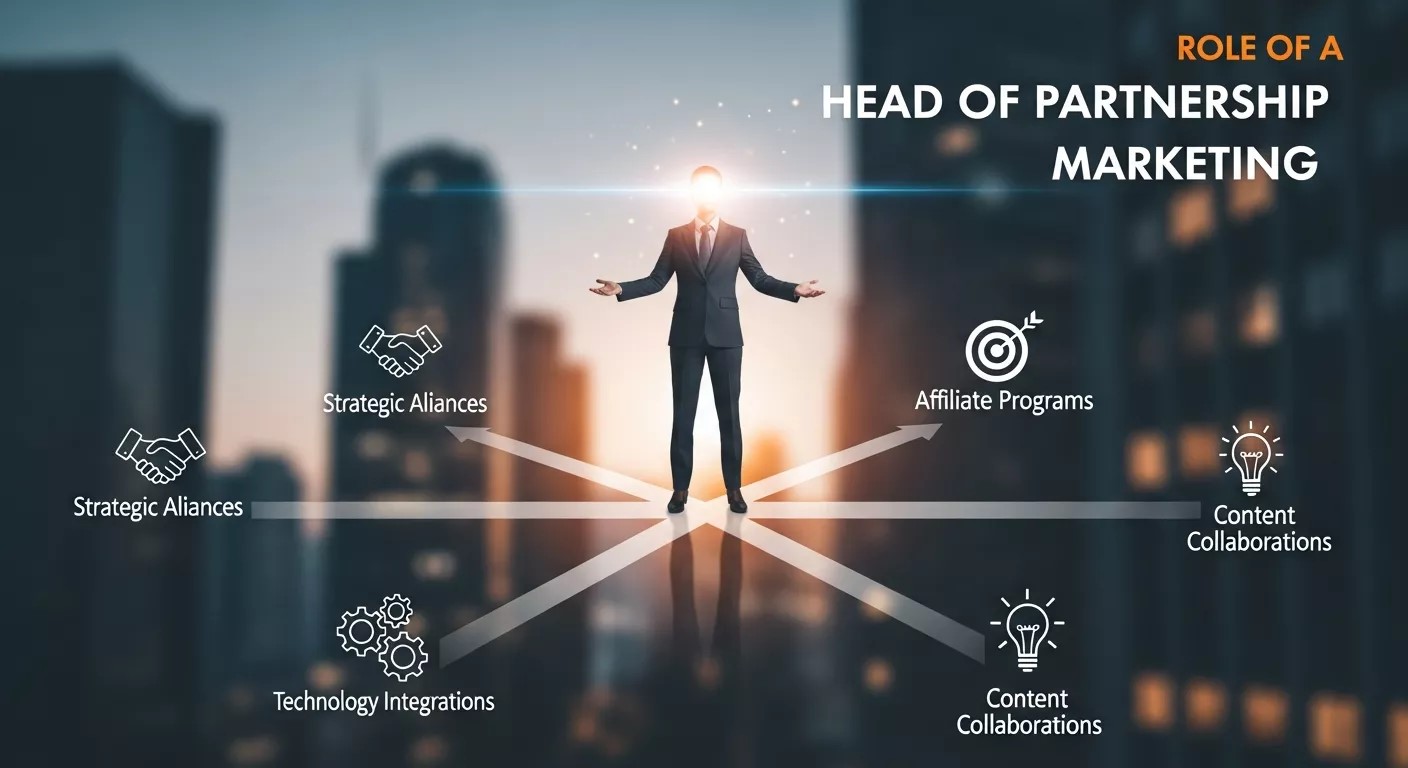
Partnership marketing (also called co-marketing) is the cooperation between two or even more firms to achieve common goals. This can be creating content together, putting on joint events or simply helping each other out through social media promotion.

What sets partnership marketing apart is its capacity to leverage every partner’s strengths, producing a win-win end result. If you are a small start-up or an international behemoth by joining forces with the right companies brings access to an audience and resources that you would otherwise miss. Learn more about partnership in marketing, its benefits, and real examples.

Key Types of Partnership Marketing 

There are various ways to collaborate with another business. Here are some popular approaches:

  • Affiliate Marketing: Promoting another company’s products or services in exchange for a commission on sales generated through your efforts.
  • Co-Branded Content Marketing: Creating resources (such as eBooks, research reports, or webinars) together with another brand to reach a shared audience.
  • Referral Partnerships: Offering incentives for businesses to refer new customers to you, and vice versa.
  • Product Bundles: Partnering with complementary companies to bundle products or services.

Why Marketing Partnerships Matter 

Now that we’ve defined partnership marketing, it’s time to dig into why it deserves your attention. Here are the key reasons:

1. Expand Your Reach 

Every company has its own audience. By partnering with another business, you instantly gain visibility with a new group of potential customers. This doesn’t just expand your reach, but it does so with people who already trust the company you’re partnering with. This kind of borrowed trust can lead to quick conversions. 

For instance, Spotify and Starbucks partnered to allow Starbucks Rewards members to influence in-store playlists through Spotify. This strategic alliance enabled Spotify to expand its audience among Starbucks’ loyal customer base while giving Starbucks a unique selling point for its loyalty program. 

2. Cost Efficiency 

Getting new customers is often one of the most expensive things in business. Combining with another company means you can divide marketing costs into such things as advertising budgets and campaign production spending Therefore number two is still held for every effective campaign.

Joint ventures are also a way to spread the risk involved in trying out new markets. To launch products or an advertising campaign with a partner who is reliable reduces the cost of failure and shares responsibility for any liabilities thus incurred.

3. Leverage Complementary Strengths 

No company is perfect at everything—that’s where partnerships can fill the gaps. A tech company might struggle with social media engagement but excel in product innovation, while a lifestyle brand might have the opposite strengths. By combining forces, both businesses can create a campaign that harnesses the best of each. 

The partnership between Nike and Apple is a great example. Apple provided the tech expertise, while Nike contributed its understanding of the fitness market. Together, they created Nike+, a highly successful fitness app that leveraged strengths both companies couldn’t have achieved alone. 

4. Build Credibility Through Association 

When you align your brand with a trusted partner, your credibility increases in the eyes of their audience. This is especially useful for startups or smaller brands. A partnership with a well-established company can boost your reputation and accelerate your growth pathway. 

For example, new skincare companies often form partnerships with beauty subscription boxes like Birchbox or FabFitFun to increase awareness and trust among potential buyers. 

5. Enhance Brand Loyalty 

Effective partnerships not only attract new customers but also deepen loyalty among existing ones. When customers perceive that two brands they love have collaborated to bring them added value, it fosters stronger emotional connections. 

For example, a collaboration like that of Red Bull and GoPro, which involved co-branded extreme sports events, resonated deeply with the shared audience of adventure enthusiasts. 

How to Build a Successful Marketing Partnership 

While partnership marketing offers plenty of benefits, not all collaborations are created equal. To ensure your success, follow these steps:

Step 1: Choose the Right Partner 

The best partnerships are with businesses that align with your values, audience, and goals. For instance, a luxury hotel might partner with a premium airline brand rather than a budget carrier. Look for businesses that complement, rather than compete with, yours. 

Ask yourself these questions:

  • Do our audiences overlap?
  • Are they aligned with our brand mission and values?
  • Do they offer something that complements our products or services?

Step 2: Define Clear Objectives and Roles 

When a partnership is successful it doesn’t happen by accident. Both partners have to define the goals and expectations of their collaboration, what they need from each other results in terms or material to show how well you performed it together

Make sure to spell out roles and responsibilities early on. For example If you are generating joint printed material,decide who does the writing, who does the design and art work and who looks after distribution.

Step 3: Create Win-Win Campaigns 

A partnership should deliver value to both parties, as well as to the target audience. Both brands need to be equally invested in the campaign for it to succeed. 

For instance, if you’re launching a referral partnership, consider offering attractive rewards for both the referrer and the referred. This will motivate both sides and maximize the effectiveness of your program. 

Step 4: Plan Measurement and Monitoring 

How will you determine whether the partnership is working? Define metrics to track success and conduct regular reviews to understand what’s performing well and where improvements can be made. 

For example, if your goal is increasing leads, measure metrics like website clicks, new sign-ups, and conversion rates. By keeping both parties informed, you can pivot strategies if needed. 

Step 5: Maintain Communication 

Strong communication is the foundation of any partnership. Hold regular check-ins to discuss progress, challenges, and upcoming opportunities. Consistent communication helps nurture not only the partnership but also the relationship between both companies. 

Examples of Successful Marketing Partnerships 

To further underscore the potential of partnerships, here are two examples of collaborations that succeeded brilliantly:

  • Uber and Spotify: This partnership allowed Uber passengers to control the music during their rides using Spotify. It provided a unique customer experience and exposure for both brands.
  • IKEA and LEGO: The two global giants co-created BYGGLEK, a storage solution designed for playful home organizing. The collaboration reinforced the brands’ shared focus on creativity and family life.

Start Building Partnerships Today 

Partnership marketing is more than just a buzzword; it’s a high-sounding strategy for growth, efficiency, and the uplift of brands. Many hands make light work, and collaboration is a means by which companies may draw upon shared expertise; spread their appeal to ever-larger audiences; and instill lasting brand loyalty.

Eager to harness this powerful new trend in business partnership strategies? It is time to begin by seeking out potential partners who have similar goals, benefit your goals and are compatible in their respective strengths. With fine planning and a clear theme, partnership marketing will produce fantastic results for you.


What is the Sponsorship Marketing Paradigm Shift? 

0
The Sponsorship Marketing Paradigm Shift Explained

Sponsorship marketing is going through a change, making it possible for brands, organizations, and perhaps even audiences to get along better. A logo on a stadium billboard worked in the past or putting up banners in the background of conferences was enough, but today’s consumers need more from their brands. They want experiences that touch them personally in some way and this fact of consumer behavior has forced many now proud new sponsors to revise what had been thought to be well established sponsor techniques.

Understanding the Traditional Sponsorship Model 

Before we discuss the shift, it’s essential to understand what traditional sponsorship marketing entails. Historically, sponsorships revolved around visibility and brand association. Companies would pay to have their logos prominently displayed at events, on athletes’ gear, or on televised segments. 

Hallmarks of the Traditional Model:

  • Brand Awareness: The primary goal was sheer exposure.
  • Passive Engagement: Audiences observed the sponsor’s presence but rarely interacted with the brand.
  • Limited Data Collection: There was minimal focus on tracking audience behaviors or evaluating ROI.

While this approach worked in the pre-digital era, it struggled to keep up with changing consumer preferences and the rise of engagement-focused platforms.

Drivers of the Sponsorship Marketing Paradigm Shift 

Several factors have spurred this shift in sponsorship marketing. From technological advancements to evolving consumer expectations, here are the key drivers behind this transformation. 

1. The Rise of Experiential Marketing 

Consumers today seek meaningful interactions rather than passive observations. They’re not content to merely see a logo; they want to experience what a brand stands for. This is where experiential marketing comes into play. 

2. Data-Driven Strategies 

Modern sponsorships lean heavily on the ability to collect, analyze, and act on data. Brands now make decisions backed by metrics, such as audience demographics, engagement metrics, and conversion rates. 

3. Digital and Social Media Platforms 

Social media has redefined how brands approach sponsorships. With platforms like Instagram, TikTok, and YouTube, sponsorship marketing has become more interactive and measurable. 

4. Consumer Demand for Authenticity 

Today’s consumers are increasingly skeptical of traditional ads and sponsorships they perceive as insincere. They demand authentic collaborations where the sponsor’s values align with those of the event, individual, or cause they’re supporting. 

Key Elements of the New Sponsorship Marketing Model 

The evolution in sponsorship marketing isn’t just a buzz; it’s grounded in clear strategies that prioritize connection, experience, and authenticity. 

1. Deep Audience Engagement 

Brands now design sponsorships with a focus on engaging specific target audiences through personalized experiences. 

Example Strategies:

  • Interactive booths at events where attendees can experience products (e.g., sampling or demos).
  • Virtual experiences, such as webinars or AR/VR immersive campaigns.

2. Long-Term Partnerships 

Rather than one-off sponsorship activations, brands are committing to long-term collaborations. These partnerships build trust over time and create more cohesive brand narratives. 

3. Genuine Storytelling 

Telling compelling stories has become an integral part of modern sponsorships. Successful campaigns use storytelling to connect emotionally with their audience. 

4. Measurable ROI and KPIs 

Consider the following: A research manager at Pepsi Cola is named Alex. He reviews social media trends, as well sentiment analysis after large sponsored events in order to measure how participants feel about (the company’s) presence or its effect upon prices.

Opportunities in the Paradigm Shift 

The sponsorship marketing evolution is creating exciting opportunities for brands and organizations alike. 

Opportunity 1: Building Authentic Communities 

Brands can connect with niche communities by aligning their sponsorship efforts with shared interests and values. 

Opportunity 2: Reaching Global Audiences 

Digital platforms have expanded the reach of sponsorships, enabling brands to connect with international audiences far beyond the physical event. 

Opportunity 3: Leveraging AI and Automation 

Using AI, brands can predict audience behaviors, tailor sponsorship strategies, and even automate campaigns for wider reach. 

Opportunity 4: Corporate Social Responsibility (CSR) 

Modern sponsorships provide brands with the opportunity to demonstrate their commitment to social causes, thereby enhancing brand perception while doing good. 

How to Adapt to the New Sponsorship Marketing Model 

Here are actionable steps for brands to thrive amidst the paradigm shift in sponsorship marketing.

1. Research Your Audience 

Understand who your audience is, what they value, and where they spend their time. Leverage tools like social media analytics and market research to gain these insights. 

2. Align Sponsorships with Purpose 

Partner with individuals, events, or causes that resonate with your brand’s mission and values. Authenticity is essential. 

3. Collaborate with Influencers and Content Creators 

Leverage influencers who align with your brand, using their storytelling capabilities to connect with audiences on platforms they trust. 

4. Invest in Measurement Tools 

Track your sponsorship’s impact using tools for audience engagement, sales analytics, and sentiment analysis to understand your ROI. 

Redefining Success in Sponsorship Marketing 

No longer is it sponsorship marketing composed of logos and fleeting impressions. It’s about more than that. You need to develop customer relationships, provide the customer with something of value, and create experiences that will be remembered long after they have been tested.

By adapting to this paradigm shift, brands cannot only survive but also flourish in today’s dynamic marketing landscape.

What’s your sponsorship strategy expecting to achieve? Redefine your relationship to audiences and excel.


Does Sponsorship Go Under Advertising or Marketing?

0
Sponsorship Fall Under Advertising or Marketing

When companies search for ways to expand their brand, connect with new audiences, and interact with customers, they often think about sponsorship as a strategic option. But where does sponsorship fit in a company’s strategy? Is it a form of advertising? Is it part of marketing? Or is it its own thing? Getting to grips with this relationship will help companies get the most out of sponsorship and use it well.

What is Sponsorship?

Sponsorship occurs when a business provides financial or in-kind support to an initiative, event, or organization in exchange for visibility and association with that entity. The goal is typically to align with partners, audiences, or causes that complement the business’s objectives and values. Learn more about sponsorship in marketing.

Examples of sponsorship include:

  • A sports brand sponsoring a local marathon.
  • A beverage company supporting an international music festival.
  • A tech business partnering with online webinars or industry conferences.

While the primary focus of sponsorship is to build brand visibility and association with key audiences, its impact often extends beyond just recognition, creating long-term customer perception and loyalty.

Sponsorship vs. Advertising vs. Marketing

To understand where sponsorship falls, it’s helpful to compare and contrast its relationship with advertising and marketing.

  • Advertising involves directly promoting a product, service, or offer through paid channels such as TV, social media, banners, or print ads. Its goal is typically immediate action, such as buying a product.
  • Marketing is the broader umbrella that encompasses various activities aimed at meeting the needs of consumers, building connections, creating value, and driving business growth. Advertising, sponsorship, and digital strategies like email campaigns all fall under marketing.

Sponsorship exists at a crossroad. It supports long-term goals such as brand association and trust-building, similar to marketing, but its visibility features make it share some characteristics with advertising.

Why Sponsorship is Often Viewed as Marketing

1. Focus on Relationship Building

Unlike traditional advertising, which is transactional in nature, sponsorship focuses on creating partnerships and building authentic connections. By sponsoring an initiative, businesses build goodwill by associating themselves with a cause, event, or experience that resonates with their target audience.

For example, a company that sponsors an education charity event may enhance its reputation as an organization that values and supports community growth. 

2. Aligning with Brand Values

Marketing efforts often aim to reinforce brand identity and values, and sponsorship is a highly effective method for doing so. For instance, a vegan product company sponsoring animal welfare drives creates strong alignment between its actions (sponsorship) and its brand values (animal kindness), which can strengthen customer perceptions and loyalty. 

3. Indirect Sales Impact

Less concentrated on selling products immediately, sponsorships are instead focused on engaging with consumers for the long-term, integrating them into the larger marketing framework. It cultivates connections that are beneficial for nurturing future prospects, purchases, and brand loyalty, rather than immediate sales. 

This is the reasoning behind why sponsorships are usually executed in conjunction with other forms of marketing, such as building upon a sponsorship with content marketing to motivate or educate the desired audiences.

How Sponsorship Overlaps with Advertising

Although sponsorship aligns heavily with marketing, it also shares some traits with advertising. These overlaps include:

1. Visibility and Awareness

Sponsorship offers groups with exposure, often through emblem placement, mentions, or visuals furnished with the aid of the sponsored entity. This creates emblem popularity in a similar way to traditional marketing. For example, an organization emblem displayed on banners at a sports activities occasion just like the FIFA World Cup straight away boosts visibility just as an ad campaign might.

2. Paid Components

Many sponsorship deals include specific paid advertising slots tied to the agreement. For example, sponsoring a music festival could come with ad placements in event programs, dedicated social media posts, or mentions during live announcements.

3. Brand Recall

Just like a well-designed ad campaign, effective sponsorships stick in people’s minds. Take a health drink brand that sponsors fitness events. This can shape how people connect the brand with being health-conscious and active. The Bottom Line: Sponsorship mixes parts of both advertising and marketing. It creates a unique combo of the two while backing up bigger business plans.

Unique Benefits of Sponsorship in Modern Strategies

Recognizing sponsorship as a hybrid of marketing and advertising strengthens its appeal due to its unique benefits:

  • Audience Trust: Sponsorship enables companies to leverage the credibility of the event, person, or initiative they support. Audiences tend to trust entities endorsed through respected partnerships, whereas ads are often met with skepticism.
  • Experiential Opportunities: Interactive sponsorship opportunities (such as branded booths at festivals) allow businesses to turn passive audiences into active participants, delivering stronger and more memorable brand experiences.
  • Shared Values: Association through sponsorship communicates more than a sales pitch. It delivers subtle but powerful messages about the values a company stands for, which is an increasingly important factor for customers making purchasing decisions.
  • Lasting Impact: Audiences may forget a banner ad, but the positive memory of a sponsored cause or event often generates goodwill long after the sponsorship ends.

How to Maximize Your Sponsorships

To make sponsorships work for your business, it’s necessary to approach them strategically. Here’s how:

1. Choose Aligned Sponsorships

Ensure that the event, cause, or organization you sponsor aligns with your audience and brand values. Misaligned sponsorships can confuse customers and dilute your message.

2. Integrate with Broader Campaigns

Combine sponsorship efforts with other strategies. For instance, sponsor an event and then create content marketing or social media campaigns featuring your involvement to amplify visibility. 

3. Measure ROI

Track key performance indicators (KPIs) like impressions, customer sentiment, or lead generation tied to your sponsorship efforts. Recognize that sponsorship ROI is often more qualitative (e.g., enhanced brand loyalty) than quantitative.

4. Establish Authenticity

Be intentional and authentic about the initiatives you choose to sponsor. Avoid the appearance of sponsoring an event just for visibility; customers can sense when a partnership lacks sincerity.

5. Leverage Influencers or Ambassadors

Partner with influencers who are already invested in the event or cause. Their voices can amplify the sponsorship’s reach to the right audience.

Sponsorship as a Strategic Blend of Advertising and Marketing

Sponsorship blurs the traces among advertising and marketing. It drives each visibility (like marketing) and lengthy-time period engagement built on shared values (like advertising). This specific function makes it an effective strategy for companies looking to decorate their logo presence even as building accept as true with and credibility.

Whether you’re launching a product, entering a new marketplace, or strengthening consumer relationships, sponsorship offers a road to deepen connections past conventional efforts.

For businesses eager to explore their sponsorship techniques, now could be the time to assess your alternatives. By incorporating authentic sponsorship efforts, you could achieve the first-rate of both advertising and advertising benefits, giving your emblem a competitive side.


Does Empower Media Marketing Provide Visa Sponsorship?

0
Empower Media Marketing

If you are considering a profession at Empower Media Marketing and thinking whether they offer visa sponsorship, you are no longer by myself. Many process seekers, particularly worldwide applicants, are keen to understand whether or not corporations are open to hiring worldwide skills and helping their work authorization. This article will take a closer look at Empower Media Marketing’s visa sponsorship rules, what it might mean for you, and how you may function yourself as a top candidate for international possibilities.

What is Visa Sponsorship in the Job Market?

Before we jump into the specifics about Empower Media Marketing, it’s important to clarify what visa sponsorship is. Visa sponsorship happens when a company supports a foreign national’s application for a work visa to live and work legally in a specific country. This sponsorship usually involves the employer navigating immigration processes and covering sponsorship fees, which may vary depending on market-driven factors.

Common types of work visas include:

  • H-1B Visa (US): For highly skilled professionals, especially in sectors like advertising, tech, and finance.
  • L Visas (US): For intracompany transfers.
  • E Visas (US): For treaty investors or treaty traders.

Visa sponsorship is a significant financial and administrative commitment for companies. Many large organizations, particularly those with strong global hiring programs, offer sponsorship as a way to attract top-tier, diverse talent. Now, how does this relate to Empower Media Marketing?

About Empower Media Marketing

Empower Media Marketing is a well-established, independent media corporation based in Cincinnati, Ohio. They specialize in media making plans, shopping for, and analytics throughout both conventional and digital systems. Known for their creativity and information-pushed approach, Empower has built a popularity as an revolutionary leader within the media and advertising area.

The organization works with high-profile clients across numerous industries, supplying strong media campaigns to deliver high-quality results. Being in this sort of dynamic and competitive quarter, Empower regularly appears to lease numerous people who can deliver creativity, method, and progressive tactics to campaigns.

But does this extend to international candidates requiring visa sponsorship? Let’s break it down.

Does Empower Media Marketing Provide Visa Sponsorship?

Currently, Empower Media Marketing has limited publicly available information regarding their visa sponsorship policies. Here’s what we do know:

  1. Past Sponsorship Opportunities:

While there isn’t an abundance of data showing Empower explicitly sponsoring visas, platforms like LinkedIn and Glassdoor occasionally indicate international employees within the team. This suggests a flexible hiring approach that may have included hiring global talent.

  1. Focus on Recruitment Excellence:

Empower emphasizes hiring the best talent in the industry. For highly skilled or specialized roles where there is a talent gap in the local market, companies of this caliber are often more inclined to explore visa sponsorship.

  1. Smaller Company Challenges with Sponsorship:

As an independent agency, Empower doesn’t operate on the same scale as multinational corporations. Smaller firms sometimes hesitate to sponsor visas due to the associated cost and administrative responsibilities. However, this does not entirely rule out the possibility of visa sponsorship for high-priority roles.

If you’re an international candidate, it’s always wise to confirm Empower’s specific policies by directly contacting their HR team or checking current job postings to see if sponsorship is explicitly mentioned.

What You Can Do as an International Candidate

While the availability of visa sponsorship at Empower Media Marketing may vary depending on role and circumstance, there are several strategies you can employ to improve your chances of landing a job with visa sponsorship:

1. Research and Network

Use platforms like LinkedIn to connect with current and former employees of Empower Media Marketing. Reach out politely and inquire about their hiring processes for international candidates. Networking can also help you learn about unlisted opportunities.

2. Focus on Specialized Skills

Employers are more likely to sponsor work visas for candidates who offer highly specialized skills that are hard to find among domestic applicants. For Empower Media Marketing, expertise in advanced media analytics, emerging advertising technologies, or multilingual campaign management could be a huge asset.

3. Tailor Your Application

Outline your unique value proposition in your application materials. Discuss how your specific skills and experiences can directly contribute to Empower’s mission and client success. Highlight any prior experience working with global markets or cross-cultural teams.

4. Explore Internship Opportunities

Consider applying for internship positions or temporary roles at Empower to foot in the door. Many companies are more open to hiring international talent for internships where there are fewer visa requirements. Later, they might be willing to sponsor a visa for a full-time role.

5. Investigate Alternative Work Authorization Options

Some international candidates may not require full sponsorship if they are eligible to work temporarily through programs such as Optional Practical Training (OPT) for F-1 visa holders or other country-specific agreements.

Benefits of Working at Empower Media Marketing

If you’re looking to join a company that prioritizes innovation and creativity in media marketing, Empower is a top contender. Here are some key benefits of working with them:

  • Innovation and Creativity: Empower prides itself on combining data analytics with human creativity to build powerful media strategies.
  • Opportunities for Growth: Employees often speak highly of the learning opportunities and development programs offered by Empower.
  • Collaborative Culture: Empower fosters a supportive environment where team members work closely together to achieve shared goals.
  • Client Variety: You’ll get the chance to work on campaigns for clients of different industries, contributing to a diverse and dynamic workload.

Closing Thoughts for International Candidates

Landing a role with visa sponsorship at Empower Media Marketing might also pose a few demanding situations, but with the proper instruction and method, it’s not not possible. By understanding the company’s wishes, aligning your capabilities with their desires, and showcasing how you can upload unique value, you’ll improve your probabilities of success.

Still unsure about your next steps? Consider speaking immediately with Empower’s HR crew or recruitment experts to make clear their sponsorship rules. Additionally, live proactive in constructing your community and making use of roles that in shape your knowledge.

If you’re severely pursuing a career at Empower Media Marketing or any agency supplying sponsorship, endurance and preparation are key. Good success!


Does Marketing Handle Sponsorships? Here’s What You Need to Know 

0
Marketing Handle Sponsorships

Wondering who manages brand partnerships? You are not alone. Let us explore exactly how marketing handle sponsorships to drive growth, boost visibility, and build lasting corporate relationships.

This guide explains the crucial intersection between marketing teams and sponsorship deals. You will learn how marketers select partners, negotiate terms, and activate campaigns. Discover actionable strategies, expert insights, and common pitfalls to ensure your next sponsorship investment delivers measurable ROI.

The Strategic Role of Marketing in Sponsorship Management

The Strategic Role of Marketing in Sponsorship Management

When a company decides to sponsor an event, a sports team, or a charity, people often wonder which department actually manages the relationship. The short answer is that marketing teams usually take the reins. Sponsorships are not just philanthropic donations; they are highly strategic business investments designed to generate brand awareness, foster community goodwill, and ultimately drive revenue.

Because the primary goals of a sponsorship align directly with standard marketing objectives, it makes perfect sense for marketing professionals to lead the charge. They understand the target audience, the brand voice, and the channels necessary to amplify the partnership. By treating a sponsorship as a core component of the overall promotional mix, companies ensure that their investment works harmoniously with other initiatives like digital marketing campaigns and public relations strategies.

Marketing departments possess the analytical tools and creative skills required to turn a simple logo placement into a dynamic, multi-channel campaign. They look beyond the basic transactional elements of the deal and focus on activation—the process of bringing the sponsorship to life for the consumer. This involves creating engaging content, hosting interactive experiences, and measuring the impact of the partnership on brand equity.

Core Responsibilities of the Marketing Team

To fully understand the mechanics of this process, we must break down the specific duties that marketing professionals assume when managing these partnerships.

Partner Selection and Audience Alignment

The first major responsibility is identifying the right opportunities. A marketing team will conduct extensive research to find events, organizations, or individuals that share a similar target demographic. If a software company wants to reach young professionals, they might sponsor a tech conference rather than a local baking competition. Marketers analyze audience demographics, psychographics, and purchasing behaviors to ensure perfect alignment.

Contract Negotiation and Asset Management

While legal departments review the binding terms of a contract, marketers negotiate the specific assets included in the sponsorship package. They advocate for prime logo placement, speaking opportunities, VIP access for clients, and digital integration. They know exactly what assets hold the most value for their specific customer acquisition strategies.

Campaign Activation and Promotion

A sponsorship is only as valuable as the activation behind it. Marketing teams build comprehensive campaigns around the partnership. This might involve social media contests, dedicated landing pages, email newsletters, and experiential marketing activations on-site. The goal is to maximize the visibility of the partnership before, during, and after the actual event.

Types of Sponsorships Managed by Marketing

Sponsorships come in various forms, and a versatile marketing department must know how to handle each unique type.

Financial Sponsorships

This is the most traditional format, where a company pays a set amount of money in exchange for promotional benefits. Marketers must carefully budget for these opportunities, ensuring the financial outlay justifies the expected return on investment. They track metrics like cost-per-impression and overall brand lift.

In-Kind Sponsorships

Instead of cash, a company might provide goods or services. A beverage company might supply drinks for a marathon, or a technology firm might provide laptops for a hackathon. Marketing teams must manage the logistics of delivering these goods while ensuring the brand receives adequate recognition for the contribution. This often ties into broader product marketing initiatives.

Media Sponsorships

In this arrangement, a company covers the cost of media space or provides media exposure for an event. A local television station might act as a media sponsor for a community festival. Marketers leverage these deals to create synergistic relationships that benefit both the media outlet and the event organizers, expanding the reach of all parties involved.

Promotional Partnerships

These involve collaborating with influencers, bloggers, or complementary brands. Marketers create co-branded content and leverage each other’s audiences. This type of sponsorship requires excellent relationship management and a deep understanding of social media marketing trends.

Step-by-Step Guide to Managing a Sponsorship

Step-by-Step Guide to Managing a Sponsorship

Executing a successful sponsorship requires a methodical approach. Follow these steps to ensure your marketing team maximizes the value of every partnership.

Step 1: Define Clear Objectives

Before signing any agreements, outline exactly what you want to achieve. Are you launching a new product? Trying to break into a new regional market? Looking to boost employee morale? Documenting clear, measurable goals will guide every subsequent decision.

Step 2: Establish a Budget

Determine how much you can afford to spend, but remember to look beyond the rights fee. A common rule of thumb is to spend at least one to two dollars on activation for every dollar spent on the sponsorship itself. If you spend $10,000 to sponsor a trade show, allocate another $10,000 to $20,000 for booth design, promotional materials, and staff travel.

Step 3: Source and Vet Opportunities

Actively search for properties that align with your objectives. Use industry databases, attend networking events, and monitor competitor activities. Create a scoring matrix to evaluate potential partners based on audience overlap, brand reputation, and the value of the assets offered.

Step 4: Negotiate and Finalize the Agreement

Work collaboratively with the property to craft a mutually beneficial agreement. Do not be afraid to ask for customized assets that serve your specific marketing goals. Once you agree on the terms, ensure your legal team reviews the contract to protect your company’s interests.

Step 5: Develop an Activation Plan

Gather your marketing team to brainstorm creative ways to leverage the sponsorship. Assign specific tasks to your public relations, social media, and content marketing specialists. Build a detailed timeline that covers pre-event promotion, on-site execution, and post-event follow-up.

Step 6: Measure and Evaluate

After the sponsorship concludes, gather data to assess its effectiveness. Compare the results against the objectives you established in step one. Create a comprehensive report that details the return on investment and provides recommendations for future sponsorships.

Comparing Sponsorships vs. Traditional Advertising

Many businesses struggle to understand the difference between sponsoring an entity and simply buying advertising space. The following table breaks down the key distinctions.

Feature

Traditional Advertising

Sponsorship Marketing

Primary Goal

Direct sales and immediate product promotion

Brand affinity, relationship building, and goodwill

Communication Style

One-way communication (brand talking to consumer)

Two-way engagement and experiential interaction

Audience Reception

Often viewed as interruptive or distracting

Generally welcomed as supportive of an event they love

Flexibility

Highly controlled messaging and placement

Dynamic, requiring adaptation to live events and partners

Measurement

Direct attribution (clicks, conversions, impressions)

Complex attribution (brand lift, sentiment, long-term loyalty)

This table illustrates why marketing departments must treat sponsorships differently than standard media buys. A sponsorship requires a more nuanced approach focused on long-term brand building and authentic community integration.

Expert Insights and Pro Tips for Sponsorship Success

To elevate your sponsorship strategy, consider these advanced tactics used by industry leaders.

  • Focus on Storytelling: Do not just slap your logo on a banner. Tell a compelling story about why your brand supports this specific event or cause. Authenticity resonates deeply with modern consumers.
  • Leverage Employee Advocacy: Involve your staff in the sponsorship. Offer them VIP tickets, encourage them to volunteer, or have them host the company booth. Employees who feel connected to the company’s community initiatives become powerful brand ambassadors.
  • Create Exclusive Content: Use the sponsorship to generate unique content for your digital channels. Interview guest speakers, stream live behind-the-scenes footage, or host a podcast episode live from the venue. This fuels your content marketing engine for months.
  • Demand Category Exclusivity: When negotiating, always ask for exclusivity within your industry. You do not want to sponsor a major industry event only to find your direct competitor has a larger booth right next to yours.

Common Mistakes to Avoid in Sponsorship Marketing

Even experienced marketing teams can fall into traps that diminish the value of their sponsorships. Avoid these frequent missteps.

Failing to Budget for Activation

This is the most common and devastating mistake. Companies spend their entire budget securing the rights to a sponsorship and leave nothing to promote it. An unactivated sponsorship is essentially an expensive donation. Always reserve funds to bring the partnership to life.

Ignoring Audience Data

Sponsoring an event simply because the CEO likes the sport or the charity is a recipe for failure. Marketing decisions must be driven by data. If the event attendees do not match your target customer profile, the investment will not yield a positive return.

Neglecting Lead Capture

Events and sponsorships offer incredible opportunities to gather first-party data. If you set up a booth without a mechanism to collect email addresses or schedule follow-up meetings, you are leaving money on the table. Offer a valuable giveaway or contest in exchange for contact information.

Treating It Like a Short-Term Tactic

Building brand equity takes time. A single sponsorship rarely transforms a company’s market position overnight. Approach sponsorships as long-term strategic partnerships. Multi-year agreements often yield better results as the audience becomes more familiar with your brand’s commitment to the property.

How to Measure Sponsorship ROI

How to Measure Sponsorship ROI

Determining the return on investment for sponsorships is notoriously challenging, but it is entirely possible with the right framework. Marketers use a combination of qualitative and quantitative metrics to paint a complete picture of success.

Trackable Digital Metrics

Use custom URLs, unique promo codes, and dedicated landing pages for every sponsorship. This allows you to track exactly how much website traffic and how many direct sales originated from the partnership. Monitor your social media channels for increases in followers, mentions, and engagement rates during the sponsorship period.

Brand Sentiment and Lift

Conduct surveys before and after the sponsorship to measure changes in brand awareness and consumer perception. Ask attendees if they are more likely to purchase from your company because of your support for the event. Positive shifts in sentiment are strong indicators of a successful partnership.

Media Equivalency Value

Calculate the value of the media exposure you received. If your logo appeared on a television broadcast for a total of two minutes, determine how much it would have cost to purchase a two-minute commercial on that same network. While not a perfect measure of sales, it helps quantify the visibility gained.

The Future of Brand Partnerships

The landscape of brand partnerships is constantly evolving. As digital technology advances, marketing teams have new tools to activate and measure their sponsorships.

Virtual and hybrid events have opened up global sponsorship opportunities that were previously restricted by geography. Brands can now sponsor digital summits and reach audiences across the world. Additionally, the rise of data analytics allows for hyper-targeted sponsorships. Brands can analyze complex datasets to identify micro-influencers and niche communities that offer massive engagement rates.

As we move forward, successful marketing departments will continue to blend data-driven decision-making with creative storytelling to unlock the full potential of their sponsorship portfolios. By aligning partnerships closely with overall business objectives, marketers can transform standard event sponsorships into powerful engines for corporate growth.

Ultimately, having your marketing handle sponsorships ensures these partnerships align perfectly with your broader brand goals. By integrating sponsorships into your core promotional strategy, you maximize audience engagement and return on investment. Ready to elevate your brand? Start evaluating potential sponsorship opportunities today and watch your corporate reach multiply.

FAQs

1. Why does the marketing department usually manage sponsorships?

Marketing departments manage sponsorships because these partnerships are strategic tools designed to increase brand awareness, engage target audiences, and drive revenue. Marketers possess the necessary skills in audience analysis, brand positioning, and campaign activation to ensure the sponsorship aligns with overall business goals and delivers a measurable return on investment.

2. What is the difference between a sponsorship and a donation?

A donation is a philanthropic gift given with no expectation of commercial return. A sponsorship is a strategic business transaction where a company provides funds, goods, or services in exchange for promotional benefits, brand visibility, and access to a specific audience. Sponsorships require active management and ROI tracking.

3. How do marketers choose which events or organizations to sponsor?

Marketers choose sponsorships based on audience alignment. They analyze the demographics and psychographics of the event’s attendees to ensure they match the brand’s target customer profile. They also consider the organization’s reputation, the value of the promotional assets offered, and the potential for creative campaign activation.

4. What does “sponsorship activation” mean?

Activation refers to the marketing activities and campaigns executed to promote and leverage the sponsorship. It goes beyond simply having a logo on a banner. Activation includes social media contests, interactive booths, experiential marketing, and exclusive content creation designed to engage the audience and bring the partnership to life.

5. How much should a company budget for sponsorship activation?

Industry experts generally recommend spending a minimum of one to two dollars on activation for every dollar spent on the sponsorship rights fee. For example, if the rights fee is $20,000, you should budget an additional $20,000 to $40,000 for promotional materials, staff travel, digital campaigns, and on-site experiences.

6. Can small businesses benefit from sponsorship marketing?

Absolutely. Small businesses can sponsor local community events, regional sports teams, or niche industry podcasts. These localized sponsorships are often highly affordable and provide excellent opportunities to build brand loyalty, connect with the local community, and generate targeted leads without the massive budget required for global events.

7. What are the most common mistakes made in sponsorship marketing?

Common mistakes include failing to budget for activation, choosing sponsorships based on personal preference rather than data, neglecting to capture leads or contact information at events, and failing to establish clear, measurable objectives before signing the contract.

8. How do marketing teams measure the success of a sponsorship?

Success is measured using a mix of metrics, including website traffic driven by custom URLs, usage of unique promo codes, social media engagement, and media equivalency value. Marketers also use post-event surveys to measure qualitative data like brand sentiment, awareness lift, and purchase intent.

9. What is an in-kind sponsorship?

An in-kind sponsorship occurs when a company provides goods or services instead of direct financial support. For example, a catering company might provide free meals for a charity gala in exchange for prominent branding and access to the event’s affluent attendee list.

10. Why is category exclusivity important in a sponsorship agreement?

Category exclusivity ensures that your direct competitors cannot sponsor the same event or property. This is crucial because it prevents your competitors from diluting your brand message and stealing attention from your target audience. Marketers should always negotiate for exclusivity within their specific industry sector.

How Businesses Are Using Sponsorship to Power Their Marketing Strategies

0
Businesses Use Sponsorship

Smart businesses use sponsorship to connect with audiences, foster brand loyalty, and build lasting trust. Discover how strategic partnerships drive real growth and elevate your brand presence effectively.

This guide explores how companies leverage sponsorships to scale their marketing impact. We cover actionable strategies, common pitfalls, expert tips, and a clear comparison of sponsorship types to help you maximize return on investment and build powerful community connections.

Why Businesses Use Sponsorship to Build Brand Authority

Why Businesses Use Sponsorship to Build Brand Authority

Advertising interrupts the consumer experience, but sponsorship integrates your brand into moments your audience already loves. When businesses use sponsorship effectively, they tap into existing emotional connections. This strategy bridges the gap between corporate identity and consumer passion.

The halo effect plays a massive role here. When a company financially supports a beloved local sports team, a popular industry podcast, or a community charity, the audience transfers their positive feelings for that entity directly onto the brand. You earn attention through alignment rather than buying it through disruption.

Brand authority grows when consumers see your logo associated with high-quality events and respected organizations. This visual and psychological association creates a shortcut to consumer trust. By investing in the communities and interests of your target demographic, you show that your company shares their values.

The Psychology of Brand Association

Human beings make purchasing decisions based heavily on emotion. When an individual attends an event they care about, their defensive barriers drop. They are open, engaged, and happy. If your brand sponsors that experience, you become a facilitator of their joy.

Psychological studies show that consumers feel a sense of reciprocity toward sponsors. They understand that without the financial support of these brands, their favorite events might not exist. This gratitude translates directly into brand preference. If a consumer has to choose between two identical products, they will consistently pick the one that supports their favorite cause or hobby.

Reaching Niche Audiences Effectively

Mass marketing casts a wide net, hoping to catch a few interested prospects. Sponsorship allows you to fish in a fully stocked pond. If you sell specialized outdoor gear, sponsoring a niche rock-climbing competition guarantees that every person seeing your logo is a qualified lead.

This targeted approach reduces wasted ad spend. You speak directly to a concentrated group of people who possess a demonstrated interest in your industry. You can tailor your messaging, your interactive booths, and your giveaways specifically to their unique pain points and desires. For more information on targeting, explore our guide on identifying target demographics.

Types of Sponsorships Driving Results

Types of Sponsorships Driving Results

Understanding the landscape of available partnerships is crucial. Different objectives require different types of sponsorships. Here is a breakdown of how businesses use sponsorship across various sectors to achieve specific marketing goals.

Event and Conference Partnerships

Live events offer unparalleled face-to-face interaction. Sponsoring an industry conference or a local festival gives you a physical footprint. You can set up interactive booths, hand out product samples, and speak directly with potential customers.

Event sponsorships often come with tiered packages. You might buy the naming rights to a specific breakout room, sponsor the Wi-Fi access, or fund the evening networking mixer. These physical touchpoints allow your sales team to build rapport in a relaxed, engaging environment.

Sports and Athletics

From local little league teams to global tournaments, sports partnerships dominate the industry. The passion fans feel for their teams is unmatched. Sponsoring a sports team provides consistent, repeated exposure over an entire season. Your logo appears on jerseys, stadium banners, and digital broadcasts.

This repetition builds deep brand familiarity. Furthermore, sports offer exceptional opportunities for business-to-business hospitality. Inviting key clients to a sponsored VIP suite at a major game is a proven tactic for closing large deals and solidifying professional relationships.

Digital and Content Creators

The creator economy has opened massive new doors. Brands now sponsor YouTube channels, niche newsletters, and industry-leading podcasts. This digital approach allows for highly measurable campaigns. You can track exact click-through rates using custom promo codes and dedicated landing pages.

Podcast hosts read sponsor messages with the same voice and tone they use for their standard content. This native integration feels organic and trustworthy. It bypasses ad-blockers and reaches consumers while they commute, work out, or relax. Read more about digital content marketing strategies to maximize these digital avenues.

Cause-Related and Non-Profit Collaborations

Consumers expect modern brands to stand for something beyond profit. Sponsoring a charity or a community initiative demonstrates corporate social responsibility. It shows that your company cares about the local environment, education, or public health.

When you partner with a non-profit, you generate incredible goodwill. This type of sponsorship often attracts positive local media coverage. It also boosts internal employee morale, as staff members feel proud to work for an organization that gives back to the community.

Sponsorship vs. Traditional Advertising

To fully grasp the value, you must understand how sponsorship differs from standard advertising. Here is a structured comparison table outlining the key distinctions.

Feature

Traditional Advertising

Sponsorship Marketing

Primary Goal

Direct promotion and immediate sales

Brand affinity and long-term trust

Consumer Experience

Interruptive (commercial breaks, pop-ups)

Integrated (enhancing the event experience)

Audience Targeting

Broad demographics based on media buying

Highly targeted based on shared interests

Emotional Connection

Low to moderate

High (leveraging the halo effect)

Content Creation

Brand creates the message entirely

Co-created with the sponsored property

Measurement

Impressions, clicks, and direct conversions

Brand lift, sentiment analysis, and engagement

Step-by-Step Guide: How Businesses Use Sponsorship Successfully

How Businesses Use Sponsorship Successfully

Slapping a logo on a banner and walking away will not yield a positive return. You must treat this as a holistic marketing campaign. Follow these steps to ensure your investment drives measurable business outcomes.

Step 1: Define Clear Objectives

Never enter a partnership without knowing exactly what you want to achieve. Are you launching a new product and need massive brand awareness? Are you trying to shift public perception and build trust? Or are you focused entirely on lead generation and direct sales?

Your objective dictates your property selection. If you want brand awareness, you need a high-visibility event with thousands of attendees. If you want B2B lead generation, you need an exclusive industry summit with a focused guest list of decision-makers. Establish your key performance indicators before you sign any contract.

Step 2: Identify the Right Target Audience

Your audience matters more than your personal preferences. The CEO might love golf, but if your target customers are software developers, sponsoring a local hackathon makes much more sense than sponsoring a golf tournament.

Analyze your current customer base. Look at their hobbies, their media consumption habits, and the causes they support. Use this data to build a profile. Then, find properties and events that specifically cater to that exact demographic. Alignment is the secret to a high return on investment.

Step 3: Negotiate Activated Rights

The rights fee you pay only gets you access. Activation is what you do with that access. When negotiating your contract, ensure you secure the rights necessary to activate your campaign effectively.

If you plan to run a social media contest, ensure you have the rights to use the property’s logo online. If you want to capture email addresses, ensure you get prime physical space for an interactive booth. Never assume rights are included. Document every single deliverable and permission in the final agreement.

Step 4: Measure the Return on Investment (ROI)

Measurement is critical. You must establish a baseline before the sponsorship begins so you can accurately gauge the lift. Use pre-event and post-event surveys to measure brand awareness and consumer sentiment.

Track digital engagement using custom URLs, dedicated landing pages, and specific campaign hashtags. Monitor your website traffic during the event window. If you set up an activation booth, count the exact number of qualified leads added to your customer relationship management system. Review our article on tracking digital marketing metrics for advanced measurement techniques.

Common Mistakes to Avoid When Planning Your Strategy

Even experienced marketers make critical errors when managing these partnerships. Avoid these common pitfalls to protect your budget and maximize your results.

  • Underfunding the Activation: The biggest mistake is spending your entire budget on the rights fee and leaving nothing to actually market the partnership. A standard rule is to spend at least equal amounts on the rights fee and the activation.
  • Failing to Measure: If you do not track your results, you cannot justify the expense to your leadership team. Always implement tracking mechanisms before the campaign goes live.
  • Ignoring the Audience Experience: Do not treat an event like a giant billboard. If your activation does not add value to the attendee experience, they will ignore you. Provide comfortable seating, phone charging stations, or engaging games.
  • Inconsistent Messaging: Your sponsorship presence must align perfectly with your overall brand voice. A disjointed message confuses consumers and dilutes your brand identity.
  • Treating Properties as Vendors: The best results come from true partnerships. Work collaboratively with the event organizers to create unique experiences rather than just demanding standard logo placements.

Expert Insights and Pro Tips for Maximizing Value

Expert Insights and Pro Tips for Maximizing Value

Taking your strategy from good to great requires a deeper understanding of audience engagement. Here are pro tips used by top-tier marketing professionals.

Pro Tips

  • Solve a Problem: Look for friction points at an event and sponsor the solution. If parking is always a nightmare, sponsor a free shuttle service. The attendees will associate your brand with relief and convenience.
  • Leverage B2B Opportunities: Do not just focus on the attendees. Look at the other sponsors. An event is a massive networking hub. Set up meetings with non-competing sponsors to explore potential partnerships and cross-promotions.
  • Extend the Lifespan: An event might last two days, but your campaign should last two months. Run pre-event social media contests to build hype. Capture content during the event. Use that content for follow-up email sequences after the event concludes.
  • Empower Your Employees: Give your staff tickets to the events you sponsor. This boosts morale, turns your employees into brand ambassadors, and ensures you have a passionate, friendly presence on site.

Mini-Conclusion: Expanding Your Strategy

Mastering these partnerships requires patience and creativity. When you treat these opportunities as dynamic marketing channels rather than static advertisements, you unlock immense potential. By focusing on audience alignment, robust activation, and strict measurement, your brand will see significant, sustainable growth. The integration of offline experiences with your broader digital strategy ensures that every dollar spent works harder for your business.

The Future: How Businesses Use Sponsorship in Digital Spaces

The landscape continues to evolve rapidly. Virtual reality, esports, and immersive digital communities offer entirely new frontiers. Brands are now sponsoring in-game assets, virtual concerts, and digital summits.

These digital sponsorships offer incredible data tracking capabilities. You can see exactly how long a user interacted with your virtual booth and map their exact journey to your website. As technology advances, the line between physical and digital partnerships will continue to blur, offering marketers unprecedented ways to connect with niche communities globally. Learning advanced audience segmentation will keep you ahead of these digital curves.

Conclusion

Strategic partnerships provide a unique pathway to consumer trust that traditional advertising simply cannot match. When Businesses Use Sponsorship use sponsorship with clear objectives and robust activation plans, they create memorable experiences that drive real revenue. Start defining your goals, find properties that align with your audience, and watch your brand authority soar.

Frequently Asked Questions

What is the main difference between advertising and sponsorship?

Advertising is a direct, often interruptive message designed to sell a product immediately. Sponsorship involves financially supporting an entity or event to build long-term brand affinity, trust, and positive association through shared values.

How do you measure the ROI of a sponsorship campaign?

You measure ROI by tracking metrics such as brand awareness lift through surveys, digital engagement via custom URLs and hashtags, and direct business outcomes like qualified leads captured and sales attributed to the specific campaign.

How much should I budget for activation?

Industry best practices suggest budgeting at least a one-to-one ratio. If you spend ten thousand dollars on the rights fee to sponsor an event, you should budget another ten thousand dollars to activate that sponsorship through booths, giveaways, and digital promotions.

Why is audience alignment so important?

If the audience attending an event does not match your target customer profile, your investment is wasted. Alignment ensures you are spending your marketing budget to reach people who actually have a need or desire for your specific products or services.

Can small Businesses Use Sponsorship benefit from this strategy?

Absolutely. Small businesses can use sponsorship to sponsor local Little League teams, community charity walks, or regional podcasts. These hyper-local partnerships are often very affordable and build massive trust within the immediate community you serve.

What is an in-kind sponsorship?

An in-kind sponsorship occurs when a business provides goods or services instead of direct cash. For example, a local catering company might provide free food for a charity gala in exchange for their logo on the promotional materials and a physical presence at the event.

How do I choose the right event to sponsor?

Start by clearly defining your target audience and your primary business objectives. Then, request detailed demographic data from the event organizers. Choose the event that offers the highest concentration of your ideal customers and provides the specific activation rights you need.

What are activated rights?

Activated rights are the actions you take using the permissions granted in your contract. The contract gives you the right to be there; activation is what you actually do, such as hosting an interactive game, setting up a sampling station, or running a social media contest.

How do podcasts integrate sponsor messages effectively?

Podcast hosts typically read the ad copy themselves in their natural speaking voice. This native integration feels like a personal recommendation from a trusted friend, resulting in higher engagement and conversion rates compared to pre-recorded, highly produced radio commercials.

What role does the halo effect play?

The halo effect is a cognitive bias where positive feelings about one thing transfer to another. In this context, when a consumer loves a sports team or a charity, they naturally transfer those warm, positive feelings to the brands that financially support those entities.

What Is Considered a Marketing Partnership? A Comprehensive Guide 

0
Marketing Partnership

Wondering how brands grow faster together? A marketing partnership unlocks new audiences and drives mutual growth through strategic collaboration and shared resources.

This comprehensive guide explores the fundamentals of partner marketing. You will discover actionable strategies, practical examples, and different collaboration types. By the end, you will know exactly how to avoid common pitfalls and launch collaborative campaigns that generate measurable revenue and deep brand loyalty.

Understanding the Basics of Collaborative Growth

Understanding the Basics of Collaborative Growth

A marketing partnership occurs when two or more brands collaborate to achieve mutual promotional goals. Instead of spending heavily on traditional advertising, companies pool their resources, audiences, and expertise to create campaigns that benefit everyone involved. This strategy allows businesses to reach new demographics, lower their customer acquisition costs, and build immediate trust through brand association.

When you align your brand with a non-competing business that shares your target audience, you bypass the initial friction of cold outreach. Consumers already trust your partner. When that partner recommends your product or integrates it into their service, that trust transfers to you. This dynamic makes collaborative marketing one of the most cost-effective and high-converting strategies available to modern businesses.

The Psychology Behind Partner Marketing

Humans are social creatures, and consumer behavior heavily relies on social proof. When two reputable brands join forces, it signals authority and stability to the market. Customers feel more confident making a purchase when a brand they already love vouches for a new product. This psychological principle is the engine that drives a successful marketing campaign.

Core Benefits of Joining Forces

Entering into a strategic collaboration offers advantages that single-brand campaigns simply cannot match. Here is why you need to consider this approach for your next growth phase:

  • Expanded Reach: You instantly gain access to a curated list of potential buyers who fit your ideal customer profile.
  • Cost Efficiency: Splitting the costs of production, media buying, and creative resources means you get double the impact for half the budget.
  • Enhanced Credibility: Associating with a highly respected brand elevates your own status in the market.
  • Fresh Perspectives: Working with an external team injects new ideas and methodologies into your internal marketing department.
  • Accelerated Lead Generation: Co-hosted events and bundled offerings are proven engines for rapid lead generation.

Popular Types of Marketing Partnerships

Popular Types of Marketing Partnerships

Not all collaborations look the same. The structure you choose depends entirely on your business model, goals, and the resources you can commit. Here are the most effective formats used by industry leaders.

Affiliate and Referral Programs

In affiliate marketing, individuals or businesses earn a commission for promoting your product. They use unique tracking links to send traffic to your website. You only pay when a sale occurs, making this a low-risk, high-reward strategy. Referral marketing is similar but often involves existing customers or close business partners recommending your services in exchange for discounts, credits, or cash rewards.

Co-Branding Initiatives

Co-branding happens when two companies create a brand-new product or service together. This requires a deep level of integration and shared values. Think of tech companies pairing up with luxury fashion houses to create designer smartwatches. Both brands bring their unique strengths to the table, creating a highly desirable, limited-edition product that excites both fanbases.

Content Marketing Collaborations

Content collaborations are highly popular because they require low financial investment but yield excellent SEO and engagement results. This can look like:

  • Co-authoring a comprehensive industry report or whitepaper.
  • Swapping guest posts on each other’s blogs.
  • Hosting joint webinars or podcast episodes.
  • Running co-branded social media giveaways to boost brand awareness.

Sponsorships and Event Marketing

Sponsoring an event or a community organization allows you to put your brand front and center. While traditional sponsorships involve simply paying for logo placement, a true partnership involves active participation. This might mean hosting workshops at a partner’s conference, providing exclusive value to attendees, or creating interactive booths that merge both brands’ experiences.

Distribution and Channel Partnerships

A distribution partnership focuses on sales logistics. If you have a great product but lack a massive retail footprint, you can partner with a larger brand that already has the shelf space or digital storefront. They get to offer their customers something new, and you get immediate access to mass distribution.

Structured Comparison: Partnership Types

To help you decide which route to take, use this structured comparison table to evaluate the effort and potential return of each model.

Partnership Type

Initial Investment

Time to Market

Primary Business Goal

Best For

Affiliate Marketing

Low

Fast

Sales & Conversion

E-commerce, SaaS, Info Products

Co-Branding

High

Slow

Brand Equity & PR

Established brands seeking innovation

Content Collaboration

Medium

Medium

Lead Gen & SEO

B2B service providers, Agencies

Event Sponsorship

High

Medium

Brand Awareness

Local businesses, Enterprise B2B

Distribution

Medium

Slow

Market Penetration

Physical products, Software integrations

Step-by-Step Guide to Building a Successful Campaign

Launching a collaborative initiative requires meticulous planning. Follow this step-by-step framework to ensure your next joint venture is a resounding success.

Step 1: Define Clear Objectives

Before reaching out to anyone, you must know what you want to achieve. Are you trying to drive 1,000 new email subscribers? Do you need to generate $50,000 in direct sales? Are you simply trying to improve your domain authority through backlink exchanges? Write your goals down and ensure they are specific, measurable, achievable, relevant, and time-bound (SMART).

Step 2: Identify the Right Partner

Finding the right fit is the most critical step. Look for brands that share your target demographic but do not compete directly with your core offering. For example, a gym partnering with a meal prep delivery service is a perfect match. Research their brand values, reputation, and audience engagement levels. A company with a million unengaged followers is far less valuable than a niche brand with 10,000 highly active brand evangelists.

Step 3: Align on Audience and Value Proposition

Once you secure a partner, schedule deep-dive strategy sessions. Map out exactly how this collaboration solves a problem for your shared audience. The value proposition must be crystal clear. If the consumer does not immediately understand why these two brands are working together and what is in it for them, the campaign will fail.

Step 4: Draft a Comprehensive Agreement

Never enter a marketing collaboration without a written agreement. Document who is responsible for what. Outline the budget contributions, creative approval processes, data-sharing protocols, and timelines. Discuss what happens if the campaign underperforms. Setting these expectations early prevents damaged relationships down the line.

Step 5: Execute and Monitor

Launch the campaign across your coordinated channels. Monitor the data closely in the first 48 hours. If a landing page is not converting or an email sequence has a low open rate, communicate with your partner immediately and pivot. Marketing is dynamic; you must remain agile.

Expert Insights and Pro Tips for Sustained Success

To truly excel, you need to go beyond the basics. Here are some pro tips gathered from top marketing executives who specialize in collaborative growth:

  • Focus on Audience Empathy: The best partnerships put the customer first. Do not just look at what you can extract from the other brand’s audience. Ask yourself how you can radically improve their day or solve a massive pain point for them.
  • Maintain Brand Voice: While you are collaborating, you must not lose your unique identity. Blend your visual assets carefully, but ensure your core brand voice remains intact so your loyal customers still recognize you.
  • Create Evergreen Assets: A social media giveaway lasts a week, but a co-authored eBook can generate leads for years. Prioritize creating evergreen content that will continue to rank on search engines long after the active promotional period ends.
  • Share Data Transparently: Build trust with your partner by sharing analytics openly. If you promised 500 clicks and only delivered 200, own up to it and discuss ways to optimize. Transparency breeds long-term mutual growth.

Common Mistakes to Avoid in Partner Marketing

Even the best-laid plans can unravel if you fall into these common traps. Keep these pitfalls in mind as you structure your deals.

  • Misaligned Brand Values: Partnering with a company that has a poor reputation or conflicting ethical stances can cause severe backlash and permanently damage your brand equity.
  • One-Sided Agreements: A partnership must be a two-way street. If one brand does 90% of the work while the other reaps the benefits, resentment will build, and the relationship will collapse.
  • Ignoring Legal Compliance: When sharing customer data or running joint promotions, you must adhere to privacy laws like GDPR and CAN-SPAM. Always consult legal counsel regarding data sharing and affiliate disclosures.
  • Vague Success Metrics: If you do not define what success looks like beforehand, you will have no way to measure the return on investment (ROI). Agree on the Key Performance Indicators (KPIs) before launching.

Internal Cross-Link Clusters and External Authority

Internal Cross-Link Clusters and External Authority

To maximize your strategy, you must integrate collaborative efforts into your broader marketing ecosystem. Link your joint webinars to your core product pages. Ensure your guest posts point back to high-converting landing pages on your site.

Furthermore, support your claims with data. When building content with a partner, reference authoritative industry reports to back up your shared methodology. This not only builds trust with the reader but also signals high content quality to search engines, improving your overall visibility.

Measuring the ROI of Your Collaborative Efforts

How do you know if the partnership actually worked? You must track the data relentlessly.

Use unique promo codes, UTM parameters on all shared links, and dedicated landing pages to track exactly where traffic and sales are coming from. Look beyond direct revenue. Measure the increase in your social media following, the growth of your email list, and the bump in your organic search traffic. Sometimes, the long-term SEO benefits of a content collaboration far outweigh the immediate sales generated.

Conclusion

A marketing partnership is a powerful vehicle for rapid, sustainable growth. By aligning with complementary brands, you unlock new audiences and build lasting market authority. Implement these strategies, prioritize mutual value, and watch your business thrive. Start reaching out to potential partners today and build your next campaign.

FAQs

1. What exactly is a marketing partnership?

A marketing partnership is a strategic collaboration between two or more brands that agree to work together to achieve mutual promotional goals. This involves sharing resources, audiences, and expertise to create campaigns that benefit all parties involved, driving brand awareness and revenue.

2. How do I find the right marketing partner for my business?

Look for non-competing brands that share your exact target audience. Evaluate their brand values, reputation, and audience engagement. You can find partners through industry networking events, LinkedIn outreach, or by analyzing which companies your current customers already follow and buy from.

3. What is the difference between co-branding and a marketing partnership?

A marketing partnership is the overarching term for any collaborative promotional effort. Co-branding is a specific type of partnership where two companies merge their identities to create a brand-new, joint product or service, sharing the development and marketing of that specific item.

4. Are marketing partnerships expensive to set up?

They do not have to be. While co-branding a physical product can be costly, content collaborations—like swapping guest posts, co-hosting webinars, or engaging in affiliate marketing—require primarily time and expertise rather than large financial investments.

5. How do we split the leads generated from a joint campaign?

Lead distribution should be clearly defined in your partnership agreement. Typically, both brands get access to the leads, provided the customer opts in and agrees to terms stating their data will be shared with both organizing parties. Always ensure compliance with local privacy laws.

6. What are the biggest risks of partnering with another brand?

The biggest risk is reputation damage through brand association. If your partner is involved in a public scandal, your brand may suffer by proxy. Other risks include imbalanced workloads, misaligned goals, and sharing sensitive customer data without proper legal safeguards.

7. How long should a marketing partnership last?

It varies widely based on the goals. A joint social media giveaway might last three days, while a distribution partnership or affiliate program could last for years. It is best to start with a short-term pilot campaign to test the relationship before committing to a long-term contract.

8. Can small businesses benefit from marketing partnerships?

Absolutely. Small businesses often benefit the most because partnerships allow them to pool limited resources. Two local businesses hosting a joint sidewalk sale or cross-promoting on their email newsletters can drastically increase foot traffic and sales with zero advertising spend.

9. How do we measure the success of a partner marketing campaign?

Define your KPIs before the campaign begins. Use UTM tracking links, dedicated landing pages, and unique discount codes to attribute traffic and sales directly to the partnership. Track metrics like new leads generated, cost per acquisition, and total return on investment.

10. What should be included in a marketing partnership agreement?

A solid agreement should outline the specific goals, roles and responsibilities of each team, budget contributions, timeline, content approval processes, data-sharing protocols, and a clear exit strategy if the campaign fails to meet expectations or if the relationship sours.

Are Partnerships Essential to Succeed in a Foreign Market? 

0
Partnerships Crucial for Success in Foreign Markets

Many companies believe expanding into a foreign market is the final step in their growth. It is an indication that they are ambitious as well as successful, with all-round experience. It also shows a will to go global. However, tapping into new international markets is also fraught with all sorts of difficulties. It is not easy, from getting a feel for the legal and economic intricacies of a region; to negotiating cultural differences on each side. In general, businesses solve most difficulties best through building good tie-ups with local partners and establishing a solid foothold.

Is a partnership critical, or can businesses manage to survive in a foreign market on their own? This blog investigates this question by considering how partnerships fare in foreign expansion, and checking out real cases of success or failure.

In the next key points, we consider how strategic cooperation can not only explore market potential but also steer clear of common errors encountered when expanding an international business!

Why Breaking Into a Foreign Market is Challenging 

It’s not as easy to enter a foreign market just by shipping your products abroad and expecting customers there will bite. Countries operate in their own business ecosystems, each shaped by a unique blend of regulatory practices, customer behavior, cultural norms and market dynamics. A breakdown of the challenges companies face follows.

Regulatory Hurdles

Many countries have complex regulatory environments that can be hard to understand without local expertise. Compliance with laws related to taxes, labor, and data protection can be overwhelming for foreign entities.

Cultural Gaps 

Cultural differences can impact everything from how products are marketed to how negotiations are conducted. For example, a lighthearted advertising campaign that works wonders in one region might offend in another. 

Lack of Local Market Knowledge 

Without an understanding of local customer behavior and preferences, businesses may launch products or services that fail to resonate. 

Distribution Challenges 

Foreign companies often struggle to set up efficient supply chains and distribution networks due to a lack of familiarity with local logistics.

Competitive Pressure 

Breaking into a market with entrenched domestic competitors or strong cultural loyalty to local brands can be daunting. 

Navigating these hurdles alone is possible—but it’s rare. This is where partnerships can make all the difference. 

How Partnerships Pave the Way for Success 

Forming partnerships isn’t just a choice; in many cases, it’s a strategy that accelerates success while mitigating risks. Whether you’re collaborating with a local distributor, a supplier, or another business sharing a common audience, partnerships open doors that might otherwise remain shut. Here’s how:

1. Local Expertise and Insights 

Partnering with someone grounded in the local market gives you access to invaluable knowledge. A local partner understands the market’s unwritten rules, cultural norms, and customer preferences, which can make or break your business. 

2. Faster Market Entry 

A local partner often has existing infrastructure, networks, and market reach that allow your business to hit the ground running. You can plug into these resources to save time and launch faster. 

3. Shared Risks and Costs 

Launching independently in a new market can be financially draining. Partnerships allow businesses to share the significant upfront costs of market entry, such as marketing campaigns, supply chain set-up, or hiring local staff.  

4. Credibility and Trust building 

Building trust with local customers can take years, especially if your brand is unfamiliar. Partnering with an established local brand lends your business instant credibility. 

5. Meeting Regulatory Requirements 

Some countries require foreign firms to partner with local businesses as a prerequisite for market entry. For example, foreign food companies entering China often rely on joint ventures to meet regulatory compliance mandates. 

6. Improving Localization 

Localization isn’t just about translating your content into the local language. It involves tailoring your products and services to suit local needs and behaviors. A local partner can identify these nuances and ensure your offerings resonate. 

Are Partnerships Always Essential? 

While partnerships offer undeniable advantages, some companies have successfully entered foreign markets independently. Doing so often requires substantial resources, market research, and an intensive investment in localization efforts.

When Going Solo Might Work:

  • If You Have Extensive Resources 

Large businesses with the financial capacity to invest heavily in market research, customer acquisition, and operational infrastructure can explore independent expansion. 

  • If There’s Unmatched Brand Equity 

Massive global brands that already enjoy high levels of recognition and trust may find it easier to build a foothold without a local partner. For example, Apple’s brand equity often precedes it, allowing the company to succeed without partnerships in certain markets. 

  • If You’re Entering a Low-Competition Market 

If your target market is under-served or relatively low in competition, your business may have more leeway to figure things out independently. 

The Risks of Going Solo 

Nonetheless, going alone in a foreign market is in itself high risk, high rewards. Companies that are the biggest have failed here. For instance, Target’s disastrous foray into Canada is a stark warning. The national retailer had spread its tentacles too far without enough local production control and resources; as a result, they start running out of goods leading to angry customers. Eventually the company was forced out.

Tips for Finding the Right Partner 

If you decide to pursue partnerships, choosing the right partner is crucial. Here are some tips to keep in mind: 

  1. Align on Goals and Values 

Ensure your potential partner’s vision and values align with yours. Mismatched objectives can lead to conflicts. 

  1. Conduct Due Diligence 

Research your partner’s reputation, track record, and financial health. You don’t want to associate with a company that could damage your credibility. 

  1. Define Roles and Responsibilities 

Clearly outline expectations, roles, and responsibilities on both sides to avoid miscommunication later on. 

  1. Mitigate Legal Risks 

Draft a comprehensive partnership agreement with help from a legal professional to protect your interests. 

  1. Start Small 

Before entering a long-term partnership, start with a smaller collaboration to gauge compatibility and performance. 

How Partnerships Build Long-term Market Success 

Once established, partnerships do more than help companies enter new markets; they create a foundation for future success. Joint ventures, co-branding initiatives, and collaborative efforts for new product development can bring forth innovation and lasting growth.

Take Coca-Cola’s partnerships with local bottlers around the world, crucial to growing the brand globally. These partners allow Coca-Cola not only to shift its supply chain units in diverse markets but also to give customers steady prices.

Is Partnership the Right Strategy for You? 

There is nothing easy about entering an overseas market. Partnerships are usually necessary; however the approach you take is dependent on what resources your company has available, where it wants to go and how hard it will be.

For most businesses, co-operation with local companies can bring benefits which can never be achieved independently. Cultural insights, cost reduction, leveraging off existing infrastructure – partnerships continue to be one effective way of converting foreign market barriers into opportunities.


How Do Limited Partnerships List on the Stock Market?

0
partnerships list on the stock market

Have you ever wondered how limited partnerships (LPs) manage to go public and list on the stock market? Unlike traditional corporations, LPs operate under a distinct legal and operational structure, which makes their path to an initial public offering (IPO) or public listing distinct.

This blog will explore the steps and processes that limited partnerships follow to list on the stock market. We’ll break down their unique structure, the regulatory challenges they face, and the advantages of going public. By the end, you’ll have a clear understanding of how LPs transition into publicly traded entities.

What Is a Limited Partnership?

Before we jump into their path to the stock market, it’s essential to understand what limited partnerships are and how they function.

A limited partnership is a business structure that includes two types of partners:

  • General Partners (GPs): These partners manage the business and hold full liability for its debts and obligations. They are the decision-makers and oversee daily operations.
  • Limited Partners: These partners are typically investors who provide capital but have limited involvement in the company’s operations. They also have limited liability, meaning they’re only at risk of losing the capital they invested.

This dual-partner structure is commonly employed in industries such as private equity, venture capital, and real estate. But it does create unique challenges when going public, as stock exchanges are more accustomed to traditional corporate structures.

Why Would a Limited Partnership Go Public?

Limited partnerships generally seek public listing for reasons similar to corporations, including:

  • Raising Capital: Public markets allow LPs to raise significant amounts of money for expansion, acquisitions, or debt repayment.
  • Liquidity for Investors: Limited partners benefit from the ability to sell their stakes on the open market.
  • Enhanced Credibility: A public listing signals stability and transparency, often enhancing the partnership’s reputation.
  • Attracting New Investors: Publicly listing opens access to a wider pool of potential investors, including retail and institutional shareholders.

However, the listing route for LPs is not without complexities. We’ll unpack these challenges next.

Regulatory Hurdles for Limited Partnerships Listing on the Stock Market

One of the main reasons limited partnerships face a distinct path to a public listing is their structure, which doesn’t always align seamlessly with stock market requirements. Here’s why:

1. Corporate Governance Requirements

Most stock exchanges have strict governance rules designed for corporations, including requirements for a board of directors and specific shareholder voting rights. LPs typically don’t have the same governance structures, which may require adjustments before listing.

2. Liability Concerns

General partners in LPs are personally liable for the partnership’s obligations, which can increase risk for investors. To address this issue, some LPs restructure to limit the liability of general partners before going public.

3. Tax Considerations

LPs often utilize pass-through taxation, meaning profits and losses flow directly to the partners instead of being taxed at the entity level. When listing publicly, LPs must assess whether to maintain this tax structure or convert to a corporation for simpler taxation.

4. Reporting and Transparency

Publicly traded entities must meet rigorous financial reporting standards, which is not always standard for private LPs. The transition to public reporting can be a resource-intensive process.

Despite these hurdles, many LPs see a public listing as a critical milestone for their business.

The Steps to List a Limited Partnership on the Stock Market

Listing a limited partnership on the stock market is a multi-step process. Here’s an outline of what it typically involves:

Step 1. Evaluate Business Structure

Before going public, LPs must assess whether their current structure is compatible with stock exchange requirements. Some LPs choose to remain as partnerships, while others convert to corporations or adopt a hybrid structure like a Master Limited Partnership (MLP).

  • Master Limited Partnerships (MLPs): These are a popular option for LPs looking to go public. MLPs retain the tax benefits of a partnership while offering publicly traded units similar to shares.

Step 2. Address Tax Considerations

Tax implications are a significant factor during this transition. LPs often consult tax advisors and legal teams to determine the best approach for maintaining compliance while minimizing the tax burden.

  • Some LPs maintain their pass-through taxation structure, which can be a selling point for investors.
  • Others may opt to convert to corporations to simplify their tax structure.

Step 3. Restructure Governance

Most stock exchanges require transparent governance practices. LPs often need to establish or modify governance frameworks, such as:

  • Creating a board of directors.
  • Establishing a governance charter that aligns with stock exchange rules.
  • Allowing voting rights for shareholders, especially for limited partners who hold publicly traded units.

Step 4. File with Regulatory Authorities

LPs must register with the appropriate securities regulators, such as the U.S. Securities and Exchange Commission (SEC). This process includes filing an S-1 registration statement, which outlines the partnership’s financials, operations, and risks.

Step 5. Prepare Financial Statements

Public companies are required to provide audited financial statements that comply with applicable regulatory standards. LPs often hire auditing firms to ensure transparency and accuracy in their reporting.

Step 6. Select a Stock Exchange and Launch the IPO

Finally, the LP selects the stock exchange where it will list its shares or units. Popular exchanges include the New York Stock Exchange (NYSE) and Nasdaq. An initial public offering (IPO) is then launched, with shares or units available for purchase by the general public.

Examples of Publicly Traded Limited Partnerships

Several LPs have successfully navigated the path to a public listing:

  • Brookfield Infrastructure Partners (NYSE: BIP): A global leader in infrastructure, Brookfield uses the MLP structure to combine tax efficiency with access to public capital markets.
  • Blackstone Group (NYSE: BX): Initially structured as an LP, Blackstone created a broader equity ownership structure to facilitate public listing while attracting institutional investors.
  • Enterprise Products Partners LP (NYSE: EPD): A prominent MLP in the energy sector, Enterprise focuses on infrastructure assets like pipelines.

These examples demonstrate how LPs from various industries have adapted to meet the requirements of public markets.

Benefits and Risks of a Limited Partnership Going Public

Benefits

  • Access to Capital: Public listing provides a significant infusion of funds.
  • Investor Liquidity: Limited partners gain the ability to trade their stakes freely.
  • Public Profile: Going public increases brand recognition and trust.

Risks

  • Regulatory Overheads: The cost of compliance with public market regulations can be substantial.
  • Reduced Managerial Autonomy: General partners may face increased scrutiny from shareholders.
  • Market Volatility: LPs are exposed to market forces that are beyond their control.

Is Public Listing the Right Choice for Your Limited Partnership?

Deciding whether to list your limited partnership on the stock market is a strategic choice that requires careful consideration of risks and benefits. While public markets offer unparalleled access to capital and liquidity, they also require substantial operational and regulatory changes.

If your partnership is considering going public, be sure to consult experienced financial advisors and legal experts to guide you through the process.

For Further Reading, explore Strategic Marketing Partnerships: Unlock Growth Through Collaboration

Affiliate Marketing Partnerships: How to Build Profitable Collaborations

0
Affiliate Marketing Partnerships

Affiliate marketing partnerships prove to be one of the most effective ways for businesses to expand their reach and increase revenue Companies that succeed in creating such partnerships find that they are both stable and self-sustaining channels for growth.

This blog is for you if you are a business owner thinking of adding affiliate marketing to your strategy or a person who is an aspiring affiliate marketer and wants to choose the right brands as partners.

What is Affiliate Marketing?

There are several ways to make the quality of the sound worse; one is by increasing gain at higher frequency. The affiliate earns a commission for all the customers they bring to the business. With that, it is a low-risk, high-reward model.

Consider for instance a beauty blogger who regularly posts on their favorite korean and japanese skincare products. When clicked on their affiliate link that goes directly to purchase the product, the blogger earns part of sales profits. This is a case of affiliate marketing, yo.

The thing is, affiliate partnerships need to benefit both parties. And in a successful affiliate marketing partnership, brands collaborate with their affiliates so that both sides of the deal benefit.

Benefits of Affiliate Marketing Partnerships

1. Cost-Effective Marketing

Affiliate marketing uses a pay-for-performance model, which means businesses only pay for measurable results, such as successful sales or leads. There are no sunk costs for ad space, making it a financially efficient way to scale operations.

2. Expand Your Reach

Affiliate marketers often have established audiences ready to engage with their recommendations. By partnering with affiliates, businesses can tap into new audiences without needing to build those connections from scratch.

3. Build Trust Through Authentic Promotion

Unlike traditional ads, affiliate marketing relies on authentic endorsements. Affiliates often operate as trusted figures in their niche, whether as bloggers, influencers, or expert reviewers. Their recommendations carry weight and foster trust, which translates into higher conversions.

4. Drive Passive Revenue Streams

For affiliates, this model can offer a steady stream of passive income. Once your audience starts interacting with your affiliate links, you can continue earning commissions long after your post goes live or your video gains views.

5. Strengthen Brand Relationships

Affiliate partnerships allow businesses to nurture strong, ongoing relationships with influential publishers and marketers, increasing brand loyalty and collaboration opportunities over time.

Types of Affiliate Marketing Partnerships

Affiliate marketing partnerships come in various forms depending on the needs of the business and the expertise of the affiliate. Below are common types of partnerships to explore:

1. Content Creators and Influencers

If you’re an influencer with a loyal and engaged following, your content can be a highly effective channel for affiliate marketing. For brands, teaming up with influencers ensures direct exposure to an already-nurtured audience.

2. Review Sites and Bloggers

These types of affiliates focus on comparing, reviewing, or analyzing products and services in-depth. They drive traffic from an audience actively seeking purchasing advice, leading to high conversion rates.

3. Coupon and Deal Sites

Coupon and deal sites attract consumers who are ready to purchase but looking for the best discounts available. Affiliate marketing partnerships with these sites can drive a sudden surge in sales.

4. Niche Communities

Some affiliates operate within specific niches and build trust through highly targeted content. These affiliates are great for businesses seeking a dedicated and niche audience.

How to Establish Successful Affiliate Marketing Partnerships

To unlock the full potential of affiliate marketing, you need to approach partnerships strategically. Here are six steps to ensure a successful collaboration:

1. Identify the Right Affiliates

When it comes to affiliates, selection is key. Find partners that target the same audience as you. Evaluate how loyal their followers are, plus the depth of trustthey enjoy.

Look for affiliates with follower numbers that match or exceed yours. But keep in mind that the strength of their voice in the market as well as its authenticity is just asimportant.

2. Clearly Define Goals and KPIs

What are your objectives for the partnership? Whether it’s increasing website traffic, sales, or lead conversions, set clear and measurable goals. Share these goals with your affiliate so you’re working toward mutual success.

3. Offer Competitive Incentives

To attract high-quality affiliate partners, create an attractive commission structure. Offer competitive rates or tiered incentives for top-performing affiliates to motivate them further.

4. Provide High-Quality Resources

Affiliates need tools and resources to promote a product effectively. Provide them with professional images, banners, videos, and well-written content. Additionally, share specific product knowledge that highlights unique selling points (USPs).

5. Communicate Regularly

A good affiliate partnership goes beyond a one-off collaboration. Maintain open communication to share updates, offer support, and provide feedback. Regularly check in with your affiliates to ensure their promotional efforts align with your brand.

6. Measure Performance and Optimize

Analyze affiliate performance regularly using tracking tools. Track metrics like clicks, conversions, and revenue generated from affiliate referrals. Use this data to optimize your campaigns and make adjustments to improve results.

Common Challenges in Affiliate Marketing Partnerships

While affiliate marketing can be rewarding, it isn’t without its challenges.

Problematic Affiliates

Some affiliates may engage in unethical practices like spamming or fraudulent clicks. Extensive vetting and monitoring are necessary to avoid such issues.

Misaligned Expectations

Sometimes, affiliates and businesses have conflicting expectations regarding goals and incentives. Clarifying roles and outcomes upfront can prevent misunderstandings.

Competitive Saturation

Certain industries with high saturation may make it harder to stand out. Affiliates in such niches may promote competitors simultaneously, requiring you to differentiate your partnership offering.

Tools to Support Your  Efforts

Investing in the right tools can simplify and enhance your affiliate marketing partnerships. Consider using these platforms:

  • Affiliate Management Platforms (e.g., Impact, PartnerStack)
  • Analytics Tools (e.g., Google Analytics, SEMrush Affiliate)
  • Link Tracking Software (e.g., Bitly, Voluum)

Build Win-Win Partnerships

With careful management, affiliate marketing partnerships are a win-win game. Businesses get access to a diversified and committed audience, and affiliates make money by promoting products they believe in.

By choosing the typical affiliates, setting clear targets and grasping the strengths of both partners, collaborative partnerships can create a shimmering success story.

0FansLike

EDITOR PICKS