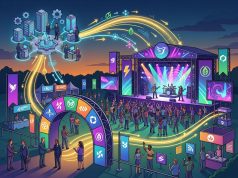
Corporate Sponsorship is a powerful way for businesses to increase brand visibility, connect with relevant audiences, and build stronger relationships within their communities. When planned strategically, sponsorships can go beyond placing a logo on an event banner. They can create meaningful experiences, strengthen brand credibility, generate leads, and support long-term business growth.
From local events to large industry conferences, companies can choose opportunities that match their target audience and marketing goals. A successful sponsorship also allows businesses to demonstrate their values while creating positive associations with their brands. By combining creative activation, audience engagement, and measurable objectives, companies can turn sponsorship investments into valuable marketing opportunities.
What Is Corporate Sponsorship?
Corporate sponsorship is a business arrangement where a company provides financial support, products, services, or other resources to an event, organization, project, or initiative in exchange for promotional and marketing benefits.
These benefits can include brand exposure, advertising opportunities, speaking opportunities, social media visibility, media coverage, and direct interaction with potential customers.
Unlike traditional advertising, sponsorship allows businesses to associate their brand with a specific experience, cause, community, or audience. This connection can make the brand more memorable and trustworthy.
Why Sponsorship Matters for Modern Businesses
Sponsorship gives companies an opportunity to reach audiences in environments where people are already engaged. Instead of simply displaying an advertisement, businesses can become part of an event or initiative that customers already value.
A well-planned sponsorship can improve brand recognition, create positive associations, increase engagement, and strengthen relationships with customers and business partners.
Set Clear Sponsorship Goals
 Before investing in any sponsorship opportunity, businesses should identify exactly what they want to achieve. Clear goals help companies select suitable opportunities and measure whether the investment is producing meaningful results.
Increase Brand Awareness
One of the most common sponsorship goals is increasing awareness. Businesses can place their brand in front of new audiences through events, conferences, sports programs, community activities, and industry initiatives.
Repeated exposure can help potential customers become familiar with the company and remember it when they need related products or services.
Generate Leads and Sales
Sponsorship can also support lead generation when businesses create opportunities for attendees to interact directly with the brand.
Companies can use demonstrations, contests, product trials, QR codes, registration forms, or exclusive offers to encourage potential customers to take the next step.
Strengthen Brand Reputation
Supporting valuable causes, professional organizations, educational programs, or community initiatives can help companies build a positive reputation.
When sponsorship reflects a company’s genuine values, audiences may develop stronger emotional connections with the brand.
Choose the Right Sponsorship Opportunities
Selecting the right opportunity is one of the most important parts of successful sponsorship marketing. A large event is not automatically a good investment if its audience does not match the company’s target customers.
Understand Your Target Audience
Businesses should examine who will attend or engage with the sponsored activity. Factors such as age, location, professional background, interests, purchasing behavior, and industry can influence the value of an opportunity.
A smaller event with a highly relevant audience may generate better results than a major event with limited audience relevance.
Evaluate Audience Reach
Companies should consider both the size and quality of the audience. Look at event attendance, website traffic, social media followers, email subscribers, media exposure, and previous engagement levels.
This information helps businesses estimate potential visibility before committing their budget.
Consider Audience Alignment
Audience alignment should be a central part of the decision-making process. A sponsorship works best when the event, organization, and brand naturally fit together.
Strong alignment makes promotional messages feel more authentic and increases the likelihood of meaningful engagement.
Explore Event Sponsorship Opportunities
 Event Sponsorship can provide businesses with valuable opportunities to interact directly with customers, industry professionals, and local communities.
Events can include conferences, trade shows, sports competitions, charity programs, festivals, workshops, webinars, and networking sessions.
Sponsor Industry Conferences
Industry conferences can help businesses reach decision-makers and professionals who are already interested in their products or services.
Companies can gain visibility through branded booths, presentations, panel participation, promotional materials, networking activities, and digital event platforms.
Support Local Events
Local sponsorships can help businesses strengthen relationships within their communities. Supporting local festivals, school programs, charity activities, or community events can increase recognition among nearby customers.
Local sponsorship can be particularly effective for businesses that depend on regional customers and community trust.
Sponsor Sports and Entertainment Events
Sports and entertainment events often attract highly engaged audiences. Businesses can use these opportunities to increase visibility through signage, branded merchandise, social media campaigns, contests, and interactive experiences.
The key is to create an experience that audiences remember rather than relying only on logo placement.
Build a Strong Brand Sponsorship Strategy
A successful Brand Sponsorship approach should connect sponsorship activities with broader marketing objectives. Companies need to understand how each partnership supports their positioning, audience development, and communication strategy.
Match Sponsorship With Brand Values
The sponsored organization or event should reflect the company’s values whenever possible. A strong connection creates a more authentic brand message.
For example, a company focused on sustainability may benefit from supporting environmental programs, while a technology business may sponsor innovation conferences or educational technology initiatives.
Create Memorable Brand Experiences
Businesses should look beyond banners and logos. Interactive experiences can create stronger connections with audiences.
Product demonstrations, photo opportunities, competitions, workshops, exclusive experiences, and educational sessions can encourage people to actively interact with a brand.
Use Storytelling
Sponsorship provides an opportunity to tell a meaningful brand story. Businesses can explain why they support an event, organization, or cause and how the partnership benefits the community.
Authentic storytelling can make sponsorship campaigns more engaging across websites, social media, email, and other marketing channels.
Use Digital Channels to Amplify Sponsorship
A sponsorship should not exist only at the physical event. Digital marketing can extend its reach before, during, and after the sponsorship.
Promote Sponsorship on Social Media
Businesses can create announcement posts, behind-the-scenes content, interviews, event updates, videos, and audience-generated content.
Using event-specific hashtags and tagging partners can increase visibility and encourage additional conversations around the campaign.
Create Sponsorship Content
Companies can publish blog posts, videos, interviews, case studies, and social content connected to the sponsorship.
This content can provide additional value while helping the business gain visibility beyond the original event audience.
Use Email Marketing
Email campaigns can help businesses inform existing customers about upcoming sponsored events, special activities, offers, and brand initiatives.
After the event, businesses can share highlights, results, photos, and useful resources to maintain engagement.
Create Interactive Sponsorship Campaigns
Interactive campaigns can turn passive audiences into active participants. Engagement gives people a reason to spend time with the brand and can create stronger memories.
Run Contests and Giveaways
Contests can encourage participation while increasing brand visibility. Businesses can offer relevant prizes, promotional products, discounts, or exclusive experiences.
The campaign should have simple participation requirements and a clear connection to the sponsored event or brand.
Offer Product Demonstrations
Product demonstrations allow customers to understand how a product or service works. Demonstrations are particularly useful for technology, consumer products, software, and professional services. A live demonstration can answer questions and reduce uncertainty for potential buyers.
Create Photo and Video Experiences
Branded photo areas, short-form video opportunities, and interactive displays can encourage attendees to create and share content.
User-generated content can extend sponsorship visibility beyond the event and introduce the brand to new audiences.
Partner With Influencers and Industry Experts
Influencers, speakers, professionals, and industry experts can help businesses expand the reach of sponsorship campaigns. Their existing audiences can provide additional exposure and credibility.
Collaborate With Relevant Creators
Businesses should prioritize relevance over follower count. A creator with a smaller but highly engaged audience may generate better results than a large account with limited connection to the target market.
The partnership should feel natural and provide value to the audience.
Use Expert Content
Companies can invite industry experts to participate in interviews, panels, webinars, or educational sessions connected to the sponsorship.
Expert-led content can strengthen authority while giving audiences useful information rather than purely promotional messaging.
Measure Sponsorship Performance
Measurement is essential for understanding whether a sponsorship is delivering business value. Companies should establish key performance indicators before launching the campaign.
Track Brand Visibility
Businesses can measure impressions, media mentions, website visits, social media reach, branded searches, and engagement to understand how much exposure the sponsorship generated.
Comparing these results with previous campaigns can help identify improvements.
Measure Audience Engagement
Engagement can include event participation, social interactions, content shares, QR code scans, downloads, registrations, and conversations with representatives.
These metrics help businesses understand whether audiences are actively responding to the sponsorship.
Calculate Lead and Revenue Impact
Lead generation and sales metrics can provide deeper insight into sponsorship effectiveness. Businesses can track new contacts, qualified leads, sales opportunities, conversions, and revenue influenced by the campaign.
Using tracking links, dedicated landing pages, promotional codes, or event-specific forms can make measurement easier.
Make Sponsorship More Cost-Effective
A sponsorship does not always require a large budget. Businesses can create valuable partnerships by selecting opportunities that match their objectives and available resources.
Negotiate Customized Sponsorship Packages
Companies should not assume they need to accept standard sponsorship packages. They can discuss customized options based on their goals.
For example, a business may prefer additional digital exposure, speaking opportunities, product demonstrations, or lead-generation activities instead of traditional advertising space.
Focus on Long-Term Partnerships
Long-term relationships can often provide greater value than one-time sponsorships. When a company repeatedly supports an organization or event, audiences may develop stronger recognition and trust.
Long-term partnerships can also provide better opportunities for collaboration and campaign planning.
Combine Online and Offline Promotion
Combining physical sponsorship activities with digital marketing can increase overall campaign value. A business can promote the event online, engage attendees offline, and continue the conversation through digital channels afterward.
This integrated approach helps maximize exposure from a single sponsorship investment.
Common Corporate Sponsorship Mistakes to Avoid
Businesses can reduce wasted investment by avoiding common sponsorship mistakes. Poor audience alignment, unclear goals, limited promotion, and weak measurement can reduce the overall effectiveness of a campaign.
Companies should avoid choosing opportunities simply because they are popular. They should also avoid focusing entirely on logo visibility without creating meaningful audience interactions.
Another common mistake is failing to promote the sponsorship across digital channels. Without additional marketing support, businesses may miss opportunities to reach audiences before and after the event.
Finally, companies should not ignore performance measurement. Tracking results helps identify which sponsorship activities are producing the strongest return.
Best Practices for Successful Sponsorship
A successful sponsorship requires planning, creativity, and consistent execution. Businesses should connect sponsorship activities with broader marketing objectives instead of treating them as isolated promotional campaigns.
Start with clear goals, research potential partners, understand the audience, and create an experience that provides genuine value. Promote the sponsorship across multiple channels and track meaningful performance indicators.
Companies should also review campaign results after each sponsorship. Learning from previous campaigns can help improve future partnerships, budget allocation, and audience engagement.
Future Trends in Corporate Sponsorship
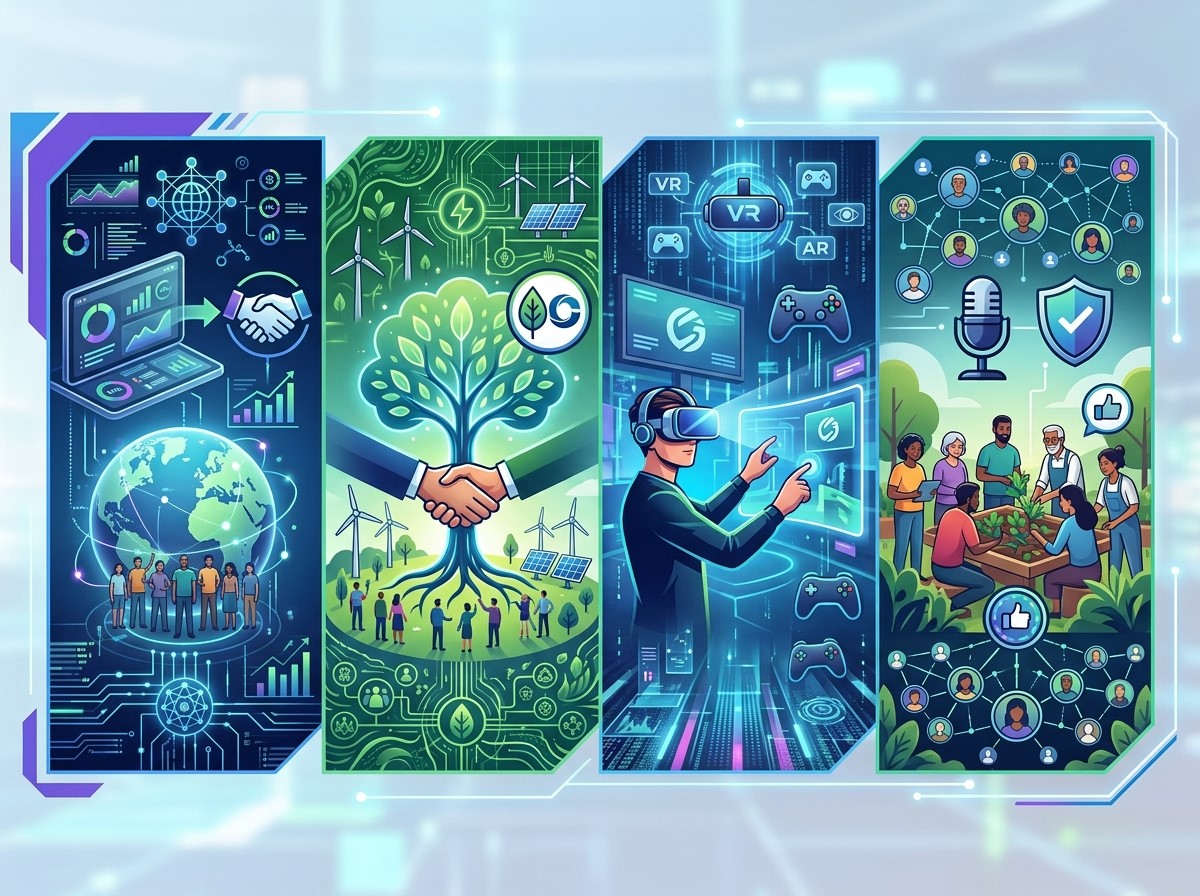 Corporate sponsorship is becoming increasingly digital and experience-focused. Businesses are using social media, online communities, influencer partnerships, interactive technology, and data-driven campaigns to make sponsorships more measurable and engaging. Virtual and hybrid events also provide new opportunities for businesses to reach audiences beyond geographical limitations.
As consumers increasingly value authenticity, companies are also becoming more selective about the causes and organizations they support. Sponsorships that demonstrate genuine purpose and create meaningful audience experiences are likely to become more valuable.
Conclusion
Corporate Sponsorship can help businesses increase brand visibility, strengthen relationships, generate leads, and build long-term brand value. The most successful campaigns are based on clear objectives, relevant audiences, creative experiences, and measurable results.
Whether through Event Sponsorship, Brand Sponsorship, community partnerships, or industry initiatives, companies can create stronger connections by making sponsorship part of a broader marketing strategy. With the right Sponsorship Strategy, businesses can turn partnerships into meaningful opportunities for visibility, engagement, reputation, and growth.
Frequently Asked Questions
1. What is Corporate Sponsorship?
Corporate Sponsorship is a partnership where a business provides financial or other support to an event, organization, project, or initiative in exchange for promotional and marketing benefits.
2. What are the main benefits of Corporate Sponsorship?
Major benefits include increased brand awareness, audience engagement, lead generation, reputation building, networking opportunities, and stronger customer relationships.
3. What is Event Sponsorship?
Event Sponsorship involves supporting an event financially or through products and services in exchange for promotional exposure, audience access, and other marketing opportunities.
4. How does Brand Sponsorship improve visibility?
Brand Sponsorship connects a business with relevant events, organizations, or audiences. This association can increase recognition and create positive experiences around the brand.
5. How can businesses choose the right sponsorship?
Businesses should evaluate audience relevance, event reach, brand alignment, promotional opportunities, expected costs, and potential business outcomes before selecting a sponsorship.
6. Is Corporate Sponsorship suitable for small businesses?
Yes. Small businesses can sponsor local events, community programs, professional groups, or niche activities that provide access to highly relevant audiences without requiring a large budget.
7. How can sponsorship generate leads?
Businesses can use contests, QR codes, product demonstrations, landing pages, registration forms, exclusive offers, and direct conversations to turn sponsorship engagement into leads.
8. How should businesses measure sponsorship success?
Businesses can track impressions, reach, engagement, website traffic, leads, conversions, media mentions, social interactions, and revenue influenced by the sponsorship.
9. Can sponsorship improve brand reputation?
Yes. Supporting relevant community programs, charitable causes, educational initiatives, or industry activities can strengthen reputation when the partnership genuinely reflects the company’s values.
10. What makes a successful Sponsorship Strategy?
A successful Sponsorship Strategy combines clear objectives, audience research, strong partner selection, creative activation, digital promotion, audience engagement, and consistent performance measurement.