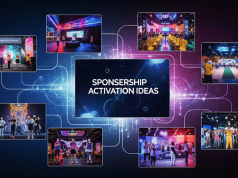
Sponsorship marketing is going through a change, making it possible for brands, organizations, and perhaps even audiences to get along better. A logo on a stadium billboard worked in the past or putting up banners in the background of conferences was enough, but today’s consumers need more from their brands. They want experiences that touch them personally in some way and this fact of consumer behavior has forced many now proud new sponsors to revise what had been thought to be well established sponsor techniques.
Understanding the Traditional Sponsorship Model
Before we discuss the shift, it’s essential to understand what traditional sponsorship marketing entails. Historically, sponsorships revolved around visibility and brand association. Companies would pay to have their logos prominently displayed at events, on athletes’ gear, or on televised segments.
Hallmarks of the Traditional Model:
- Brand Awareness: The primary goal was sheer exposure.
- Passive Engagement: Audiences observed the sponsor’s presence but rarely interacted with the brand.
- Limited Data Collection: There was minimal focus on tracking audience behaviors or evaluating ROI.
While this approach worked in the pre-digital era, it struggled to keep up with changing consumer preferences and the rise of engagement-focused platforms.
Drivers of the Sponsorship Marketing Paradigm Shift
Several factors have spurred this shift in sponsorship marketing. From technological advancements to evolving consumer expectations, here are the key drivers behind this transformation.
1. The Rise of Experiential Marketing
Consumers today seek meaningful interactions rather than passive observations. They’re not content to merely see a logo; they want to experience what a brand stands for. This is where experiential marketing comes into play.
2. Data-Driven Strategies
Modern sponsorships lean heavily on the ability to collect, analyze, and act on data. Brands now make decisions backed by metrics, such as audience demographics, engagement metrics, and conversion rates.
3. Digital and Social Media Platforms
Social media has redefined how brands approach sponsorships. With platforms like Instagram, TikTok, and YouTube, sponsorship marketing has become more interactive and measurable.
4. Consumer Demand for Authenticity
Today’s consumers are increasingly skeptical of traditional ads and sponsorships they perceive as insincere. They demand authentic collaborations where the sponsor’s values align with those of the event, individual, or cause they’re supporting.
Key Elements of the New Sponsorship Marketing Model
The evolution in sponsorship marketing isn’t just a buzz; it’s grounded in clear strategies that prioritize connection, experience, and authenticity.
1. Deep Audience Engagement
Brands now design sponsorships with a focus on engaging specific target audiences through personalized experiences.
Example Strategies:
- Interactive booths at events where attendees can experience products (e.g., sampling or demos).
- Virtual experiences, such as webinars or AR/VR immersive campaigns.
2. Long-Term Partnerships
Rather than one-off sponsorship activations, brands are committing to long-term collaborations. These partnerships build trust over time and create more cohesive brand narratives.
3. Genuine Storytelling
Telling compelling stories has become an integral part of modern sponsorships. Successful campaigns use storytelling to connect emotionally with their audience.
4. Measurable ROI and KPIs
Consider the following: A research manager at Pepsi Cola is named Alex. He reviews social media trends, as well sentiment analysis after large sponsored events in order to measure how participants feel about (the company’s) presence or its effect upon prices.
Opportunities in the Paradigm Shift
The sponsorship marketing evolution is creating exciting opportunities for brands and organizations alike.
Opportunity 1: Building Authentic Communities
Brands can connect with niche communities by aligning their sponsorship efforts with shared interests and values.
Opportunity 2: Reaching Global Audiences
Digital platforms have expanded the reach of sponsorships, enabling brands to connect with international audiences far beyond the physical event.
Opportunity 3: Leveraging AI and Automation
Using AI, brands can predict audience behaviors, tailor sponsorship strategies, and even automate campaigns for wider reach.
Opportunity 4: Corporate Social Responsibility (CSR)
Modern sponsorships provide brands with the opportunity to demonstrate their commitment to social causes, thereby enhancing brand perception while doing good.
How to Adapt to the New Sponsorship Marketing Model
Here are actionable steps for brands to thrive amidst the paradigm shift in sponsorship marketing.
1. Research Your Audience
Understand who your audience is, what they value, and where they spend their time. Leverage tools like social media analytics and market research to gain these insights.
2. Align Sponsorships with Purpose
Partner with individuals, events, or causes that resonate with your brand’s mission and values. Authenticity is essential.
3. Collaborate with Influencers and Content Creators
Leverage influencers who align with your brand, using their storytelling capabilities to connect with audiences on platforms they trust.
4. Invest in Measurement Tools
Track your sponsorship’s impact using tools for audience engagement, sales analytics, and sentiment analysis to understand your ROI.
Redefining Success in Sponsorship Marketing
No longer is it sponsorship marketing composed of logos and fleeting impressions. It’s about more than that. You need to develop customer relationships, provide the customer with something of value, and create experiences that will be remembered long after they have been tested.
By adapting to this paradigm shift, brands cannot only survive but also flourish in today’s dynamic marketing landscape.
What’s your sponsorship strategy expecting to achieve? Redefine your relationship to audiences and excel.