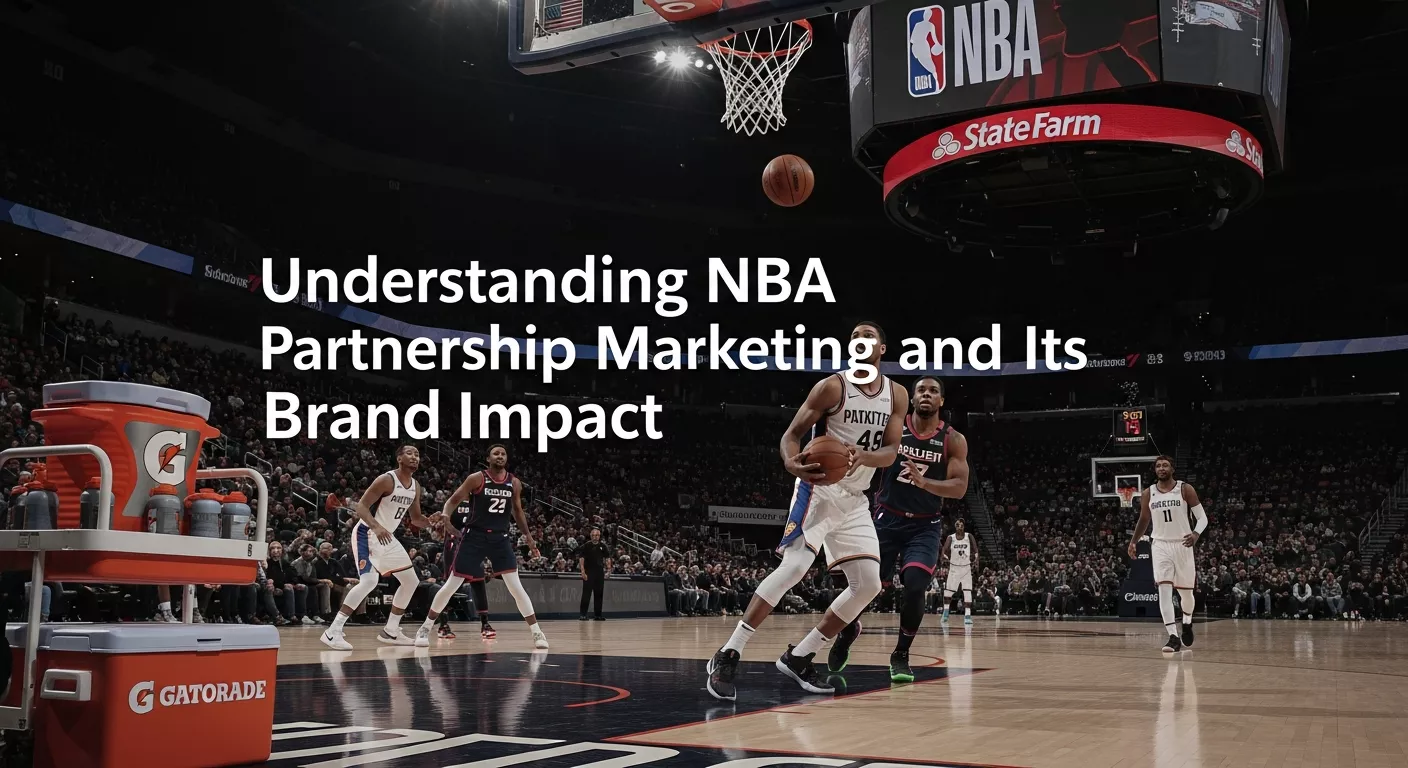
The Strategic Evolution of NBA Partnership Marketing
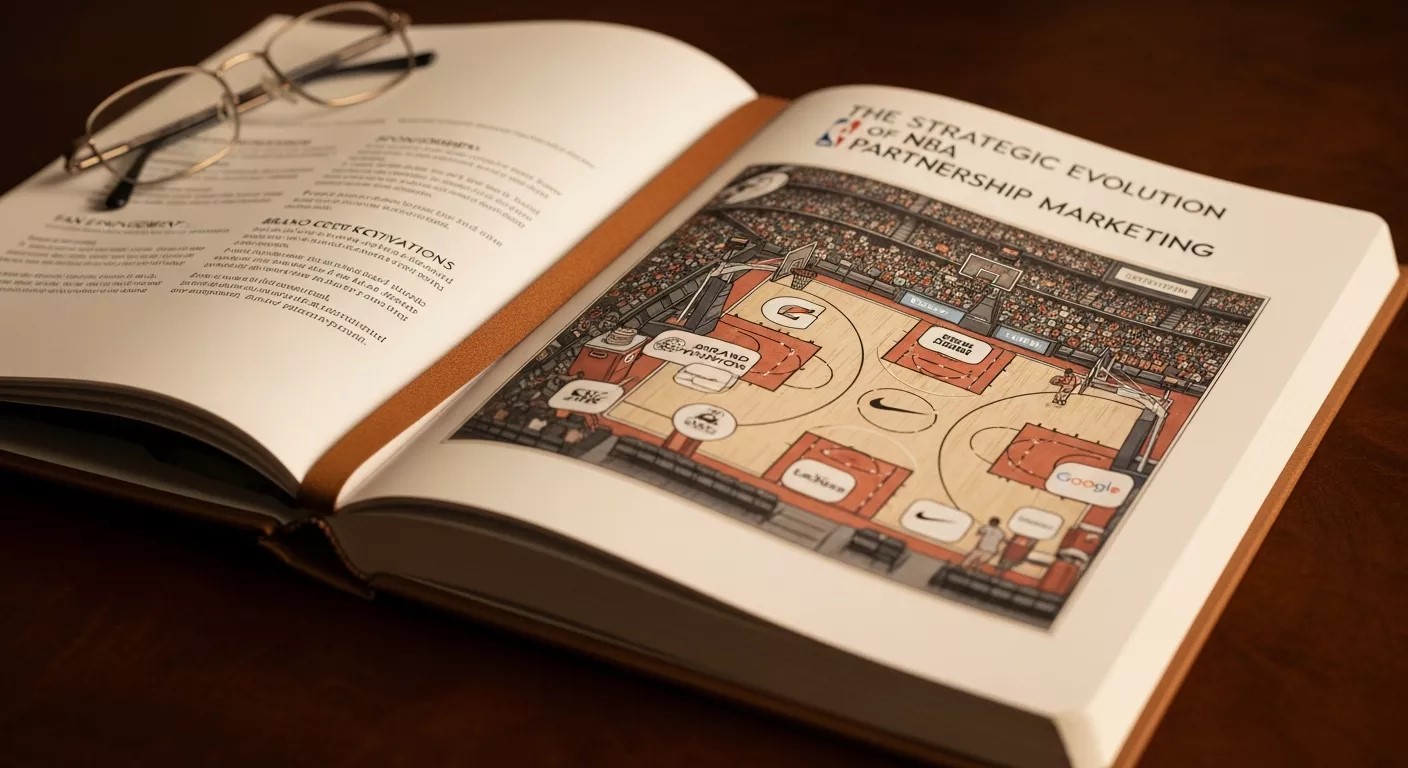
NBA Partnership Marketing has become one of the most sophisticated and influential collaboration models in modern sports and brand ecosystems. In an era where traditional advertising struggles to command trust, the NBA has transformed partnerships into a strategic growth engine that blends cultural relevance, emotional loyalty, and commercial scalability.
Unlike conventional sponsorships that focus on logo placement or short-term exposure, Partnership Marketing with NBA operates as a long-term value exchange between the league, its teams, players, and global brands. This ecosystem-driven approach allows partners to embed themselves deeply into fan experiences, narratives, and community identity.
As consumer behavior shifts toward authenticity, association, and experience-led engagement, understanding Partnership Marketing with NBA provides critical lessons for brands far beyond sports.
The Evolution of NBA Partnership Marketing in the Digital Era
NBA Partnership Marketing did not become powerful overnight. It evolved alongside changes in media consumption, fan behavior, and brand expectations.
From Sponsorship to Strategic Partnerships
In earlier decades, NBA partnerships were largely transactional. Brands paid for visibility—jersey logos, arena signage, or broadcast mentions. While effective at scale, these partnerships lacked emotional depth and measurable long-term impact.
Today, Partnership Marketing with NBA is designed around:
- Integrated storytelling
- Multi-platform activation
- Fan-centric value creation
- Data-driven optimization
This evolution reflects a broader shift in marketing where brands seek relevance rather than reach alone.
The Role of Globalization
The NBA’s global fan base has played a critical role in shaping its partnership model. With audiences across continents, cultures, and digital platforms, NBA Partnership Marketing emphasizes localization without losing global brand consistency.
Partners gain access to:
- Regional fan insights
- Localized campaigns
- Cross-cultural brand credibility
This global-local balance makes NBA partnerships uniquely scalable.
Understanding the Core Structure of NBA Partnership Marketing
At its foundation, NBA Partnership Marketing operates as a layered ecosystem rather than a single agreement.
League-Level Partnerships
These partnerships involve the NBA as an organization collaborating with global brands. Examples include apparel, technology, beverage, and financial service partners.
League-level NBA Partnership Marketing focuses on:
- Global visibility
- Platform integration
- Long-term category ownership
Team-Level Partnerships
Individual NBA teams form partnerships that reflect local culture, fan demographics, and regional business ecosystems. This allows brands to connect with specific communities more deeply.
Player-Driven Brand Alignments
Players act as cultural connectors. Their personal brands amplify NBA Partnership Marketing by adding authenticity, lifestyle relevance, and emotional storytelling.
Why NBA Partnership Marketing Works Psychologically
The success of NBA Partnership Marketing is deeply rooted in modern human psychology.
Trust Transfer and Authority Bias
When a brand partners with the NBA, it benefits from institutional trust built over decades. Fans subconsciously transfer their loyalty and emotional attachment to associated brands.
This authority bias reduces skepticism and increases brand acceptance.
Identity and Community Belonging
NBA fandom is not just entertainment it is identity. NBA Partnership Marketing allows brands to embed themselves within that identity, becoming part of how fans express belonging.
Emotional Anchoring Through Culture
Music, fashion, social justice, and youth culture are intertwined with the NBA. Partnerships aligned with these cultural elements feel organic rather than promotional.
Strategic Objectives Behind NBA Partnership Marketing
NBA Partnership Marketing is designed with clear strategic intent rather than exposure-based thinking.
Brand Equity Building
Many NBA partnerships prioritize long-term brand perception over immediate sales. This includes trust, relevance, and cultural alignment.
Market Expansion
Global brands leverage NBA Partnership Marketing to enter new markets with built-in credibility and audience interest.
Engagement Over Impressions
Modern NBA partnerships focus on depth of engagement—interactions, experiences, and participation rather than raw reach.
NBA Partnership Marketing and Data-Driven Execution
Data plays a central role in optimizing NBA Partnership Marketing outcomes.
Fan Behavior Analytics
The NBA collects extensive data across:
- Streaming platforms
- Social engagement
- Merchandise behavior
- Event participation
Partners use these insights to refine messaging, targeting, and activation timing.
Performance Measurement Frameworks
NBA Partnership Marketing success is measured through:
- Engagement quality
- Brand lift studies
- Conversion attribution
- Long-term loyalty indicators
This measurement-driven approach differentiates partnerships from vanity sponsorships.
Activation Channels in NBA Partnership Marketing
NBA Partnership Marketing operates across a wide range of touchpoints to reinforce brand presence.
Digital and Social Platforms
Social media, short-form video, and interactive content play a critical role in partnership activation. Brands co-create content that aligns with NBA narratives rather than interrupting them.
Live Events and Experiences
From in-arena activations to fan festivals, experiential marketing strengthens emotional connection and memorability.
Content and Storytelling
Documentaries, behind-the-scenes features, and branded storytelling deepen fan-brand relationships.
Sponsorship Strategy In Sports Marketing Within the NBA Model
The NBA exemplifies how a modern Sponsorship Strategy In Sports Marketing can evolve into a value-driven partnership system. Rather than focusing solely on financial exchange, the NBA prioritizes narrative alignment, shared values, and long-term collaboration.
This strategic approach ensures that sponsors are perceived as contributors to the sport and its culture, not just advertisers.
NBA Partnership Marketing vs Traditional Brand Advertising
| Aspect | Traditional Advertising | NBA Partnership Marketing |
|---|---|---|
| Trust Level | Moderate to low | High |
| Engagement | Passive | Active |
| Longevity | Short-term | Long-term |
| Cultural Impact | Limited | Strong |
| Audience Relationship | Transactional | Emotional |
This contrast explains why NBA Partnership Marketing delivers sustainable brand impact.
Sponsorship Based Brand Marketing for Growth Through the NBA
NBA Partnership Marketing demonstrates how Sponsorship Based Brand Marketing for Growth can be executed without compromising authenticity. Brands that integrate into NBA initiatives youth programs, community outreach, or innovation projects benefit from meaningful association rather than surface-level exposure.
Growth emerges from trust, not interruption.
The Role of Innovation in NBA Partnership Marketing
Innovation is a defining characteristic of NBA partnerships.
Technology Integrations
From wearable tech to advanced analytics, technology partners become part of the game experience itself.
Fan Experience Innovation
Augmented reality, interactive broadcasts, and personalized content elevate engagement while delivering measurable value to partners.
NBA Partnership Marketing and Cultural Leadership
The NBA often positions itself at the forefront of cultural conversations. Partnerships aligned with social responsibility, diversity, and youth empowerment gain deeper resonance.
This cultural leadership enhances brand relevance, especially among younger demographics.
Sponsorship vs. Collaboration in the NBA Context
Understanding Sponsorship vs. Collaboration is essential to grasp NBA Partnership Marketing. Sponsorship implies payment for visibility, while collaboration implies co-creation of value.
The NBA increasingly favors collaboration:
- Joint initiatives
- Shared storytelling
- Co-created fan experiences
This shift reflects modern expectations of brand behavior.
Risk Management and Brand Alignment
NBA Partnership Marketing includes strict alignment standards to protect brand equity on both sides.
Brand Safety Measures
- Partner vetting
- Content governance
- Ethical alignment
Reputation Management
Brands are evaluated not just for financial contribution but for cultural and social alignment with the NBA’s values.
Lessons Brands Can Learn from NBA Partnership Marketing
While rooted in sports, NBA Partnership Marketing offers universal lessons:
- Build ecosystems, not campaigns
- Prioritize trust over reach
- Align with culture, not just audiences
- Measure long-term brand impact
These principles apply across industries.
NBA Partnership Marketing as a Blueprint for Modern Growth
NBA Partnership Marketing represents a shift from isolated brand messaging to network-driven growth. It demonstrates how partnerships, when executed strategically, become competitive advantages that are difficult to replicate.
As markets become more crowded and consumers more selective, the NBA model highlights the future of brand building through collaboration, relevance, and shared value.
Economic Impact of NBA Partnership Marketing on Brands
Beyond visibility and engagement, NBA Partnership Marketing generates measurable economic value for partner brands. These partnerships influence not only marketing performance but also pricing power, market penetration, and long-term brand valuation.
Brands associated with the NBA often experience:
- Increased brand recall during purchase decisions
- Higher willingness to pay due to perceived premium positioning
- Faster trust-building in new markets
This economic lift is not always immediate, but it compounds over time. NBA-aligned brands benefit from sustained exposure within a high-loyalty ecosystem, which reduces long-term customer acquisition costs.
Long-Term Brand Equity Creation Through NBA Partnerships
One of the most overlooked aspects of NBA Partnership Marketing is its impact on brand equity rather than short-term ROI.
Emotional Brand Memory
NBA moments finals games, legendary players, iconic rivalries—are emotionally charged. Brands that integrate into these moments become part of long-term memory rather than temporary impressions.
Brand Consistency Over Time
NBA partnerships often span multiple seasons or years. This continuity reinforces brand messaging and prevents the dilution caused by fragmented campaigns.
Long-term association builds familiarity, and familiarity builds trust.
The Role of Storytelling in NBA Partnership Marketing
Storytelling is a central pillar of NBA Partnership Marketing. Instead of product-centric messaging, partners align with narratives that matter to fans.
Player Journeys and Brand Alignment
Brands often attach themselves to themes like resilience, excellence, innovation, or community uplift values embodied by players and teams.
This narrative alignment ensures that marketing feels inspirational rather than promotional.
Season-Based Narrative Arcs
NBA seasons naturally create story arcs drafts, playoffs, championships. Partners leverage these cycles to create evolving campaigns that maintain audience interest.
How NBA Partnership Marketing Shapes Youth and Gen Z Perception
Younger audiences are particularly resistant to traditional advertising. NBA Partnership Marketing succeeds here because it integrates into platforms, formats, and cultural spaces that Gen Z already trusts.
Digital-Native Engagement
Short-form video, interactive content, gaming collaborations, and social-first activations allow brands to remain relevant without feeling intrusive.
Value-Driven Association
Younger audiences respond to purpose. Partnerships tied to education, diversity, sustainability, or mental health resonate more deeply than pure commercial messaging.
Organizational Alignment Behind NBA Partnership Marketing
Successful NBA partnerships require strong internal alignment within brands.
Cross-Department Collaboration
Marketing teams work alongside:
- Product teams (for integrations)
- Legal teams (for rights and compliance)
- Data teams (for performance insights)
This cross-functional coordination ensures that partnerships deliver value beyond surface-level branding.
Leadership Buy-In
NBA partnerships often represent significant long-term investments. Executive alignment ensures consistency, patience, and strategic focus.
Localization Strategy Within NBA Partnership Marketing
Despite its global scale, NBA Partnership Marketing emphasizes local relevance.
Market-Specific Activations
Brands adapt messaging, language, and cultural references for different regions while maintaining core brand identity.
Regional Partnerships and Grassroots Impact
Local events, youth programs, and community initiatives strengthen regional trust and visibility.
This localization strategy prevents global partnerships from feeling distant or generic.
Competitive Differentiation Through NBA Partnerships
In saturated categories, differentiation is difficult. NBA Partnership Marketing provides a competitive edge that competitors cannot easily replicate.
Association-Based Differentiation
When multiple brands offer similar products, association with a premium sports league creates perceived superiority.
Barrier to Entry
Long-term NBA partnerships limit access for competitors, creating strategic exclusivity within product categories.
Risk Considerations in NBA Partnership Marketing
While powerful, NBA partnerships require careful risk assessment.
Cultural Sensitivity
Because the NBA operates globally, brands must navigate cultural nuances carefully to avoid misalignment or backlash.
Reputation Spillover
Brands are affected by league-level controversies, player behavior, or public discourse. This requires proactive reputation monitoring.
Effective partnership management includes contingency planning and communication frameworks.
Measuring Intangible Outcomes of NBA Partnership Marketing
Not all partnership benefits are immediately quantifiable.
Brand Sentiment and Trust Indicators
Surveys, sentiment analysis, and social listening help measure shifts in perception over time.
Long-Term Customer Loyalty
NBA-aligned brands often experience stronger retention and advocacy, even if conversion metrics lag initially.
These intangible outcomes contribute to sustainable growth rather than short-term spikes.
NBA Partnership Marketing as a Learning Model for Non-Sports Brands
Even brands outside sports can extract valuable lessons from Partnership Marketing with NBA.
Key takeaways include:
- Build partnerships around shared values
- Focus on ecosystem thinking rather than isolated campaigns
- Prioritize trust and cultural relevance
- Invest in long-term narratives, not quick wins
This makes the NBA model relevant across technology, finance, consumer goods, and service industries.
Strategic Maturity and the Future of NBA Partnership Marketing
As marketing ecosystems evolve, Partnership Marketing with NBA continues to mature.
Future developments are likely to include:
- Deeper data integration with partners
- AI-driven fan Engagement
- More personalized partnership activations
- Stronger alignment with social and cultural movements
Brands that understand this evolution will be better positioned to collaborate meaningfully rather than merely sponsor.
Why NBA Partnership Marketing Remains a Gold Standard
The NBA has successfully transformed partnerships into strategic assets rather than promotional expenses. Its model demonstrates how brands can grow by embedding themselves into trusted ecosystems instead of competing for attention.
This approach reflects the future of marketing where relevance, relationships, and shared value define success.
Conclusion
NBA Partnership Marketing demonstrates how brands can move beyond traditional sponsorships to build trust, cultural relevance, and long-term value through strategic collaboration. By aligning with fan psychology, data, and ecosystem thinking, brands can achieve sustainable growth and lasting impact.
Frequently Asked Questions (FAQ)
What is NBA Partnership Marketing?
NBA Partnership Marketing is a strategic collaboration model where brands partner with the NBA, its teams, or players to achieve long-term brand growth through trust, cultural relevance, and shared audiences.
How is NBA Partnership Marketing different from traditional sponsorship?
Traditional sponsorship focuses on visibility, while Partnership Marketing with NBA emphasizes value co-creation, storytelling, fan engagement, and long-term brand equity.
Why do global brands choose NBA Partnership Marketing?
Brands choose it for global reach, strong fan loyalty, cultural influence, and the ability to build credibility faster than standalone advertising.
What types of brands benefit most from NBA partnerships?
Apparel, technology, finance, consumer goods, entertainment, and lifestyle brands benefit most due to their alignment with culture, innovation, and mass audiences.
How does NBA Partnership Marketing build trust?
It leverages trust transfer, where fans extend their loyalty to brands associated with the NBA, reducing skepticism and increasing engagement.
Is NBA Partnership Marketing effective for digital-first audiences?
Yes. The NBA’s strong presence on social media, streaming platforms, and interactive content makes partnerships highly effective for Gen Z and digital-native audiences.
How are NBA partnerships measured for success?
Success is measured through engagement metrics, brand lift, audience sentiment, conversion impact, and long-term brand equity indicators.
Can small or emerging brands partner with the NBA?
While league-level partnerships require scale, emerging brands can collaborate at team, regional, or campaign-specific levels.
What role do players play in NBA Partnership Marketing?
Players act as cultural influencers, helping brands connect emotionally with fans through authenticity and personal storytelling.
What can non-sports brands learn from NBA Partnership Marketing?
They can learn ecosystem thinking, long-term collaboration, cultural alignment, and trust-based growth strategies applicable across industries.