Sponsorships today rank as one of the most powerful ways of enhancing brand presence, fostering customer trust, and soliciting engagement. Sponsorships give marketers a singular chance to connect with target markets in a real way by engaging with common values and experiences. But what are all these different sponsorship opportunities out there? How can marketers use them strategically to meet objectives?
Why Sponsorships Are Thriving in Modern Marketing
Before we get into the “how,” we need to understand why sponsorships work. The old days of advertising can’t penetrate in an age where digital buyers can skip, block, or scroll past ads. Sponsorships, however, place brands within actual experiences that are stickier and more engaging than advertising.
An effective sponsorship strategy can:
- Make brand recognition greater by associating it with quality events or platforms.
- Build emotional connections by associating the brand with activities or causes the audience cares about.
- Produce high-quality leads by exposure to a segment audience.
Sponsorship Options Marketers Need to Consider
Sponsorship options have evolved a long, long way from traditional sports or event sponsorships. Here’s an overview of some of the most sought-after sponsorship activities available to marketers today:
1. Event Sponsorships
Event sponsorship generates unique access to an intensely engaged group of people, ranking among the most desired forms of sponsorship. Across small-scale neighbourhood events and glamorous global ones, brands are able to engage with varying sizes and categories.
Examples of event sponsorships:
- Sports Events: Adidas sponsoring the FIFA World Cup or Rolex sponsoring Wimbledon.
- Music and Arts Festivals: Coachella and Sundance, among others, have huge, diverse audiences, offering brands an artistic engagement opportunity.
- Conferences and Trade Shows: B2B businesses can sponsor industry conferences like SaaStr Annual or CES to showcase their expertise while targeting niche industries.
Event sponsorship offers upscale brand visibility in the form of promotions such as banners, co-branded swag, and even VIP-only spaces.
Pro Tip
Prioritize events of interest to your audience to achieve the highest ROI. For instance, a fitness brand targeting Gen Z might sponsor a marathon in a health-conscious city.
2. Digital Content Sponsorships
With the exponential growth of digital media, content sponsorships have emerged as one of marketers’ best strategies. Brands partner with creators, platforms, or publishers, using high-quality content to attract their audience’s attention.
Examples:
- Podcast Sponsorships: Businesses like Squarespace and BetterHelp regularly sponsor leading podcasts by supporting hosts whose audience is within their target market.
- YouTube Videos: Creators can organically include sponsored products or messages within their content.
- Blog Content: Partnering with a niche blog to include sponsored content in the form of posts can build credibility and provide quality backlinks for search engine optimization.
Why it works
Content sponsorship feels more organic than traditional ads. The viewer is already invested in the platform or personality, and hence the brand’s message can be believable.

3. Influencer Sponsorships
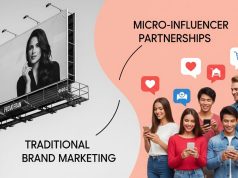
Influencer marketing has turned out to be a game-saver, particularly for businesses aimed at the younger generation. Influencer sponsorship gives you access to their loyal fans, where a simple endorsement can drive actual results.
Types of influencer sponsorships:
- Social Media Posts: Glossier-brand types often team up with micro-influencers to author sponsored reviews or tutorials.
- Brand Ambassadorships: Multi-year sponsorship deals, like Nike’s sponsorship of sports figure Serena Williams, have your company paired with a trustworthy name.
- Exclusive Product Collaboration: Brands team up with influencers to collaborate on special products in order to engage more with their audience (e.g., MAC beauty products with beauty YouTubers).
When choosing influencers, emphasize authenticity and alignment with brand voice. Nano- and micro-influencers (those with less than 50,000 followers) tend to provide more engagement compared to mega-influencers.
4. Corporate Social Responsibility (CSR) Sponsorships
Today’s consumers, especially Millennials and Gen Z, expect brands to be socially and environmentally responsible. CSR sponsorships position your brand alongside influential causes, like environmental stewardship or diversity initiatives.
Examples:
- Charity Events: A business would underwrite a 5K charity walk to support cancer research.
- Partnerships with Nonprofits: Patagonia regularly underwrites environmental preservation programs that fit with the company’s brand.
- Sustainability Campaigns: Starbucks underwrites tree planting or fair sourcing campaigns to promote eco-awareness.
Why it works
CSR sponsorships reinforce your brand as a values-based business. It’s an opportunity to not only sell goods but to connect with purpose-driven customers.
5. Esports Sponsorships
The esports industry is on the rise, with more than 234 million worldwide viewers. It is possible to reach a youth demographic that is deep into technology by sponsoring gaming tournaments, gamers, or streaming websites.
Examples:
- International esports clubs are sponsored by Intel and Red Bull.
- Logitech sponsors live video game tournaments on websites such as Twitch.
- Small gaming firms can provide hardware or finances to amateur gaming tournaments.
Brands can be integrated into the competitive gaming culture in various forms, such as sponsored arenas, sponsored in-game content, or sponsored gaming peripherals.
6. Programmatic Sponsorships
The growth of AI and analytics has enabled programmatic sponsorship capabilities that enable brands to use data-driven play to sponsor real-time automated ad placements.
How it works
By means of sites like Google Ads or The Trade Desk, brands are underwriting high-quality content on top publisher websites or apps. Your company name, for example, may be sitting as a sponsor of a certain video pre-roll on YouTube.
Programmatic sponsorships are quantifiable, scalable, and a wonderful way to customize a message to every user segment.
How To Choose the Right Sponsorship for Your Brand

Not all sponsorship types will work for your brand’s needs or budget. Here’s how you can determine the right way:
- Know Your Audience
Know where your ideal customers congregate and what type of activities they enjoy. - Define Your Objectives
Be it lead gen, awareness, or sales, your sponsorship should tie back to some marketing goals. - Measure Success
Create KPI like event attendee engagement, social impressions, or sales uplift to track ROI. - Start Small
If you’re new to sponsorships, begin with a smaller-scale campaign to test the waters.
Building Authentic Connections Through Sponsorship
Sponsorships are an invaluable tool for modern marketers. Whether you’re aligning your brand with a charity, hosting a branded event, or collaborating with digital influencers, the opportunity for meaningful connection is unmatched. By thoughtfully exploring and executing sponsorships, your company can create lasting impressions while driving real business results.