Sponsorship based brand marketing is no longer optional for growth-focused brands; it has become a strategic system for building trust, relevance, and long-term market advantage beyond traditional promotion models.
Why Brand Growth Today Demands a New Marketing Mindset
Brand growth no longer follows the predictable paths it once did. Audiences have become selective, platforms have become saturated, and attention has turned into the most expensive currency in marketing. In this environment, brand marketing is no longer just about visibility or frequency it is about relevance, alignment, and perceived value. Brands that continue to rely only on interruptive promotion struggle to sustain momentum, while those that build meaning-driven connections begin to compound trust over time.
This shift has created space for a more relationship-centric approach to growth, where marketing is not something done to an audience but something created with ecosystems they already value. That is where sponsorship based brand marketing begins to show its real power, not as a tactic, but as a structural advantage.
How Sponsorship Became a Strategic Growth Lever

To understand why sponsorship now plays such a central role in brand growth, it is important to revisit What Is Sponsorship In Marketing in its modern context. Sponsorship today is not limited to funding events or placing logos alongside content. It represents a strategic partnership where brands integrate themselves into platforms, communities, or experiences that already hold emotional and cultural relevance for their target audience.
When done correctly, sponsorship allows a brand to borrow trust, credibility, and attention instead of trying to manufacture them from scratch. This is fundamentally different from traditional brand marketing approaches that depend on repeated exposure alone. Sponsorship-based growth works because it aligns a brand with something people already care about, rather than asking them to care about the brand first.
The Difference Between Promotion and Participation
One of the most overlooked reasons sponsorship accelerates brand growth is its participatory nature. Traditional brand marketing often positions the brand as the speaker and the audience as the listener. Sponsorship reverses this dynamic by placing the brand inside a shared experience.
This distinction is critical because modern consumers respond more positively to brands that feel embedded in their interests rather than imposed upon them. Participation creates familiarity, and familiarity builds trust. Over time, that trust translates into preference, loyalty, and advocacy, all of which are far more durable than short-term awareness spikes.
Why Brand Marketing and Sponsorship Are No Longer Separate
For many years, sponsorship was treated as a side activity, disconnected from core brand marketing strategy. That separation no longer holds. Today, brand marketing and sponsorship are increasingly interdependent, with sponsorship acting as a delivery mechanism for brand values, storytelling, and positioning.
This integration explains why discussions around What is Brand Sponsorship in Marketing have shifted toward long-term alignment rather than short-term exposure. Brand sponsorship is now evaluated based on how well it reinforces brand identity, supports strategic narratives, and contributes to sustained growth rather than isolated impressions.
Building Trust Faster in Crowded Markets
Trust is the most difficult asset to build and the easiest to lose. In crowded markets where consumers are constantly exposed to competing messages, trust rarely comes from claims alone. It comes from association. When a brand consistently appears alongside credible platforms, respected communities, or meaningful initiatives, it benefits from a psychological transfer of credibility.
This is one of the strongest arguments for sponsorship based brand marketing as a growth engine. Instead of asking audiences to believe in brand promises, sponsorship allows brands to demonstrate their values through the company they keep.
Strategic Alignment as the Foundation of Effective Sponsorship
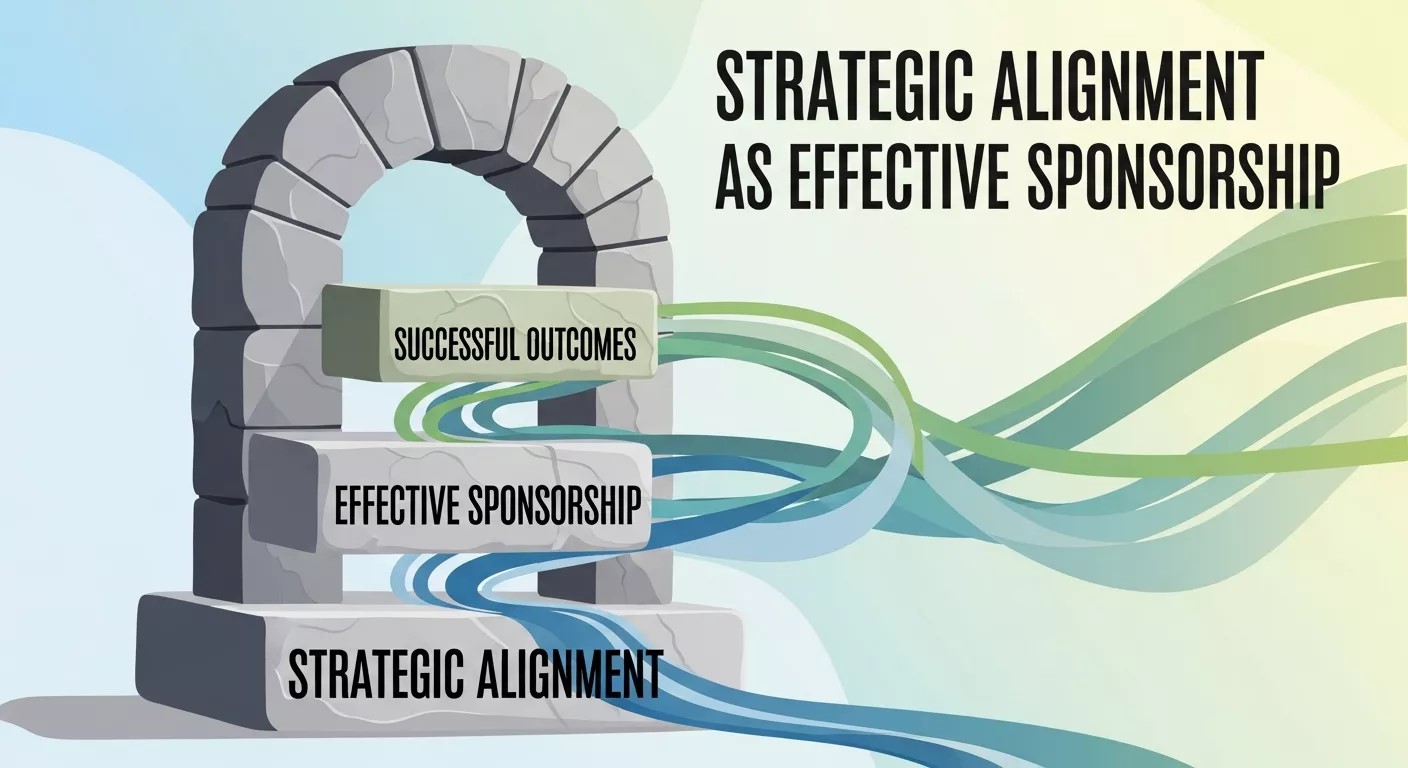
Not all sponsorships drive growth. In fact, poorly aligned sponsorships can dilute brand identity and confuse audiences. Growth occurs only when there is strategic alignment between the brand’s purpose, the sponsored entity’s values, and the audience’s expectations.
This is where advanced Sponsorship Marketing Strategies come into play. Effective strategies prioritize relevance over reach, depth over scale, and long-term value over short-term visibility. Brands that understand this approach treat sponsorship as a strategic investment rather than a marketing expense.
The Role of Consistency in Brand Memory
Brand growth is not built through isolated moments but through consistent signals over time. Sponsorship excels in this area because it often involves recurring exposure within a defined context. Whether it is a season-long partnership, an ongoing content collaboration, or a multi-year association, sponsorship creates repeated touchpoints that reinforce brand memory naturally.
This consistency helps brands move from recognition to recall and eventually to preference. Unlike interruptive advertising, sponsorship allows repetition without fatigue because it is embedded within experiences the audience has already chosen to engage with.
Emotional Connection as a Growth Multiplier
Rational benefits may influence consideration, but emotional connection drives loyalty. Sponsorship has a unique ability to tap into emotion because it connects brands to passion points such as sports, culture, education, innovation, or social impact. These emotional associations deepen brand relationships in ways that purely functional messaging cannot.
As brand marketing becomes more emotionally driven, sponsorship provides a scalable way to align with feelings that already exist rather than attempting to create them artificially.
Data, Measurement, and the Evolution of Sponsorship Value
One of the reasons sponsorship was historically undervalued was the lack of clear measurement. That has changed. Modern analytics, audience insights, and performance tracking have transformed sponsorship into a measurable growth channel.
Brands can now evaluate sponsorship impact across awareness, engagement, sentiment, and even conversion pathways. This data-driven approach has elevated sponsorship from a branding experiment to a strategic growth pillar within brand marketing planning.
Long-Term Growth Versus Short-Term Gains
Short-term campaigns may generate quick results, but sustainable growth requires long-term thinking. Sponsorship based brand marketing naturally encourages this mindset because partnerships often span extended periods and evolve over time.
As partnerships mature, brands gain deeper access to audiences, richer storytelling opportunities, and stronger credibility. This compounding effect is one of the most powerful yet underappreciated benefits of sponsorship-led growth.
Why Audiences Respond Differently to Sponsored Brands
Audiences are not opposed to marketing; they are opposed to irrelevance. When a brand appears in a context that feels natural and aligned, it is perceived less as advertising and more as contribution. Sponsorship achieves this by placing brands within narratives that audiences already trust.
This explains why sponsored brands often enjoy higher engagement and more positive sentiment compared to brands relying solely on traditional brand marketing channels.
Sponsorship as a Signal of Brand Confidence

Choosing to sponsor is also a signal. It communicates that a brand is confident enough to stand alongside other respected entities and be evaluated in that context. This perceived confidence influences how audiences interpret brand messaging.
In competitive categories, these subtle signals often differentiate leaders from followers. Sponsorship becomes not just a marketing activity but a statement about where a brand believes it belongs.
Integrating Sponsorship Into the Brand Growth Funnel
Sponsorship is sometimes misunderstood as a top-of-funnel activity only. In reality, it influences multiple stages of the customer journey. Early exposure builds awareness, ongoing association builds trust, and deeper integrations support consideration and loyalty.
When integrated properly, sponsorship complements other brand marketing efforts rather than competing with them, creating a cohesive growth system instead of fragmented tactics.
The Compounding Advantage of Early Sponsorship Adoption
Brands that adopt sponsorship-based strategies early often gain a compounding advantage. They secure premium partnerships before markets become crowded, establish long-term relationships, and benefit from first-mover credibility.
As more brands recognize the value of sponsorship, competition for high-quality partnerships increases. Early adopters are better positioned to negotiate, co-create, and innovate within these ecosystems.
Cultural Relevance and Brand Longevity
Brands that remain culturally relevant tend to outlast those that rely purely on product or price differentiation. Sponsorship offers a direct pathway to cultural relevance by embedding brands within evolving conversations, communities, and movements.
This relevance is not static. It evolves as partnerships evolve, allowing brands to stay connected to changing audience interests without constantly reinventing their identity.
Why Growth-Focused Brands Are Rethinking Their Marketing Mix
As performance marketing costs rise and attention becomes harder to buy, growth-focused brands are reevaluating how they allocate resources. Sponsorship based brand marketing offers a more sustainable alternative by focusing on relationship equity rather than transactional reach.
This shift does not replace other marketing channels but rebalances the mix toward strategies that build lasting value instead of temporary spikes.
The Strategic Advantage Hidden in Plain Sight

The true power of sponsorship based brand marketing lies in its subtlety. It works not by shouting louder, but by belonging more naturally. Brands that understand this advantage position themselves not just as advertisers, but as participants in the ecosystems their audiences care about.
This positioning creates resilience, relevance, and trust, all of which are essential for long-term growth in modern markets.