This guide explains how partnership marketing helps brands grow through collaboration, trust, and shared value. It covers modern strategies, real-world applications, and scalable approaches that drive long-term business growth in today’s digital landscape.
Why Collaboration Is the New Engine of Business Growth

In today’s hyper-connected digital economy, growth is no longer driven by brands working in isolation. Audiences are smarter, trust is harder to earn, and competition is louder than ever. This is exactly why Partnership Marketing Strategies have become one of the most powerful growth engines for modern businesses. When executed correctly, partnership marketing allows brands to scale faster, reduce customer acquisition costs, and unlock audiences that would otherwise take years to reach.
This in-depth guide is written with a present-time, new-generation mindset. It focuses on human psychology, digital behavior, and real-world brand logic to explain how Partnership Marketing Strategies work, why they succeed, and how businesses can implement them sustainably.
Understanding the Foundation of Partnership Marketing
Before diving into execution, it’s essential to understand what is Partnership Marketing at its core. Partnership marketing is a strategic collaboration between two or more brands where each party leverages shared resources, audiences, or credibility to achieve mutual growth. Unlike traditional advertising, partnership marketing is built on trust transfer — when one brand endorses another, that trust flows naturally.
Modern consumers are overwhelmed by ads but still influenced by recommendations and associations. This psychological shift has made partnership-driven growth far more effective than standalone campaigns. At scale, Partnership Marketing Strategies allow brands to grow through alignment rather than interruption.
Why Partnership Marketing Works in the Digital Era
The success of partnership marketing is rooted in behavioral economics and digital consumption habits. People trust brands that feel familiar. When a brand partners with another trusted name, credibility is instantly elevated. This is why Partnership Marketing Strategies often outperform paid media in terms of conversion quality.
Another critical factor is cost efficiency. Instead of spending aggressively on ads, brands share visibility, data insights, and marketing assets. In an era of rising ad costs and declining attention spans, partnership-driven growth feels more human, organic, and authentic.
Strategic Partnership Marketing for Growth in Business
Not all partnerships create impact. Strategic Partnership Marketing for Growth in Business requires alignment at three levels: audience, values, and long-term goals. Brands that rush into partnerships without strategic thinking often fail to see meaningful ROI.
A strong partnership strategy starts by identifying complementary strengths. For example, a SaaS platform might partner with an education brand to reach skilled users, while both sides benefit from shared authority. When designed properly, Partnership Marketing Strategies turn collaboration into a scalable growth system rather than a one-time campaign.
Types of Partnership Marketing Strategies
There is no one-size-fits-all approach. Modern partnership marketing includes multiple models that serve different objectives:
- Content partnerships where brands co-create blogs, videos, or research
- Affiliate and referral partnerships focused on performance-based growth
- Product integrations that enhance user experience
- Event and community partnerships that build emotional engagement
- Influencer-brand partnerships that leverage personal trust
Each model works best when aligned with business maturity and audience intent. High-growth brands often combine multiple Partnership Marketing Strategies to create an Ecosystem based marketing effect.
Global Brand Partnership Marketing and Scale
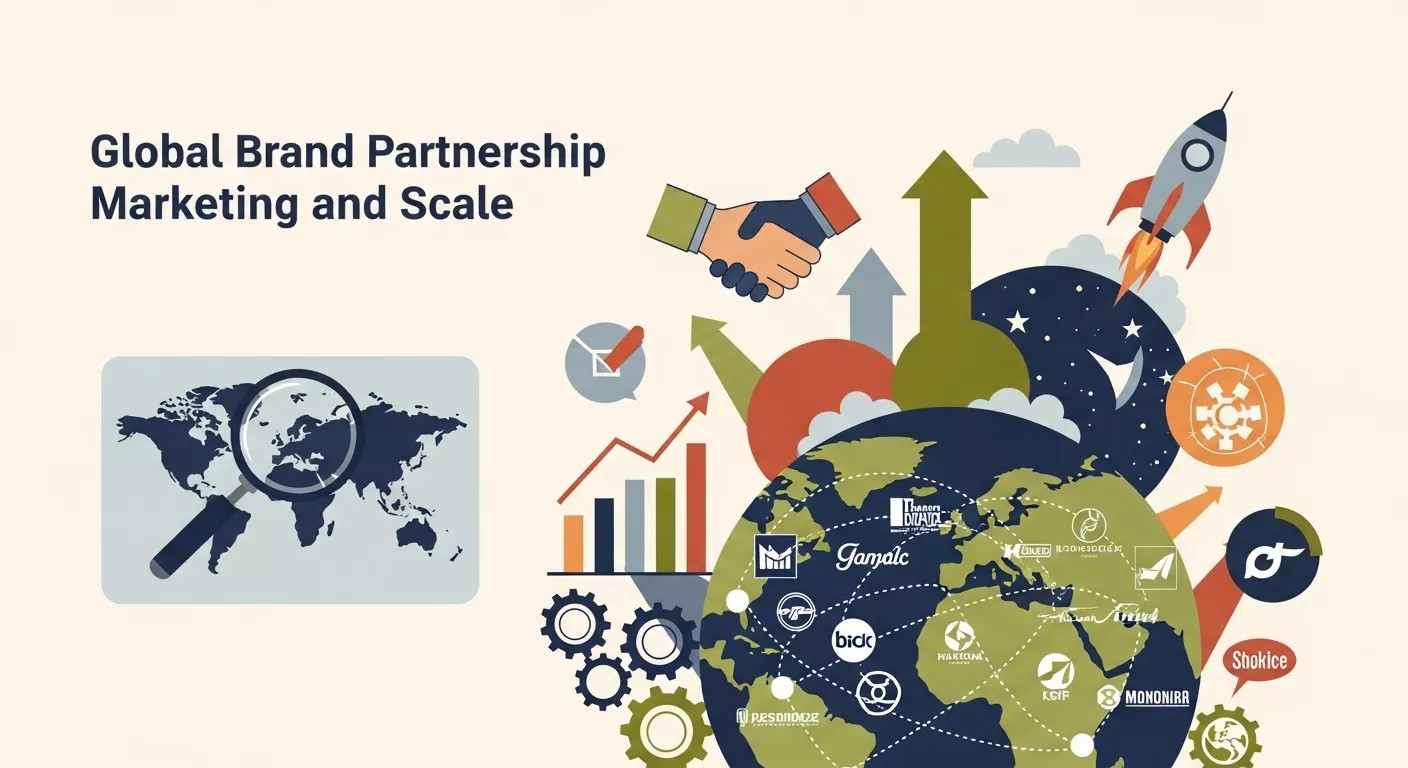
As brands expand internationally, Global Brand Partnership Marketing becomes a critical growth lever. Entering new markets alone is risky, expensive, and slow. Strategic global partnerships reduce friction by leveraging local trust and cultural understanding.
Global brands frequently collaborate with regional leaders to localize messaging, distribution, and community engagement. This approach not only accelerates market entry but also protects brand reputation. In a borderless digital economy, Partnership Marketing Strategies that think globally while acting locally outperform isolated expansion efforts.
Partnership Marketing and Human Psychology
One overlooked advantage of partnership marketing is how deeply it aligns with human psychology. People are influenced by social proof, authority, and familiarity. When two respected brands collaborate, it triggers subconscious validation.
This is why Partnership Marketing Strategies feel less like marketing and more like recommendations. Instead of pushing a product, partnerships pull audiences through shared narratives, values, and experiences. This emotional resonance leads to higher engagement, stronger brand recall, and longer customer relationships.
Partnership Marketing Trends Dominating Digital Ads
As digital advertising evolves, Partnership Marketing Trends Dominating Digital Ads are reshaping how brands allocate budgets. Co-branded campaigns, creator partnerships, and ecosystem collaborations are replacing isolated ad spends.
Brands are now investing in long-term partnerships instead of short-term impressions. This trend reflects a shift from transactional marketing to relationship-driven growth. Data-sharing partnerships, cross-platform Integration
, and audience co-creation are becoming essential components of advanced Partnership Marketing Strategies.
Measuring the Impact of Partnership Marketing
One misconception about partnership marketing is that it’s difficult to measure. In reality, modern analytics tools make it easier than ever to track performance. Metrics such as shared traffic growth, lead quality, conversion lift, and lifetime value reveal the true impact of Partnership Marketing Strategies.
Successful brands define KPIs before launching partnerships. This ensures clarity, accountability, and optimization over time. When measurement is aligned with strategic goals, partnership marketing becomes predictable and scalable.
Building Long-Term Partnership Marketing Systems
Short-term collaborations may create buzz, but long-term systems create growth. Sustainable Partnership Marketing Strategies are built on ongoing collaboration, trust, and shared evolution. Brands that treat partners as extensions of their ecosystem outperform those that chase one-off deals.
This approach requires transparency, regular communication, and performance reviews. Over time, strong partnerships evolve into brand alliances that are difficult for competitors to replicate.
Advanced Frameworks for Partnership Marketing Strategies
To truly scale Partnership Marketing Strategies, modern brands are now using structured frameworks instead of ad-hoc collaborations. One popular approach is the ecosystem model, where brands create a network of partners rather than relying on single collaborations. This builds compounding value over time and strengthens market positioning.
Another emerging framework focuses on audience lifecycle alignment. Instead of partnering randomly, brands align partnerships with awareness, consideration, and retention stages. This ensures that partnership efforts feel relevant at every touchpoint and generate sustainable engagement rather than short-term spikes.
Real-World Use Cases of High-Impact Partnerships

Many of the fastest-growing digital brands rely heavily on Partnership Marketing Strategies without explicitly labeling them as such. Subscription platforms partner with payment providers, fitness apps collaborate with wearable tech brands, and content platforms align with niche communities. Each collaboration creates value by solving user problems collectively.
These real-world examples demonstrate how partnership marketing works best when it removes friction from the customer journey. When partnerships are designed to enhance experience rather than promote products, adoption and loyalty increase naturally.
Risk Management in Partnership Marketing
While partnership marketing offers massive upside, it also requires risk awareness. Misaligned values, unclear expectations, or unequal contribution can weaken brand perception. Effective Partnership Marketing Strategies include clearly defined roles, transparent communication, and exit clauses.
Brands that approach partnerships with a long-term mindset proactively manage reputation risk and maintain audience trust. This level of professionalism separates mature partnership systems from experimental collaborations.
Technology and Data in Partnership Marketing
Technology plays a critical role in scaling partnerships. CRM systems, attribution tools, and audience analytics platforms enable brands to track shared performance accurately. Data-driven Partnership Marketing Strategies allow brands to optimize collaborations based on insights rather than assumptions.
As data ecosystems mature, brands are increasingly co-investing in shared dashboards and reporting models. This transparency strengthens trust and improves strategic decision-making across partnerships.
Partnership Marketing and Brand Authority Building
Beyond direct revenue, partnership marketing significantly impacts brand authority. When brands consistently collaborate with respected partners, they position themselves as industry leaders. Over time, Partnership Marketing Strategies contribute to thought leadership, media visibility, and organic backlink growth.
This authority-building effect compounds, making future partnerships easier to secure and more impactful. Brands that understand this dynamic treat partnerships as reputation assets rather than promotional tools.
Scaling Partnership Marketing Across Channels
Modern partnerships are no longer limited to a single channel. High-performing growth collaborations now span content platforms, social media ecosystems, email marketing, podcasts, webinars, mobile apps, and even offline experiences. When brands appear together across multiple touchpoints, audiences perceive the collaboration as credible and intentional.
Cross-channel visibility also supports message reinforcement. A user may first encounter a collaboration through a blog, later see it referenced in a newsletter, and finally engage through social media. This layered exposure builds familiarity and increases trust without feeling repetitive.
Brands that scale effectively ensure that each channel serves a distinct purpose. Content channels educate, social platforms spark conversation, and owned channels convert interest into action. This balanced approach reduces dependency on any single platform and improves long-term stability.
Partnership Marketing in Community-Led Growth Models
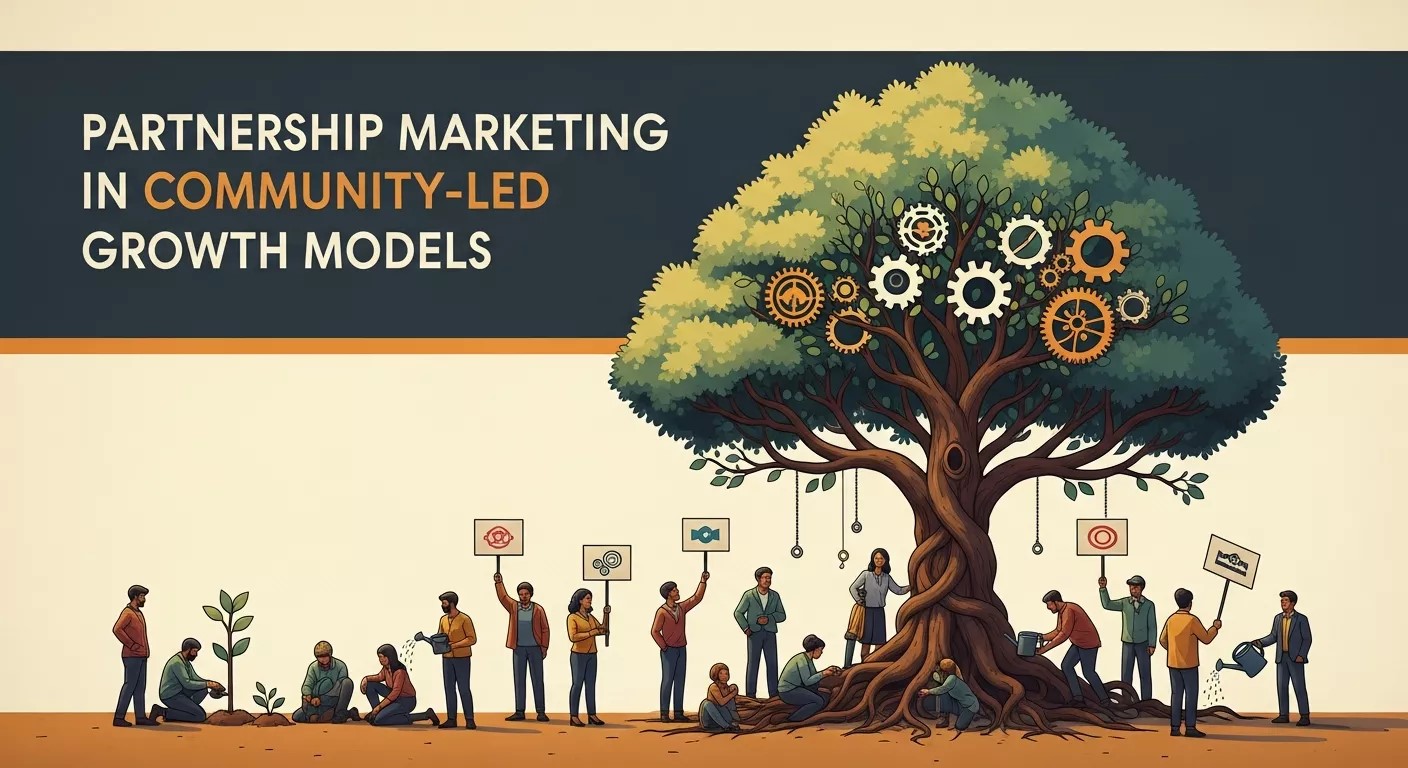
Community-driven growth has become one of the strongest forces in modern digital marketing. Partnerships that tap into existing communities gain access to highly engaged audiences who already share common interests. Instead of broadcasting messages, brands participate in conversations.
When collaborations are introduced inside communities, they feel more organic and less promotional. Members are more likely to explore, discuss, and recommend partnered offerings. This dynamic transforms marketing into relationship-building and positions brands as contributors rather than advertisers.
Role of Storytelling in Partnership Marketing
Storytelling plays a critical role in successful collaborations. Audiences connect more deeply with narratives than with features or offers. When two brands share a story about why they collaborate, what problem they solve together, and how users benefit, engagement rises significantly.
Effective storytelling humanizes partnerships. It shifts the focus from transactions to shared missions and values. Over time, these narratives help audiences remember the collaboration and associate it with positive outcomes.
Operational Alignment Between Partner Brands
Behind every visible partnership lies operational coordination. Teams must align workflows, timelines, communication standards, and approval processes. Without internal alignment, even well-designed collaborations can struggle during execution.
Successful brands establish clear governance models. They define ownership, decision-making authority, and escalation paths early. This clarity prevents delays, reduces friction, and ensures that collaboration remains productive as it scales.
Legal and Ethical Considerations in Partnerships
As collaborations grow more complex, legal and ethical considerations become increasingly important. Contracts, data usage agreements, intellectual property rights, and disclosure requirements must be clearly defined.
Transparency is especially critical in consumer-facing partnerships. Audiences expect honesty about collaborations, sponsorships, and shared promotions. Brands that prioritize ethical standards protect trust and avoid long-term reputational damage.
Partnership Marketing as a Competitive Moat
When partnerships are deeply integrated into a business model, they become difficult for competitors to replicate. Strong alliances create shared knowledge, combined capabilities, and long-term commitment that go beyond surface-level collaboration.
This competitive advantage compounds over time. New entrants may copy products or pricing, but they cannot easily replicate mature partnership ecosystems built on trust and shared success.
Measuring Long-Term Value Beyond Immediate Results

Short-term metrics like clicks and leads only tell part of the story. Mature collaboration strategies focus on long-term indicators such as brand lift, audience overlap growth, retention improvement, and lifetime value.
By evaluating partnerships through a long-term lens, brands avoid premature conclusions and make smarter investment decisions. This perspective encourages patience and continuous optimization.
The Future of Partnership Marketing
Looking ahead, partnership marketing will continue to dominate growth conversations. As AI, automation, and personalization advance, partnerships will become smarter and more data-driven. Brands will collaborate not just on campaigns, but on insights, technology, and innovation.
Future-ready Partnership Marketing Strategies will focus on value creation rather than exposure alone. Businesses that master this mindset today will build resilient growth engines for tomorrow.
Conclusion
In today’s trust-driven digital economy, sustainable growth comes from collaboration rather than competition. Brands that invest in meaningful alliances are able to expand reach, share credibility, and unlock new value without relying solely on paid channels. Partnership Marketing Strategies, when planned with alignment, transparency, and long-term vision, evolve into powerful growth systems rather than short-term campaigns.
As consumer behavior continues to shift toward authenticity and shared experiences, businesses that build strong partner ecosystems will remain resilient and future-ready. By focusing on mutual value, human connection, and strategic execution, brands can achieve consistent growth while strengthening authority and relevance in an increasingly competitive marketplace.
Frequently Asked Questions (FAQ)
What makes brand partnerships effective in digital marketing?
Effective partnerships work when both brands share aligned audiences, complementary strengths, and clear goals. Trust transfer, combined storytelling, and shared value creation are the key drivers of success.
How do businesses choose the right partners?
The right partners are selected based on audience relevance, brand values, market positioning, and long-term growth potential. Strategic alignment matters more than short-term reach or popularity.
Are partnerships suitable for small and growing businesses?
Yes, collaborations are especially valuable for small businesses because they reduce marketing costs while increasing visibility. Smart alliances help emerging brands compete with larger players more effectively.
How long does it take to see results from collaborations?
Results vary depending on strategy and execution. Some partnerships generate immediate engagement, while others deliver stronger returns over time through consistent exposure and relationship building.
What risks should brands consider before collaborating?
Potential risks include misaligned values, unclear responsibilities, and reputational impact. Clear agreements, transparency, and communication help minimize these challenges.
Can partnerships support long-term brand authority?
Absolutely. Consistent collaborations with credible brands enhance perception, build trust, and position businesses as industry leaders over time.