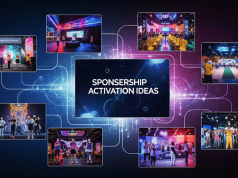
Every successful sponsorship and marketing program needs a champion. Also, can execute a sponsorship program. Whether flying the flag for a multinational corporation, a charitable institution, or a start-up company that is going places, this executive sponsorship program sets both the style and substance of how the brand is presented, perceived, and positioned in its market.
The reason for compiling this guide is to shed light on the exact job of leading sponsorship and marketing efforts, explaining what core responsibilities, skills, and approaches are called for to make a success of it. Whether you are someone wanting quietly but determinedly to rise through the ranks or an employer trying to spell out what exactly goes into this role, this blog entry will provide some hints about what makes doing so the most influential position anywhere in organizations.
Understanding the Sponsorship and Marketing Leadership Role

What Is Involved?
The sponsor and marketing director fulfils the functions of both a dreamer and a doer. These tasks might typically include:
Developing Sponsorship Strategies
The leader finds sponsorship opportunities that are consistent with the company’s mission and values. This might mean working with events, influencers, or organizations that share the desired image of your brand.
Integrated Marketing Tactics
Tactics like advertising, digital campaigns, public relations, and experiential marketing can be combined into an overall strategy that is clear and forceful. Great leaders hope for consistent execution in every channel of communication—and as a Happy Valley benefit, it hangs together smoothly.
Building Strategic Partnerships
Sponsorship leaders build partnerships that are mutually beneficial. For example, an athletic-wear company can partner with athletes in brand promotions, or a hi-tech biz might sponsor industry gatherings to flaunt its new technology.
Measuring Effectiveness
Measuring the effectiveness of sponsorships and advertising campaigns is crucial. Leaders oversee budgets and make sure every expense they make is made together with one or two others who are able to write a measurable ROI that doesn’t depend too much on sugarcoating.
Cross-functional Collaboration
To make sure it does not go for naught, marketing leaders work closely with sales, product development, and creative departments. For example, a marketing campaign cannot criticize an entire country while still retaining the tone and culture of the brand identity.
Why Is the Role Important?

This role helps ensure that you are not just grabbing a few short-term wins out of marketing and sponsorship. By leveraging partnerships, marketing leaders can raise brand awareness to greater heights, increase credibility, and bring in new revenue streams to boot.
Take PepsiCo’s relationship with music festivals like the Super Bowl Halftime Show. This strategic sponsorship not only benefits the company to a large extent in raising and deepening awareness, but will also increase visits of potential customers just walking by Tokyo Tower after dinner, for example… so many things you can do with it that I honestly do not know which is most important anymore.
Name Of Leader For Sponsorship and Marketing
One needs to draw on a blend of skills. A leader in this very demanding field has to possess the following qualities:
Communication Skills High
Those who hold this job must convey ideas effectively to different groups, from the C-suite execs and entire marketing teams, to their external sponsors and partners as well. Clear communication will ensure everyone is on the same page and also at ease with one another, regardless of the level that exists between them.
For example, when presenting a campaign concept to a potential sponsor, being able to express the shared value and expected benefits of cooperation, backed up with hard data, can mean that everything does or does not come through on a deal.
Analytical Thinking

Improvement of strategies and measurement of return on investment both depend in no small part upon data analysis. Heads of organizations should leverage numbers to check the performance of their sponsorships and campaigns, in order to sustain constant value to an organization.
For instance, when rolling out a campaign with KPIs such as conversion rates, engagement scores, and brand lift, leaders can demonstrate the real impact of their work.
Creativity and Innovation
Unforgettable marketing campaigns and partnerships are often far from the beaten path. The marketing team’s partnerships and sponsorships must take the thinking out, even for your products in a saturated market, if they are to succeed.
Consider Tinder’s #SwipeNight campaign, an in-app promotional experience that combined creativity and sponsorship quite cleverly whilst driving very substantial user engagement.
Negotiation and Relationship Management
Nice, long-term cooperative relationships where both sides are happy have to rely on negotiation skills and nurturing relationships. The best sponsorships should increase visibility and go so far as to resonate with your own organization’s core values.
Just look at Nike’s long-standing relationships with stars like Michael Jordan and Serena Williams. They are shining examples of masterfully building friendships that last, both for the brand itself and in support of their partners.
Mastery of Digital Platforms
As we live in a world that at its core is digital, skills in social media management, influencer marketing, and digital advertising are virtually obligatory for today’s leaders. Precisely where modern platforms and technologies differ from one another in particular kinds of campaigns is something a leader must appreciate.
Brands like Glossier do a superior job in using influencers to promote their products, using Instagram to make an art form out of attracting a permanent place atop their followers’ homepage.
Understanding Your Target Audience

Understanding your target audience is cooperation between you and any successful sponsor or marketing plan. Effective leaders rely on user personas and data-driven insights to deliver relevant, personalized messages.
Focus on Storytelling
People don’t just buy products or services; they buy stories. Dynamic storytelling coupled with sponsorships brings on emotional bonds.
Example:
Coca-Cola’s “Share a Coke” campaign caused a spike in sales, not to mention turning personal names into memorable stories people could share.
Build Authentic Partnerships
Today’s audiences prize authenticity. Partnering with organizations and individuals that truly resonate with your brand ensures authenticity does too.
Example:
The North Face’s collaboration with environmental nonprofits for a conservation program reflects their commitment to sustainability.
Prioritize Agility
The marketing landscape is in a state of constant upheaval. Agile leaders keep abreast of trends and adjust quickly so their strategy is still relevant in a fast-moving world.
Example:
During the pandemic, companies like Zoom and Peloton changed their approach to sponsorship and marketing so that it emphasized online collaboration, health, and fitness.
Invest in Continuous Learning
The finest leaders are constantly upskilling their marketing, sponsorship, and leadership competencies.
Applying These Insights to Build Success
For those aiming to grow into marketing leadership roles, focusing on key skills and embracing best practices is essential. Engaging in an Executive Sponsorship Program can offer the mentorship and visibility needed to accelerate your journey. From an organizational perspective, a clear understanding of what leadership entails supports better hiring, fosters stronger leadership development, and maximizes the impact of both marketing and sponsorship initiatives.
Whether you’re a senior executive shaping strategy or a rising leader brainstorming at the whiteboard, success lies in your ability to innovate and lead with intention. Emphasizing diversity and practicing inclusive leadership are not only ethical imperatives but also key drivers of lasting impact in the evolving landscape of marketing and sponsorship leadership.