Creative Event Sponsorship Ideas to Inspire Your Campaign and Create Lasting Brand Impact
Event sponsorship has undergone a profound transformation in recent years. What was once considered a supporting marketing tactic focused mainly on brand visibility has now evolved into a strategic growth channel that influences perception, trust, and long-term audience relationships. Creative event sponsorship ideas are no longer about standing out for a moment; they are about becoming meaningfully integrated into experiences that audiences remember, value, and associate positively with a brand.
In an environment where audiences are overwhelmed by promotional messages, sponsorship success depends on relevance, creativity, and authenticity. Brands that approach event sponsorship strategically can turn campaigns into immersive brand moments that inspire engagement well beyond the event itself. This requires a deep understanding of audience expectations, sponsorship value, digital transformation, and emerging trends shaping the future of brand partnerships.
The Strategic Shift From Visibility to Experience
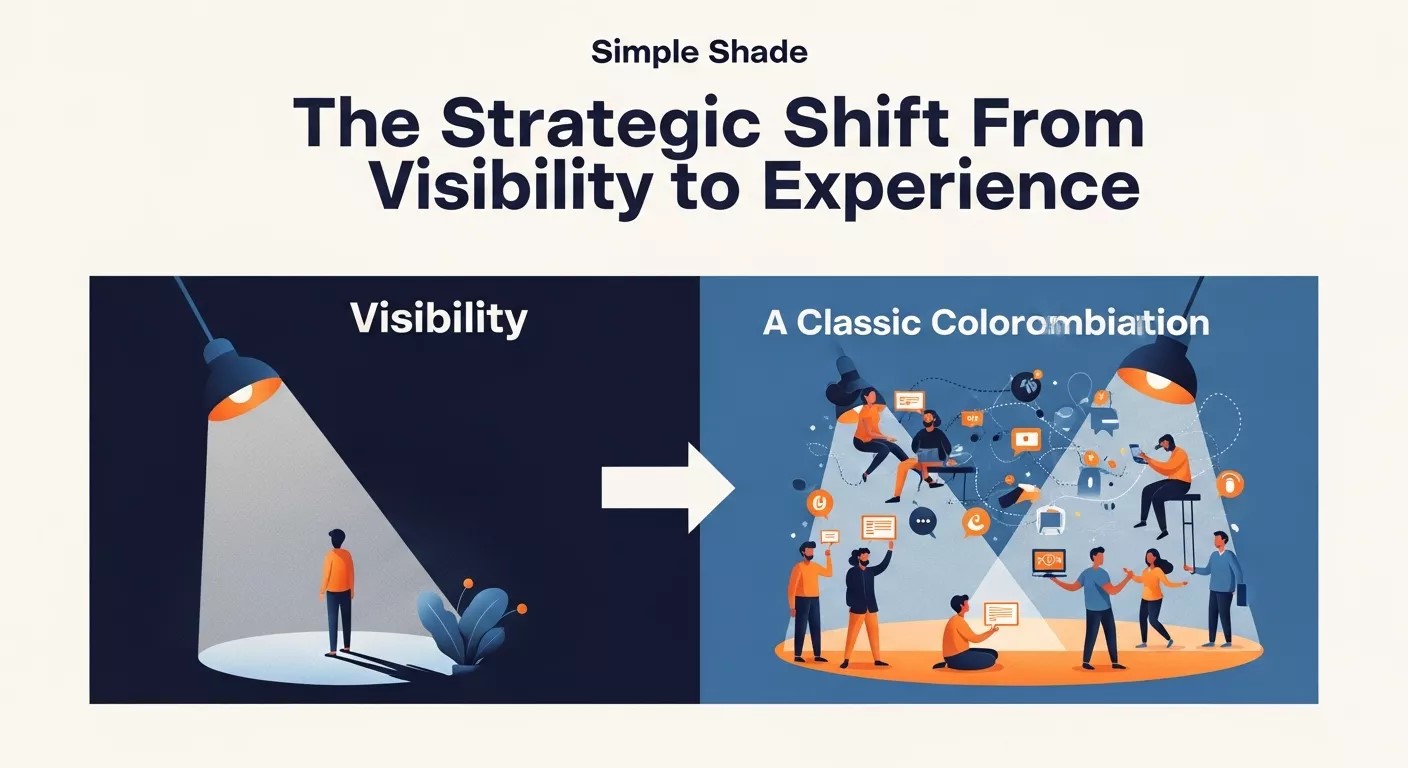
Modern event sponsorship is driven by experience rather than exposure. Audiences no longer respond to passive branding elements such as logos on banners or brief stage mentions. Instead, they engage with brands that enhance the event journey and contribute something meaningful to their overall experience. This shift has pushed marketers to think beyond traditional sponsorship models and focus on creative concepts that invite interaction and emotional connection.
Creative sponsorship ideas succeed because they align brand presence with attendee intent. When a brand becomes part of how an audience learns, connects, or enjoys an event, it moves from being an advertiser to being a contributor. This role creates stronger recall, deeper engagement, and more favorable brand perception.
Creativity as the Foundation of High-Impact Sponsorship
Creativity in sponsorship is not about novelty for its own sake. It is about using insight-driven ideas to deliver value in unexpected but relevant ways. The most effective sponsorship campaigns are rooted in a clear understanding of what the audience wants from the event and how the brand can support that expectation authentically.
When creativity is applied strategically, sponsorship becomes an experience rather than an interruption. Attendees are more likely to engage, share, and remember brands that surprise them with relevance instead of overwhelming them with promotion. This approach also extends the life of sponsorship beyond the event through social sharing, content creation, and post-event conversations.
Aligning Sponsorship Concepts With Brand Identity
One of the most critical factors in successful sponsorship execution is alignment between the brand and the event. Creative ideas must feel like a natural extension of the brand’s identity, values, and voice. When sponsorship concepts are disconnected from who the brand is, audiences quickly sense inauthenticity.
Brand-aligned sponsorship builds trust because it reinforces what audiences already believe or expect from the brand. This alignment ensures that creative executions enhance brand equity instead of diluting it. As sponsorship strategies become more integrated into broader marketing ecosystems, alignment becomes essential for maintaining consistency across touchpoints.
Experience-Led Sponsorship as a Driver of Engagement
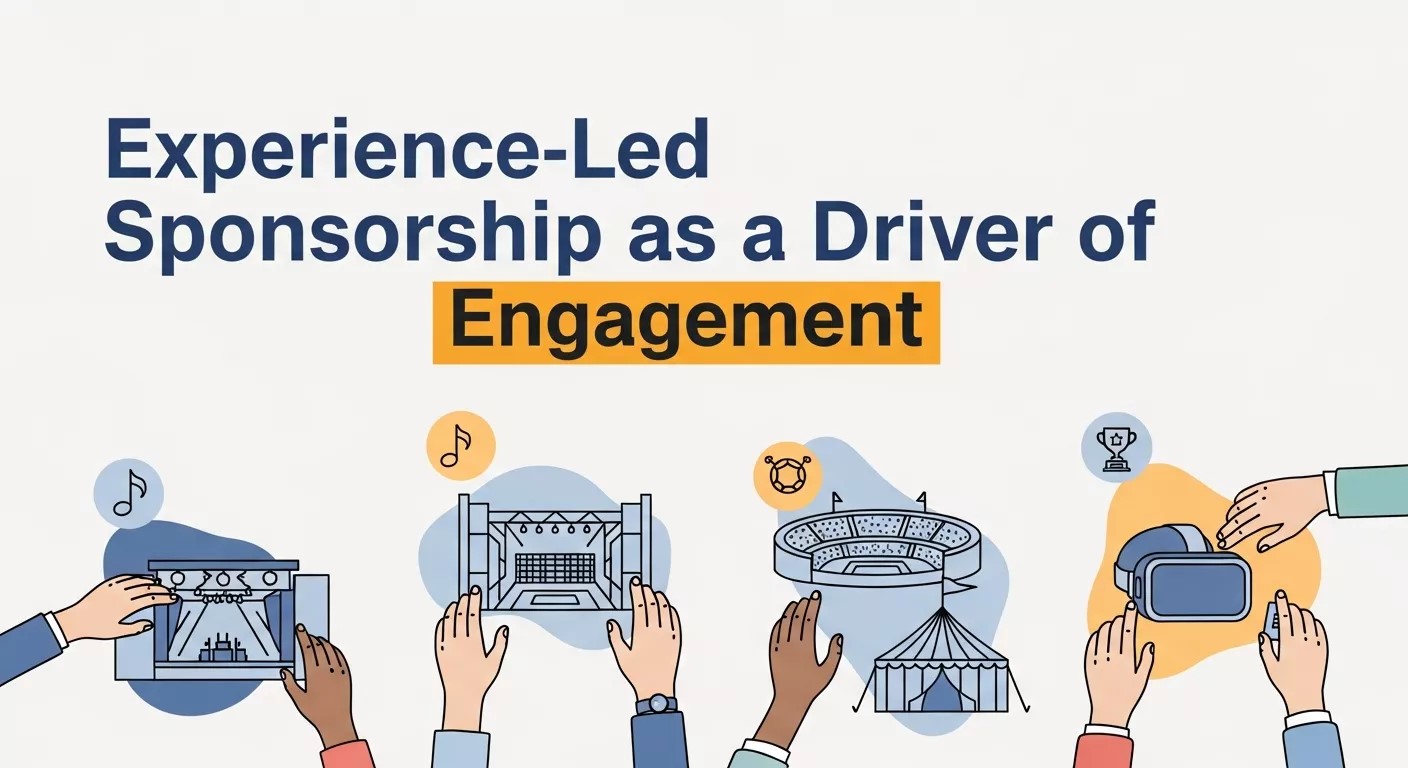
Experience-led sponsorship places the audience at the center of the activation. Rather than focusing on what the brand wants to say, this approach prioritizes what the audience wants to feel, learn, or achieve. By designing sponsorship experiences that encourage participation, brands can transform passive attendees into active participants.
This type of engagement increases emotional investment and strengthens brand association. When audiences interact directly with a brand in a positive context, the experience becomes personal and memorable. Over time, these experiences build familiarity and trust that traditional advertising struggles to achieve.
Content-Driven Sponsorship and Thought Leadership
Content has become one of the most powerful tools in modern sponsorship strategies. Brands that contribute valuable content to events position themselves as thought leaders rather than sponsors. This might include educational sessions, insightful discussions, or live demonstrations that address real audience needs.
This evolution has influenced how brands structure teams and roles, particularly within Sponsorship Marketing Jobs, where professionals are now expected to combine creativity, strategy, content development, and performance analysis. Content-driven sponsorship allows brands to earn attention by offering insight and inspiration rather than demanding it.
The Role of Digital Integration in Sponsorship Creativity
Creative sponsorship ideas increasingly rely on digital integration to extend reach and deepen engagement. Pre-event digital storytelling, on-site interactive technologies, and post-event content distribution help brands create cohesive sponsorship journeys rather than isolated moments.
Digital integration also provides valuable data that helps brands understand audience behavior and measure impact more accurately. This insight supports smarter decision-making and continuous optimization of sponsorship strategies, ensuring that creativity is supported by performance intelligence.
Redefining Sponsorship Value in Modern Campaigns
Traditional Sponsorship metrics often focus on impressions and visibility, but creative sponsorship campaigns generate value that goes far beyond surface-level exposure. Engagement quality, emotional connection, and long-term brand association play a significant role in determining true impact.
This broader perspective is essential when considering Sponsorship Valuation, as creative activations often deliver intangible benefits that accumulate over time. Brands that understand sponsorship value holistically are better equipped to justify investment and prioritize partnerships that support long-term growth rather than short-term metrics.
Virtual Experiences and the Expansion of Sponsorship Possibilities
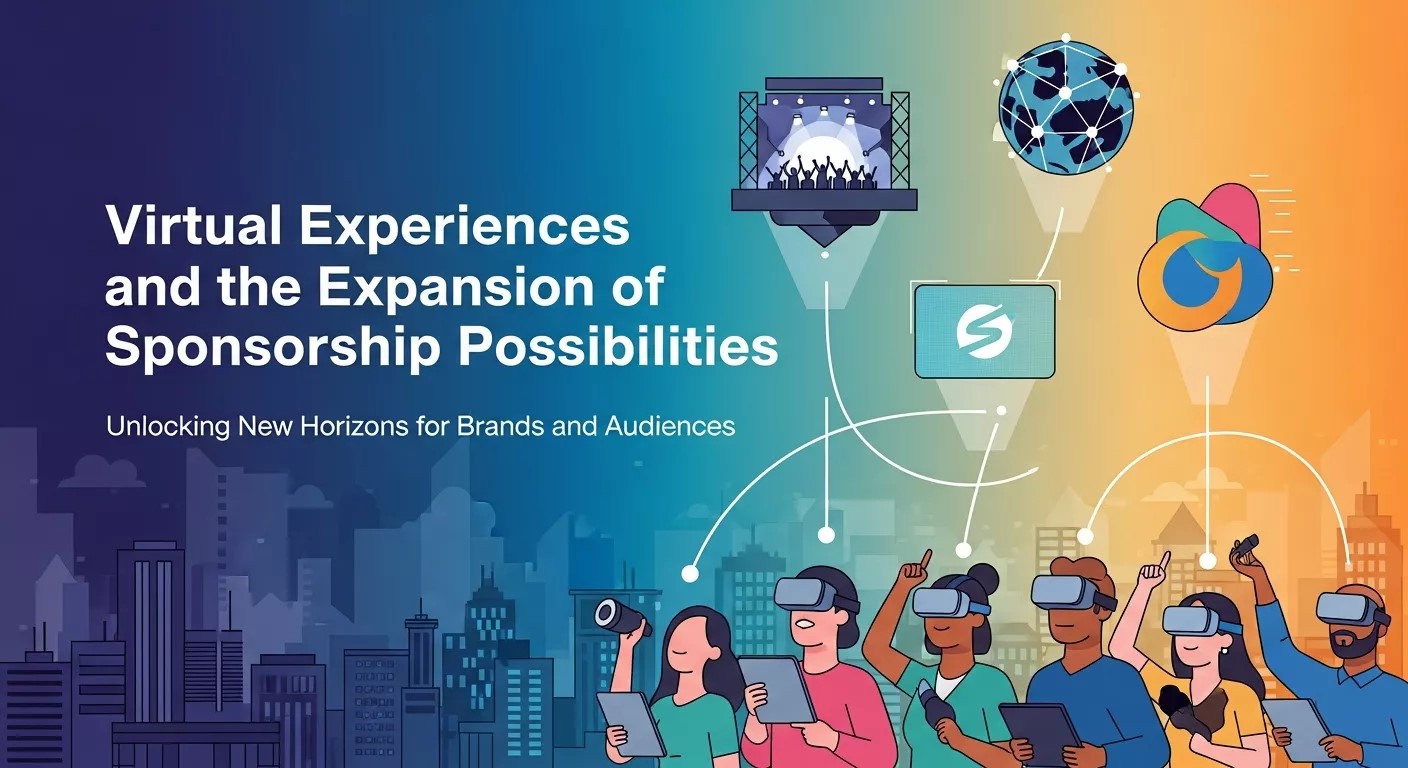
The rise of digital and hybrid events has expanded the creative possibilities for sponsors. Virtual Events Sponsorship allows brands to engage global audiences without the limitations of physical space, but it also requires thoughtful execution to avoid disengagement.
Successful virtual sponsorship focuses on interactivity, personalization, and seamless user experience. Brands must design digital touchpoints that feel intuitive and valuable rather than intrusive. When executed well, virtual sponsorship can create highly engaging brand experiences that rival or even exceed physical activations.
Sponsorship as a Strategic Capability and Career Path
As sponsorship strategies grow more complex, they require specialized expertise. Modern sponsorship professionals must understand brand strategy, audience psychology, digital platforms, and performance measurement. This shift has transformed sponsorship into a strategic capability rather than a tactical function.
The growing importance of Sponsorship Marketing Jobs reflects this evolution, as brands seek professionals who can manage partnerships holistically and deliver measurable impact. Investing in skilled sponsorship teams enables brands to execute creative ideas consistently and at scale.
Using Insight and Data to Guide Creative Decisions
Creativity is most effective when it is informed by insight. Audience data, behavioral analysis, and performance metrics help brands design sponsorship experiences that resonate deeply rather than relying on assumptions.
Data-driven creativity ensures relevance, improves efficiency, and supports ongoing optimization. It also strengthens internal confidence in sponsorship investments by providing clear evidence of impact and areas for improvement.
Adapting to Changing Audience Expectations
Audience expectations continue to evolve as consumers demand greater transparency, inclusivity, and authenticity from brands. Sponsorship campaigns that prioritize audience value over brand promotion are more likely to succeed in this environment.
Creative sponsorship ideas must respect audience intelligence and attention. When brands focus on enhancing experiences rather than dominating them, they earn goodwill and long-term loyalty.
Staying Relevant in a Rapidly Evolving Sponsorship Landscape
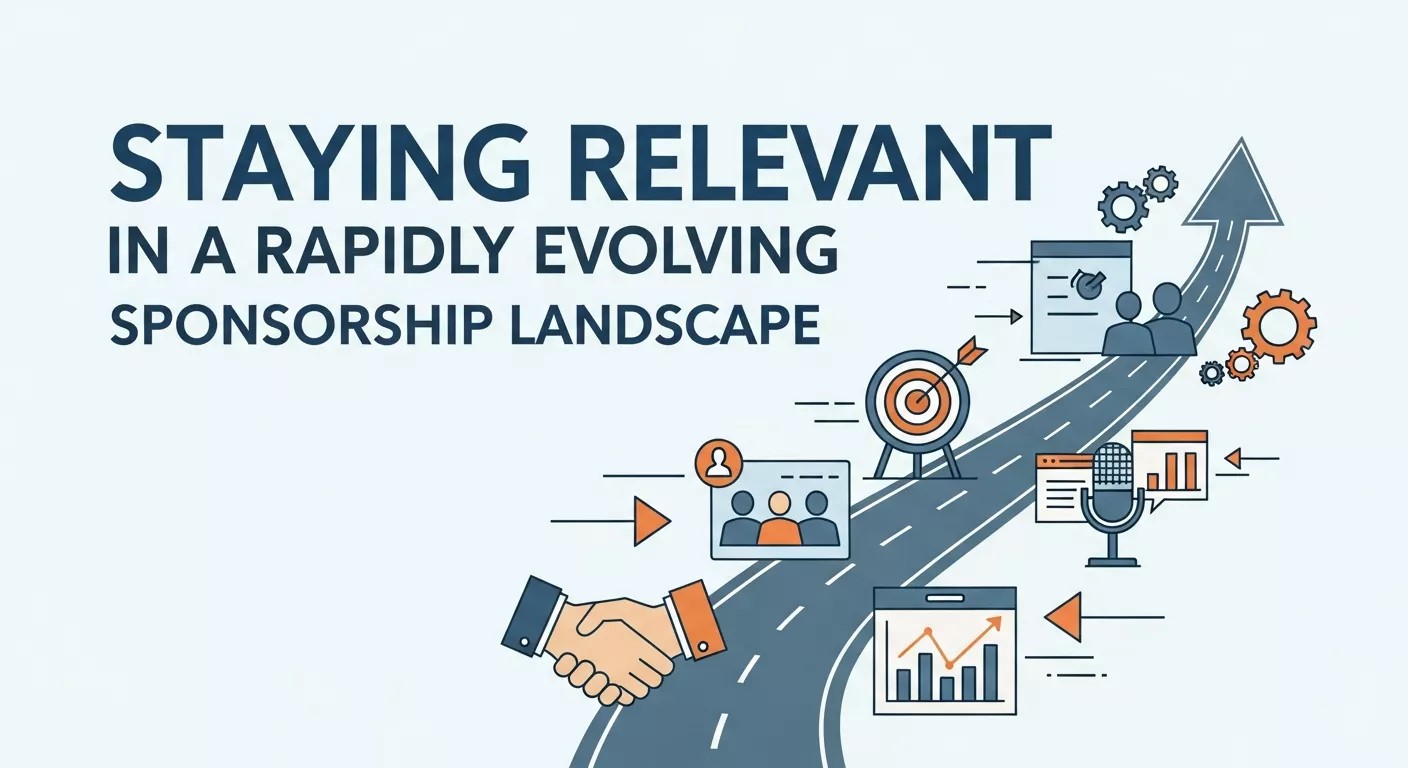
The sponsorship ecosystem is constantly changing, influenced by technology, culture, and consumer behavior. Staying informed about Top Sponsorship Trends Every Marketer Should Know helps brands anticipate shifts and adapt strategies proactively.
Brands that embrace innovation and experiment responsibly are better positioned to maintain relevance and competitive advantage. Creative sponsorship thrives in organizations that are willing to evolve alongside their audiences.
Building Long-Term Brand Value Through Sponsorship
The most impactful sponsorship campaigns are designed with longevity in mind. Rather than treating sponsorship as a one-off initiative, brands that view it as an ongoing relationship-building tool unlock greater cumulative value.
Long-term sponsorship strategies create consistency, deepen trust, and enable continuous improvement. Over time, creative sponsorship becomes part of a brand’s identity rather than a temporary marketing effort.
How Data, Creativity, and Timing Shape Successful Event Sponsorships
Creative event sponsorship campaigns rarely succeed by accident. Behind every memorable activation lies a thoughtful balance of data insights, creative execution, and precise timing. Brands that rely only on intuition often miss opportunities to connect sponsorships with real audience behavior. By analyzing attendee demographics, engagement patterns, and channel performance, marketers can design experiences that feel personal rather than promotional.
Creativity plays a critical role, but it must be grounded in strategy. Successful sponsorships use creative storytelling to enhance the event narrative instead of interrupting it. Whether the activation happens on-site or through Virtual Events Sponsorship, the goal is to integrate the brand in a way that adds value to the audience experience. When creativity is aligned with event context and audience intent, sponsorships feel organic and emotionally resonant.
Timing is equally important. Launching a sponsorship activation too early can dilute attention, while poor on-event execution can waste momentum. Brands that understand sponsorship timing often see stronger engagement, higher recall, and improved outcomes when they later evaluate Sponsorship Valuation. Strategic timing also supports better internal alignment, helping teams justify investments and demonstrate impact.
As sponsorship strategies evolve, data-driven creativity is becoming a core skill across Sponsorship Marketing Jobs, shaping how brands plan, execute, and measure event partnerships. Marketers who master this balance are better positioned to adapt to Top Sponsorship Trends Every Marketer Should Know, ensuring their campaigns remain relevant, measurable, and competitive in an increasingly experience-driven marketplace.