Home Blog Page 3

The Power of Partnership Marketing and How a VP Can Transform Strategy

0
Partnership Marketing

At its core, partnership marketing involves collaboration between two or more businesses to achieve a shared objective. This could include pooling resources, co-branding campaigns, or cross-promoting products and services. Unlike other marketing strategies, partnership marketing relies on mutual benefit and leveraging each party’s strengths to achieve success.

The beauty of partnership marketing lies in its versatility. Some of the most common types include:

  • Co-branding: Two brands collaborate to create a unique product or service that adds value to their shared audience. For instance, GoPro and Red Bull frequently partner to pair GoPro’s action-capture tech with Red Bull’s energetic vibe.
  • Affiliate Marketing: One partner earns commissions by promoting another’s products through unique referral links. Amazon’s affiliate marketing program is a great example of this.
  • Joint Promotions: Partner companies create special deals to drive joint sales. For example, fitness brands might collaborate with meal kit companies for a “Wellness Starter Pack.”
  • Strategic Sponsorships: A larger brand may sponsor an event hosted by a complementary business to capture their target audiences effectively.

Why Partnership Marketing Matters

Partnership Marketing

Before we zero in on how a VP can drive partnership marketing initiatives, it’s important to understand its unique value. Here are three undeniable reasons why partnership marketing remains a critical growth tool across industries:

  • Amplified Reach
    When two brands combine forces, they gain access to each other’s audience. This opens new doors for both businesses without having to invest heavily in building new pipelines from scratch.
  • Cost-Effective Growth
    Traditional advertising channels like paid ads or high-budget campaigns can be expensive. Partnership marketing allows companies to share the costs while still producing high-impact results.
  • Enhanced Credibility
    When a trusted partner vouches for your business, their audience is more likely to trust you. This transfer of trust reduces barriers that often exist in customer acquisition.

The VP’s Role in Partnership Marketing

For partnership marketing initiatives to flourish, they require visionary leadership. Enter the VP of Partnership Marketing, a pivotal role that connects the dots between business development, marketing, and brand strategy.

  1. Strategic Planning
    The VP identifies potential partnerships that align with the business’s goals and values. Mapping out clear objectives, such as increasing customer acquisition or boosting market penetration, is a critical starting point.
  2. Building Relationships
    Partnerships are as much about relationships as they are about strategy. A VP needs to foster strong, collaborative relationships with potential partners, using exceptional communication and negotiation skills to ensure mutually beneficial agreements.
  3. Measuring Success
    It’s not enough to establish partnerships; you need metrics to prove their worth. A skilled VP knows which KPIs to track, such as ROI, lead acquisition numbers, or increased engagement, to ensure partnerships are driving growth.
  4. Aligning Teams
    Cross-functional collaboration is at the heart of partnership marketing. A VP ensures alignment across marketing, product development, and sales teams to execute campaigns seamlessly.

Actionable Strategies to Succeed in Partnership Marketing

Partnership Marketing

Whether you’re stepping into a new VP role or looking to revamp your team’s approach to partnership marketing, these key strategies will help you create lasting success:

  1. Select Partners Strategically
    Not all partnerships are created equal. Look for partners that align with your brand values, target similar audiences, and complement your offering. Tools like LinkedIn Sales Navigator and partnership-focused platforms like Crossbeam can help in identifying the right collaborators.
  2. Have Clear Goals From the Start
    What do you want to achieve through this partnership? Clear, measurable goals, such as increasing conversions by 20% or boosting co-branded email open rates, will ensure both parties are on the same page and working toward shared success.
  3. Focus on Win-Win Scenarios
    One-sided partnerships rarely last. Create initiatives where both parties benefit equally. For instance, if you’re co-launching a product, make sure your partner gets equal promotion and media opportunities to maximize the efforts on both ends.
  4. Invest in Ongoing Communication
    A successful partnership requires ongoing communication and engagement. Regular check-ins, data-sharing sessions, and opportunities to refine strategies keep partnerships dynamic and effective.
  5. Combine Data, Creativity, and Technology
    Leverage data to understand customer engagement, then use creativity to craft unique campaigns that resonate. Invest in technology to track results in real time, ensuring partners have tangible insights into the value being delivered.
  6. Share Customer Insights
    Use customer feedback and insights as a currency in partnerships. By sharing data such as audience preferences and behavioral trends, you’re helping partners fine-tune their approach, making the collaboration more fruitful for both parties.
  7. Create a Seamless Workflow
    Use project management tools like Asana or Trello to keep track of deliverables, timelines, and milestones with your partners. This ensures alignment across every step of the campaign.

Real Examples of Partnership Marketing Done Right

  • Spotify and Starbucks
    Starbucks employees create music playlists reflecting store culture, which are then made available to customers through Spotify. Not only does this enhance brand loyalty, but it also deepens connections with their audiences.
  • Uber and Spotify
    Uber collaborated with Spotify to offer riders the ability to control music during their rides. This was a game changer for personalization, creating a unique customer experience.
  • Airbnb and Flipboard
    Airbnb partnered with Flipboard to create destination-specific content for travelers. Flipboard amplified Airbnb’s brand storytelling, while Airbnb gained a platform to engage global audiences.

The Future of Partnership Marketing

The future looks exciting for partnership marketing. With data analytics, machine learning, and cloud collaboration platforms gaining traction, it’s easier than ever for businesses to identify strategically aligned partners and execute highly targeted collaborations.

Meanwhile, consumer demand for personalized experiences is creating openings for hyper-niche partnerships. This trend will encourage enterprises to work with smaller, culturally significant brands to create authentic connections with diverse audiences.

Start Building Strategic Partnerships Today

Partnership marketing is not just a cost-efficient growth strategy; it’s a way to build lasting relationships with other brands and with your customers. For VPs and marketing leaders, mastering the art of partnership marketing can set your business apart in a highly competitive market.

By focusing on collaboration, aligning teams, and leveraging creative and data-driven strategies, you can take your partnership campaigns to the next level. Need help getting started? Our team of experts is ready to help you explore the potential of partnerships in your business.

What Is a Partnership Marketing Coordinator?

0
Partnership Marketing Coordinator

The name may sound esoteric, but most of the time a Partnership Marketing Coordinator is basically liaison between company and partners. A partners in USL such as brands, sponsors or other organizations involved with the league. They ensure partnerships appear smoothly, create value and are beneficial for both USL itself and its partners.

For example, consider when a large beverage company signs on as the official provider of hydration for USL games. The Partnership Marketing Coordinator makes sure this company’s logos are visible on banners, their name gets mentioned in social-media campaigns related to matches participating in and any activations during games are in line with previously agreed-upon expectations.

Put another way, this job demands doing both the planning and legwork.

Main Job Descriptions for USL’s Partnership Marketing Coordinator

Partnership Marketing Coordinator

1. Relationship Management

One core to this role is the management of relationships. The coordinator is the company’s main person for established partnerships. In all such areas as regular check-ins, keeping the partners informed about progress and handling difficulties that arise, it is necessary to provide incentives and create trust between people.

For example:
Set up regular check-ins with partners to discuss deliverables, and make tweaks in response to their feedback, so that they feel happy about how things are going.

2. Executing Organizational Deliverables

Every partnership agreement makes precise requests—like a certain amount of social media mentions, or for one organization’s logo to be used at each event. See that these commitments are met. As brands pay large sums for partnership deals, the coordinator must at least be able to maximize the return on their payments.

Example:
If a shirt sponsorship deal demands that the brand’s name is printed all over shirts in proportion to levels of exposure—standard procedure in all product packaging—coordinator organization should be equal what it sponsors.

3. Coordination and Management of Marketing Campaigns

Working closely with marketing teams will form the main work of this position. Partnership marketing coordinators assist brand partners in implementing campaigns that are in line with their goals and also preserve as far as possible the style and character of the USL.

Example:
A fast-food sponsor running a fan guessing contest contest for free meals after a goal? The coordinator ensures that it is smartly run across social channels and at matches.

4. Reporting Partnership Returns for Sponsors

One component of maintaining solid connections is being able to clearly display results. Coordinators collect data on partnership campaigns, such as impressions made, links clicked by fans or what sort of things are taking place before matches start; then reports it all back to sponsors.

Example:
After a sponsored half-time show, the coordinator might report on stadium interaction numbers, how far posts reached in social media and fan reaction to that television commercial.

5. Trends Monitoring

If you want to stay at the cutting edge of partnership marketing, then be mindful of what may be coming. Coordinators have to stay current on new policy trends and online promotional tools, different fads among fans.

Example:
When a partner mentions any willingness to get involved with new ideas, they can then incorporate new trends like ‘Designated Influencers’ or ‘RA Fan Activations’.

Essential Skills for a Partnership Marketing Coordinator

Partnership Marketing Coordinator

– Communication and Interpersonal Skills

The basis of partnership marketing lies with relationships. Strong communication is the guarantee of effective delivery and make sure that partners remain satisfied.

– Project Management

Keeping coordinated across multiple deliverables in different campaigns takes a high order of organization. A coordinator should perform well in prioritization, from timelines to logistics.

– Marketing Knowledge

Despite being a partnership-related role, understanding both traditional and digital marketing strategies is essential. Whether it means running social media contests or drafting email campaigns, marketing expertise will help coordinators to serve their partners effectively.

– Problem-Solving

Every partnership comes with its own particular problems. Coordinators must be able to think on their feet and find fresh ideas for solving them when things don’t go as expected.

– Data Analysis

Numbers are important for measuring the success of partnerships. From interpreting data on fan engagement to pulling out analytics reports, data literacy is an essential skill.

Why the Role Is Critical to USL’s Success

Role Is Critical to USL’s Success

– Enhancing Revenue Streams

Sponsorships and partnerships provide significant revenue for sports leagues like those in USL. Ensuring that these partnerships work implies a long-term financial future.

– Expanding Market Reach

A well executed partnership extends the league’s reach to new audiences. For example, a tech sponsor might introduce USL to innovation-driven millennials, thus increasing fan involvement.

– Strengthening Brand Image

Successful partnerships create trust and heighten the perception of the league. By bringing value to partners, coordinators build up USL’s reputation as a trustworthy partner.

– Creating Memorable Fan Experiences

Strategic partnerships benefit fans directly. Whether it is providing freebies at games or putting on community events backed by sponsors, the work of partnership selling directors is helping produce fan engagement which in turn encourages loyalty.

How to Prepare for a Career in Partnership Marketing

– Marketing Fields for Gaining Experience

Herald One of the following: social media administration, content production and event marketing where applicable hands-on marketing experience will make the difference

– Blog Your Communication Skills

Volunteer in connection-driven roles. Or perhaps presenting ideas to peers in a professional manner and networking will provide invaluable work experience for the future.

– Establish Organizational Skills

System like Trello, Google Apps for Work, and Apple’s iWork can help you keep up to date with your projects, and Asana could be the place to turn for managing them

– Understand Analytics Basics

Learn how to read and interpret data from a variety of tools have Google Analytics or the analytic offerings of social networking Web sites

– Stay Sport-Savvy

Get familiar with the latest sports marketing trends and sponsorships so that you can show those you hope to enter into partnership with that your passion really extends into this realm

Why Partnership Marketing Is Important For The Future Of Sports

Partnership Marketing Coordinator

Partnership marketing is increasingly critical in sports. As competition for fan eyeballs increases, strong partnerships with corporate sponsors are leverage that allows sports leagues to push envelope and provide fans unparalleled experiences. Roles like Partnership Marketing Coordinator aren’t merely operational capabilities. They’re strategic.

Want To Join USL Team?

If all the above sounds like your dream job, keep an eye on the USL careers page. The league looks for self-motivated individuals who are enthusiastic about both sports and marketing to join its expanding team. Who knows? You might make a major contribution to forming the future of partnership marketing in sports.

All About the Role of Partnership Marketing Manager at the Timberwolves

0
Partnership Marketing Manager

In a sports organization, success comes not only from what takes place on the court, but can also be built behind-the-scenes through marketing skillful and good partnerships strong brand relationships. In this process, a Partnership Marketing Manager is a vital cadre member who makes sure companies and brands that partner sports teams such as the Minnesota Timberwolves receive value, recognition and benefits from their cooperative undertaking.

Enquiries a Partnership Marketing Manager May Encounter

Partnership Marketing Manager

At a professional sports team like the Timberwolves, the role of partnership marketing manager essentially revolves around the creation, maintenance and optimization of relationships between corporate partners. In short, this job is about combining business sponsors’ requirements with the team marketing plan to produce results that are mutually advantageous for both sides in turn.

Responsibilities of a Partnership Marketing Manager

Stabilizing Strategic Partnerships

Managers try to strike deals of sponsorship and teamwork with corporate brands that harmonize with the Timberwolves’ values and goals. This may involve negotiating contracts, specifying deliverables or simply maintaining good relationships in a maturing environment.

Executing Sponsorship Agreements

Once a partnership is formed, the managing director ensures every right and benefit that was negotiated (such as signs, in-game promotions, digital ads, etc.) is provided on time and according to plan.

Increasing Fan Involvement

When brand activations are healthy, they usually aim to deepen fan connections. So this type of thing often consists of unique experiences or campaigns that add value to a game day–or fans’ lives generally.

Reports on Campaigns

Once a campaign is over, Partnership Marketing managers assess their effectiveness by inspecting metrics such as audience reach, visibility of the brand and fan involvement. Transparent and detailed reporting keeps sponsors informed and fosters trust.

Creative Problem Solving

A great part of the job consists in thinking of innovative ways for corporate brands and the Timberwolves to work together–both in terms of content that keeps audiences engaged as well as tangible ROI that can be measured by sponsors.

This role demands a blend of creativity strategic thinking, people skills and strength in the principles of marketing.

What Skills Do I Need to Take Advantage Of as a Professional in This Role?

Partnership Marketing Manager

Relationship Management

Solid interpersonal skills and the ability to keep professional relationships going is essential. Trust, collaboration and effective communication are all important tools needed to build long term partnerships.

Marketing and Strategy Expertise

Candidates should be well-versed in marketing principles such as advertising, brand management, and digital marketing tools. Those who use data analysis tools like Google Analytics, or CRM platforms can monitor the impact of partnership initiatives.

Knowledge of the Sports Industry

Knowing the sports industry, particularly the NBA ecosystem, is very useful. Familiarity with trends in fan engagement, sports sponsorships and consumption gives them a strategic advantage above all else.

Project Management

A Partnership Marketing Manager will be responsible for managing multiple partnerships and campaigns concurrently. Strong organizational and time management skills are crucial to making sure that all agreed deadlines are met.

Creativity and Innovation

Finding unique ways to deliver value for sponsors while also engaging fans takes creativity. Being able to think outside of the box results in memorable campaigns and activations being designed with success.

Salary Expectations

Evaluating any place of occupation, pay is an important standard. Of course, according to industry data and job advertisements, partnership marketing manager salaries at the Timberwolves or other professional sports teams are in flux as per experience, geographic location and the organization’s financial health.

Entry-Level Salaries

An entry-level Assistant Director or a worker thereof should base his or her living on an average $50,000 to $60,000 per year.

Middle-Level Salaries

Several years of experience typically brings professionals at this level a yearly wage of between $65,000 and $85,000 a year. These figures can be driven up yet further by successful partnerships made through bonuses and commissions.

High-Level Salaries

An experienced professional with good relations in the senior partnership marketer can take home a pay-envelope totaling around $90,000 to $115,000 per year. Moreover, those running an entire department of sponsors’ funds for the company will department costs soar even higher.

Additional Inducements

Compensation for posts in sports organizations is often improved by associated benefits of various kinds, including:

  • Free game tickets or access to premium seating
  • Health and wellness benefits
  • Ceremony tied to partnership performance
  • Networking opportunities with the nation’s major brand names and sponsors

Why Choose a Career as a Partnership Marketing Manager?

Proximity to Sports Passion
As their name suggests, sports marketing managers need to be passionate about sports. Whether you are a basketball lover who has loge seats for the Lakers or just someone that adores all things aesthetic and alive, working as a team member in one of these organizations means never being far from either kind of excitement.

Creativity Abounds
Every day brings new challenges and routes for creativity in partnership marketing, from developing innovative campaigns to designing memorable experiences that bring fans closer than ever before to “their” team.

Opportunities for Networking
The career is not only about connecting brands with teams; it also offers plenty of prospects for professionals in sports and marketing to expand their networks by developing substantial relationships.

Concrete Results
Partnership marketing managers see firsthand the fruits of their labors. Whether through a successful chopped-and-sliced radio spot compared with the competition or a new state-of-the art in-arena experience that has audiences buzzing, there is nothing like doing work that everyone likes, sponsors and spectators alike.

Beginning Your Path in Partnership Marketing

If the prospect of working as a Partnership Marketing Manager for the Timberwolves or any other similar outfit attracts you, here are some initial actions to take:

Get Relevant Experience
Internships or entry-level positions in sports marketing, sales or sponsorship can give you hands-on experience.

Hone Your Competencies
Concentrate on building relationships, executing marketing strategies, project management skills. Take courses in online marketing and data analytics.

Industry Meetings
Attend sports marketing conferences, or link up with the industry’s leading lights on the professional networking site to explore possible opportunities.

Lend Weight to Your Application
Adapt your resume to bring out your marketing accomplishments, team projects and success stories with clients.

Advance Your Sports Career

For the Minnesota Timberwolves, the role of Partnership Marketing Manager together with strategy, creativity and a passion for sports. A position that will give you great opportunities to develop strong personal bonds, construct enthusiastically fashionable projects and live in the dynamic world of professional athletics.

Whether this is the kind of work you’re after or something entirely different within sports marketing, knowing what it entails and how much they pay can help put you on top in any field. Now that marketing has become so popular again as a profession, are you ready to enter this wide open profession? It’s not a bad time to start building both your network and your skills. Do so now, even if only it suddenly turns out that you go from being a trailing-businessman to one of America’s leading sports marketing people.

Mastering Partnership Marketing for Sports Jobs

0
Mastering Partnership Marketing for Sports Jobs

Partnership marketing has become one of the most effective strategies in the sports industry, bridging the gap between organizations, brands, and fans. Whether your goal is to secure a dream job in sports marketing or to help a sports organization maximize its reach, understanding the art of partnership marketing is essential. This blog will offer insights into what partnership marketing is, its role in sports partnership marketing jobs, and actionable strategies to help you excel in this dynamic field.

What Is Partnership Marketing in the Sports Industry?

Partnership marketing refers to a mutually beneficial collaboration between two or more organizations to achieve specific business goals, such as boosting brand awareness, increasing revenue, or growing customer loyalty.

Within the sports industry, partnership marketing can involve a wide range of relationships, including:

  • Sponsorships between sports teams and brands
  • Collaborations between fitness companies and professional athletes
  • Partnerships between leagues and broadcast platforms for exclusive media rights

Partnership Marketing in the Sports

Sports marketing thrives on partnerships because they allow both parties to tap into new audiences and leverage each other’s strengths. For example, when a major brand like Nike sponsors a sports team, the brand gains visibility while the team benefits from significant financial support.

How Partnership Marketing Creates Jobs in Sports

Collaboration in the sports world fuels job creation across various roles in marketing, operations, and brand management. Here are some of the most common job types powered by partnership marketing:

Sponsorship Managers

Identify and negotiate sponsorship deals between brands and sports properties. Track trends, analyze ROI, and align partnerships with business goals.

Marketing Specialists

Handle campaigns and activations tied to partnerships such as events, branded content, and social media. Ensure fan engagement and measurable results.

Account Executives

Maintain relationships with corporate partners, ensuring delivery of promised benefits and resolving any issues throughout the partnership.

Event Coordinators

Manage fan and brand engagement during games or special events, ensuring on-site activations and experiences are executed flawlessly.

Data Analysts

Interpret data from campaigns and partnerships to evaluate success and guide future marketing strategies.

Key Strategies to Excel in Sports Partnership Marketing

Understand the Intersection of Sports and Business

Know how partnerships influence brand perception, ticket sales, and stakeholder value.
Tip: Read Sports Business Journal or attend Leaders in Sport conferences.

Build a Strong Professional Network

Relationships matter. Attend events, join associations, and engage on LinkedIn to open partnership opportunities.

Develop Expertise in Sponsorship Strategy

Learn how sponsorships meet goals like brand awareness, revenue, and community engagement.
Tip: Master the art of writing ROI-focused sponsorship proposals.

Leverage Digital Media and Data Analytics

Understand social media, influencer marketing, and analytics tools.
Tip: Get certified in Google Analytics or social media platforms.

Think Creatively

Create unforgettable fan experiences with innovative activations.
Inspiration: Red Bull Stratos and its global success in experiential marketing.

Showcase Your Skills Through Real-World Examples

Create case studies or mock projects to analyze successful sponsorships and offer improvement ideas. Add these to your portfolio.

The Future of Partnership Marketing in the Sports Industry

Sports Partnership Marketing

Emerging trends shaping the future of sports partnership marketing include:

Virtual Reality (VR) and Augmented Reality (AR): Creating immersive fan experiences.

Sustainability Partnerships: Collaborations around eco-friendly initiatives.

Esports Sponsorships: Expanding marketing into the growing world of competitive gaming.

How to Get Started in Sports Partnership Marketing

Educate Yourself: Take online courses in sports marketing or digital sponsorships.

Intern or Volunteer: Look for roles with sports organizations or marketing agencies.

Build a Portfolio: Include any relevant sponsorship or marketing projects.

Follow Sports Marketing Leaders: Learn from and connect with experts in the field.

Take the Next Step in Your Career

Sports partnership marketing opens up endless opportunities for innovation, growth, and engagement. By mastering the art of collaboration and staying on top of industry trends, you can make a lasting impact in this field.

If you’re ready to explore this exciting career path, start today by immersing yourself in the world of partnership marketing. Build your network, sharpen your skills, and watch your passion for sports turn into a fulfilling professional career.

Marketing and Sponsorship Leadership: Who’s in Charge and Why It Matters

0
Marketing and Sponsorship Leadership

If you’re a marketer or sponsor, you know the job is no small task. You’re working to get your brand noticed, connect with customers, and grow the business. In marketing and sponsorship leadership, the person leading the charge makes all the difference, whether it’s through skill, experience, or simply knowing how to bring out the best in the team. While many people play a part, it’s strong leadership that sets the direction, sparks engagement, and delivers results.

Whether you’re a professional curious about how leadership works in this space or an organization looking to sharpen your marketing efforts, it’s worth knowing exactly who’s steering the ship and how they’re getting it done.

Chief Marketing Officer (CMO)

At the executive level, the Chief Marketing Officer assumes responsibility for coordinating an organization’s entire marketing and sponsorship initiatives.

Key responsibilities for a CMO might include:

  • Driving brand strategy and growth.
  • Managing integrated advertising programs.
  • Overseeing contracts made with partners and other sponsors.
  • Aligning your marketing with the world as a whole.

CMOs often serve as the public face of their company’s marketing activities, representing the corporate point of view in sponsorship negotiations and discussions with outside partners.

Sponsorship Directors or Managers

While CMOs take things from a high, strategic level, Sponsorship Directors or Managers more often than not see to the daily operations of sponsorship. They are in charge of identifying sponsorship opportunities, negotiating deals, and ensuring that all parties involved benefit.

Key responsibilities of Sponsorship Directors include:

  • Spotting sponsorship opportunities that are consistent with the brand and converting them into assets.
  • Pulling in attractive sponsorship agreements.
  • Developing and cementing partner relationships.
  • Seeing ad sponsorship at the theatre.

Dual Responsibility in Smaller Organizations

Marketing and sponsorship are both key areas that require thought and, above all, successful results. Smaller organizations may not have a designated CMO or Sponsorship Director. However, the Marketing Manager or Head of Marketing often doubles as the lead for sponsorship-related efforts as well. Matched by versatility in role culture, once efficient execution of many different responsibilities becomes a must.

Key Qualifications for a Marketing and Sponsorship Director

Marketing and Sponsorship Leadership

Leadership in marketing and sponsorship is not just a matter of technical know-how. Rather, it involves other qualities such as personality and strategic vision. The following is a summary of 10 characteristics for those who are exceptional leaders in marketing and sponsorship:

Strategy: Strategic Vision

One characteristic that English soccer players possess in their coach is his ability to look at things from a different angle. The manager, who takes forward-thinking long-term measures to ensure squad strength as well as tactical success over just one season, finds attractive long-term opportunities aligning with the company’s overall business objectives; publicizes its good name within emerging markets, and is able to identify market trends, spot patterns in customer behavior.

Relationship Management and Networks

Whether negotiating a high-profile sponsorship or forming partnerships with joint ventures from the digital world, relationship management is crucial. Great leaders in the modern age have strong communication skills and make real connections that are a basis for future joint venture activity.

Creative Thinking and Innovations

In a field as competitive as marketing and sponsorship, a leader must think outside the box. Creative events, imaginative ways of activating a sponsor’s assets, and new methodologies can give the brand a position of prominence in its field where nobody else has dared to go before.

Data Leads Decisions

Data is at the heart of decision-making for most marketers. Effective leaders combine their instincts with analytics. This allows decision-making on ROI, checking the success of a campaign, and then adjusting strategies as warranted by performance metrics.

Leading Teams

In addition to seeking out external partners, these leaders have a vital role in inspiring and directing their own teams. Encouragement, clear communication, and good mentors are all crucial in a collective enterprise such as this.

Adaptability

Markets change very fast, and customer preferences are just as fickle. The best marketing and sponsorship leaders are those who can quickly alter a course of action when the time comes.

The Value Offered by Marketers and Sponsor Leaders

Marketing and Sponsorship Leadership

Their influence on commercial brands’ positioning, customers’ interactions, and the generation of revenue is direct. These are all special areas that show just how important people in the marketing and sponsorship line of work can be to any company.

Increasing Brand Visibility

Coordinated marketing and sponsorship efforts mean that a brand keeps on being seen and being relevant in the eyes of its customers. Successful sponsorships can boost a brand’s profile via partnerships that introduce it to new customer groups.

More Revenue Across Channels

Advertising campaigns that work well, ROI-driven sponsorship deals–these add up to big contributions from the marketing and sponsorship people for the company. By nurturing and mining their relationships with sponsors, they give you opportunities to do business that bring profits that grow more every year.

Stronger Customer Relationships

Successful marketing creates an emotional tie between the brand and its customers. Well-executed sponsorship can create unique opportunities for high-touch engagement that resonate deeply with customers, such as events or exclusive experiences.

Innovation Along With Tomorrow’s Trends

People in the fields of marketing and sponsorship are inclined to take the lead in developments like marketing with influencers, social media sponsorship, and virtual event collaborations, which will help them stay ahead of their sectors. They thereby keep your brand current and innovative.

How to Identify a Leader in Marketing and Sponsorship

For companies eager to get stronger in marketing and sponsorship, they should have a clear set of skills to look for in their management people. These are important points to consider–if these do not describe someone, it may not make sense to take them on.

  • Results from driving growth through data-driven global marketing promotions
  • Able to close meaningful sponsorship packages earned from a strong contact network, such as that with partners
  • New team leadership experience, and a culture of empowerment
  • Records of consistently innovating and adapting to market changes over time

Ask applicants about specific campaigns they’ve worked on, the results achieved in parentheses, and successful sponsorships of theirs.

Procedures for Marketing and Sponsorship Leadership Success

To those seeking a post in marketing or sponsorship, there are a few essential steps ahead. They’ll improve your skill set and make you a more effective professional.

Take Further Training

Certifications and courses are up for your taking these days. You can opt for a marketing strategy or digital marketing, or sponsorship management. Online resources such as the Digital Marketing Institute and Hubspot Academy will also give useful tutorials.

Get to Know More People

Go to industry conferences, go to social gatherings, or seminars about sponsorship. This will help in friendly relationships and expanding your professional network, so the more contacts you have, the more opportunities there will be.

Keep Abreast of Trends

New media trends and sponsorship environments come around with great rapidity. Focus especially on changes such as the appearance of micro-celebrities, the importance given to using good brands and technologies for a better guerrilla marketing.

How to Use Analytic Tools

Campaign monitoring is critical to a successful internet marketing campaign. So get familiar with tools like Google Analytics, or HubSpot, for example, if you are fully acquainted with these types of devices, it will reap large dividends when it comes time them online.

Work Together, Keep an Open Mind

Modern marketing and sponsorship do not occur in individual departments. Work across departments and with your usual partners to form a coherent message that can be delivered in one united effort.

Pioneer Your Product Brand

The success of an enterprise pivots on how effective its product marketing is. Commanding position in this all-important sphere is a manager who melds strategic vision with action, possesses creative genius, and has the ability to make decisions grounded in what he knows of the terrain.

If you are at a company and building up its marketing efforts, or maybe contemplating moving into management, understanding the intricacies of this field itself opens up many more avenues for yourself.

Start today to remake your marketing and sponsorship strategies. Explore the free resources we provide on our site, or get in touch with us for one-on-one help.

Creative Event Sponsorship Ideas to Inspire Your Campaign

0
Creative Event Sponsorship Ideas to Inspire Your Campaign

Creative event sponsorship is no longer about visibility it’s about creating meaningful experiences that audiences remember and trust. When brands align creativity with strategy, digital integration, and evolving sponsorship models, events become powerful platforms for long-term engagement and brand growth.

Creative Event Sponsorship Ideas to Inspire Your Campaign and Create Lasting Brand Impact

Event sponsorship has undergone a profound transformation in recent years. What was once considered a supporting marketing tactic focused mainly on brand visibility has now evolved into a strategic growth channel that influences perception, trust, and long-term audience relationships. Creative event sponsorship ideas are no longer about standing out for a moment; they are about becoming meaningfully integrated into experiences that audiences remember, value, and associate positively with a brand.

In an environment where audiences are overwhelmed by promotional messages, sponsorship success depends on relevance, creativity, and authenticity. Brands that approach event sponsorship strategically can turn campaigns into immersive brand moments that inspire engagement well beyond the event itself. This requires a deep understanding of audience expectations, sponsorship value, digital transformation, and emerging trends shaping the future of brand partnerships.

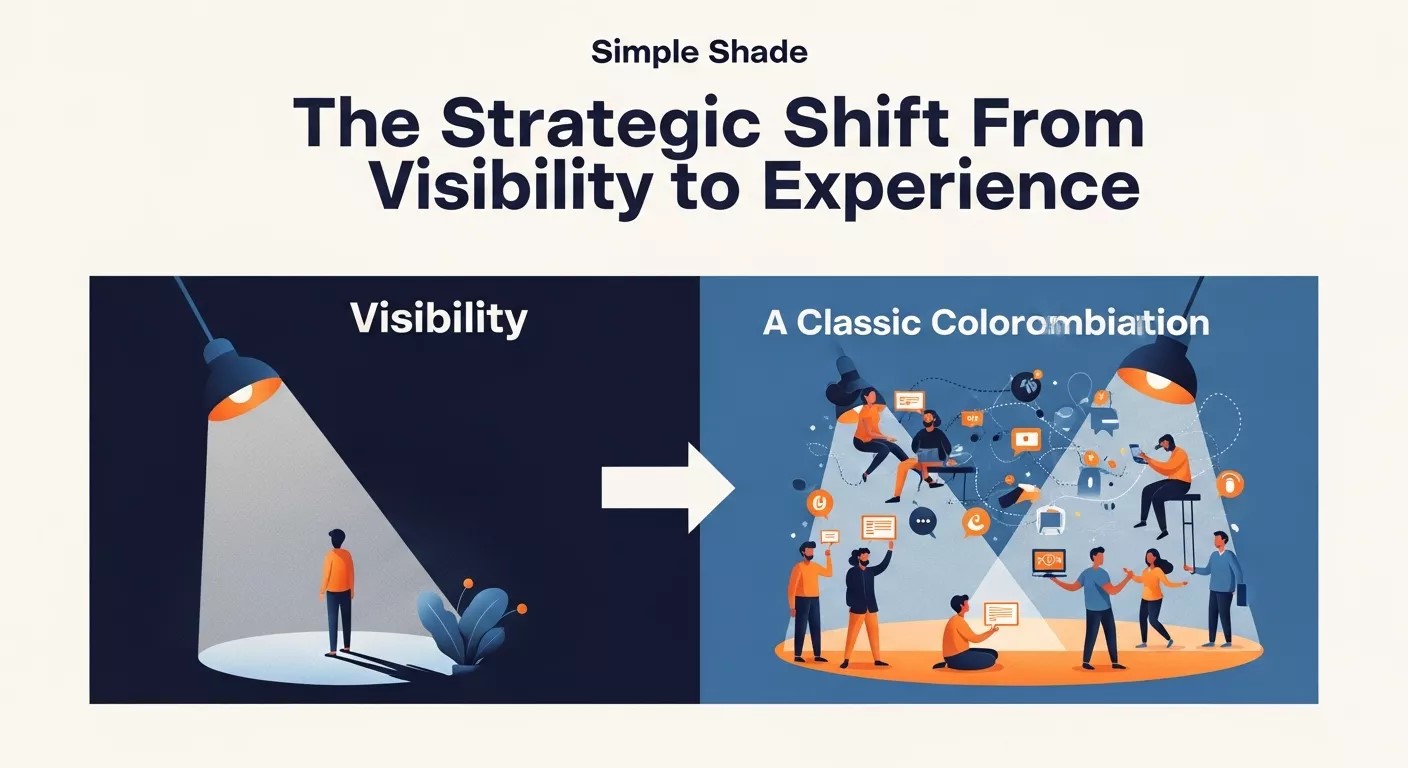
The Strategic Shift From Visibility to Experience

The Strategic Shift From Visibility to Experience

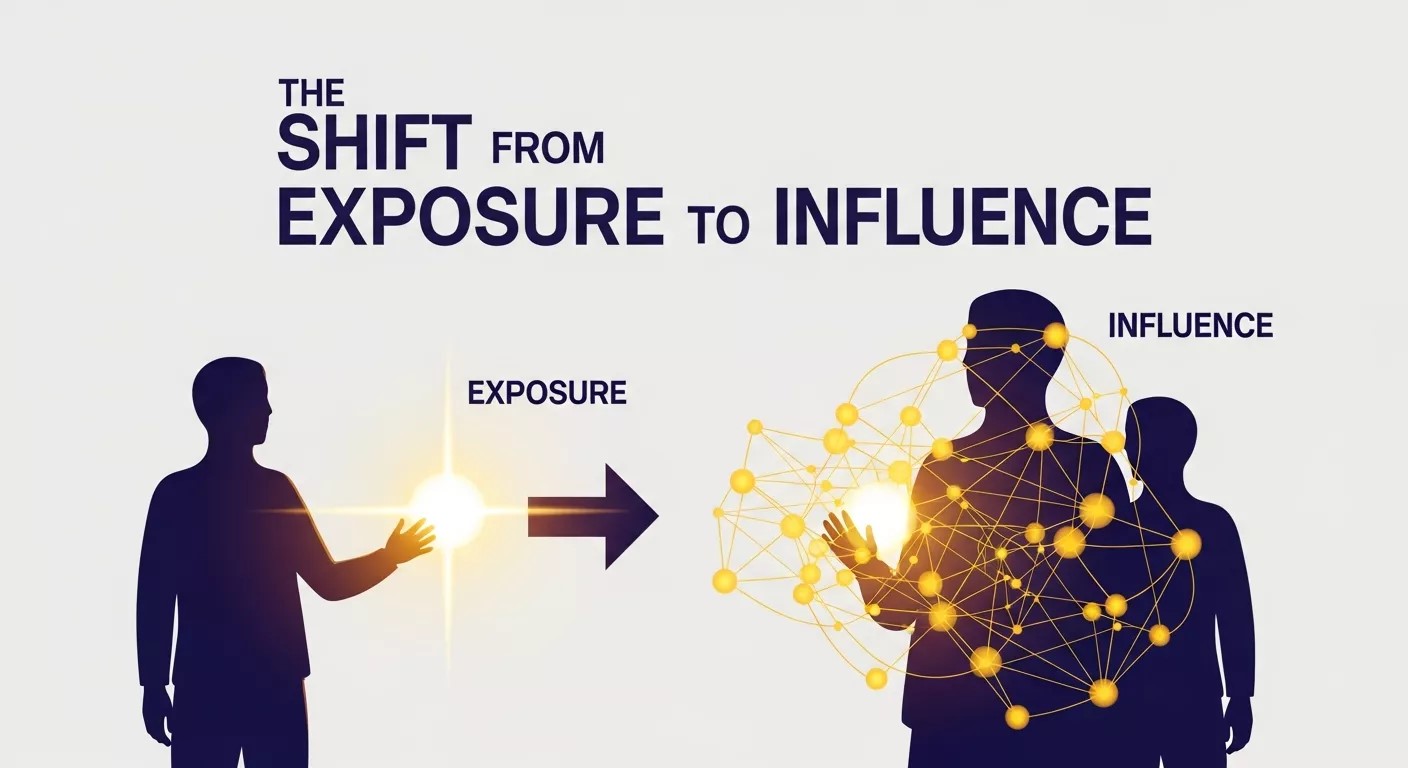
Modern event sponsorship is driven by experience rather than exposure. Audiences no longer respond to passive branding elements such as logos on banners or brief stage mentions. Instead, they engage with brands that enhance the event journey and contribute something meaningful to their overall experience. This shift has pushed marketers to think beyond traditional sponsorship models and focus on creative concepts that invite interaction and emotional connection.

Creative sponsorship ideas succeed because they align brand presence with attendee intent. When a brand becomes part of how an audience learns, connects, or enjoys an event, it moves from being an advertiser to being a contributor. This role creates stronger recall, deeper engagement, and more favorable brand perception.

Creativity as the Foundation of High-Impact Sponsorship

Creativity in sponsorship is not about novelty for its own sake. It is about using insight-driven ideas to deliver value in unexpected but relevant ways. The most effective sponsorship campaigns are rooted in a clear understanding of what the audience wants from the event and how the brand can support that expectation authentically.

When creativity is applied strategically, sponsorship becomes an experience rather than an interruption. Attendees are more likely to engage, share, and remember brands that surprise them with relevance instead of overwhelming them with promotion. This approach also extends the life of sponsorship beyond the event through social sharing, content creation, and post-event conversations.

Aligning Sponsorship Concepts With Brand Identity

One of the most critical factors in successful sponsorship execution is alignment between the brand and the event. Creative ideas must feel like a natural extension of the brand’s identity, values, and voice. When sponsorship concepts are disconnected from who the brand is, audiences quickly sense inauthenticity.

Brand-aligned sponsorship builds trust because it reinforces what audiences already believe or expect from the brand. This alignment ensures that creative executions enhance brand equity instead of diluting it. As sponsorship strategies become more integrated into broader marketing ecosystems, alignment becomes essential for maintaining consistency across touchpoints.

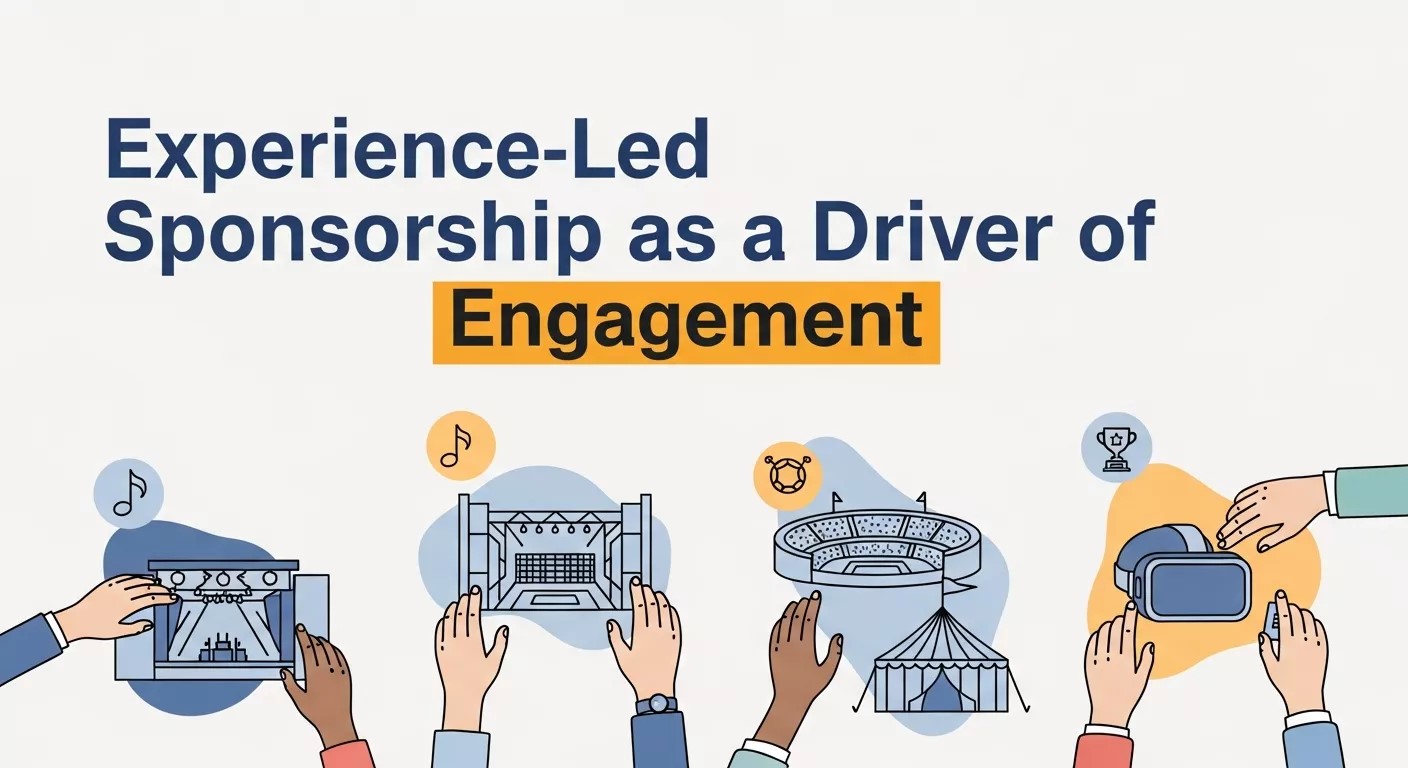
Experience-Led Sponsorship as a Driver of Engagement

Experience-led sponsorship places the audience at the center of the activation. Rather than focusing on what the brand wants to say, this approach prioritizes what the audience wants to feel, learn, or achieve. By designing sponsorship experiences that encourage participation, brands can transform passive attendees into active participants.

This type of engagement increases emotional investment and strengthens brand association. When audiences interact directly with a brand in a positive context, the experience becomes personal and memorable. Over time, these experiences build familiarity and trust that traditional advertising struggles to achieve.

Content-Driven Sponsorship and Thought Leadership

Content has become one of the most powerful tools in modern sponsorship strategies. Brands that contribute valuable content to events position themselves as thought leaders rather than sponsors. This might include educational sessions, insightful discussions, or live demonstrations that address real audience needs.

This evolution has influenced how brands structure teams and roles, particularly within Sponsorship Marketing Jobs, where professionals are now expected to combine creativity, strategy, content development, and performance analysis. Content-driven sponsorship allows brands to earn attention by offering insight and inspiration rather than demanding it.

The Role of Digital Integration in Sponsorship Creativity

Creative sponsorship ideas increasingly rely on digital integration to extend reach and deepen engagement. Pre-event digital storytelling, on-site interactive technologies, and post-event content distribution help brands create cohesive sponsorship journeys rather than isolated moments.

Digital integration also provides valuable data that helps brands understand audience behavior and measure impact more accurately. This insight supports smarter decision-making and continuous optimization of sponsorship strategies, ensuring that creativity is supported by performance intelligence.

Redefining Sponsorship Value in Modern Campaigns

Traditional Sponsorship metrics often focus on impressions and visibility, but creative sponsorship campaigns generate value that goes far beyond surface-level exposure. Engagement quality, emotional connection, and long-term brand association play a significant role in determining true impact.

This broader perspective is essential when considering Sponsorship Valuation, as creative activations often deliver intangible benefits that accumulate over time. Brands that understand sponsorship value holistically are better equipped to justify investment and prioritize partnerships that support long-term growth rather than short-term metrics.

Virtual Experiences and the Expansion of Sponsorship Possibilities

Virtual Experiences and the Expansion of Sponsorship Possibilities

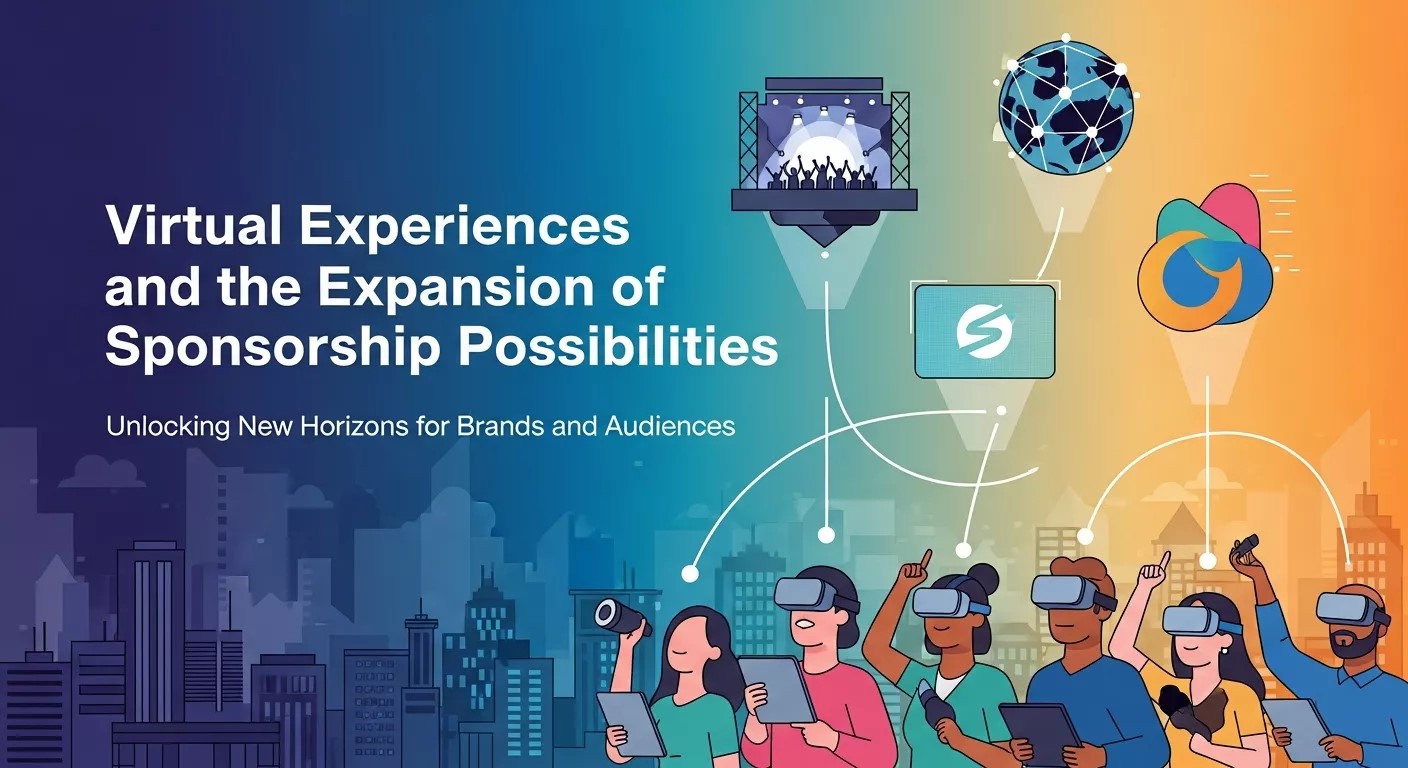
The rise of digital and hybrid events has expanded the creative possibilities for sponsors. Virtual Events Sponsorship allows brands to engage global audiences without the limitations of physical space, but it also requires thoughtful execution to avoid disengagement.

Successful virtual sponsorship focuses on interactivity, personalization, and seamless user experience. Brands must design digital touchpoints that feel intuitive and valuable rather than intrusive. When executed well, virtual sponsorship can create highly engaging brand experiences that rival or even exceed physical activations.

Sponsorship as a Strategic Capability and Career Path

As sponsorship strategies grow more complex, they require specialized expertise. Modern sponsorship professionals must understand brand strategy, audience psychology, digital platforms, and performance measurement. This shift has transformed sponsorship into a strategic capability rather than a tactical function.

The growing importance of Sponsorship Marketing Jobs reflects this evolution, as brands seek professionals who can manage partnerships holistically and deliver measurable impact. Investing in skilled sponsorship teams enables brands to execute creative ideas consistently and at scale.

Using Insight and Data to Guide Creative Decisions

Creativity is most effective when it is informed by insight. Audience data, behavioral analysis, and performance metrics help brands design sponsorship experiences that resonate deeply rather than relying on assumptions.

Data-driven creativity ensures relevance, improves efficiency, and supports ongoing optimization. It also strengthens internal confidence in sponsorship investments by providing clear evidence of impact and areas for improvement.

Adapting to Changing Audience Expectations

Audience expectations continue to evolve as consumers demand greater transparency, inclusivity, and authenticity from brands. Sponsorship campaigns that prioritize audience value over brand promotion are more likely to succeed in this environment.

Creative sponsorship ideas must respect audience intelligence and attention. When brands focus on enhancing experiences rather than dominating them, they earn goodwill and long-term loyalty.

Staying Relevant in a Rapidly Evolving Sponsorship Landscape

Staying Relevant in a Rapidly Evolving Sponsorship Landscape

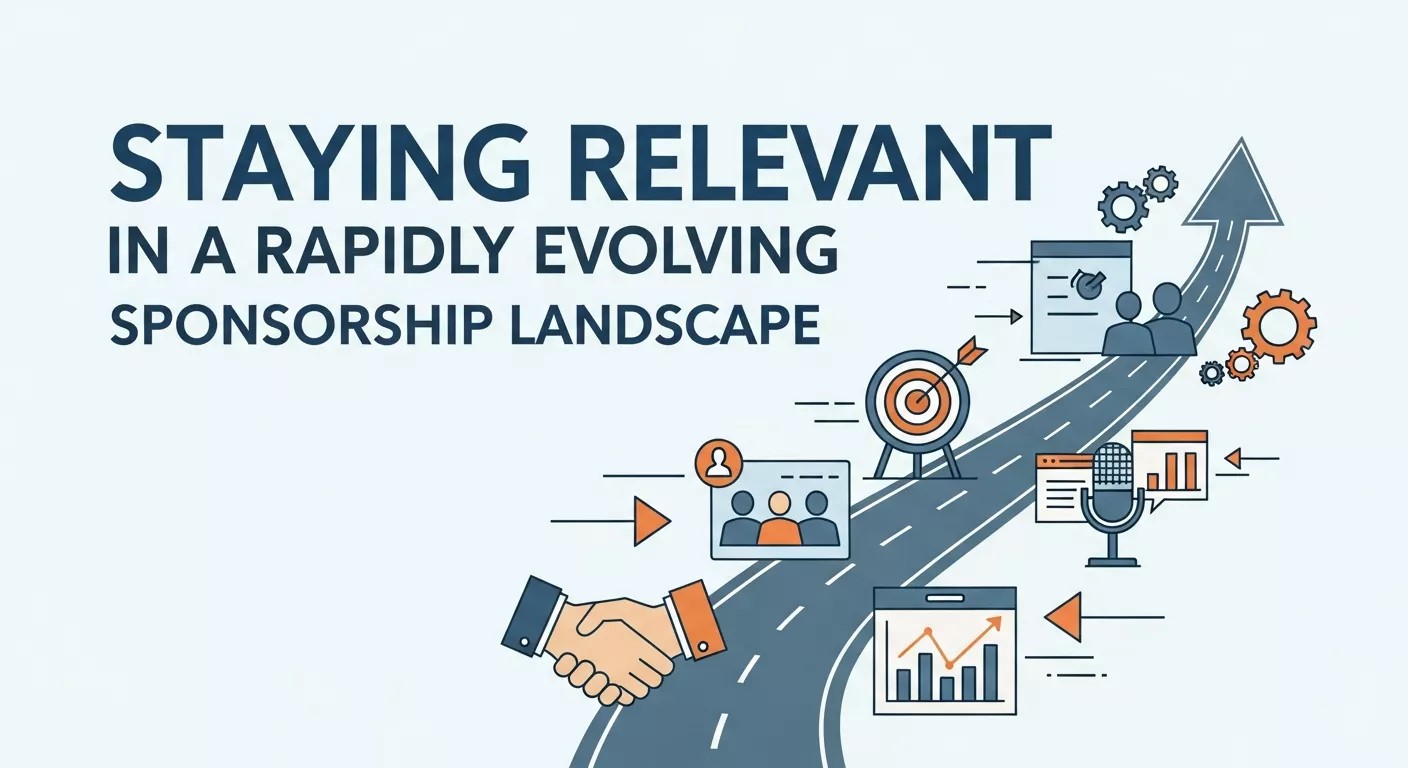
The sponsorship ecosystem is constantly changing, influenced by technology, culture, and consumer behavior. Staying informed about Top Sponsorship Trends Every Marketer Should Know helps brands anticipate shifts and adapt strategies proactively.

Brands that embrace innovation and experiment responsibly are better positioned to maintain relevance and competitive advantage. Creative sponsorship thrives in organizations that are willing to evolve alongside their audiences.

Building Long-Term Brand Value Through Sponsorship

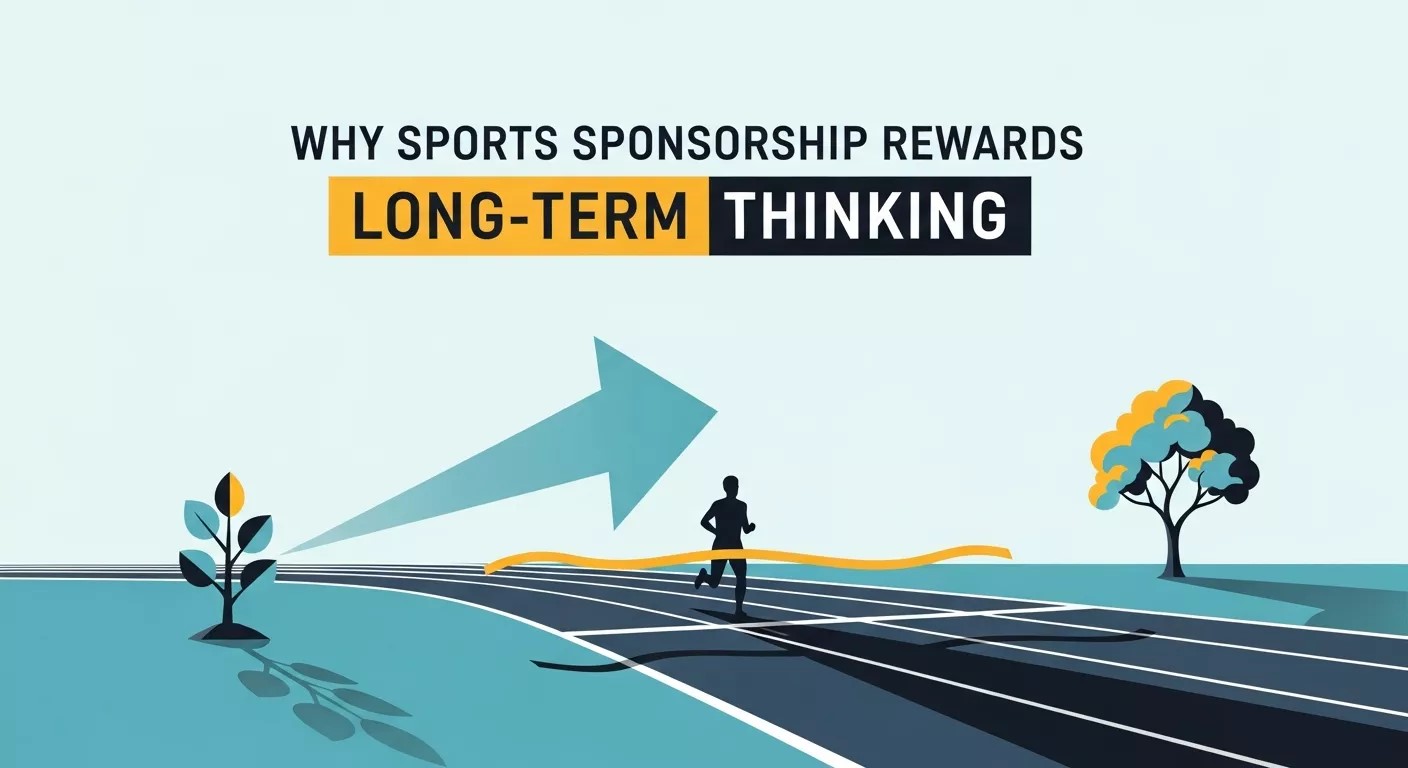
The most impactful sponsorship campaigns are designed with longevity in mind. Rather than treating sponsorship as a one-off initiative, brands that view it as an ongoing relationship-building tool unlock greater cumulative value.

Long-term sponsorship strategies create consistency, deepen trust, and enable continuous improvement. Over time, creative sponsorship becomes part of a brand’s identity rather than a temporary marketing effort.

How Data, Creativity, and Timing Shape Successful Event Sponsorships

Creative event sponsorship campaigns rarely succeed by accident. Behind every memorable activation lies a thoughtful balance of data insights, creative execution, and precise timing. Brands that rely only on intuition often miss opportunities to connect sponsorships with real audience behavior. By analyzing attendee demographics, engagement patterns, and channel performance, marketers can design experiences that feel personal rather than promotional.

Creativity plays a critical role, but it must be grounded in strategy. Successful sponsorships use creative storytelling to enhance the event narrative instead of interrupting it. Whether the activation happens on-site or through Virtual Events Sponsorship, the goal is to integrate the brand in a way that adds value to the audience experience. When creativity is aligned with event context and audience intent, sponsorships feel organic and emotionally resonant.

Timing is equally important. Launching a sponsorship activation too early can dilute attention, while poor on-event execution can waste momentum. Brands that understand sponsorship timing often see stronger engagement, higher recall, and improved outcomes when they later evaluate Sponsorship Valuation. Strategic timing also supports better internal alignment, helping teams justify investments and demonstrate impact.

As sponsorship strategies evolve, data-driven creativity is becoming a core skill across Sponsorship Marketing Jobs, shaping how brands plan, execute, and measure event partnerships. Marketers who master this balance are better positioned to adapt to Top Sponsorship Trends Every Marketer Should Know, ensuring their campaigns remain relevant, measurable, and competitive in an increasingly experience-driven marketplace.

Final Reflection: Turning Sponsorship Into Meaningful Inspiration

Creative event sponsorship has evolved into a strategic growth engine rather than a simple branding exercise. When campaigns are designed around experience, relevance, and shared value, sponsorships move beyond logos and impressions to create genuine audience connection. Brands that understand Sponsorship Valuation, adapt to Top Sponsorship Trends Every Marketer Should Know, and explore emerging formats like Virtual Events Sponsorship are better positioned to maximize both impact and return.

As the industry continues to mature, opportunities across Sponsorship Marketing Jobs and cross-functional partnerships will only expand, rewarding marketers who think creatively and act strategically. The most successful event sponsorship campaigns are those that balance innovation with measurable outcomes, align with brand purpose, and evolve with audience expectations. By approaching sponsorship as a long-term relationship rather than a one-off activation, brands can build trust, drive sustained engagement, and turn every event into a meaningful growth opportunity.

Frequently Asked Questions (FAQ)

What makes an event sponsorship campaign truly creative?

A creative event sponsorship goes beyond logo placement and focuses on experience, interaction, and storytelling. It connects the brand with the audience in a way that feels natural and memorable, whether through immersive activations, digital engagement, or value-driven collaborations. Creativity becomes even more powerful when it aligns with evolving formats like Virtual Events Sponsorship, where technology enables deeper participation.

How can brands measure the real value of event sponsorships?

Measuring impact requires more than counting impressions. Modern brands rely on Sponsorship Valuation frameworks that assess brand lift, engagement quality, audience relevance, lead influence, and long-term perception. When valuation is tied to clear objectives, sponsorship decisions become data-driven rather than intuitive.

Are virtual and hybrid events effective for sponsorship marketing?

Yes, virtual and hybrid formats have expanded the reach and flexibility of sponsorship campaigns. Virtual Events Sponsorship allows brands to engage global audiences, collect richer data, and create interactive touchpoints that extend beyond a single event day. When executed creatively, these formats often deliver stronger engagement than traditional setups.

Why are sponsorship strategies important for long-term brand growth?

Event sponsorships work best when treated as strategic partnerships rather than one-off promotions. By aligning with Top Sponsorship Trends Every Marketer Should Know, brands can adapt to changing audience behavior, integrate digital channels, and build long-term equity instead of chasing short-term visibility.

What career opportunities exist in sponsorship marketing today?

The sponsorship ecosystem has grown rapidly, creating demand across strategy, analytics, partnerships, and activation roles. Sponsorship Marketing Jobs now require a mix of creativity, data analysis, and relationship management, making the field attractive for marketers who want to work at the intersection of brand, experience, and business impact.

How can smaller brands compete with larger sponsors at events?

Smaller brands can succeed by focusing on relevance and creativity rather than scale. Thoughtful activations, strong storytelling, and niche audience alignment often outperform high-budget visibility. When paired with smart Sponsorship Valuation, even modest campaigns can deliver meaningful returns.

Is event sponsorship still relevant in a digital-first world?

Absolutely. Events—both physical and digital—remain powerful moments of attention and emotion. When sponsorship strategies evolve with technology and audience expectations, they become even more relevant. The key is integrating events into a broader marketing ecosystem rather than treating them as isolated tactics.

Setting the Right Expectations Before Sponsorship Decisions

Before launching an event sponsorship, brands must be clear about goals, measurement, and execution. Understanding Sponsorship Valuation, adapting to Virtual Events Sponsorship, and staying aligned with Top Sponsorship Trends Every Marketer Should Know helps reduce uncertainty and prepares teams to answer common questions with confidence.

Tigris Sponsorship Marketing: Brand Growth Power

0
Tigris Sponsorship Marketing: Brand Growth Power

Sponsorship marketing works best when it feels purposeful, immersive, and strategically aligned. By combining creativity with clear objectives, brands can turn partnerships into memorable experiences that build trust, strengthen relevance, and drive long-term growth far beyond short-term visibility.

Tigris Sponsorship Marketing That Grows Brands

In a marketing landscape defined by fragmented attention, rising acquisition costs, and increasing pressure to prove impact, brands are rethinking how they build visibility and trust. Traditional advertising alone no longer delivers the depth of engagement required to influence modern audiences. This shift has pushed sponsorship marketing into a more strategic role, where partnerships are not just supportive tactics but primary growth engines. Tigris sponsorship marketing represents this evolution, positioning sponsorship not as passive exposure but as an active force behind brand growth.

Rather than focusing solely on reach, modern sponsorship strategies prioritize relevance, experience, and long-term value creation. When executed with clarity and intent, sponsorship marketing becomes a scalable way to connect brands with audiences in moments of high attention and emotional resonance. Tigris sponsorship marketing reflects this mindset, emphasizing alignment, creativity, and measurable outcomes that extend beyond individual campaigns.

Understanding the Strategic Role of Sponsorship in Brand Growth

Understanding the Strategic Role of Sponsorship in Brand Growth

Sponsorship marketing today operates at the intersection of branding, experience, and performance. It is no longer limited to logos on banners or mentions in event programs. Instead, it functions as a platform for storytelling, relationship building, and market positioning. To understand its power, brands must first clarify what sponsorship is designed to achieve within a broader marketing ecosystem.

At its core, sponsorship allows brands to borrow context and credibility. By aligning with events, platforms, or experiences that audiences already value, brands gain access to trust that would otherwise take years to build independently. This is where clarity around What Is Event Sponsorship Marketing? becomes essential. It is not simply about funding an event, but about integrating a brand meaningfully into an experience that audiences care about.

Tigris sponsorship marketing builds on this foundation by treating sponsorship as a strategic asset rather than a tactical add-on. It recognizes that the strongest partnerships are those that create shared value, where both the brand and the sponsored property benefit from deeper engagement and sustained collaboration.

Moving Beyond Visibility to Meaningful Brand Presence

One of the biggest mistakes brands make in sponsorship marketing is equating visibility with impact. While impressions and exposure still matter, they are rarely sufficient indicators of success on their own. Modern audiences are highly selective, filtering out messages that feel irrelevant or overly promotional. As a result, sponsorships that fail to add value often go unnoticed, regardless of scale.

Effective sponsorship strategies focus on presence rather than placement. This means designing activations that feel like a natural extension of the event or platform, enhancing rather than interrupting the audience experience. When sponsorships are executed creatively and contextually, they can deliver what many describe as Stunning Sponsorship Marketing, where audiences remember the experience long after the event ends.

Tigris sponsorship marketing embraces this approach by prioritizing depth over breadth. Instead of spreading resources thin across multiple low-impact sponsorships, it emphasizes fewer, more intentional partnerships that allow for richer storytelling and stronger emotional connections.

The Evolution of Event-Based Brand Partnerships

Events have always played a central role in sponsorship marketing, but their function has evolved significantly. In the past, events were primarily physical gatherings with limited post-event engagement. Today, they are multi-touchpoint ecosystems that extend before, during, and after the main experience. This evolution has expanded the strategic potential of sponsorship marketing.

Understanding What Is Event Sponsorship Marketing? in this context means recognizing how events now serve as content engines, data sources, and community hubs. Brands that integrate early into the event lifecycle can influence narratives, shape experiences, and maintain engagement long after the event concludes.

Tigris sponsorship marketing leverages this evolution by aligning brand objectives with event goals from the outset. This alignment enables more cohesive campaigns, where sponsorship is woven into the event story rather than layered on top of it. The result is greater authenticity and stronger audience response.

Designing Sponsorships That Drive Brand Growth

Brand growth through sponsorship does not happen by accident. It requires intentional design, clear objectives, and a deep understanding of both the audience and the partner platform. Successful Sponsorship Marketing Strategies start with a clear definition of what growth means for the brand. This could include increased awareness in a new market, stronger brand associations, improved trust, or deeper customer loyalty.

From there, brands must select sponsorship opportunities that align with these goals. This alignment is the foundation of effective Sponsorship Marketing Strategies, ensuring that every activation supports a broader narrative rather than existing in isolation. When strategy guides creativity, sponsorships become more coherent and impactful.

Tigris sponsorship marketing emphasizes strategic consistency across touchpoints. Instead of treating each sponsorship as a standalone effort, it encourages brands to build thematic continuity, reinforcing key messages and values across multiple engagements. This repetition, when executed thoughtfully, strengthens brand memory and perception.

Creativity as a Competitive Advantage in Sponsorship

Creativity as a Competitive Advantage in Sponsorship

Creativity is often cited as a differentiator in sponsorship marketing, but it is frequently misunderstood. Creative sponsorship is not about spectacle alone; it is about relevance and resonance. The most effective sponsorships use creativity to solve a problem or enhance an experience, rather than simply attract attention.

When brands focus on creating value for the audience, creativity becomes a natural outcome. This is where Stunning Sponsorship Marketing truly stands out, not because it is flashy, but because it feels meaningful. Audiences remember how a brand made them feel, not just what it showed them.

Tigris sponsorship marketing treats creativity as a strategic tool. Creative concepts are grounded in audience insight, ensuring that activations align with real needs and motivations. This approach reduces waste and increases the likelihood that sponsorship efforts will translate into tangible brand outcomes.

Measuring Impact Beyond Traditional Metrics

Measurement has long been a challenge in sponsorship marketing. Traditional metrics such as impressions and reach provide limited insight into how sponsorships influence brand perception or behavior. As budgets face greater scrutiny, brands must adopt more sophisticated measurement frameworks.

Effective measurement begins with clarity around objectives. Whether the goal is awareness, engagement, or conversion, metrics must align with desired outcomes. This is a critical component of advanced Sponsorship Marketing Strategies, enabling brands to evaluate success holistically rather than relying on surface-level indicators.

Tigris sponsorship marketing encourages a balanced approach to measurement, combining quantitative data with qualitative insights. Brand lift studies, sentiment analysis, and post-event feedback all contribute to a more complete understanding of impact. Over time, this data informs better decision-making and more effective sponsorship investments.

Building Long-Term Value Through Strategic Partnerships

One-off sponsorships can deliver short-term benefits, but long-term brand growth requires sustained relationships. Strategic partnerships allow brands to deepen integration, refine messaging, and build trust over time. This continuity strengthens both brand perception and operational efficiency.

Understanding What Is Event Sponsorship Marketing? from a long-term perspective means viewing sponsorship as an evolving relationship rather than a single transaction. Brands that commit to multi-year partnerships often see compounding returns, as familiarity and credibility increase with each activation.

Tigris sponsorship marketing prioritizes long-term alignment over short-term gains. By investing in partnerships that share similar values and audiences, brands create ecosystems of mutual support that drive consistent growth and resilience.

The Role of Consistency in Sponsorship Success

Consistency is a critical yet often overlooked element of sponsorship marketing. Inconsistent messaging, fragmented activations, or frequent partner changes can dilute brand impact and confuse audiences. Consistency, on the other hand, reinforces brand identity and builds trust.

Effective Sponsorship Marketing Strategies ensure that every sponsorship reflects the brand’s core values and positioning. This does not mean repeating the same activation, but maintaining a coherent narrative across different contexts. Over time, this narrative becomes part of the brand’s identity.

Tigris sponsorship marketing emphasizes disciplined consistency, enabling brands to scale sponsorship efforts without losing focus. This approach supports both recognition and recall, key drivers of long-term brand equity.

Adapting Sponsorship Marketing to a Digital-First World

Adapting Sponsorship Marketing to a Digital-First World

As digital channels continue to reshape consumer behavior, sponsorship marketing must adapt accordingly. Events are no longer confined to physical spaces, and audiences expect seamless digital integration. This shift has expanded the creative and strategic possibilities of sponsorship.

Understanding What Is Event Sponsorship Marketing? in a digital-first environment requires recognizing how content, community, and interaction extend beyond the event itself. Brands that leverage Digital Touchpoints can amplify reach, gather richer data, and sustain engagement over longer periods.

Tigris sponsorship marketing incorporates digital-first thinking into sponsorship design, ensuring that activations remain relevant and accessible. This adaptability is essential for maintaining impact in an increasingly connected world.

Aligning Internal Teams Around Sponsorship Goals

Successful sponsorship marketing depends not only on external execution but also on internal alignment. Marketing, sales, partnerships, and leadership teams must share a common understanding of sponsorship objectives and value. Without this alignment, sponsorship efforts risk becoming siloed or undervalued.

Clear communication and shared metrics help teams appreciate the role sponsorship plays in overall brand strategy. This alignment strengthens execution and improves accountability, key components of effective Sponsorship Marketing Strategies.

Tigris sponsorship marketing frameworks emphasize cross-functional collaboration, ensuring that sponsorship insights inform broader business decisions. This integration elevates sponsorship from a marketing expense to a strategic investment.

Why Sponsorship Marketing Remains a Growth Powerhouse

Despite changes in media consumption and marketing technology, sponsorship marketing continues to offer unique advantages. It provides access to engaged audiences, credible contexts, and emotionally charged moments that are difficult to replicate through traditional advertising.

When brands understand What Is Event Sponsorship Marketing? at a strategic level, they unlock opportunities to build trust and differentiation at scale. Combined with creativity and disciplined execution, sponsorship becomes a powerful driver of sustainable growth.

Tigris sponsorship marketing captures this potential by blending strategy, creativity, and measurement into a cohesive approach. It demonstrates how sponsorship, when done well, can fuel brand growth far beyond individual campaigns.

The Lasting Impact of Strategic Sponsorship

The Lasting Impact of Strategic Sponsorship

The true power of sponsorship marketing lies in its ability to shape perception over time. Unlike fleeting ads, well-designed sponsorships create memories, associations, and relationships that endure. This lasting impact is what transforms sponsorship into a long-term growth engine.

By embracing principles of alignment, creativity, and accountability, brands can achieve Stunning Sponsorship Marketing outcomes that resonate with audiences and stakeholders alike. These outcomes are not accidental; they are the result of intentional strategy and thoughtful execution.

Tigris sponsorship marketing serves as a reminder that sponsorship is not just about being seen, but about being remembered for the right reasons. In an increasingly competitive market, this distinction can define the difference between short-term visibility and lasting brand growth.

Frequently Asked Questions (FAQ)

What makes sponsorship marketing effective for brand growth?

Sponsorship marketing becomes effective when it focuses on relevance and experience rather than exposure alone. Brands that align with the right platforms and create value for audiences are more likely to build trust, recall, and long-term equity.

How should brands choose the right sponsorship opportunities?

The best sponsorship opportunities align with a brand’s audience, values, and growth goals. Instead of chasing scale, brands should prioritize context, audience engagement, and the ability to integrate naturally into the experience.

Is sponsorship marketing only suitable for large brands?

No. Sponsorship marketing can be highly effective for both large and emerging brands. Smaller brands often succeed by being more creative, focused, and relevant, allowing them to stand out without massive budgets.

How can sponsorship campaigns be measured beyond visibility?

Modern sponsorship measurement goes beyond impressions and reach. Brands look at engagement quality, brand perception, audience interaction, and long-term influence on trust and loyalty to evaluate true impact.

What role does creativity play in sponsorship success?

Creativity helps sponsorships feel authentic rather than promotional. When creative ideas enhance the audience experience, they make the brand memorable and emotionally resonant instead of intrusive.

How has digital transformation changed sponsorship marketing?

Digital platforms have expanded sponsorship beyond physical spaces. Brands can now extend engagement through content, community interaction, and data-driven experiences that last well beyond the event itself.

Can sponsorship marketing support long-term brand strategy?

Yes. When treated as a strategic partnership rather than a one-time activation, sponsorship marketing supports consistent storytelling, stronger positioning, and sustainable brand growth over time.

Why is sponsorship marketing becoming more important than traditional advertising?

Because audiences increasingly ignore interruptive ads, sponsorship marketing allows brands to connect through experiences people already care about. This makes brand presence feel more authentic, builds trust faster, and creates longer-lasting impact than traditional ad exposure alone.

Sponsorship Marketing Jobs in Toronto

0
Sponsorship Marketing Jobs in Toronto

Sponsorship marketing jobs in Toronto are moving fast blending strategy, creativity, and real business impact. For marketers who want influence, growth, and future-proof careers, this space is becoming too valuable to overlook.

Sponsorship Marketing Careers in Toronto: Where Brand Strategy Meets Opportunity

Toronto’s marketing landscape is evolving faster than most professionals realize. What once revolved around traditional advertising roles has expanded into a complex ecosystem where partnerships, experiences, and cultural relevance drive brand success. At the center of this transformation lies sponsorship marketing a discipline that has quietly become one of the most influential forces shaping modern brand growth. As a result, sponsorship marketing jobs in Toronto are attracting attention from marketers who want more than routine execution and are seeking careers with strategic depth and long-term relevance.

This shift is not accidental. Brands operating in Toronto face one of the most competitive and diverse audiences in North America. Cutting through noise now requires more than media spend; it requires trust, context, and presence in moments that matter. Sponsorship marketing delivers exactly that, positioning professionals in this field at the intersection of creativity, strategy, and measurable impact.

Toronto’s Market Advantage for Sponsorship Professionals

Make an illustrative image with bigger text for blog post

Toronto’s strength lies in its diversity of industries, cultures, and audiences. From global technology firms and financial institutions to entertainment platforms, sports organizations, and cultural festivals, the city offers a broad canvas for partnership-driven marketing. This diversity creates sustained demand for sponsorship professionals who can navigate complex brand ecosystems and align partnerships with audience expectations.

Unlike markets where sponsorship is limited to a few sectors, Toronto integrates sponsorship across business categories. This creates career resilience. Professionals are not locked into a single industry; instead, they gain transferable skills that apply across multiple contexts. This adaptability is a major reason sponsorship marketing roles in Toronto continue to expand even as other marketing positions fluctuate.

Brands here are increasingly selective. They are no longer satisfied with passive visibility. They want partnerships that deliver relevance, engagement, and credibility. This demand has raised the strategic value of sponsorship roles and increased expectations around skill, insight, and leadership.

How Sponsorship Roles Have Evolved Beyond Coordination

Earlier sponsorship roles were often operational, focused on asset fulfillment, logo placement, and reporting. While those responsibilities still exist, they now represent only a fraction of the role. Today’s sponsorship professionals are expected to influence planning, guide creative direction, and contribute to broader brand strategy.

This evolution reflects a deeper understanding of how sponsorship shapes perception. When done well, sponsorship places brands inside experiences audiences already trust. That influence is subtle but powerful, and organizations now recognize the need for professionals who understand how to manage it responsibly.

Many employers in Toronto now look for candidates who can evaluate partnership fit, anticipate audience response, and connect sponsorship activity to brand objectives. This expectation aligns with the industry-wide Sponsorship Marketing Paradigm Shift, where partnerships are treated as strategic levers rather than tactical add-ons.

Skills That Separate High-Growth Candidates from the Rest

Success in sponsorship marketing requires a hybrid skill set. Strategic thinking is essential, but it must be balanced with creativity and interpersonal intelligence. Professionals must understand brand positioning while also managing relationships that often involve multiple stakeholders with competing priorities.

Analytical ability has become increasingly important. Sponsorship professionals are expected to justify investment, interpret performance signals, and optimize future activations. Comfort with data does not mean becoming a statistician, but it does require the ability to translate insights into strategic decisions.

Communication remains central. Sponsorship professionals often act as bridges between brands, partners, agencies, and internal teams. Those who can articulate value clearly and manage expectations effectively tend to advance faster and gain greater influence.

The Growing Influence of Strategic Sponsorship Models

The Growing Influence of Strategic Sponsorship Models

As sponsorship marketing matures, structured approaches are gaining prominence. Brands are moving away from ad-hoc partnerships and toward repeatable systems that support scalability and consistency. These systems help organizations manage complexity while maintaining creative flexibility.

In Toronto’s competitive environment, familiarity with advanced sponsorship thinking—such as models inspired by Tigris Sponsorship Marketing signals readiness for senior responsibility. These frameworks emphasize alignment, performance accountability, and long-term value creation, all of which resonate with leadership teams under pressure to deliver results.

Professionals who understand these approaches are better positioned to lead sponsorship portfolios rather than simply execute individual deals. This distinction often marks the transition from mid-level roles to strategic leadership positions.

Why Creativity Still Matters More Than Ever

Despite increased emphasis on measurement and accountability, creativity remains the heartbeat of effective sponsorship marketing. Audiences remember how brands make them feel, not how efficiently budgets were allocated. Creativity enables sponsorships to feel additive rather than intrusive.

In Toronto’s saturated market, brands that achieve genuine audience connection often do so through thoughtful creative integration. These moments are what many describe as Stunning Sponsorship Marketing not because they are loud, but because they are meaningful.

For professionals, this reinforces the importance of creative literacy. Even those in strategy or analytics roles benefit from understanding how ideas are conceived and executed. Creativity and strategy are no longer separate disciplines; they are interdependent.

Measurement, Credibility, and Career Acceleration

One of the most significant changes in sponsorship marketing is how success is evaluated. Brands increasingly demand clarity around outcomes, pushing sponsorship professionals to engage with metrics related to engagement quality, perception, and long-term influence.

This focus on measurement has elevated the credibility of sponsorship roles internally. When professionals can demonstrate impact with confidence, sponsorship gains a stronger voice in budget discussions and strategic planning.

For individual careers, this creates acceleration. Professionals who can connect sponsorship activity to business outcomes often gain access to leadership conversations earlier than peers in more siloed roles. In Toronto’s performance-driven environment, this visibility matters.

The Expanding Scope of Sponsorship Careers

Sponsorship marketing careers are no longer linear. Some professionals specialize deeply in partnership strategy, while others gravitate toward activation, innovation, or analytics. Over time, many transition into broader brand or growth roles, leveraging their cross-functional experience.

Toronto supports this mobility through its dense professional network and concentration of global brands. Exposure to complex partnerships early in one’s career builds confidence and adaptability, qualities that are highly valued across marketing leadership roles.

This breadth is particularly attractive to marketers who want variety without sacrificing depth. Sponsorship marketing offers both, making it a compelling long-term career choice.

Digital Transformation and New Career Pathways

Digital Transformation and New Career Pathways

Digital platforms have expanded what sponsorship can look like. Events now extend beyond physical spaces, and partnerships increasingly include content, community engagement, and ongoing interaction. This expansion has created new roles that blend sponsorship with digital strategy.

Professionals who understand how to design experiences across touchpoints are in high demand. Toronto’s innovation-driven culture rewards those who experiment responsibly and adapt quickly.

These changes also support future-proofing. As channels evolve, sponsorship remains relevant because it is anchored in relationships rather than formats. This resilience makes sponsorship marketing an attractive field for professionals concerned about long-term stability.

The Hidden Demand Behind Sponsorship Careers in Toronto

Toronto’s marketing ecosystem is quietly shifting toward partnerships as a primary growth lever. As brands compete for attention in crowded digital spaces, sponsorship roles are no longer optional support functions. They are becoming core positions responsible for shaping brand presence, credibility, and long-term growth. This growing demand is not always visible in job boards, but it is reflected in increased budgets, longer contracts, and higher expectations from sponsorship professionals.

Why Sponsorship Skills Are Becoming Career-Proof

Unlike trend-based marketing roles, sponsorship marketing builds transferable skills that remain valuable across industries. Relationship management, strategic alignment, performance measurement, and negotiation are not tied to one platform or format. As marketing channels evolve, these skills continue to apply making sponsorship professionals more resilient to industry shifts and automation.

How Toronto’s Market Is Redefining Sponsorship Roles

Toronto’s diverse business environment has blurred the lines between marketing, partnerships, and business development. Sponsorship roles increasingly involve cross-functional collaboration, data interpretation, and strategic planning. This evolution is turning sponsorship marketers into decision influencers rather than execution-only specialists.

The Opportunity Cost of Ignoring Sponsorship Marketing Careers

The Opportunity Cost of Ignoring Sponsorship Marketing Careers

For marketers focused only on performance ads or content roles, ignoring sponsorship marketing may mean missing out on long-term influence. Sponsorship professionals often gain early exposure to leadership, negotiation authority, and high-level decision-making. Over time, this access can accelerate career growth in ways traditional roles cannot.

Why Early Movers Gain an Advantage in Sponsorship Careers

As sponsorship marketing becomes more competitive, professionals who enter earlier gain experience, networks, and credibility that are difficult to replicate later. Early movers are more likely to shape best practices, lead larger partnerships, and secure strategic positions as the field matures.

Why Sponsorship Marketing Jobs in Toronto Create FOMO

Many marketers discover sponsorship careers later than they should. Often, they realize too late that sponsorship offers strategic exposure, creative fulfillment, and leadership opportunity that other roles may not. This delayed awareness is what creates growing interest and competition for sponsorship positions in Toronto.

As brands invest more intentionally in partnerships, entry-level roles are becoming more selective, while senior roles are increasingly influential. Professionals who recognize this trajectory early gain a meaningful advantage.

Those who build skills now position themselves ahead of demand rather than chasing it later. In a market as fast-moving as Toronto, timing matters.

Building a Career with Strategic Impact

Sponsorship marketing careers are ultimately about influence shaping how brands show up in people’s lives. For professionals who value collaboration, creativity, and strategic thinking, this field offers a rare combination of challenge and reward.

By understanding how sponsorship integrates with brand growth, measurement, and experience design, marketers can build careers that scale alongside the organizations they serve. The most successful professionals treat sponsorship not as a function, but as a mindset.

In Toronto’s evolving brand economy, sponsorship marketing stands out as a discipline that rewards curiosity, strategic courage, and the ability to turn relationships into lasting value. For those willing to lean in, the opportunity is not just employment it is long-term relevance.

Why Timing Matters in Sponsorship Marketing Careers

Sponsorship marketing roles are evolving faster than many marketers realize. As brands restructure teams around partnerships and long-term growth, early entrants gain access to better roles, stronger networks, and higher strategic influence. Waiting too long can mean competing in a crowded market rather than shaping it. For professionals watching this space closely, timing is becoming as important as skill.

Conclusion

Sponsorship marketing in Toronto is no longer a side role it’s becoming a strategic career path with real influence on brand growth and market visibility. As brands invest more in partnerships that deliver measurable impact, professionals who understand sponsorship strategy, creativity, and performance will stay ahead of the curve. For anyone looking to enter or grow within this space, the opportunity window is open now and it won’t stay this wide for long.

Frequently Asked Questions

Why are sponsorship marketing roles in Toronto becoming more competitive? 

As brands move away from interruptive advertising and invest more in partnership-led growth, sponsorship marketing roles are now tied directly to revenue influence, brand credibility, and long-term visibility. This shift has increased demand for skilled professionals while raising expectations across the industry.

What types of organizations typically hire sponsorship marketing professionals?

These roles are found across a wide range of organizations, including global brands, marketing agencies, sports franchises, event organizers, media platforms, and fast-growing startups that rely on partnerships to scale awareness and trust.

Do sponsorship marketing jobs require hands-on event management experience?

While event experience can be an advantage, many roles focus more on strategy, partner alignment, content integration, and performance measurement rather than on-site execution alone.

Is sponsorship marketing considered a long-term career path?

Yes. As partnerships become a core component of modern brand strategy, sponsorship marketing is evolving into a stable, future-focused career with clear progression opportunities.

How does sponsorship marketing differ from traditional advertising roles?

Unlike traditional advertising, sponsorship marketing centers on collaboration, shared value, and audience experience, making it more relationship-driven and strategically integrated.

What skills help professionals stand out in sponsorship marketing careers?

Strong communication, strategic thinking, negotiation, analytical ability, and the capacity to manage long-term brand relationships are especially valuable in this field.

Is now a good time to pursue sponsorship marketing jobs in Toronto?

Yes. The market is expanding quickly, competition is increasing, and professionals who enter now can establish authority and experience before the field becomes more saturated.

Why Sponsorship Strategy In Sports Marketing Is Quietly Winning

0
Sponsorship Strategy In Sports Marketing

Sports sponsorship is no longer winning through visibility alone. Brands that succeed are those using strategy to earn relevance, trust, and long-term influence within sports culture. By aligning sponsorship with audience emotion, experience, and evolving trends, marketers are quietly creating impact that lasts far beyond impressions proving that thoughtful sponsorship strategy now matters more than noise.

Why Sponsorship Strategy in Sports Marketing Is Quietly Winning

Sports Sponsorship marketing has always been loud. Big logos, massive stadium banners, celebrity endorsements, and headline-grabbing campaigns have long dominated the space. Yet behind the noise, a quieter force has been reshaping how brands actually win attention, trust, and long-term relevance. That force is strategy specifically, how sponsorship is planned, positioned, and integrated into the sports ecosystem.

Many marketers still view sponsorship as an expensive visibility play. But if that were true, why are some brands consistently outperforming competitors with fewer impressions and smaller budgets? Why do certain sponsorships feel natural and memorable while others fade instantly? The answer lies not in scale, but in intent. This is where Sponsorship Strategy in Sports Sponsorship marketing begins to reveal its real power.

The Shift From Exposure to Influence

The Shift From Exposure to Influence

Sports audiences are among the most emotionally invested groups in the world. They do not simply watch; they belong. This makes Sports Sponsorship marketing uniquely powerful and uniquely risky. Poorly executed sponsorships feel intrusive. Well-executed ones feel like part of the experience.

The quiet shift happening right now is a move away from pure exposure toward influence. Brands are no longer asking, “How many people will see our logo?” Instead, they are asking deeper questions. Where does our brand naturally fit within this moment? What role can we play that enhances, rather than interrupts, the experience? How do we earn trust instead of borrowing attention?

These questions are strategic, not tactical. And brands that ask them early gain an advantage that compounds over time.

Why Traditional Sports Marketing Tactics Are Losing Impact

Audiences have adapted faster than brands. Viewers scroll during commercials. Fans ignore perimeter signage. Digital natives, especially younger sports fans, are skilled at filtering out anything that feels forced or purely promotional.

This does not mean Sponsorship Strategy In Sports Marketing is losing value. It means the rules have changed. Attention is no longer guaranteed by presence alone. It must be earned through relevance.

When sponsorship lacks strategy, it becomes background noise. When strategy leads, sponsorship becomes context. The difference is subtle, but the impact is dramatic.

Understanding the Real Role of Sponsorship in Modern Sports

At its core, sponsorship is not about owning space; it is about belonging in moments that matter. To understand this, marketers must first step back and ask a foundational question: What Is Sponsorship In Marketing?

At its most effective, sponsorship is a value exchange. Brands provide resources, support, or enhancement. In return, they gain access to trust, emotion, and shared identity. Sports amplify this exchange because loyalty runs deep and memories last.

When sponsorship is treated as a strategic partnership rather than a media buy, it changes everything from creative execution to measurement and long-term planning.

The Strategic Layer Most Brands Miss

Many sponsorship deals look impressive on paper but underperform in reality. The missing layer is often strategic alignment. This includes alignment between brand values and sport culture, between audience expectations and brand behavior, and between short-term activation and long-term positioning.

Without this alignment, even high-profile sponsorships struggle to deliver meaningful impact. With it, even modest partnerships can punch far above their weight.

This is why sophisticated brands invest time in defining clear Sponsorship Marketing Strategies before committing budgets. They consider not just where they appear, but why they appear there and how that presence evolves over time.

Why Sports Sponsorship Rewards Long-Term Thinking

Why Sports Sponsorship Rewards Long-Term Thinking

Unlike performance ads, sponsorship rarely delivers instant gratification. Its real value accumulates. Each season, each activation, and each shared moment builds familiarity and trust. Over time, audiences stop seeing the brand as a sponsor and start seeing it as part of the sport’s ecosystem.

This long-term effect is precisely why sponsorship strategy is quietly winning. While competitors chase short-term spikes, strategically sponsored brands build durable mental availability. When purchase decisions arise, familiarity and trust do the heavy lifting.

In sports, where emotional memory is strong, this effect is amplified.

The Psychology Behind Effective Sports Sponsorship

Sports trigger powerful psychological responses: identity, belonging, rivalry, pride, and nostalgia. Strategic sponsorship respects these emotions instead of exploiting them.

When a brand aligns itself with values fans already care about fair play, perseverance, community, excellence it benefits from emotional transfer. This is not manipulation; it is resonance. But resonance only happens when brands understand the psychology of fandom and design sponsorships accordingly.

This is why generic logo placement feels hollow, while purpose-driven activations feel authentic.

How Data Quietly Supports Strategic Sponsorship

Contrary to outdated assumptions, sponsorship is no longer difficult to measure. Brands now analyze engagement quality, sentiment shifts, brand lift, and long-term recall. These insights allow marketers to refine strategy rather than guess.

Interestingly, data often confirms what intuition suggests: integrated, context-aware sponsorships outperform louder, more aggressive executions. This reinforces confidence in strategic approaches and encourages brands to invest further.

As measurement improves, sponsorship earns greater credibility within organizations—another reason strategic sponsorship continues to grow quietly rather than explosively.

The Influence of Emerging Trends in Sports Sponsorship

Sponsorship Strategy In Sports Marketing does not exist in isolation. It evolves alongside media consumption, technology, and cultural shifts. Understanding Top Sponsorship Trends is essential for brands that want to stay relevant rather than reactive.

Trends such as immersive fan experiences, community-driven activations, athlete storytelling, and digital extensions are reshaping expectations. Strategy determines whether brands chase these trends superficially or integrate them meaningfully.

Those who integrate thoughtfully benefit from innovation without losing authenticity. Those who chase trends blindly risk dilution.

Why Subtlety Often Beats Spectacle

Why Subtlety Often Beats Spectacle

One of the most overlooked truths in Sponsorship Strategy In Sports Marketing is that subtlety can be more powerful than spectacle. Fans appreciate brands that understand when to step forward and when to step back.

Strategic sponsorship recognizes that not every moment needs branding. Sometimes the most effective role is support rather than spotlight. This restraint builds respect and respect builds trust.

Over time, trusted brands earn more freedom to activate creatively, creating a virtuous cycle that less strategic competitors struggle to replicate.

Career Implications for Modern Marketers

As sponsorship strategy grows in importance, so does the demand for professionals who understand it deeply. Sports organizations and brands alike seek marketers who can think beyond execution and contribute to long-term positioning.

This creates opportunity. Marketers who develop strategic sponsorship expertise gain exposure to senior decision-making, cross-functional collaboration, and brand leadership. These roles are not just creative; they are influential.

The quiet rise of sponsorship strategy is also a quiet shift in where marketing power resides.

Why Brands Rarely Talk About This Advantage

If sponsorship strategy is so effective, why is it not talked about more openly? The answer is simple: competitive advantage thrives on discretion. Brands benefiting from strategic sponsorship have little incentive to broadcast their playbook.

This creates a knowledge gap. Those who study the space closely gain insight others overlook. Those who rely on surface-level understanding remain stuck in outdated models.

In this sense, sponsorship strategy is quietly winning because it rewards those willing to think deeper, plan longer, and act with intention.

The Future of Sports Marketing Belongs to Strategists

As sports continue to intersect with culture, technology, and community, sponsorship will only grow more complex and more valuable. Brands that invest in strategy now position themselves ahead of inevitable shifts.

The future will not belong to the loudest sponsors, but to the most relevant ones. Not to those who buy the most space, but to those who understand the space they occupy.

And this is why, without headlines or hype, Sponsorship Strategy in Sports Sponsorship Marketing continues to outperform expectations building influence where attention alone no longer works.

Why Sports Sponsorship Works When Other Channels Fail

Why Sports Sponsorship Works When Other Channels Fail

When audiences are overwhelmed with ads, they instinctively ignore anything that feels transactional. Sponsorship works differently because it operates within environments people already trust and enjoy. Sports, in particular, create emotional contexts where brands are perceived as supporters rather than sellers. This subtle positioning explains why sponsorship continues to perform even when traditional channels struggle to hold attention.

The Role of Trust Transfer in Sports Sponsorship

One of the most powerful yet least discussed benefits of sports sponsorship marketing is trust transfer. Fans extend the trust they have in teams, leagues, or athletes to the brands associated with them. This trust is not automatic; it must be earned through consistent and respectful presence. Strategic sponsorship understands this dynamic and designs brand involvement that feels earned rather than imposed.

How Strategic Sponsorship Shapes Brand Memory

Brand memory is built through repetition and emotion. Sports provide both. Strategic sponsorship ensures that brand exposure occurs at emotionally charged moments wins, losses, celebrations, and shared experiences. These moments anchor brands in long-term memory, making sponsorship far more effective than fleeting impressions delivered through traditional advertising.

Why Sports Sponsorship Is Hard to Replicate Once Established

Once a brand successfully integrates into a sports ecosystem, competitors find it difficult to displace it. Long-term partnerships create familiarity and ownership in the minds of fans. This creates a protective barrier that cannot be easily bought or copied, making early and strategic sponsorship decisions especially valuable.

The Cost of Poorly Planned Sponsorship

Not all sponsorships succeed. Poor alignment, unclear objectives, and lack of integration can turn sponsorship into wasted spend. In some cases, misaligned partnerships can even harm brand perception. Strategic planning minimizes these risks by ensuring clarity of purpose, audience relevance, and long-term vision before activation begins.

Sponsorship as a Competitive Defense Strategy

Sponsorship as a Competitive Defense Strategy

Beyond growth, sponsorship also serves as a defensive strategy. By occupying key cultural spaces within sports, brands limit competitor access to the same audiences. This defensive value is often overlooked but plays a significant role in why established brands continue to invest heavily in strategic sponsorships.

The Future Outlook for Sponsorship in Sports Marketing

As media consumption fragments and audiences become harder to reach, sponsorship’s role will only expand. Sports remain one of the few spaces where collective attention still exists. Brands that refine their sponsorship strategy now will be better positioned as these environments become even more valuable and competitive.

Why Strategy Will Always Outperform Visibility

Visibility without meaning fades quickly. Strategy creates context, relevance, and continuity. In sports marketing, where emotion and identity are central, strategic sponsorship consistently outperforms loud but empty exposure. This principle explains why sponsorship strategy continues to win quietly without hype, but with results.

Conclusion

Sponsorship in sports marketing is no longer a supporting tactic it has become a strategic advantage for brands that understand how to use it with intention. As audiences grow more selective and traditional exposure loses its impact, thoughtfully designed sponsorship strategies allow brands to earn trust, relevance, and emotional connection in ways other channels cannot.

The brands quietly winning today are not the ones chasing attention, but the ones embedding themselves meaningfully into sports culture. By focusing on alignment, experience, and long-term value, sponsorship strategy continues to outperform louder, short-term tactics. For marketers willing to think deeper and plan smarter, this approach offers not just visibility but lasting influence.

Frequently Asked Questions

Why is sponsorship strategy more effective than traditional sports advertising?

Because strategy-focused sponsorship integrates brands into moments fans already care about, creating relevance and trust instead of interrupting attention like traditional ads.

How does sponsorship strategy influence long-term brand growth?

Strategic sponsorship builds emotional connection and familiarity over time, which strengthens brand recall and trust when purchase decisions are made.

Is sports sponsorship only effective for large brands with big budgets?

No. Smaller brands can achieve strong impact through well-aligned, targeted partnerships that prioritize relevance over scale.

How long does it take to see results from a sponsorship strategy?

While some engagement may be immediate, the strongest benefits emerge over multiple seasons as trust, recognition, and association grow.

What role do data and measurement play in sponsorship strategy?

Measurement helps brands understand engagement quality, perception shifts, and long-term influence, allowing sponsorship efforts to improve and scale strategically.

Will sponsorship strategy continue to matter as sports marketing evolves?

Yes. As platforms and formats change, the relationship-based nature of sponsorship keeps it relevant, adaptable, and resilient over time.

Sponsorship Marketing Resume: Secrets to Get Hired Fast

0
Creating a Stunning Sponsorship Marketing Resume

A sponsorship marketing resume works only when it communicates strategic relevance, modern partnership thinking, and industry awareness in a way that makes recruiters feel they cannot afford to overlook you.

Why a Sponsorship Marketing Resume Is No Longer Just a Career Document

Why a Sponsorship Marketing Resume Is No Longer Just a Career Document

A sponsorship marketing resume today is not simply a reflection of where you have worked or what responsibilities you have handled. It is a strategic document that signals how well you understand the commercial reality of modern partnerships. As sponsorship continues to evolve into a high-impact growth channel, hiring managers now evaluate resumes as indicators of future value, not past activity.

Recruiters no longer search for people who can only manage sponsorship deliverables. They look for professionals who can think in terms of brand alignment, audience psychology, measurable outcomes, and long-term collaboration. If your resume fails to communicate this mindset clearly and naturally, it quietly loses relevance before the first interview decision is made.

The Mental Model Recruiters Use While Reading Your Resume

When a hiring manager opens a sponsorship marketing resume, they subconsciously ask whether the candidate understands how sponsorship functions within a broader marketing ecosystem. This is where understanding What Is Sponsorship In Marketing becomes crucial. Sponsorship is no longer about visibility alone; it is about strategic association, shared values, and sustainable brand trust.

Your resume must reflect that understanding without explicitly teaching it. The language you use, the flow of your narrative, and the way you connect experience with outcomes all communicate whether you see sponsorship as a transactional activity or as a strategic growth lever.

Why Most Sponsorship Marketing Resumes Fail Without Looking Weak

Many resumes appear professional on the surface yet fail to create interest. This happens because they describe activity rather than intent. Hiring managers skim quickly, and when they cannot immediately sense strategic depth, curiosity fades. A resume that simply states roles and timelines without implying thought leadership or commercial awareness blends into the background.

A strong sponsorship marketing resume subtly positions you as someone who understands not only how partnerships operate but why they matter in modern brand building. This difference is felt rather than read, which is why narrative flow is more powerful than fragmented formatting.

Career Demand and the Expanding Scope of Sponsorship Roles

The sponsorship industry has expanded far beyond traditional spaces, which is why demand for Sponsorship Marketing Jobs now exists across digital platforms, creator economies, technology brands, and community-driven ecosystems. Recruiters are actively searching for candidates who can operate across these evolving environments without needing constant guidance.

Your resume should naturally signal adaptability and contextual awareness. When your career story feels aligned with where the industry is heading rather than where it has been, your profile becomes future-proof in the eyes of employers.

Strategic Language as a Competitive Advantage

Strategic Language as a Competitive Advantage

Language shapes perception. A sponsorship marketing resume written with strategic intent communicates authority even when experience is still growing. This is why phrasing matters more than formatting. The way you describe your involvement in partnerships, campaigns, and collaborations should suggest decision-making, insight, and awareness of broader business goals.

This approach allows you to demonstrate familiarity with modern Sponsorship Marketing Strategies without explicitly listing frameworks or theories. Recruiters recognize strategic thinking through tone and narrative structure, not through buzzwords.

The Resume as a Signal of Industry Awareness

Sponsorship marketing has changed fundamentally in recent years, and resumes that fail to reflect this appear outdated. The industry has experienced a clear Sponsorship Marketing Paradigm Shift, moving away from short-term exposure toward long-term value creation, community alignment, and data-driven decision making.

A resume that subtly reflects this shift through its storytelling instantly feels more credible. It signals that the candidate understands not just how sponsorship works, but how it is expected to perform in the future.

Creating Curiosity Without Overexplaining Yourself

One of the most effective resume techniques is restraint. Instead of explaining everything, you allow your narrative to create curiosity. When a recruiter senses depth without being overwhelmed by detail, they are more likely to move forward.

A sponsorship marketing resume should feel like the beginning of a conversation, not the conclusion. When written correctly, it encourages hiring managers to imagine how you might contribute to their partnership ecosystem rather than simply assessing what you have already done.

Readability, Flow, and Psychological Engagement

Long-form resumes fail when they feel heavy or mechanical. They succeed when they read like a coherent story. Smooth transitions, logical progression, and consistent tone create a reading experience that feels effortless. This matters because recruiters often review multiple resumes in one sitting, and the one that feels easiest to read often leaves the strongest impression.

SEO-friendly writing principles such as semantic relevance, natural keyword placement, and contextual clarity also enhance discoverability on platforms where resumes are indexed or shared internally.

Why External Validation Matters More Than Self-Promotion

Modern recruiters frequently validate candidates by searching referenced companies, partnerships, or campaigns. A resume that naturally aligns with widely recognized sponsorship concepts becomes easier to trust. This is why externally linkable language, even without hyperlinks, strengthens credibility and reduces friction in the hiring process.

When your resume feels verifiable, it lowers perceived risk for the employer, which accelerates decision making.

The Silent Difference Between a Good Resume and a Hired Resume

A good sponsorship marketing resume explains your background. A hired resume communicates relevance. That relevance comes from understanding how sponsorship fits into modern marketing, how partnerships generate value, and how professionals must adapt as the industry evolves.

When your resume reflects these truths naturally, it positions you as someone who belongs in the conversation before the interview even begins.

Why Recruiters Trust Narrative Resumes More Than Decorative Ones

Why External Validation Matters More Than Self-Promotion

In sponsorship marketing, trust is everything. Brands trust platforms, audiences trust brands, and hiring managers trust candidates who communicate with clarity. A resume that relies heavily on visual tricks or fragmented formatting often feels engineered rather than authentic. Narrative-driven CVs o/ resumes, on the other hand, mirror how strategic professionals think and communicate in real partnership environments.

When your resume reads like a continuous thought process, it subconsciously tells the recruiter that you can articulate ideas clearly to partners, stakeholders, and internal teams. This alignment between resume style and job reality builds confidence before any direct interaction takes place.

The Hidden Role of Commercial Awareness in Resume Evaluation

Sponsorship professionals are increasingly expected to understand revenue logic, not just marketing language. Even when the role is not directly sales-focused, hiring managers assess whether a candidate understands how sponsorship contributes to business growth. A resume that subtly reflects commercial awareness instantly feels more mature and industry-ready.

This awareness shows up in how you frame your responsibilities, how you connect partnerships to outcomes, and how naturally you reference long-term value rather than short-term activity. Without stating it directly, your resume begins to communicate business fluency.

Why Generic Marketing Language Hurts Sponsorship Profiles

One of the fastest ways to lose relevance is by sounding like a general marketer. Sponsorship marketing sits at the intersection of branding, partnerships, and audience experience, and resumes that rely on generic marketing phrasing fail to reflect that complexity.

A strong sponsorship marketing resume uses language that feels specific to partnerships, collaboration, and mutual value creation. This specificity signals specialization, which is far more attractive than broad but shallow versatility.

The Importance of Contextual Storytelling in Career Progression

Career growth in sponsorship marketing is rarely linear, yet strong resumes make it feel intentional. Contextual storytelling allows you to connect roles, transitions, and industries into a cohesive professional narrative. When recruiters can clearly understand why you moved, what you learned, and how each phase built strategic depth, they perceive stability even within change.

This perception matters because sponsorship roles often require adaptability, and resumes that explain growth through context feel safer to invest in.

How Modern Sponsorship Thinking Shapes Resume Tone

The way sponsorship professionals think today is different from even a few years ago. As partnerships become more integrated and audience-centric, resumes must reflect this mindset shift. The tone should feel collaborative rather than promotional, analytical rather than descriptive, and forward-looking rather than reflective.

This tonal alignment reinforces that you are not only aware of industry evolution but are actively thinking within its current framework.

Why Simplicity Signals Confidence in Competitive Markets

Why Simplicity Signals Confidence in Competitive Markets

Overcomplication often comes from insecurity. In contrast, simplicity suggests clarity. A sponsorship marketing resume that communicates complex ideas through simple, direct language feels confident and controlled. Hiring managers notice this immediately, even if they cannot articulate why.

Confidence in communication suggests confidence in execution, which is a critical trait in partnership-driven roles where ambiguity is common.

Resume Longevity and Future-Proof Positioning

Many candidates write resumes for the job they want today, not the roles they will grow into tomorrow. A future-proof sponsorship marketing resume positions you as someone capable of scaling with the organization. This is achieved by focusing on thinking patterns, strategic involvement, and adaptability rather than narrow task execution.

When recruiters see potential longevity, hiring decisions accelerate because the perceived return on investment increases.

Psychological Signals That Influence Shortlisting Decisions

Recruitment is not purely logical. Emotional and psychological signals play a significant role in shortlisting. A resume that feels aligned with current sponsorship realities reduces cognitive effort for the reader. When understanding comes easily, preference forms naturally.

This ease of processing often becomes the deciding factor between two similarly qualified candidates.

The Unspoken Expectation of Industry Fluency

Sponsorship marketing professionals are expected to speak the language of brands, properties, agencies, and audiences simultaneously. Your resume must reflect this fluency without appearing forced. When terminology, tone, and flow feel natural, recruiters assume you can navigate complex stakeholder environments with ease.

This assumption significantly increases interview chances, especially for mid-to-senior roles.

Why Strong Resumes Feel Like Thought Leadership

The best sponsorship marketing resumes don’t just document experience; they quietly demonstrate perspective. When your writing suggests that you understand not only what happened but why it mattered, your resume begins to feel like a form of thought leadership.

This perception positions you above transactional candidates and closer to strategic contributors, which is exactly where modern sponsorship hiring is focused.

Frequently Asked Questions

Why is a sponsorship marketing resume different from other marketing resumes?

A sponsorship marketing resume is evaluated through a partnership and value-creation lens rather than a traditional campaign execution lens. Recruiters focus on how well a candidate understands brand alignment, long-term collaboration, and commercial impact. This makes sponsorship resumes more narrative-driven and strategy-focused compared to general marketing resumes.

How long should a sponsorship marketing resume ideally be?

The ideal length depends on experience, but clarity matters more than pages. A well-written sponsorship marketing resume can communicate depth and relevance without feeling long if the narrative is focused and intentional. Recruiters prefer resumes that feel complete yet efficient to read.

Do recruiters prefer creative or simple resume designs for sponsorship roles?

In sponsorship marketing, simplicity often communicates confidence. Recruiters prioritize clarity, readability, and strategic language over heavy design elements. A clean structure allows the content to speak for itself and makes it easier for hiring managers to understand a candidate’s thinking process.

Is industry knowledge more important than years of experience in sponsorship marketing?

Industry knowledge strongly influences hiring decisions, especially in a rapidly evolving sponsorship landscape. Candidates who demonstrate awareness of current trends, partnership models, and brand expectations often stand out, even when competing with professionals who have more years of experience but less strategic alignment.

Can a sponsorship marketing resume help with roles outside sports sponsorship?

Yes, because sponsorship skills are highly transferable. Modern sponsorship roles exist across technology, media, creators, communities, and digital platforms. A resume that emphasizes strategic partnership thinking rather than industry-specific tasks remains relevant across multiple sectors.

How important is storytelling in a sponsorship marketing resume?

Storytelling plays a critical role because sponsorship itself is built on narrative alignment between brands and audiences. A resume that reads like a cohesive story signals that the candidate can communicate ideas clearly, manage relationships effectively, and contribute meaningfully to partnership discussions.

Should a sponsorship marketing resume focus more on past roles or future potential?

While experience matters, recruiters also assess future potential. A resume that reflects adaptability, learning mindset, and strategic growth often performs better than one focused only on past responsibilities. Sponsorship teams value professionals who can grow alongside evolving business partnership models.

What makes a sponsorship marketing resume feel outdated?

A resume feels outdated when it focuses heavily on exposure, logo placement, or activity-based descriptions without connecting them to value or impact. Modern sponsorship resumes reflect audience insight, collaboration, and long-term thinking rather than short-term visibility.

Can a well-written resume reduce the need for a strong cover letter?

A strong sponsorship marketing resume can significantly reduce dependency on a cover letter because it already communicates positioning, intent, and relevance. When the resume narrative is clear, the cover letter becomes a supporting asset rather than a necessity.

How often should a sponsorship marketing resume be updated?

A sponsorship marketing resume should evolve as the industry evolves. Regular updates ensure that language, tone, and positioning reflect current partnership realities and emerging expectations. Keeping it current helps maintain competitiveness in fast-moving job markets.

0FansLike

EDITOR PICKS