Home Blog Page 2

Virtual Events Sponsorship – How to Keep Your Online Audience Engaged

0
virtual events sponsorship

The world is increasingly digital and this has changed the landscape of how companies reach and connect with their audiences. Virtual events sponsorship has quickly become a valuable tool for companies seeking to stay in touch with consumers even as their behavior changes.

Businesses, no matter the sector, are now realising some unique benefits of sponsoring virtual events over the in-person alternative. From the low cost, widespread reach, and detailed analytics, the benefits don’t end there. The real trick is to deliver genuine engagement that online audiences can identify with.

This ultimate guide delves into the things you must do when looking for sponsorship to your virtual event. You will discover how to identify the best events, create engaging sponsor experiences and measure your impact.

Understanding Virtual Events Sponsorship

“Virtual events sponsorship” is when companies work with online events to reach out to audiences about their brands, products, services or tech solutions. In contrast to sponsorships of old, virtual sponsorships demand novel engagement strategies.

The sponsorship game has changed. Stands and printed materials have been replaced by live digital interactions. Sponsors are now able to see live data of attendees activities, engagement trend and the conversion statistics.

virtual events sponsorship

Key Differences from Traditional Sponsorship

There are a number of advantages associated with virtual sponsorship:

Cost Effectiveness

No need to pay for travel, shipping or booth build out. In most cases, virtual sponsorships are anywhere from 30%-50% less expensive than an equal in-person event.

Extended Reach

Geographic boundaries disappear. If you schedule a virtual event, people from virtually anywhere can participate and your potential audience widens dramatically.

Rich Data Atmosphere

Each click, each interaction is a valuable piece of data. This enables you to refine your sponsorship program on the fly.

Flexibility

Virtual sponsorship can be scaled up or down based on ROI or the business’ needs.

Selecting the Right Virtual Events

Picking the right virtual event can be challenging to sponsor, many factors need to be considered. Finding the perfect event is key to getting the best ROI and brand perception.

Audience Alignment

Begin by considering the attendees at the event. Browse previous attendees by demographics, job titles, industries, and location. This data should be as closely aligned to your ideal customer profile as possible.

Ask event organizers for specific data on the event audience. Most professional events will also make available detailed attendee profiles that include information about the size of the company an attendee works for, what their decision-making capabilities are, and their timeline for purchasing a product or service.

Event Format and Technology

Various virtual event formats cater to a different purpose:

Webinars: Perfect for education and thought leadership. Limited interaction but high information retention.

Remote Events: Multi-session events with networking capabilities. Great for full brand visibility and lead generation.

Hybrid Gatherings: Split the difference between in-person and virtual. Provide more reach while maintaining some classic networking advantages.

Interactive Workshops: Hands-on learning experiences. Great for product videos and feature explanations.

Evaluate the technology platform carefully. Make sure it accommodates your planned sponsor activities and has enough analytics.

Industry Relevance

Choose events that coincide with your industry expertise and objectives. Industry-specific virtual events tend to draw a higher level of qualified prospects and engagement.

Think about long-standing industry conferences but also niche new things popping up. Depending on the brand, more niche events can lead to higher quality of networking and better sponsor exposure.

Creating Compelling Sponsor Experiences

virtual events sponsorship

The key to engaging virtual event sponsorships is to deliver experiences that offer real value to attendees. Spammy adverts do next to nobody any favours on virtual platforms.

Interactive Content Strategies

Live Demo Stations: Highlight your products or services with live demonstrations. Interactive demos lead to 40 percent more engagement vs static presentations.

Expert Panels: Get your team on panels or Q&A sessions as industry experts. This establishes trust and credibility with potential clientele.

Virtual Networking: Host sponsored networking sessions or breakout rooms. They lead to more intimate settings for your team to engage with your prospects.

Game Elements: Let them play interactive games or participate in quizzes or challenges that are tied to your branding. Player engagement increases 5 to 60% in gamified activities.

Content Development

Create content that’s meant for virtual attendees. People have shorter and shorter attention online, so presentations must be very topical and dynamic.

Micro-Learning: Divide large concepts into smaller lessons. 10–15 minute talks are more effective than hour-long talks.

Visual Storytelling: Keep your audience engaged with strong visuals, animations, and multimedia. Virtual worlds are visually dominated.

Interactive Polls & Surveys: Use live polling to engage audiences and receive feedback that’s immediately usable.

Online Audience Engagement Techniques

Attracting attention online means capturing the way in which individuals behave and pay attention digitally. Engagement in virtual is much different than onsite.

Pre-Event Engagement

Begin building connections before the event ever starts. A lot of the time, your ability to achieve virtual event sponsors depends on what you do to market the event beforehand.

Social Media Campaigns: Develop social media content that builds excitement and drives registration for the event.

Email: Create email campaigns targeted against registered attendees. Share valuable content that places your brand as being a helpful resource.

Previews: Provide registered attendees with early access to content, discounts, or exclusive resources.

During-Event Strategies

Live Chat: Engage in chat with webinar speakers and panelists, Q&A and networking. Quick, informative replies make people feel better about a company’s brand.

Share: Share the material discussed during presentations: relevant links, complementary resources, etc. That’s instant value created with a corresponding value driver.

Live Support: Have a team of specially trained representatives to address questions and technical issues. This helps make the overall attendee experience much better and less stressful.

Post-Event Follow-Up

It’s true that virtual events typically attract more leads than in-person events, but closing rates rely heavily on your follow-up.

Your Immediate Response: Get in touch with interested prospects within 24 to 48 hours.

Personalization: Reference specific discussions that took place or interactions you had during the event. Follow-up messages personalized by 35% respond better.

Value-Added Elements: Post other content, case studies, and resources to continue the event journey and provide year-round value.

Measuring Virtual Sponsorship Success

Effective measurement means defining objectives and noting the metrics and KPIs to follow for the life of the sponsorship.

Key Performance Indicators

Engagement Metrics:

  • Session attendance rates
  • Content downloads
  • Chat participation
  • Poll responses
  • Networking session attendance

Lead Generation:

  • Contact information collected
  • Demo requests
  • Follow-up meeting scheduling
  • Sales qualified leads generated

Brand Awareness:

  • Social media mentions
  • Website traffic increases
  • Brand search volume changes
  • Media coverage generated
  • Advanced Analytics

Virtual events offer analytics that in-person events can only dream of. Use this information to refine your sponsorship game.

Behavioral Tracking: Keep an eye on how people are engaging with your content. Look at which materials are receiving the most engagement.

Track Conversions: Trace leads down your sales funnel to find out which virtual events generated the best quality leads.

ROI Measurement: Measure ROI by comparing total cost of sponsorship to revenue from event leads.

Technology and Platform Considerations

The virtual event software you use has the largest impact on your sponsorship success. You have to know about platform capabilities and limitations to better plan your strategy.

Platform Features

Integration Capabilities: The platform should integrate with CRM, marketing automation, and analytics tools to support your marketing efforts. Smooth data transition streamlines lead management and follow-up processes.

Customization: Seek solutions that enable sponsor branding, customization of booths, and personalized attendee experiences.

Mobile-Ready: Make sure the system delivers great mobile experiences. Over 45% of virtual event attendees engage on their mobile device at least in part.

Technical Requirements

Bandwidth: Make sure your team has enough bandwidth to support you for live demonstrations or instant communication.

Back-Up Plans: Have a plan for technical issues. Having back-up facilitators and methods for delivering content in other forms helps avoid downtime.

Platform Training: Train all your involved team members in the platform that attendees will experience.

Budget Optimization Strategies

Virtual event sponsorships generally cost less than traditional events, but to truly recoup your investment, it’s important to plan and budget effectively. A well-defined virtual event sponsorships strategy helps brands allocate resources wisely, prioritize high-impact opportunities, and maximize return on investment while maintaining strong audience engagement.

Cost Structure Analysis

Sponsorship Level: Review the different packages and what is included. The more you can invest, the more valuable it may be per dollar spent.

Content Creation: Allocate a budget for the production of professional virtual content. Professional video production and interactive materials come with a cost but with better results.

Technology Expenses: Account for any technology needs, software licensing, or platform fees.

Time and Staff: Determine the time your staff must prepare for, attend, participate in, and follow up after the event.

ROI Optimization

Lead Quality Centered: Concentrate on the events that high-quality leads attend instead of the ones with broader but lower quality audiences.

Multi-Event Strategy: Create content and materials that are adjustable for other virtual events to share the cost across expos and tradeshows.

Partner Opportunities: Consider co-oping with related businesses to split costs and expand reach together!

Future Trends in Virtual Sponsorship

Sponsoring virtual events is constantly evolving since technology is accelerating and attendees demand more. Identifying the emerging trends is beneficial to set long-term strategies.

Hybrid Event Integration

The future will probably consist of more hybrid events that incorporate both in-person and virtual elements. This approach gives sponsors the best of both worlds: the wide, virtual reach, and the closer-to-the-ground in-person connection.

Enhanced Personalization

AI and ML will make sponsor experiences more personalized. Delegates will receive tailored daily content recommendations and networking tips according to their preferences and interactions.

Immersive Technologies

VR and AR technologies will increase sponsor experiences. They enable demos and brand experiences that closely mimic a face-to-face experience.

Building Long-Term Virtual Sponsorship Success

Virtual event sponsorship demands a strategic and long-term approach that leverages every gathering you host.

Relationship Building

Work on cultivating long-term relationships with event organizers, key influencers, and attendees. These connections are more valuable than any individual event outcome.

Continuous Improvement

Evaluate each virtual sponsorship for possible advances. Experiment and pivot when needed.

Community Development

Utilize virtual events to develop online communities based on your business. Communities that are engaged are a continued source of marketing and customer loyalty.

Conclusion

Virtual events sponsorship has become an essential part of modern digital event marketing as brands adapt to changing audience behavior. With advantages like global reach, cost-effective sponsorship models, and advanced event analytics, virtual sponsorships allow companies to connect with the right audiences in more measurable and meaningful ways. Unlike traditional event sponsorship, online event sponsorship gives brands real-time insights into attendee engagement, helping them optimize campaigns for better results.

To succeed with virtual event sponsorship strategies, brands must focus on audience alignment, interactive sponsor experiences, and data-driven decision-making. Choosing the right virtual events, creating engaging sponsored content, and following up effectively are key to generating qualified leads and improving sponsorship ROI. As hybrid events, AI-powered personalization, and immersive technologies continue to evolve, businesses that invest in strong digital sponsorship strategies today will build lasting relationships and gain a competitive edge in the future of virtual events.

FAQs

What is virtual events sponsorship?

Virtual events sponsorship is when a brand partners with an online event—such as a webinar, virtual conference, or digital workshop—to promote its products or services. Sponsors gain exposure through branded sessions, virtual booths, interactive content, and access to attendee engagement data.

Why should brands invest in virtual event sponsorship?

Brands invest in virtual event sponsorship because it offers lower costs, global reach, detailed analytics, and higher flexibility than in-person events. It also allows companies to engage audiences in real time and generate qualified leads more efficiently.

How do you choose the right virtual event to sponsor?

The right virtual event should align with your target audience, industry, and business goals. Review attendee demographics, event format, technology platform, and past performance metrics before committing to a sponsorship.

How can sponsors increase engagement at virtual events?

Sponsors can increase engagement by using interactive elements such as live demos, Q&A sessions, polls, virtual networking rooms, gamification, and value-driven content designed specifically for online audiences.

How is the success of virtual event sponsorship measured?

Success is measured through KPIs like attendee engagement, lead generation, conversion rates, brand awareness metrics, and overall ROI. Advanced analytics from virtual platforms help track attendee behavior and sponsorship performance in detail.

Influencer vs Brand Partnerships: Which is the Right Marketing Strategy for your Company?

0
Influencer vs Brand Partnerships

Understanding Influencer vs Brand Partnerships is crucial for businesses aiming to boost brand visibility, audience engagement, and digital marketing ROI. In the competitive online landscape, companies must decide whether to collaborate with social media influencers, content creators, or digital personalities who have loyal and engaged followers, or to pursue strategic brand collaborations, co-marketing initiatives, and cross-promotional campaigns with complementary businesses.

Influencer partnerships leverage trust, authenticity, and social proof to connect with niche audiences, drive website traffic, and increase conversions. In contrast, brand partnerships focus on shared resources, co-branded products, joint events, and leveraging combined brand equity to reach new markets and strengthen credibility.

For startups, small businesses, or established enterprises, understanding the differences, advantages, and challenges of each approach is essential. This guide explores the Influencer vs Brand Partnerships debate, with real-world examples, performance metrics, and actionable insights, helping you create a strategic plan that drives brand growth, strengthens audience loyalty, and maximizes marketing ROI.

Understanding Influencer Partnerships

What are influencer partnerships?

“Influencer partnerships are when you partner with content creators, personalities, or public figures who have an established and engaged audience on platforms like Instagram, TikTok, YouTube, and LinkedIn.” The idea is to use their audience’s trust and engagement to advance your brand.

For instance, a skin care brand could team with a beauty influencer to make video tutorials with the brand’s products. The influencer writes a review of the product on their page, being honest with their following and telling them to test the product as well.

Benefits of Influencer Partnerships:

Real Connection with Fans: Influencers often develop a personal relationship with their audience. “Trust and authenticity are really important, and when an influencer is recommending a brand, that holds a lot of weight.”

Specific Reach: When you collaborate with niche influencers, you can target your message to the people you really want to reach.

Platform Specific Content: A lot of influencers are experts at working on content that matches a specific platform. For instance a TikTok influencer could be great at creating funny short videos, a LinkedIn influencer could be a thought leader.

Fast and measurable results: whether it’s sponsored posts, product shoutouts, or affiliate links – you can measure KPIs such as conversions, clicks, and general reach.

Challenges of Influencer Partnerships:

  • Discovering the influencer that fits with your brand’s philosophy.
  • Scanning for any fake followers or shitty engagement.
  • Creating a real working relationship that feels realistic to the viewers.

Understanding Brand Partnerships

What are brand partnerships?

A brand partnership is when 2 or more companies come together to work hand in hand to create a campaign/product/service that will benefit them both. Such partnerships use the brand equity and market presence of each providing partner to increase its reach and meet common objectives.

For instance, consider McDonald’s other brand collaborations, such as its blockbuster campaigns with film franchises or novelty product partnerships like the Travis Scott meal. Both parties get visibility, costs divided and collaborate.

Benefits of Brand Partnerships:

Shared Audiences: A brand partnership that works well can open doors to an entirely new audience, who never would have heard of your brand had it not been for your collaboration.

Cost Sharing: Partnering brands will jointly share the cost of marketing, creativity, and production.

Elevated Credibility: Partnering with a recognized and respected partner can bring high credibility to your brand in the market.

Blending: Such partnerships can be defined in many ways such as co-branded offerings, joint hosted events and even cross-promotional events.

Challenges of Brand Partnerships:

  • You need to find a side brand that ties into your goal and values.
  • Roles, responsibilities and expectations need careful management in the partnership.
  • Creative differences or mixed signals can weaken the effectiveness of the campaign.

Comparing Influencer vs. Brand Partnerships

When deciding between influencer vs brand partnerships, it’s essential to consider your campaign goals, target audience, budget, and desired impact. Both strategies offer unique advantages, and understanding their differences helps you choose the most effective approach for your marketing plan.

Aspect Influencer Partnerships Brand Partnerships
Audience Reach Highly targeted, niche-specific audiences. Perfect for reaching engaged followers who trust the influencer. Broader audience reach through both collaborating brands, ideal for expanding market visibility and capturing new customer segments.
Trust Factor High trust due to personal connection between influencer and followers. Recommendations feel authentic and credible. Trust depends on the reputation of the partner brand. Co-branding can enhance credibility if the partner is well-regarded.
Cost Flexible budgets. Micro-influencers and mid-tier creators offer cost-effective campaigns with measurable ROI. Cost-sharing reduces financial burden for large campaigns. Investments may be higher upfront but can generate significant long-term value.
Speed of Results Quick impact, especially effective for product launches, promotions, and viral campaigns. Slower to execute due to coordination between brands, but campaigns can create long-lasting brand equity and visibility.
Scope of Campaigns Focused on content creation, social media engagement, and influencer-led storytelling. Versatile campaigns, including co-branded products, joint events, cross-promotions, and collaborative marketing initiatives.

Key Takeaway:
Influencer vs brand partnerships are not mutually exclusive. Influencer collaborations are ideal for short-term engagement and targeted campaigns, while brand partnerships are better suited for long-term growth, co-marketing initiatives, and expanded market reach. Many successful businesses use a hybrid approach, combining influencers and brand collaborations to maximize visibility, credibility, and ROI.

How to Determine the Best Strategy for Your Brand

Influencer vs Brand Partnerships

Choosing between influencer vs brand partnerships depends on your goals, audience, budget, and content strategy. Here’s a detailed guide to help you decide which approach aligns best with your brand growth objectives.

1. Define Your Campaign Goals

Start by clarifying what you want to achieve with your marketing strategy. If your primary objective is to generate brand awareness or engage a very niche audience, micro-influencer partnerships are often the most effective choice. Collaborating with micro-influencers or niche content creators allows you to reach specific communities, foster authentic engagement, and drive meaningful social media interactions.

On the other hand, if your goal is long-term brand positioning, expanding into new markets, or leveraging combined credibility, brand partnerships may be a better option. Co-branded campaigns, joint events, and cross-promotional collaborations can help both brands strengthen their brand equity, increase market presence, and improve overall campaign ROI.

2. Identify Your Target Audience

Influencer marketing works well when you want to connect with a highly engaged, specific audience. Influencers often have a loyal following, which means your message can feel more personal and authentic.

Brand partnerships, however, are ideal when your audience overlaps with another company’s customer base. Partnering with complementary brands allows you to tap into new demographics, reach additional segments, and gain audience expansion through co-marketing initiatives.

3. Evaluate Your Budget

Influencer collaborations offer flexibility for both small and large budgets. Whether you work with micro-influencers or well-known creators, there is often a solution that fits your marketing spend.

Brand partnerships typically require more upfront investment in terms of time, resources, and production costs. However, they can deliver higher long-term ROI, especially when creating co-branded campaigns, shared events, or joint product launches.

4. Consider the Type of Content You Need

Influencers excel at creating authentic, engaging, and platform-specific content. Whether it’s short-form videos for TikTok, Instagram reels, or LinkedIn thought leadership posts, influencers know how to tailor content to their audience.

Brand partnerships are more effective for integrated campaigns that showcase a combination of products or services, collaborative storytelling, or experiences that resonate across multiple channels. These campaigns often have a longer shelf life and can create a lasting impact on brand perception.

Finding Balance Between Both Strategies: Influencer vs Brand Partnerships

When it comes to influencer vs brand partnerships, businesses don’t always have to choose just one. A well-rounded marketing strategy often combines both approaches to maximize reach, engagement, and overall ROI.

For example, a fashion retailer might collaborate with a top-tier influencer to promote a new collection through social media content, while simultaneously forming a brand partnership with another clothing brand to co-design an exclusive product line. This dual approach allows the brand to leverage influencer credibility, tap into new customer segments, and create a multi-channel marketing presence.

By blending these strategies, companies can:

Increase Brand Visibility: Reach audiences through influencer content and co-branded campaigns simultaneously.

Boost Engagement: Encourage both user-generated content (UGC) and collaborative experiences that drive conversation.

Enhance Credibility: Benefit from the trust of influencers and the established reputation of partner brands.

Optimize ROI: Share marketing costs while maximizing exposure across multiple platforms and channels.

The key is to align your collaborations with your marketing objectives, brand values, and target audience. By carefully mixing influencer campaigns with strategic brand partnerships, businesses can create marketing strategies that are authentic, impactful, and scalable.

Measure Success and Adjust

Influencer vs Brand Partnerships

Either way, it is important to measure the success of your collaboration. Measure impact using KPIs such as engagement rates, conversions or audience growth.

As for influencer partnerships, you may want to measure things like referral traffic, hashtag use and sales generated through affiliate links.

When it comes to brand partnerships, consider ROI of campaigns, engaged audiences and impact of revenue.

Take Your Marketing To The Next Level With The Right Partnership

Influencer vs Brand Partnerships offer significant opportunities to accelerate brand growth, increase audience engagement, and strengthen market presence. By understanding the strengths, limitations, and nuances of both strategies, marketers can make informed decisions that align with their digital marketing goals, target audience, and budget.

Influencer collaborations can help your brand build authenticity, drive social media engagement, and create user-generated content (UGC) that resonates with niche communities. On the other hand, strategic brand-to-brand partnerships enable you to expand market reach, share resources, and co-create campaigns that add long-term value for both partners.

Combining these strategies in a cohesive marketing plan allows you to:

  • Maximize Exposure: Reach audiences through multiple channels simultaneously.
  • Enhance Credibility: Leverage the trust of influencers alongside established brand reputations.
  • Drive ROI: Optimize marketing budgets by integrating influencer campaigns with co-branded initiatives.
  • Foster Long-Term Relationships: Build loyalty with both your audience and strategic partners.

For marketers and business owners looking to elevate their campaigns, understanding the nuances of influencer vs brand partnerships is essential. To get started, explore our comprehensive toolkit of collaboration tools, designed to help professional marketers plan, execute, and measure successful partnerships worldwide.

FAQs

1. What is the difference between influencer partnerships and brand partnerships?

Influencer partnerships involve collaborating with content creators who have a loyal and engaged audience on platforms like Instagram, TikTok, or YouTube. Brand partnerships, on the other hand, involve two or more companies working together on campaigns, co-branded products, or events to mutually benefit from each other’s audience and resources.

2. How do I know which strategy is right for my brand?

It depends on your campaign goals, target audience, budget, and content needs. Influencer marketing works well for niche targeting, generating awareness, and creating authentic social content. Brand partnerships are ideal for expanding reach, co-creating products, and building long-term credibility with a shared audience.

3. What are the key benefits of influencer marketing?

Influencer partnerships provide direct access to highly engaged audiences, foster trust through authentic recommendations, and allow for platform-specific content creation. They are also flexible in budget and can deliver fast and measurable results, especially for product launches or social campaigns.

4. What are the challenges of brand-to-brand partnerships?

Challenges include finding a compatible partner, managing roles and expectations, and addressing potential creative differences. Careful planning and clear communication are essential to ensure the campaign delivers value to both brands while avoiding mixed messaging.

5. Can a brand use both influencer and brand partnerships together?

Absolutely. Many companies combine both strategies to maximize impact. For example, a brand can launch a new product line with a co-branding campaign while simultaneously engaging influencers to promote it on social media. This approach increases reach, engagement, and overall ROI.

Top 5 Collaboration Tools for Global Partnership Marketing

0
Partnership Marketing

Effective teamwork and seamless communication are the backbone of any successful global partnership marketing strategy. In today’s fast-paced digital world, marketing teams and brand partners are often spread across different countries and time zones. This makes remote collaboration and cross-border marketing campaigns more challenging—but also more essential than ever. Without the right tools, coordinating tasks, sharing resources, and maintaining consistent messaging can quickly become overwhelming.

In this guide, we’ll explore five powerful collaboration tools for marketing teams that simplify project management, streamline team communication, and enhance workflow efficiency for global partnerships. Whether you’re coordinating with in-house staff, external agencies, or international brand partners, these tools make it easier to manage tasks, monitor progress, and maintain alignment across diverse teams.

By leveraging the right platforms, your marketing teams can improve real-time collaboration, reduce miscommunication, and ensure that every cross-border campaign delivers measurable results. By the end of this blog, you’ll have actionable insights into choosing tools that foster team productivity, strengthen partnerships, and drive success in even the most complex global marketing initiatives.

Why Collaboration Tools Are Essential for Global Partnership Marketing 

Successful global partnership marketing depends on strong team coordination, seamless communication, and effective cross-border collaboration. Marketing teams, clients, and external partners often operate across multiple time zones, making it crucial to maintain aligned strategies and consistent brand messaging worldwide.

Without the right project management tools and collaboration software, these efforts can easily break down. Tasks may be missed, files misplaced, or messages overlooked, which can harm both productivity and campaign outcomes. Collaboration platforms enable teams to work synchronously and asynchronously, allowing for real-time updates as well as flexible workflows that accommodate different schedules and locations.

By integrating digital collaboration tools, teams can streamline file sharing, simplify workflow management, and centralize communication in one platform. This not only fosters efficient marketing partnerships but also ensures that every stakeholder—whether internal or external—has immediate access to the resources, updates, and insights they need to contribute effectively.

What Should You Look for in a Collaboration Tool? 

Partnership Marketing

Not all collaboration platforms are created equal, and choosing the right one can make or break your global partnership marketing efforts. The best tools streamline communication, simplify workflow management, and enhance overall team productivity. Here are the essential features to prioritize when evaluating collaboration software for your marketing initiatives:

Scalability: Ensure the tool can handle the size and complexity of your campaigns, whether you’re managing a small cross-functional team or a large global partnership network. A scalable platform grows with your needs and supports multi-region campaigns.

User-Friendly Interface: A steep learning curve can frustrate team members and slow down progress. Look for tools with intuitive dashboards, clear navigation, and easy-to-use features that encourage adoption across all levels of your team.

Integration Capabilities: Your collaboration tool should seamlessly connect with existing CRM systems, project management software, or marketing automation platforms. Integration reduces duplicated work, ensures data consistency, and enables cross-platform workflow efficiency.

Security: Protect sensitive campaign information, partnership data, and client details. Look for platforms with strong encryption protocols, access controls, and compliance with international data privacy regulations.

Accessibility: Teams working across time zones need tools that are cloud-based and accessible on multiple devices. A reliable platform ensures that all team members, from local offices to international partners, can collaborate in real time.

Choosing the right digital collaboration tools ensures your marketing team can communicate effectively, track tasks efficiently, and maintain alignment across all global partnerships.

Now that you understand the features that matter most, let’s explore five collaboration tools that marketing professionals worldwide rely on to drive global partnership success.

Top Collaboration Platforms to Improve Global Partnership Marketing Strategy

1. Slack – Real-Time Communication 

Slack has become a go-to tool for team communication worldwide. Its instant messaging platform fosters collaboration through quick, organized, and focused conversations. 

Key Features:

  • Channels: Structure conversations by topic, team, or project to reduce clutter. 
  • File Sharing: Easily upload and share files, presentations, and links within messages. 
  • Integration with Marketing Tools: Connect Slack to CRMs, workflow automation tools, and analytics software. 

For global partnership marketing teams, Slack shines in promoting alignment. Whether you need to share marketing updates or brainstorm social campaigns, Slack keeps everyone on the same page, no matter the time zone. 

2. Monday.com – Task Management Redefined 

Monday.com isn’t just project management software; it’s a visual platform tailor-made for cross-functional collaboration. From campaign timelines to assigning responsibilities, it ensures global alignment and accountability. 

Key Features:

  • Custom Workflows: Create and manage workflows suited to specific partnership marketing efforts. 
  • Real-Time Updates: Teams track every step of campaign progress. 
  • Visual Dashboards: Gain insights at a glance for data-driven decision-making. 

A drag-and-drop interface makes it accessible even for less tech-savvy team members. With Monday.com, partnerships thrive on clear goals and milestones. 

3. Trello – Simplified Project Tracking 

Trello uses a kanban board approach to simplify project management for businesses of all sizes. Perfect for tracking marketing initiatives involving global partners, Trello helps users visualize what’s being worked on and by whom. 

Key Features:

  • Boards, Lists, and Cards: Break down campaigns into manageable actions. 
  • Collaboration: Assign tasks, set deadlines, and comment directly on cards. 
  • Power-Ups: Connect Trello to third-party tools like Google Drive, Dropbox, or Slack. 

Marketers working on global campaigns find Trello’s simplicity invaluable for ensuring nothing slips through the cracks. 

4. Google Workspace – Collaboration Essentials 

Google Workspace (formerly G Suite) provides reliable and secure tools like Gmail, Google Drive, Docs, and Sheets. It’s an ideal choice for partnerships requiring document-heavy collaboration. 

Key Features:

  • Real-Time Collaboration: Teams co-edit shared documents no matter their location. 
  • Cloud Storage: Store, access, and share files securely with partners across the globe. 
  • Ease of Use: Its intuitive interface makes for a seamless experience. 

Global marketing teams often turn to Google Workspace for everything from editing proposals to storing campaign assets. Its compatibility with almost every device makes it a foundational tool for long-distance collaboration. 

5. Zoom – Seamless Video Conferencing 

Face-to-face meetings may no longer be the norm, but Zoom’s video conferencing platform brings human connection to virtual spaces. 

Key Features:

  • Meetings: Conduct HD video calls with teams or individual partners across borders. 
  • Webinars: Host presentations to market new campaigns or products to partners. 
  • Breakout Rooms: Divide large groups into smaller sessions to facilitate targeted discussions. 

Whether you’re hosting workshops, negotiating deals, or running global partnership marketing training sessions, Zoom ensures your message is heard loud and clear. 

How Collaboration Tools Drive Global Partnership Marketing Success 

The five collaboration tools mentioned above play a crucial role in driving global partnership marketing success. Their strengths lie in scalability, strong user experience, and a proven ability to help brands manage international marketing collaborations more efficiently. When businesses adopt the right mix of digital collaboration platforms, they can streamline communication, eliminate workflow bottlenecks, and create a unified environment for teams and partners spread across the world.

By leveraging these tools, marketing teams can:

  • Align strategies across multiple departments and regions
  • Track campaign progress in real time using project management dashboards
  • Foster better communication through real-time messaging systems
  • Improve decision-making with data sharing and centralized files
  • Strengthen accountability and ownership among remote teams

Ultimately, these advantages lead to stronger campaign results, smoother cross-border collaboration, and improved ROI for brands working with international partners.

It’s also important to understand that no single tool can solve every operational challenge. Each business has different needs depending on their structure, technology ecosystem, and marketing objectives. Testing a combination of team collaboration tools, such as messaging apps, task management systems, and virtual meeting software, will help you discover which platforms best support your global marketing partnerships and long-term collaboration goals.

By choosing wisely and adapting flexibly, your organization can unlock the full power of global teamwork, strengthen relationships with partners worldwide, and set the foundation for sustainable marketing growth.

Conclusion: Choosing the Right Tools to Strengthen Global Partnership Marketing

Effective partnership marketing isn’t just about strategy — it’s about having the right digital infrastructure to support team collaboration, communication, and productivity. With teams spread across multiple countries and time zones, powerful tools like Slack, Monday.com, Trello, Google Workspace, and Zoom help brands overcome distance barriers, streamline workflows, and maintain consistent brand messaging.

By integrating the right platforms into your partnership marketing process, you create smoother project execution, smarter decision-making, and stronger partner relationships. This not only boosts team efficiency but also drives long-term growth and higher marketing ROI.

Remember, there is no one-size-fits-all solution. Evaluate your team size, goals, technical needs, and budget to determine which tools align with your global marketing strategy, remote communication needs, and cross-team collaboration goals.

With the right technology stack in place, your brand can thrive in the competitive world of international partnership marketing, build meaningful relationships, and unlock endless business growth opportunities.

FAQs

What Are Collaboration Tools for Global Partnership Marketing?

Collaboration tools are digital platforms that enable marketing teams, partners, and stakeholders to communicate, share files, and manage tasks efficiently across borders. These tools support remote marketing collaboration, streamline workflows, and ensure that cross-border marketing campaigns stay on track.

Why Are Collaboration Tools Essential for Remote Marketing Teams?

Global partnership marketing involves teams in multiple countries. Using collaboration software helps align strategies, maintain consistent brand messaging, and improve productivity. Remote marketing collaboration tools reduce miscommunication and make international campaigns more effective.

What Features Should I Look for in Marketing Workflow Tools?

Key features include real-time task management, cloud-based file sharing, integration with CRMs and marketing automation software, security protocols, and accessibility across devices. Tools that support global partnership marketing should also provide reporting dashboards and collaborative editing for team efficiency.

Can Collaboration Tools Increase ROI in Global Partnership Campaigns?

Yes. By improving project tracking, communication, and campaign coordination, collaboration platforms help teams execute global marketing campaigns faster, reduce errors, and enhance audience engagement. Efficient workflow management ultimately boosts the ROI of international marketing efforts.

How Do I Choose the Best Cross-Border Marketing Software?

Assess your team size, campaign complexity, and communication needs. Platforms like Slack, Monday.com, Trello, Google Workspace, and Zoom can be combined to optimize workflow management, remote collaboration, and project visibility for global partnership marketing.

Are Collaboration Tools Suitable for Both Small and Large International Marketing Teams?

Absolutely. Scalable collaboration tools allow small teams to manage tasks efficiently while enabling large, multi-country teams to coordinate complex campaigns. Features like real-time updates, cloud storage, and video conferencing make them ideal for cross-border marketing collaboration.

Top Global Co-Branding Campaigns: Strategies That Boost Brand Value and Market Reach

0
Global Co-Branding Campaigns

Co-branding has become one of the most effective brand collaboration strategies in today’s competitive market. It allows companies to grow their reach, increase brand value, and access new customer segments. When two respected brands join forces through partnership marketing, they can create something unique that neither could achieve alone.

The most successful global co-branding campaigns combine complementary strengths, shared values, and creative vision. These cross-branding campaigns don’t just drive sales—they also enhance brand recognition, strengthen consumer engagement strategies, and create cultural moments that people remember for years.

By leveraging strategic brand partnerships, companies can amplify their marketing impact, tap into each other’s loyal audiences, and reinforce their positioning in the market. These collaborations often result in iconic brand experiences that resonate with customers long after the campaign ends.

In this post, we explore ten standout co-branding campaigns that transformed the participating brands. You’ll discover the key elements that made them successful and learn how these high-impact brand collaborations can inspire your own marketing strategies.

What Makes Co-Branding Campaigns Successful?

Global Co-Branding Campaigns

Before diving into specific examples, it’s crucial to understand what separates high-impact global brand collaborations from campaigns that fail to make a mark. Successful co-branding goes beyond just slapping two logos together—it creates meaningful connections with consumers while strengthening both brands.

The most effective co-branding campaigns share several key elements:

Complementary Brand Values: Partners should share core principles and target audiences that complement each other without directly competing. Aligning brand philosophy, corporate values, and company missions ensures the collaboration feels natural. For example, luxury brands often partner with other high-end companies to maintain brand prestige while reaching similar demographics.

Clear Value Proposition: Each collaboration must offer consumers something unique they cannot get from either brand individually. This could be a co-branded product, joint service offering, or exclusive experience that solves real customer problems. A strong brand differentiation strategy motivates customers to engage and creates long-term loyalty.

Authentic Connection: A partnership should feel organic rather than forced. Strategic brand partnerships thrive when there’s a genuine link between the brands’ brand identity, stories, and products. Customers can sense when a collaboration is purely transactional, which can harm brand trust and consumer perception.

Mutual Benefit: Both brands must gain measurable advantages from the collaboration. This includes enhanced brand awareness, extended market reach, improved customer engagement, and potentially increased revenue. A successful campaign creates a win-win scenario, where each partner leverages the other’s strengths for maximum impact.

Innovation and Creativity: Top co-branding campaigns often involve creative product development, marketing campaigns, or cross-promotional activities that neither brand could achieve alone. Innovative collaborations generate buzz, attract media attention, and create memorable marketing moments.

Long-Term Strategy: The best co-branding partnerships consider long-term goals rather than short-term sales spikes. By aligning on vision and strategic objectives, brands can build sustainable partnerships that continue to deliver value over time.

By combining these elements—shared values, authentic connections, clear benefits, creative innovation, and a long-term approach—brands can create co-branding campaigns that resonate with consumers, strengthen brand equity, and leave a lasting impression in the market. A well-executed global brand partnership marketing strategy ensures these collaborations reach the right audiences, generate measurable results, and set the foundation for future joint success.

1. Nike x Air Jordan: The Partnership That Changed Sports Marketing

The Nike and Michael Jordan collaboration launched in 1984 and remains the gold standard for athlete endorsement deals. This partnership created the Air Jordan brand, which generates over $3 billion in annual revenue for Nike.

What made this campaign extraordinary was timing and vision. Nike was struggling against established competitors like Adidas and Converse. Jordan was a rising star who needed the right platform to build his legacy.

The collaboration worked because Nike gave Jordan equity in his brand—something competitors wouldn’t offer. This created a true partnership rather than a simple endorsement deal.

Key Success Factors:

  • Long-term commitment from both parties
  • Unique product design that reflected Jordan’s personality
  • Storytelling that connected sports performance with street style
  • Continuous innovation in product development

The Air Jordan brand proved that co-branding could create entirely new market categories while elevating both partners to iconic status.

2. Apple x Mastercard: Revolutionizing Mobile Payments

When Apple launched Apple Pay in 2014, the company partnered with major financial institutions including Mastercard to make mobile payments mainstream.

This collaboration combined Apple’s user experience expertise with Mastercard’s payment processing infrastructure. The result was a seamless payment system that increased transaction security while simplifying the checkout process.

Why This Partnership Succeeded:

  • Solved real consumer problems around payment security
  • Leveraged each brand’s core strengths
  • Created new revenue streams for both companies
  • Established new industry standards

Apple Pay now processes billions of transactions annually, proving that co-branding can reshape entire industries.

3. Spotify x Uber: Personalizing the Ride Experience

Spotify and Uber launched their partnership in 2014, allowing passengers to play their own music during rides. This collaboration enhanced the customer experience for both services.

The campaign was brilliant because it addressed a common frustration—being stuck with the driver’s music choices. By letting passengers control the soundtrack, both brands improved customer satisfaction.

What Made This Work:

  • Enhanced user experience for both services
  • Easy technical integration
  • Clear benefit for end users
  • Strengthened customer loyalty

This partnership showed how co-branding could improve existing services rather than just creating new products.

4. BMW x Louis Vuitton: Luxury Meets Innovation

BMW and Louis Vuitton collaborated to create a luxury luggage set specifically designed for the BMW i8 sports car. This partnership perfectly matched BMW’s engineering precision with Louis Vuitton’s craftsmanship heritage.

The collaboration produced a four-piece luggage collection that fit perfectly in the BMW i8’s unique storage spaces. Each piece featured carbon fiber elements matching the car’s design.

Success Elements:

  • Perfect brand alignment in luxury positioning
  • Functional product that solved real customer needs
  • Limited edition exclusivity that drove demand
  • Showcased both brands’ design capabilities

This campaign demonstrated how co-branding could create premium products that command higher prices than either brand might achieve independently.

5. GoPro x Red Bull: Extreme Sports Content Partnership

GoPro and Red Bull formed a content partnership that transformed action sports marketing. Red Bull’s extreme sports events provided perfect showcases for GoPro’s cameras, while GoPro’s footage enhanced Red Bull’s storytelling.

This collaboration went beyond traditional advertising. Both brands created compelling content that audiences actively sought out and shared.

Why It Worked:

  • Natural brand synergy around adventure and extreme sports
  • Content that entertained rather than just promoted
  • Mutual amplification of brand messages
  • Strong social media engagement

The partnership proved that co-branding could create valuable content while building authentic connections with target audiences.

6. Starbucks x Spotify: Connecting Coffee and Music

Starbucks and Spotify partnered to integrate music discovery into the coffee shop experience. Starbucks employees received Spotify Premium accounts and could influence in-store playlists, while customers could identify and save songs through the Starbucks app.

This collaboration enhanced the Starbucks “third place” concept by adding a music discovery element to the coffee experience.

Key Success Factors:

  • Enhanced customer experience without being intrusive
  • Leveraged employee expertise and enthusiasm
  • Created new touchpoints for customer engagement
  • Generated valuable data for both companies

The partnership showed how co-branding could enrich existing customer experiences rather than just creating new products.

7. Doritos x Taco Bell: The Doritos Locos Taco Revolution

Taco Bell’s Doritos Locos Taco became one of the most successful fast food launches in history. The partnership combined Doritos’ iconic nacho cheese flavor with Taco Bell’s taco format.

This collaboration required significant innovation in food manufacturing and supply chain management. Taco Bell had to create new processes to produce taco shells that maintained Doritos’ distinctive taste and texture.

What Made This Campaign Special:

  • Created an entirely new product category
  • Generated massive social media buzz
  • Drove significant sales growth for both brands
  • Spawned multiple flavor variations and limited editions

The Doritos Locos Taco sold over one billion units in its first year, proving that food co-branding could create cultural phenomena.

8. Adidas x Kanye West: Yeezy’s Fashion-Sports Fusion

The Adidas Yeezy partnership with Kanye West transformed both brands’ positions in fashion and streetwear. This collaboration created one of the most sought-after sneaker lines in the world.

West brought fashion credibility and cultural influence, while Adidas provided manufacturing expertise and global distribution. The result was a product line that commanded premium prices and generated enormous demand.

Success Elements:

  • Authentic celebrity involvement in design and marketing
  • Limited release strategy that created scarcity
  • Bridge between sports and high fashion
  • Strong social media and cultural influence

The Yeezy brand reportedly generates over $1 billion in annual revenue, demonstrating co-branding’s potential to create new luxury categories.

9. Amazon x Whole Foods: Retail Revolution Partnership

Amazon’s acquisition of Whole Foods in 2017 created new co-branding opportunities that transformed grocery shopping. The integration brought Amazon’s technology and logistics expertise to Whole Foods’ premium grocery experience.

This partnership introduced innovations like Amazon Prime member discounts, cashier-less Amazon Go stores, and integrated delivery services.

Why This Collaboration Succeeded:

  • Combined complementary business strengths
  • Enhanced customer convenience and value
  • Created new competitive advantages
  • Established new retail industry standards

The partnership showed how co-branding could revolutionize traditional industries through technology integration.

10. LEGO x Disney: Building Imagination Together

The LEGO Disney partnership has produced numerous successful product lines based on popular Disney properties. This collaboration combines LEGO’s building system creativity with Disney’s beloved characters and stories.

The partnership works because both brands focus on imagination, creativity, and family entertainment. LEGO Disney sets allow children and adults to build and play with their favorite Disney worlds.

Key Success Factors:

  • Perfect brand value alignment
  • Appeals to multiple age groups
  • Extends Disney stories into physical play
  • Creates collectible products with lasting value

This ongoing partnership demonstrates how co-branding can create sustained value over many years.

Lessons from Successful Global Co-Branding Campaigns

These ten campaigns reveal several important patterns that can guide future co-branding efforts:

Brand Alignment Matters: The most successful partnerships involve brands with complementary values and audiences. Forced partnerships rarely succeed.

Innovation Drives Value: The best collaborations create something genuinely new rather than just combining existing products.

Customer Experience is Key: Successful co-branding enhances customer experience rather than complicating it.

Long-term Thinking Wins: The most valuable partnerships develop over time rather than ending after one campaign.

Authenticity Can’t Be Faked: Consumers can sense when partnerships are purely commercial versus genuinely strategic.

Building Your Own Successful Co-Branding Strategy

Ready to explore co-branding opportunities for your brand? Start by identifying potential partners who share your values but offer complementary strengths.

Look for brands that serve similar customers without directly competing. Consider how you might create unique value together that neither brand could deliver independently.

Remember that the best global co-branding campaigns solve real customer problems while advancing both brands’ strategic goals. Focus on creating genuine value rather than just increasing visibility.

Test partnerships with smaller collaborations before committing to major campaigns. This allows you to learn how your brands work together and refine your approach.

The most successful co-branding campaigns become cultural moments that consumers remember and share. When done right, these partnerships don’t just increase sales—they create lasting brand value that benefits both partners for years to come.

FAQs

What is a global co-branding campaign?

A global co-branding campaign is a strategic marketing partnership where two brands collaborate to launch a product, service, or experience that leverages both of their strengths. These campaigns are designed to expand brand reach, improve product value, boost customer engagement, and unlock new market opportunities on an international scale.

Why do brands invest in co-branding partnerships?

Brands invest in co-branding to increase visibility, share resources, reduce marketing risk, and create products or experiences they couldn’t offer alone. When done right, co-branding can enhance brand credibility, attract new audiences, generate higher revenue, and strengthen customer loyalty.

What makes a co-branding campaign successful?

Successful co-branding campaigns rely on strong brand alignment, complementary values, authentic storytelling, and clear customer benefits. The most effective partnerships provide something unique—whether a new product category, better customer experience, or innovative technology.

What are the risks of co-branding collaborations?

Risks include brand mismatch, unequal value exchange, negative publicity if one partner faces controversy, and customer confusion if the collaboration feels forced. Poor execution or unclear responsibilities can also lead to financial losses and damaged reputations.

How can businesses choose the right co-branding partner?

Businesses should choose partners that share similar audiences, align in values and brand identity, and offer strengths they don’t currently possess. Brands must evaluate cultural fit, growth potential, and whether the partnership will deliver long-term customer value—not just short-term buzz.

How to Navigate the Legal Side of Strategic Partnerships: What Every Marketer Need to Know

0
The Legal Side of Strategic Partnerships

Strategic partnerships can unlock powerful growth opportunities for marketers, but success depends on more than creativity and collaboration—it requires strong legal foundations. This guide explains why clear legal agreements are essential for managing expectations, protecting intellectual property, ensuring compliance, and reducing financial and operational risks. From influencer collaborations to affiliate marketing and global brand partnerships, well-structured contracts create accountability and long-term trust. By aligning legal frameworks with marketing goals, businesses can focus on value creation instead of conflict resolution. Ultimately, understanding the legal side of strategic partnerships empowers marketers to build scalable, transparent, and sustainable collaborations that drive measurable growth.

What is “Legal Agreements” in the Field of Strategic Partnerships?

At its essence, it’s a piece of paper that lays out the roles and responsibilities of each party to the partnership (as opposed to me running someone through a stone-cold dispassionate game plan and hard numbers). These contracts are more than a formality – they are so-called contracts of adhesion, drawn up to minimize confusion, avoid misunderstandings, and to protect the parties in a court of law.

The value of strategic partnerships crosses different channels for marketers:

  • Influencer partnerships for product placement.
  • Brand-based co-marketing initiatives.
  • Exchanging intellectual property such as co-created content.
  • Partnership agreements concerning affiliate marketing.

All of these set-ups need a pretty iron-clad contract that keeps all specifics front and center – deliverables, payment terms, and liabilities.

Why Contracts Never Make Sense To Discuss!

Why Contracts Never Make Sense To Discuss!

Avoid Miscommunication

A verbal deal might sound like enough at the outset, but problems often start when someone’s hopes aren’t met. A legal agreement in writing ensures that there are no misunderstandings about what is expected of each party and what they are to deliver.

Example:
If you are working with an influencer to promote your product, your contract could specify the number of posts, stories or videos they have to create.

Protect Copyrights and Patents

Contracts guarantee your intellectual property is secure and spell out who gets to keep it.

Key Clauses to Include:

  • Ownership of Content
  • Usage Rights and Restrictions
  • Exclusivity for Sponsors

Manage Financial Risk

Compensation terms, payment deadlines, penalties for overdue payments are addressed in legal agreements.

Create a Chain of Responsibility

By defining who is responsible for what, a legal agreement bakes accountability into the collaboration.

Marketing Terms Checklist for Legal Agreements

STEP 1 : SPECIFICITY – Define Deliverables and Deadlines

Apply SMART criteria (Specific, Measurable, Achievable, Relevant, Time-bound) to deliverables.

Establish Payment Terms

Specify compensation, payment method, timing, and late payment consequences.

Example Clause:
“Party A agrees to pay Party B the amount of $5,000 after the work is complete of this project, within seven business days after receipt of an invoice.”

Explain Rights to Intellectual Property

Explain ownership rights to creative assets and campaign materials.

Define the limits of Confidentiality

Use an NDA to protect sensitive information.

What Should Be Part of a Confidentiality Clause:

  • Particulars of what information is confidential
  • Duration of confidentiality
  • Consequences for breach

Consider Source of Termination

Establish terms for ending agreements and resulting liabilities.

Example Clause:
“This agreement may be terminated by either party with 30 days’ written notice. Completed payments are still to be paid in full.”

Dispute Resolution

Describe dispute resolution framework and legal jurisdiction.

Things to Look Out For in Legal Contracts

Things to Look Out For in Legal Contracts

Ambiguous Language

Avoid vague terms to minimize legal risks.

Omission of Key Details

Ensure deliverables, deadlines, and penalties are clearly included.

Imbalanced Obligations

Watch for agreements that put too much burden on one side.

Essential Resources and Tools to Help You Streamline Your Legal Agreements

  • Hellobonsai: Simple contract templates for creatives and marketers.
  • LegalZoom: Legal document services and compliance tools.
  • DocuSign: Secure e-signatures and contract management.

Built-to-Last Collaboration

A strong legal agreement protects you and lays the groundwork for successful partnerships. Clearly defined duties, managed risk, and expectations for accountability enable you to focus on value creation.

The Role of Partnerships in Modern Marketing Strategy

Today’s brands increasingly rely on Strategic Marketing Partnerships to expand reach without increasing costs exponentially. These collaborations allow businesses to combine resources, audiences, and expertise to achieve shared goals. From co-branded campaigns to shared distribution channels, strategic partnerships help marketers scale faster than solo efforts. However, success depends on alignment—brand values, audience demographics, and legal clarity must all match. Without proper structure, even promising partnerships can fail. That’s why marketers must treat strategic partnerships as long-term growth assets, not short-term promotional tactics. When built correctly, Strategic Marketing Partnerships deliver sustainable visibility, higher trust, and measurable ROI while reducing individual risk.

Niche Audiences and High-Trust Collaborations

Brands are shifting focus toward Strategic Micro-Influencer Partnerships because niche creators generate deeper engagement than mass influencers. These partnerships thrive on authenticity, where micro-influencers act as trusted voices within specific communities. Instead of chasing follower count, marketers prioritize relevance and credibility. Strategic Micro-Influencer Partnerships also allow brands to test messaging across multiple creators with minimal budget risk. Legal agreements play a vital role here, defining content ownership, posting frequency, and disclosure rules. When properly managed, micro-influencer partnerships produce higher conversion rates and long-term brand affinity, making them a smart strategic choice for modern marketers.

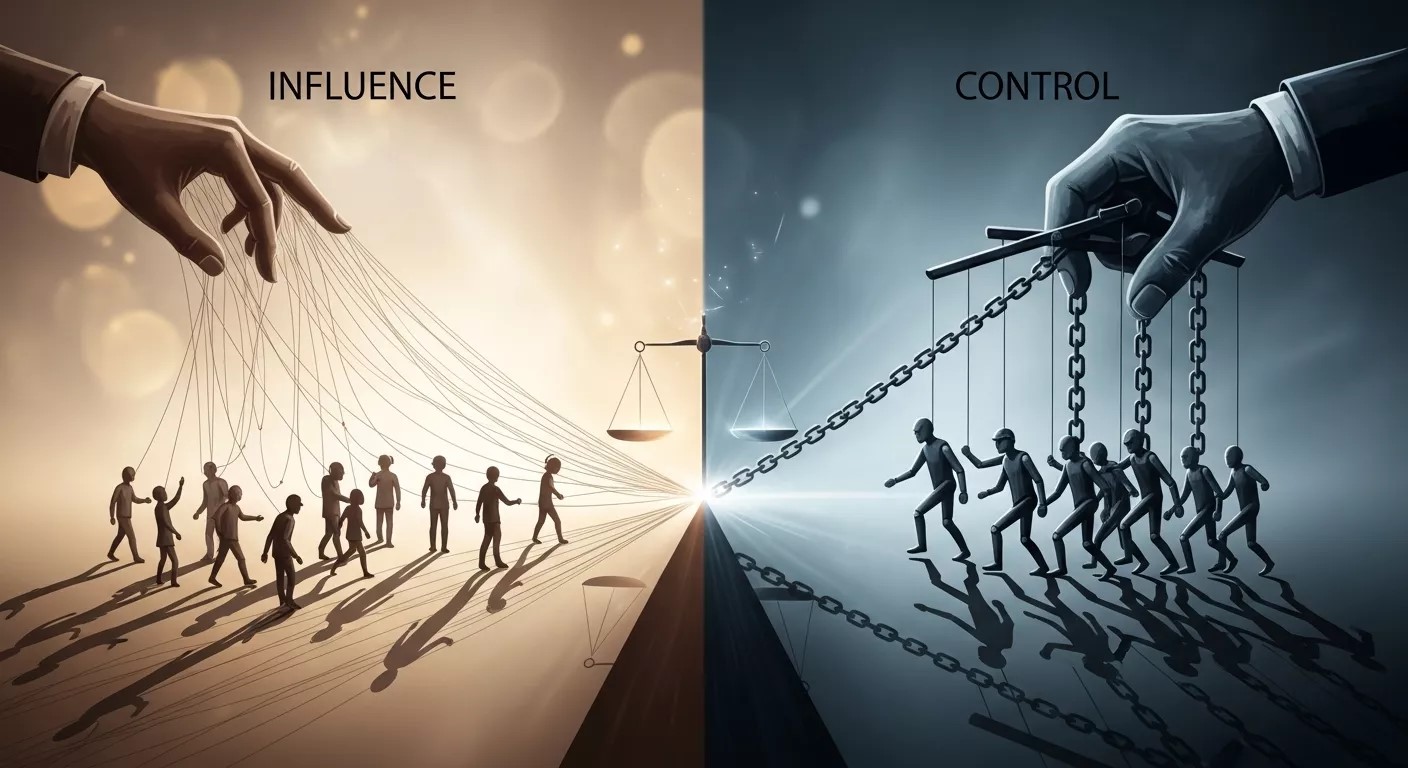
Understanding the Balance Between Influence and Control

Understanding the Balance Between Influence and Control

One common challenge in collaborations is navigating Strategic Influencer vs Brand Partnerships. Brands want message control, while influencers value creative freedom. The best partnerships strike a balance where both parties benefit. Strategic Influencer vs Brand Partnerships succeed when expectations are clearly documented—covering brand guidelines, approval processes, and content rights. Without legal clarity, disputes over tone, usage rights, or campaign performance can arise. Marketers should focus on collaboration rather than command, ensuring influencers remain authentic while aligning with brand objectives. This balance builds trust and ensures campaigns resonate with audiences naturally.

Performance-Driven Collaboration Models

Data-driven organizations increasingly explore Strategic Optum Market Performance Partnerships to improve efficiency and outcomes. These partnerships focus on analytics, performance metrics, and measurable results rather than visibility alone. Strategic Optum Market Performance Partnerships often involve shared data systems, reporting frameworks, and performance benchmarks. For marketers, this means accountability on both sides-partners are evaluated based on outcomes, not promises. Legal agreements here must clearly define KPIs, data usage rights, and confidentiality obligations. When structured well, performance-based partnerships enable smarter decision-making and long-term optimization across marketing channels.

Scaling Revenue Through Collaborative Growth Models

Strategic Partnership Marketing for Growth in Business

Businesses aiming for sustainable expansion often turn to Strategic Partnership Marketing for Growth in Business. This approach focuses on long-term value creation rather than short-term promotions. Strategic Partnership Marketing for Growth in Business allows brands to enter new markets, cross-sell products, and leverage partner credibility. These collaborations require strong legal frameworks to manage revenue sharing, branding rights, and exit terms. Marketers who approach partnerships strategically-not opportunistically-can unlock exponential growth while minimizing operational risk. Growth-focused partnerships work best when both sides invest equally in success.

Monetization Through Performance-Based Alliances

Affiliate programs are evolving into Strategic Affiliate Marketing Partnerships with deeper integration and shared objectives. Unlike basic affiliate links, these partnerships involve content collaboration, audience education, and performance optimization. Strategic Affiliate Marketing Partnerships depend heavily on transparent commission structures, tracking systems, and compliance clauses. Legal agreements protect both parties from disputes over attribution, payment delays, or misuse of brand assets. When managed strategically, affiliate partnerships generate consistent revenue streams and strengthen long-term brand visibility across digital ecosystems.

Expanding Reach Across Borders and Cultures

Global brands increasingly rely on Strategic Global Brand Partnership Marketing to enter new regions efficiently. These partnerships help brands navigate cultural nuances, regulatory requirements, and local consumer behavior. Strategic Global Brand Partnership Marketing requires detailed legal agreements covering jurisdiction, intellectual property, and regional compliance. Marketers must ensure brand consistency while allowing local partners flexibility. When executed properly, global partnerships accelerate market entry, reduce localization costs, and build trust with international audiences faster than standalone expansion efforts.

Aligning Legal Structure With Strategic Vision

Every successful partnership begins with alignment between strategy and structure. Whether it involves Strategic Marketing Partnerships or Strategic Global Brand Partnership Marketing, legal clarity ensures smooth collaboration. Contracts transform ideas into executable frameworks, protecting creativity while managing risk. Marketers who understand the legal side of partnerships gain a competitive advantage-they negotiate better terms, avoid conflicts, and build scalable alliances. Strategic partnerships are not just marketing tactics; they are business assets. When strategy and legal planning work together, partnerships become engines of long-term growth.

Risk Management and Long-Term Stability in Partnerships

As partnerships grow more complex, managing legal and operational risk becomes essential. Many brands rely on Strategic Marketing Partnerships to scale quickly, but without proper agreements, these collaborations can expose businesses to financial and reputational harm. Clear contracts help define accountability, performance expectations, and exit conditions. In long-term collaborations, especially those involving content creation or shared audiences, ownership and usage rights must be carefully outlined. Strategic partnerships are not just about growth; they are about sustainability. When legal structures support collaboration, marketers can focus on innovation instead of damage control, ensuring partnerships remain productive over time.

Global Expansion Through Performance-Based Alliances

For brands looking beyond local markets, partnerships offer a safer route to expansion. Strategic Global Brand Partnership Marketing enables companies to leverage local expertise while maintaining brand consistency. These partnerships often overlap with Strategic Affiliate Marketing Partnerships, where performance-based models reduce upfront risk. However, international collaborations introduce additional legal considerations, such as cross-border compliance, tax implications, and jurisdictional disputes. Contracts must clearly define responsibilities across regions. When structured correctly, global and affiliate partnerships help brands grow faster, enter new markets confidently, and maintain control over messaging and performance without overstretching internal resources.

Compliance and Regulatory Awareness in Strategic Partnerships

Modern partnerships operate in a highly regulated environment, making compliance a critical factor for marketers. Whether you are dealing with influencer collaborations, affiliate programs, or co-branded campaigns, understanding applicable laws is essential. General Data protection regulations, advertising disclosure rules, and intellectual property laws vary across regions and industries. Without proper compliance clauses, even well-intentioned partnerships can face legal penalties. Clear legal agreements help ensure that all parties follow advertising standards, consumer protection laws, and platform-specific guidelines. By addressing compliance early, brands reduce legal risk and maintain credibility while building trustworthy, long-term strategic partnerships.

Aligning Legal Frameworks With Marketing Goals

Aligning Legal Frameworks With Marketing Goals

Legal agreements should not feel like barriers to creativity—they should support marketing success. When contracts align with campaign objectives, partnerships become smoother and more productive. For example, defining performance benchmarks, content timelines, and approval workflows helps marketers execute campaigns efficiently. In strategic partnerships, legal clarity empowers teams to focus on growth rather than conflict resolution. Well-structured agreements ensure flexibility while protecting both parties. By aligning legal frameworks with marketing goals, brands create partnerships that are scalable, transparent, and results-driven, allowing collaboration to evolve without constant renegotiation or uncertainty.

Final Thought

Partnerships are about trust. An airtight agreement lets all parties focus on cooperation, not protection.

Frequently Asked Questions (FAQ)

What is a legal agreement in strategic partnerships?

A legal agreement in strategic partnerships is a formal contract that defines the roles, responsibilities, and expectations of all involved parties. It helps prevent misunderstandings, protects intellectual property, and ensures accountability throughout the partnership lifecycle.

Why are contracts important in strategic marketing partnerships?

Contracts are crucial in strategic marketing partnerships because they clearly outline deliverables, payment terms, timelines, and liabilities. Without a written agreement, brands risk disputes, missed expectations, and legal exposure that can damage long-term collaboration.

What clauses should be included in influencer partnership contracts?

Influencer contracts should include content ownership, usage rights, posting frequency, compensation, exclusivity, disclosure requirements, and termination terms. These clauses are especially important in strategic micro-influencer partnerships and brand collaborations.

How do legal agreements protect intellectual property?

Legal agreements specify who owns creative assets such as videos, images, blog posts, or campaign materials. This is critical in strategic influencer vs brand partnerships where content is co-created and reused across marketing channels.

Are legal agreements necessary for affiliate marketing partnerships?

Yes. Strategic affiliate marketing partnerships require contracts to define commission structures, tracking methods, payment schedules, and compliance rules. Proper agreements protect both brands and affiliates from disputes or unethical practices.

What legal risks should marketers watch out for in partnerships?

Marketers should be cautious of vague language, missing deliverables, unclear payment terms, and imbalanced obligations. These risks often appear in poorly drafted contracts and can lead to financial loss or brand damage.

How do legal agreements support global brand partnerships?

In strategic global brand partnership marketing, contracts address jurisdiction, tax compliance, data protection, and dispute resolution across regions. Strong legal frameworks allow brands to expand internationally with reduced risk.

Can small businesses benefit from legal agreements in partnerships?

Absolutely. Even small brands entering strategic marketing partnerships benefit from legal agreements. Clear contracts protect budgets, ensure fair collaboration, and help small businesses grow confidently without legal uncertainty.

How often should partnership agreements be reviewed or updated?

Partnership agreements should be reviewed regularly—especially when goals, scope, or markets change. Long-term collaborations benefit from periodic updates to reflect performance metrics, compliance rules, and evolving business needs.


5 Innovative Co-Branding Campaigns for Small Businesses

0
co-branding

Collaborations are not just for power brand match-ups like Nike and Apple or McDonald’s and Disney. Co-branding efforts can be a great benefit for small businesses as well. By collaborating with other businesses that also share your values, mission or audience, you have the power to make something bigger and better than what you could do alone. Creative co-branding not only improves the visibility of the brand, but also provides an opportunity to target a larger market segment and at the same time cuts down on the costs of marketing.

Here, this blog will help you to cover five creative co-branding campaign ideas tailored to the job appropriate for small businesses. Whether you’re needing some inspiration or wanting an action plan, these tips will help you get maximum value out of your collaborations.

What Is Co-Branding?

Co-branding it’s like a partnership between two brands: they join their fabulous powers of marketing they add their public and another very strong point and join in. Typically, these campaigns are a win-win, increasing the exposure and effectiveness of marketing for all involved.

And the best part? Co-Branding Small business can also make good use of co-branding to ensure that their brand is heard, without the need for largescale company budget. Whether through commonly marketed complementary products, marketed events, marketing events or even social media content, small businesses can form stronger ties with their customers and partners.

Why Small Businesses Should Use Co-Branding

There are plenty of reasons for small businesses to hop on the co-branding bandwagon. Here are some advantages to keep in mind:

Double the Visibility

Offer two-for-one items with another brand. When you team up with another company, you access each other’s mailing list, effectively doubling your outreach, giving you the means to reach twice as many potential clients as before.

Shared Costs and Resources

Marketing spend can be shared, which means less financial stress placed on one entity and double the efforts.

Brand Credibility Reinforced

Aligning your business with a trusted or popular brand name can lend instant credibility on your end.

Enhanced Creativity

Sometimes two minds (and teams) are better than one. Co-branding initiatives can lead to ideas and innovations that wouldn’t surface without the spark.

5 Creative Co-Branding Campaign Ideas for Small Business

Work on a Special Collection Item

One of the best ways to co-brand as a small business is to develop a limited-edition product that combines components of both brands.

Example: A bakery and a coffee shop in the same neighborhood could partner to make a limited-edition coffee blend and custom-designed pastries to go with it.

Why It Works: Consumers love exclusivity. The products are limited edition, and therefore urgency is created for the customers to act quickly, all that while customers are also introduced to a new partner’s brand in a significant way.

Actionable Tip: Select a partner that’s lines of business are the converse of your own.

Co-hosting Joint Events Or Workshop

Tell your partnership’s story via events that meet your joint audience in the flesh or virtually.

Example: A yoga studio and a wellness smoothie shop might collaborate on a wellness day that includes yoga classes and post-workout smoothies.

Why It Works: Product experiences enable consumers to explore the two brands in a very unique, hands-on manner.

Actionable Tip: Begin by thinking about events your audiences would enjoy, then co-register the event via newsletters, social media and on-location signage.

Develop Fun Social Media Campaigns

Social media co-branding is one of the simplest and least expensive means for the small business to co-brand.

Example: Two small clothing brands might collaborate, for instance, on a “Style Swap Challenge,” in which they each produce outfits using the other’s goods.

Why It Works: People enjoy taking part in trends and challenges, particularly when it appeals to their personal hobbies.

Actionable Tip: Use a custom hashtag to join the campaign. And don’t forget to cross-tag each other when you post.

Convenient And Value Pack Items

Product bundling is a great way to provide value and expand cross-brand exposure.

Example: A local bookstore and an artisanal tea company might provide a “Read & Relax Bundle,” with a book and a handcrafted tea blend.

Why It Works: Consumers are always in search of bargains that don’t seem like gimmicks.

Actionable Tip: Ensure that a simple bundle with equal on-pack branding of both brands is available and promote it on your channels.

Infuse Your Content with Customer Stories

A happy customer is the best storyteller of all. Collaborate with a brand for collecting and amplifying testimonials.

Example: A local fitness club and a meal prep service could highlight success stories of customers who have transformed their lifestyle and health.

Why It Works: When you show real-world applications of how your joint venture meets the needs of customers you establish trust naturally.

Actionable Tip: Keep it relatable. Include photos or videos of real clients (with their consent) to add more engagement to the content.

How to Co-Brand With Another Company

Co-branding is a powerful strategy for small businesses to grow their brand, reach new audiences, and boost sales. When done right, it builds brand credibility and increases visibility across multiple channels.

To get started, choose a business partner that shares your target audience, values, and marketing goals. A strong alignment creates a smoother collaboration and better results.

Set clear objectives for the partnership. Whether your goal is to improve social media engagement or drive more conversions, having a defined target keeps the campaign focused.

Make sure the partnership is equal. Both brands should promote the campaign on their websites, social media, and email marketing to maximize exposure.

Most importantly, create an effective partnership marketing proposal. This document should clearly outline responsibilities, deliverables, deadlines, and success metrics. It ensures both sides stay on track and get the most from the collaboration.

With the right partner and a detailed plan, co-branding can help you grow faster and reach more customers.

Start Creating Unforgettable Co-Branding Campaigns Now

Strategic partnerships are a win-win for Small Businesses. Creatively co-volume-branded experiences can be one of the most cost-effective methods of reaching new prospects and raising the level of surprise and delight that you’re aiming to achieve with your marketing.

Exercise creativity based on this discussion of ideas and begin brainstorming with businesses local to you that align with your values. And, when collaborating with others, authenticity and creativity are always key.

How to Calculate Sponsorship ROI: KPIs Every Brand Should Monitor

0
Sponsorship ROI

Sponsorships can be an effective leverage point for brands to expand awareness, build connections with desired consumer segments, and drive sales. But how do you know if your sponsorship dollars are actually paying off? Calculating the ROI (return on investment) of sponsorship is important for you to know the value your brand receives and to ensure that you are effectively spending your marketing dollars.

In this blog we are going to run you through the vital metrics that every company needs to monitor, when they are assessing their sponsorship ROI. From building brand awareness to acquiring new customers, we’ll discuss actionable strategies that will inform your future sponsorship decisions.

The Importance of Measuring the ROI of Sponsorship

The Importance of Measuring the ROI of Sponsorship

Sure, sponsoring an event, or an influencer, or even a venue sounds like a great way to get your brand in front of the right people, but if you can’t measure these results, then do you know if it’s actually a winning strategy for your brand? Without measuring ROI, brands are in danger of dedicating resources to campaigns that don’t fit them for the long run.

Why you want to know the ROI on sponsorship

Measuring ROI on sponsorship enables you to:

  • Measure results: Be sure you know how the sponsorship hits your bottom line.
  • Get smarter: Put insights to work on smarter sponsorship decisions in the future.
  • Show success: Prove your spend is justified to stakeholders with data-based backing.

Sponsorship ROI Metrics to Monitor

Sponsorship ROI Metrics to Monitor

You have to have an understanding of what you’re measuring when examining sponsorship ROI. Here are the key metrics for every brand to consider:

Brand Awareness

We talked about how the whole goal of a sponsorship is to get your brand seen. Here are some key KPIs to consider when evaluating changes in awareness:

  • Impressions: Count how many times products with your brand logo or message were seen throughout the event or promotion (i.e. event signage, social media posts, or TV).
  • Social Media Mentions: Keep track of your brand being referred to online pre-, during and post sponsorship.
  • Surveys and Polls: Ask attendees or participants directly and find out if they remember your brand.

Example: If your business sponsors an athletic event, tally how many times the event printed your company’s logo and how many social media users tagged your brand in post-event screen shots.

Audience Engagement

Audience Engagement

Another important objective of sponsorships is to reach your intended audience. Engagement metrics can tell you how well your sponsorship attract attention and interest:

  • Social Interactions: Monitor likes, reposts, shares, and private messages that mention the sponsored event or activation.
  • Website Traffic: Observe any increase in visits to the website during and immediately after the sponsorship.
  • Event Participation: If you’re running activations (like a pop-up shop or branded contest), track information like booth engagement or contest signups.

Example: If you sponsor a music festival, for instance, you can develop an Instagram contest with a branded hashtag. Monitor the number of users who join the competition and follow your social media profiles.

Lead Generation

Sponsoring offers exactly the right possibility to convert an audience’s interest into leads. These are numbers that show you how many potential customers that you are getting into your sales funnel:

  • Leads Generated: Keep track of event registrations, email opt-ins, or demo requests that originated from your sponsorship.
  • QR CODE SCANS: Utilize custom QR codes printed throughout your sponsorship materials to monitor audience engagement.
  • Event-Related Offers: If you’re providing special offers or sales as part of the sponsorship, track how many are redeemed.

Example: Your company is the sponsor of a marathon, and you decide to print QR codes on banners that link to a page with a special sign-up form for exclusive deals for participating in the marathon. Monitor how many people scanned the code and complementary leads were generated.

Sales Conversions

At the end of the day, sponsorship success tends to be measured by its effect on the bottom line. Consider these financial ROI measures:

  • Direct Sales: Monitor sales generated by customers who specifically refer to event exposure (such as the utilization of promo codes linked to the partnership).
  • Attributable Revenue: Connect website traffic or leads generated through sponsored content to sales that closed.
  • Long Term Customer Value (LTCV): Compute how much value these customers have in them by investing in the sponsored activity.

Example: If your product was sponsored with a unique 20% off code, measure how much in sales came through that code during the campaign.

Media Coverage and Earned Media Value

Media Coverage and Earned Media Value

You will usually get a little more exposure with sponsorships, as they also tend to get some media coverage. To assess this, track:

  • Media Mentions: How many times does your brand show up in articles, TV coverage, or press releases related to the sponsorship?
  • Earned Media Value: Calculate how much cash value your exposure is worth to your sponsorship.

Example: You sponsor a tech conference and your name makes it into articles written by several news outlets about the conference after it’s all said and done. Then put a monetary value on those mentions by comparing them to what you’d pay for advertising.

Customer Sentiments and Brand Image

Sponsorships are about more than just building awareness; they help determine how the public views your brand. These methods can be used to analyze sentiment:

  • Sentiment Analysis: Use tools such as Hootsuite or Brandwatch to see how customers talk about your brand online.
  • Feedback Polls: Use this to glean feedback about how the sponsorship changes attitudes about your brand among your audience.

Example: For example, if you hosted a local charity event for your community, survey attendees afterwards to see how they view your brand’s support of corporate social responsibility.

How individuals can successfully monitor sponsorship metrics

Easier Said Than Done It actually becomes easier if you have the right tools and strategy to know sponsorship ROI. Below are some tips to help you track in a disability-friendly way:

  • Set Clear Goals: Ahead of initiating a sponsorship, clearly define success and the key metrics you’ll monitor.

    Understanding the True Financial Worth of Sponsorships

    Determining the actual worth of a sponsorship goes far beyond logo placement or brand mentions. Sponsorship Valuation involves calculating tangible and intangible benefits such as media exposure, audience relevance, and brand sentiment. Brands must consider factors like audience demographics, platform visibility, and content lifespan when assigning value. For example, a digital sponsorship with long-term content visibility may outperform a one-time physical event sponsorship. Accurate valuation also helps brands negotiate fair pricing and avoid overspending. When marketers understand sponsorship valuation deeply, they can allocate budgets more strategically and ensure that every partnership contributes measurable business impact.

  • Unique Tracking Links: Generate links for tracking by a promotion code or QR-Code to identify leads and sales.
  • Tap Into Technology: Deploy social listening (e.g., Sprout Social), data analytics (e.g., Google Analytics) and CRM (e.g., Salesforce) to monitor and aggregate data.
  • Work with Partners: Work with event producers to gain access to attendee demographics, media impressions, and other data overtime plus.

Making Data Into Actionable Information

Tracking metrics alone isn’t quite enough to really maximize your sponsorship strategies. You want to turn the data into actionable insights:

  • Benchmark Forward and Backward: Study historical (and current) views of your current sponsors to better plan for the future.
  • Segment Your Outcomes: Analyses the metrics by audience type, channels or elements of campaigns for some great insight.
  • Test and Learn: Leverage smaller sponsorship activations to test new ideas and scale those that work.

After coaching hundreds of clients through sponsorships…

Sponsoring sounds like a game-changer for your brand, but you also need to know what success looks like and when you can say that sponsoring is a success. From brand awareness to revenue, there are all sorts of data points to monitor and optimize. Keep improving by learning from the activity on all of your accounts, then use those insights so you can maximize the return on every campaign.

Seeking more strategies to strengthen your sponsors? Discover resources that fit your specific needs and elevate your brand.

Measuring Collaborative Brand Impact Beyond Surface Metrics

When multiple brands work together, measuring success goes beyond likes and impressions. Understanding The ROI of Multi-Brand Collaboration Campaigns requires analyzing shared audience growth, cross-brand trust, and combined conversion influence. These campaigns often generate layered value—brand lift for one partner, direct sales for another, and long-term visibility for all. Marketers should track co-branded traffic sources, assisted conversions, and engagement overlap between audiences. A key advantage of collaborative campaigns is cost-sharing, which lowers individual risk while increasing exposure. However, ROI clarity only comes when responsibilities and attribution models are clearly defined. Without structured measurement, collaboration success can be underestimated or misinterpreted.

Understanding the True Financial Worth of Sponsorships

Determining the actual worth of a sponsorship goes far beyond logo placement or brand mentions. Sponsorship Valuation involves calculating tangible and intangible benefits such as media exposure, audience relevance, and brand sentiment. Brands must consider factors like audience demographics, platform visibility, and content lifespan when assigning value. For example, a digital sponsorship with long-term content visibility may outperform a one-time physical event sponsorship. Accurate valuation also helps brands negotiate fair pricing and avoid overspending. When marketers understand sponsorship valuation deeply, they can allocate budgets more strategically and ensure that every partnership contributes measurable business impact.

Why Digital Sponsorship Models Are Accelerating

Digital-first experiences are reshaping how brands invest in partnerships. With remote audiences growing rapidly, Virtual Events Sponsorship on the Rise reflects a shift toward scalable, data-rich activations. Unlike physical events, virtual sponsorships provide precise analytics—clicks, session duration, booth visits, and content engagement. Brands gain global reach without geographic limitations, while sponsorship costs remain comparatively lower. Virtual environments also allow dynamic placements such as sponsored sessions, branded networking lounges, and interactive demos. These formats make ROI tracking easier and more transparent. As hybrid and fully virtual experiences continue evolving, digital sponsorships are becoming a core component of modern marketing strategies.

Strategic Planning for Long-Term Partnership Returns

Maximizing sponsorship returns requires planning beyond a single campaign. Brands that study The ROI of Multi-Brand Collaboration Campaigns over time often discover compounding benefits—repeat exposure, stronger audience trust, and improved partner alignment. Long-term collaborations enable shared storytelling, consistent messaging, and deeper data insights. Marketers should evaluate performance trends across campaigns, not just one-off results. This includes monitoring brand recall, engagement consistency, and cross-channel performance. Sustainable ROI comes from partnerships built on mutual value rather than short-term gains. Strategic planning ensures collaborations evolve alongside audience expectations and market conditions.

Blending Valuation Models with Digital Sponsorship Growth

As sponsorship channels diversify, brands must align valuation methods with modern formats. Insights from The Complete Guide to Sponsorship Valuation are especially useful when applied to Virtual Events Sponsorship on the Rise. Digital sponsorships allow real-time performance tracking, making valuation more accurate and adaptable. Brands can test placements, optimize messaging mid-campaign, and quickly assess cost efficiency. Combining traditional valuation frameworks with digital analytics helps marketers understand both immediate impact and long-term brand equity. This blended approach ensures sponsorship strategies remain flexible, data-driven, and aligned with evolving consumer behavior.

Frequently Asked Questions (FAQ)

What is sponsorship ROI and why is it important?

Sponsorship ROI (Return on Investment) measures how much value a brand gains compared to what it spends on sponsorship activities. It’s important because it helps brands understand whether their sponsorship efforts are driving awareness, engagement, leads, or revenue, instead of relying on assumptions or vanity metrics.

Which KPIs are most important for calculating sponsorship ROI?

Key KPIs include brand awareness (impressions, mentions), audience engagement (likes, shares, traffic), lead generation (email sign-ups, QR scans), sales conversions (promo code usage, attributable revenue), earned media value, and customer sentiment. The right KPIs depend on your campaign goals.

How do brands track sales from sponsorship campaigns?

Brands typically track sales using unique promo codes, custom landing pages, QR codes, UTM tracking links, and CRM integrations. These tools help directly connect sponsorship exposure to purchases or conversions.

Can sponsorship ROI be measured without direct sales?

Yes. Not all sponsorships aim for immediate sales. ROI can also be measured through brand lift, audience engagement, media exposure, sentiment improvement, and long-term customer value, especially for awareness-driven campaigns.

What tools help measure sponsorship performance effectively?

Popular tools include Google Analytics for traffic and conversions, social listening platforms like Hootsuite or Brand watch for sentiment and mentions, CRM tools like Salesforce for lead tracking, and event analytics platforms for impressions and attendee data.

How long should brands wait to evaluate sponsorship ROI?

While some metrics like engagement and traffic can be tracked in real time, brands should evaluate sponsorship ROI both immediately after the campaign and over time. Long-term metrics such as customer lifetime value and brand perception often take weeks or months to fully reflect impact.

What are common mistakes brands make when measuring sponsorship ROI?

Common mistakes include not setting clear goals before the sponsorship, relying only on impressions, ignoring attribution models, failing to track post-event conversions, and not collaborating with partners to access accurate data.

How can brands improve ROI in future sponsorships?

Brands can improve ROI by setting clear KPIs upfront, choosing sponsorships aligned with their target audience, testing smaller activations, using data-driven insights to optimize campaigns, and focusing on long-term partnerships rather than one-off deals.

Top Sponsorship Trends Every Marketer Should Know

0
Top Sponsorship Trends Every Marketer Should Know

Sponsorship marketing is shifting from basic brand exposure to meaningful, data-driven partnerships. Today’s most effective sponsorships focus on sustainability, authenticity, personalization, and real audience engagement rather than just visibility. Trends like immersive digital experiences, micro-influencer collaborations, AI-powered personalization, and purpose-led partnerships are redefining how brands connect with people.

Marketers who embrace long-term partnerships, measurable impact, and genuine brand values will stay relevant and competitive as sponsorship marketing continues to evolve.

Top Sponsorship Trends Every Marketer Should Know

Sponsorship marketing has evolved far beyond logo placements and event banners. In today’s experience-driven, value-conscious marketplace, sponsorships are strategic partnerships that shape brand perception, trust, and long-term growth. As consumer expectations, technology, and data capabilities continue to advance, marketers must rethink how sponsorships are planned, executed, and measured.

Modern audiences demand authenticity, personalization, and purpose. Brands that fail to adapt risk being ignored or worse, perceived as out of touch. This guide explores the most important sponsorship trends every marketer should understand to stay competitive, relevant, and impactful in the years ahead.

Sustainability Becomes a Core Sponsorship Requirement

Sustainability Becomes a Core Sponsorship Requirement

Sustainability is no longer a “nice-to-have” attribute in sponsorships it is a baseline expectation. Consumers are increasingly conscious of environmental and social issues, and they actively evaluate brands based on ethical responsibility and long-term impact.

Millennials and Gen Z, in particular, expect brands to take a stand on climate change, responsible sourcing, and social equity. As a result, sponsorships tied to eco-friendly initiatives, carbon-neutral events, renewable energy projects, and environmental awareness campaigns are gaining dominance.

Brands are moving away from surface-level green messaging and toward sponsorships that demonstrate measurable impact. Zero-waste conferences, sustainable sports tournaments, eco-certified festivals, and climate-focused innovation forums are becoming powerful platforms for credible brand alignment.

For marketers, authenticity is critical. Audiences are highly skeptical of greenwashing. Sponsorship strategies must be supported by real commitments, transparent reporting, and long-term sustainability goals. Brands that align sponsorship investments with genuine environmental responsibility build deeper trust, stronger loyalty, and lasting brand equity.

NFTs and Blockchain Redefine Sponsorship Ownership and Trust

NFTs and Blockchain Redefine Sponsorship Ownership and Trust

Blockchain technology and NFTs (Non-Fungible Tokens) are reshaping how sponsorship value is created, distributed, and verified. These technologies introduce transparency, exclusivity, and traceable ownership three elements that address long-standing challenges in sponsorship marketing.

Non Fungible Token (NFT) powered sponsorships allow brands to offer limited-edition digital collectibles, exclusive content, virtual merchandise, and token-gated experiences. These assets create new engagement touchpoints while fostering a sense of ownership and community among audiences.

In sports, gaming, and entertainment, NFT sponsorships are transforming fan experiences by blending digital identity with real-world engagement. Fans are no longer passive spectators they become active participants in brand ecosystems.

Blockchain also strengthens sponsorship agreements by creating immutable records of contracts, performance benchmarks, and intellectual property rights. This reduces disputes, enhances accountability, and builds trust between sponsors and partners. As adoption grows, blockchain-backed sponsorship frameworks are becoming a foundation for large-scale and long-term collaborations.

Information-Powered Sponsorship Agreements Replace Guesswork

Traditional sponsorship models relied heavily on estimated reach, logo impressions, and post-event summaries. In a data-driven marketing environment, this approach is no longer sufficient.

Brands now demand real-time insights and measurable outcomes. Advances in AI, big data analytics, and marketing technology enable information-powered sponsorship agreements that track performance throughout a campaign’s lifecycle.

Marketers can measure engagement depth, sentiment analysis, website traffic, social amplification, lead generation, and conversion impact across channels. This allows sponsors to optimize campaigns in real time instead of waiting until after an event ends.

Data transparency also plays a crucial role in sponsorship renewals. Partners that demonstrate clear ROI, audience relevance, and measurable impact are far more likely to secure long-term relationships. As budgets face increased scrutiny, information-powered sponsorships become a competitive necessity rather than an advantage.

Virtual and Augmented Reality Expand Sponsorship Beyond Physical Space

Virtual reality (VR) and augmented reality (AR) are opening entirely new dimensions for sponsorship marketing. As digital-first experiences continue to grow, brands are no longer limited by geography or physical venues.

Sponsored virtual events, immersive brand environments, and AR-enhanced activations allow marketers to engage global audiences in interactive and memorable ways. Virtual billboards in eSports tournaments, AR-powered product demos at concerts, and branded digital worlds provide deeper engagement than traditional sponsorship placements.

These immersive experiences offer extended interaction time, richer storytelling, and detailed behavioral insights. For marketers, Virtual Reality (VR) and Augmented reality (AR) sponsorships represent a powerful fusion of experiential marketing and data intelligence.

As technology becomes more accessible, immersive sponsorship formats will become a core component of modern sponsorship strategies rather than experimental add-ons.

Micro-Influencer Sponsorships Deliver Higher Authenticity and ROI

The era of relying solely on celebrity endorsements is fading. Micro-influencers—creators with smaller but highly engaged audiences are becoming central to sponsorship success.

These influencers maintain closer relationships with their communities, resulting in higher trust and credibility. Sponsored content from micro-influencers often feels more organic, relevant, and authentic than mass-market celebrity promotions.

Micro-influencer sponsorships enable brands to reach niche audiences with precision. This approach delivers higher engagement rates, better conversion performance, and stronger long-term brand affinity often at a lower cost.

As marketers seek efficiency and authenticity, sponsorship budgets are increasingly shifting toward micro-influencer partnerships that prioritize quality of engagement over sheer reach.

Diversity and Inclusion Take Center Stage in Sponsorship Strategy

Diversity and inclusion are no longer optional brand values—they are strategic imperatives. Consumers expect brands to reflect the diversity of the communities they serve and to actively support underrepresented voices.

Sponsorships that promote inclusion such as women-led conferences, LGBTQ+ pride events, minority-focused art exhibitions, and inclusive education initiatives—help brands demonstrate cultural awareness and social responsibility.

These partnerships resonate emotionally with audiences and strengthen trust, loyalty, and relevance. Inclusive sponsorship strategies also enable brands to connect with new markets while reinforcing positive brand identity.

As societal expectations evolve, diversity-driven sponsorships will remain a defining factor in brand credibility and long-term success.

Regional and Hyper-Local Sponsorships Gain Strategic Importance

While global sponsorships offer scale, they often lack personal relevance. Many brands are shifting toward regional and hyper-local sponsorships that foster deeper community connections.

Local sports teams, music festivals, cultural celebrations, and grassroots initiatives provide opportunities for authentic engagement. These sponsorships allow brands to participate in meaningful local stories rather than broadcasting generic messages.

For businesses with strong regional footprints, localized sponsorships deliver higher engagement, stronger brand affinity, and more sustainable results. Community-focused sponsorships also reinforce trust by positioning brands as active, invested participants rather than distant advertisers.

Experience-Driven Sponsorships Replace Passive Exposure

Modern consumers seek experiences, not interruptions. Experience-driven sponsorships prioritize interaction, immersion, and emotional connection over passive visibility.

Brands are investing in pop-up activations, interactive booths, live demonstrations, and hands-on brand experiences that invite audiences to participate rather than observe. These experiences are memorable, shareable, and highly effective at building brand recall.

By focusing on how audiences feel and interact, experience-driven sponsorships create deeper emotional bonds and stronger long-term brand associations.

AI-Enhanced Personalization Transforms Sponsorship Engagement

Artificial intelligence is reshaping how sponsorships are delivered, optimized, and scaled. AI enables brands to personalize sponsorship experiences based on behavior, preferences, location, and demographics.

From dynamic content placement to real-time message optimization, AI-driven sponsorships increase relevance and efficiency. Brands can adapt messaging during live events, personalize digital touchpoints, and allocate budgets more strategically.

As AI continues to evolve, sponsorship campaigns will become more adaptive, predictive, and results-driven-enhancing both audience satisfaction and marketing ROI.

Cause-Based Sponsorships Build Emotional Brand Connections

Purpose-driven branding is shaping the future of sponsorship marketing. Consumers want brands to stand for something beyond profit, and cause-based sponsorships offer a powerful way to demonstrate shared values.

Sponsorships connected to mental health awareness, education, hunger relief, environmental protection, and social justice initiatives create emotional resonance and long-term loyalty.

When executed authentically, cause-based sponsorships transform brands into advocates rather than advertisers driving trust, advocacy, and sustained engagement.

Long-Term Strategic Partnerships Outperform One-Off Deals

The future of sponsorship favors long-term collaboration over short-term exposure. Ongoing partnerships allow brands to build consistent narratives, deeper trust, and richer data insights.

Long-term sponsorships support continuous optimization, shared storytelling, and stronger alignment between partners. Rather than chasing fleeting visibility, brands that invest in sustained relationships benefit from compounding returns and stronger brand equity.

Leading the Future of Brand Partnerships

Leading the Future of Brand Partnerships

Modern brands no longer succeed through visibility alone—they win through leadership. Strong marketing and sponsorship leadership today means setting a clear vision, choosing the right partnerships, and aligning sponsorship efforts with long-term brand goals. Leaders in this space understand that sponsorship is not just a media expense, but a strategic growth lever.

Effective leadership requires balancing creativity with data. Brands that lead in sponsorship invest in partnerships that reflect their values, resonate with their audience, and deliver measurable outcomes. This approach allows marketing teams to move beyond short-term exposure and build sustainable brand equity through thoughtful collaboration.

In this evolving landscape, marketing and sponsorship leadership is defined by adaptability, authenticity, and the ability to turn partnerships into meaningful brand experiences rather than transactional deals.

Turning Events into Immersive Brand Experiences

Events remain one of the most powerful sponsorship platforms but only when creativity is at the core. Audiences are no longer impressed by logos on banners or stage backdrops. They want interaction, storytelling, and memorable moments that feel personal.

This is where creative event sponsorship marketing plays a critical role. Brands are designing interactive booths, live demonstrations, experiential pop-ups, and social-first activations that encourage participation rather than passive observation. These experiences not only capture attention during the event but also extend reach through social sharing and post-event engagement.

By focusing on creativity and audience involvement, brands can transform sponsored events into emotional touchpoints that drive recall, loyalty, and long-term impact.

Innovative Platforms Reshaping Sponsorship Strategy

The sponsorship landscape is being redefined by platforms and agencies that challenge traditional models. One notable example is how Tigris Sponsorship and Marketing are changing the game by emphasizing data transparency, tailored partnerships, and measurable performance over generic exposure.

Innovative sponsorship platforms help brands identify the right opportunities, track real-time performance, and optimize campaigns as they run. This shift empowers marketers to make informed decisions, justify investments, and build stronger relationships with partners.

As sponsorship becomes more strategic and accountable, such forward-thinking approaches are setting new standards for how brands plan, execute, and evaluate sponsorship success.

Expanding Reach Through Digital-First Experiences

As audiences increasingly engage online, sponsorship opportunities are no longer limited to physical venues. Digital-first experiences have unlocked new ways for brands to connect with global audiences at scale.

Virtual events sponsorship allows brands to integrate into online conferences, live streams, webinars, and immersive digital environments. From branded virtual stages to interactive networking lounges and sponsored content sessions, these formats offer flexibility, data-rich insights, and extended engagement.

Unlike traditional events, virtual sponsorships provide detailed analytics on attendance, interaction, and user behavior making them highly attractive for marketers focused on ROI. As hybrid and fully digital events continue to grow, virtual sponsorships will remain a key pillar of modern sponsorship strategies.

Frequently Asked Questions (FAQ)

Why are sponsorship trends evolving so quickly toward 2025?

Sponsorship trends are shifting rapidly due to changing consumer expectations, digital innovation, and increased demand for authenticity. Audiences now value meaningful engagement over simple exposure. Technologies like AI, blockchain, and data analytics are also enabling brands to measure impact more precisely, forcing marketers to rethink traditional sponsorship models.

How does consumer behavior influence modern sponsorship strategies?

Consumers today prefer brands that align with their values and lifestyles. This has pushed sponsorships toward sustainability, diversity, and purpose-driven initiatives. Brands that understand audience motivations can design sponsorships that feel relevant, personal, and emotionally engaging rather than purely promotional.

Why is sustainability becoming a core sponsorship requirement?

Sustainability resonates strongly with Gen Z and Millennials. Eco-conscious sponsorships signal long-term responsibility and brand credibility. Supporting green events or social causes helps brands build trust, strengthen reputation, and maintain relevance in value-driven markets.

Are NFTs and blockchain practical tools for sponsorships?

Yes, NFTs and blockchain add transparency, exclusivity, and security to sponsorships. NFTs offer unique fan experiences, while blockchain ensures accurate tracking of rights, ownership, and performance. These tools help modernize sponsorship structures and reduce disputes.

How do data-driven sponsorships reduce marketing risk?

Data-driven sponsorships allow brands to track engagement, sentiment, and conversions in real time. This minimizes guesswork and helps marketers adjust campaigns quickly. Better data leads to smarter budget allocation and improved ROI.

Why are virtual and hybrid sponsorships gaining popularity?

Virtual and hybrid sponsorships extend reach beyond physical locations. They allow global participation, interactive engagement, and detailed performance tracking. As digital events grow, these formats offer scalable and cost-efficient sponsorship opportunities.

What makes micro-influencer sponsorships more effective?

Micro-influencers have niche audiences with higher trust levels. Their content feels authentic and relatable, leading to stronger engagement and better conversion rates. Brands benefit from targeted exposure at lower costs.

How does diversity and inclusion impact sponsorship outcomes?

Inclusive sponsorships improve brand perception and cultural relevance. Supporting underrepresented communities demonstrates social responsibility and helps brands connect with broader audiences. This often leads to stronger loyalty and advocacy.

Are local sponsorships more valuable than global ones?

Local sponsorships often feel more personal and relevant. They help brands build community trust and deeper engagement. While global deals offer reach, regional partnerships can deliver higher impact within target markets.

What are experience-driven sponsorships?

Experience-driven sponsorships focus on interaction rather than visibility. Brands create memorable moments through activations, live demos, or immersive experiences. These interactions increase recall, emotional connection, and social sharing.

How is AI improving sponsorship personalization?

AI enables real-time personalization based on user behavior, location, and preferences. This helps brands deliver relevant messages and dynamic content during events, improving engagement and overall campaign performance.

Why is long-term sponsorship planning important?

Long-term sponsorships build consistency and trust. They allow brands to refine messaging, gather deeper insights, and maximize lifetime value. Sustainable growth often comes from ongoing partnerships rather than one-off deals.

How can brands future-proof their sponsorship strategies?

Brands should invest in analytics, embrace new technologies, and align sponsorships with core values. Testing innovative formats and focusing on audience experience will help brands stay competitive.

What metrics matter most for sponsorship success?

Key metrics include engagement, brand recall, sentiment, lead generation, and revenue impact. Tracking both short-term performance and long-term brand value ensures balanced evaluation.

How can marketers justify sponsorship spending to stakeholders?

Clear KPIs, performance dashboards, and data-backed reporting help demonstrate value. Showing how sponsorships contribute to growth, awareness, and customer acquisition builds stakeholder confidence.

How to Select Strategic Brand Allies

0
Strategic Brand Allies

Strategic brand allies help brands grow faster by sharing trust, audiences, and strengths. When partnerships are aligned in values and goals, they drive real impact far beyond short-term campaigns. From choosing between Influencer vs Brand Partnerships to unlocking Global Brand Partnership Marketing opportunities, the right collaboration turns visibility into lasting value.

How to Select Strategic Brand Allies: A Strategic Framework for Sustainable Growth

In a digital-first economy where competition is intense and customer trust is hard-earned, brands no longer grow in isolation. The most resilient and scalable brands are those that understand the power of collaboration. Strategic brand alliances have evolved from optional marketing tactics into essential growth drivers that influence visibility, credibility, innovation, and long-term profitability.

Selecting the right brand allies is not about popularity or short-term exposure. It is about strategic alignment, shared value creation, and long-term impact. When partnerships are chosen intentionally, they unlock new audiences, strengthen positioning, and create ecosystems that competitors struggle to replicate. When chosen poorly, they can dilute brand identity, confuse messaging, and erode trust.

This comprehensive guide explores how to select strategic brand allies through a structured, insight-driven approach one that balances creativity with data, vision with execution, and short-term performance with long-term equity.

Strategic Collaboration as a Growth Engine

Strategic Collaboration as a Growth Engine

Modern brand growth is increasingly collaborative. As markets fragment and customer journeys become more complex, no single brand can dominate every touchpoint alone. Strategic alliances allow brands to extend reach, borrow credibility, and accelerate innovation without overextending internal resources.

At the core of successful collaboration lies a well-defined approach to How to Build a Winning Brand Partnership Strategy. This is not a checklist exercise but a strategic discipline that aligns partnership decisions with business goals, audience needs, and brand values. Without this foundation, even high-visibility collaborations often fail to deliver meaningful results.

Winning partnerships are designed, not improvised. They are built on clarity of purpose, mutual benefit, and a shared commitment to long-term success.

Understanding What Makes a Brand Ally Strategic

Not all partnerships qualify as strategic. A strategic brand ally is more than a sponsor, vendor, or one-time collaborator. Strategic allies actively contribute to shared objectives and see collaboration as an extension of their own growth strategy.

These relationships can take many forms co-marketing initiatives, co-created products, content collaborations, platform integrations, or market expansion partnerships. What differentiates strategic allies is intent. Both parties invest resources, creativity, and trust into achieving outcomes that benefit all stakeholders.

Strategic allies also influence perception. By aligning with the right brands, companies signal their values, quality standards, and market positioning to consumers. This signaling effect can be as powerful as any advertising campaign.

Defining Brand Identity Before Choosing Allies

Defining Brand Identity Before Choosing Allies

Before evaluating external partners, brands must first look inward. Self-awareness is the foundation of successful alliances. Without a clear understanding of identity, positioning, and purpose, even the most promising partnerships can create misalignment.

Brand identity encompasses more than visual elements. It includes mission, values, tone of voice, audience expectations, and the emotional promise delivered to customers. Strategic allies should reinforce these elements rather than compete with or contradict them.

Clarity at this stage also informs decision-making. When brands know who they are and where they are headed, it becomes easier to assess which partnerships will support that journey and which ones may distract from it.

Designing a Partnership Framework That Scales

Strategic partnerships should not be evaluated on a case-by-case basis alone. Brands benefit from developing a repeatable framework that guides partner selection, collaboration design, and performance evaluation.

This framework should outline goals, ideal partner attributes, collaboration models, and success metrics. Within this structure, brands can experiment creatively while maintaining strategic discipline. This is where How to Build a Winning Brand Partnership Strategy becomes operational rather than conceptual.

A scalable framework ensures consistency across partnerships and allows brands to learn, refine, and improve collaboration outcomes over time.

Differentiating Collaboration Models in the Modern Landscape

Differentiating Collaboration Models in the Modern Landscape

Not all partnerships serve the same purpose. Some are designed to build awareness, others to drive conversion, and others to support innovation or market entry. Understanding these distinctions helps brands select allies that align with specific objectives.

One common area of confusion lies in Influencer vs Brand Partnerships. While both can be effective, they serve fundamentally different strategic roles. Influencer collaborations often focus on reach, authenticity, and short-term engagement. Brand partnerships, on the other hand, emphasize shared equity, long-term value, and deeper integration.

Strategic growth often requires a balanced mix of both. However, brands seeking sustainable advantage should prioritize alliances that extend beyond individual personalities and build institutional value.

Audience Alignment and Expansion Potential

Access to new audiences is one of the most compelling reasons to pursue brand alliances. However, audience size alone is not a reliable indicator of partnership success. Relevance, trust, and behavioral alignment matter far more.

Effective partnerships balance audience overlap with expansion. Too little overlap and the collaboration feels irrelevant. Too much overlap and the incremental value diminishes. Strategic allies should share similar audience values while offering exposure to new segments or contexts.

Data plays a critical role here. Audience insights, engagement patterns, and customer personas help brands assess whether a partnership will resonate meaningfully. When done well, audience alignment transforms collaboration into mutual growth rather than shared exposure.

Global Perspective on Brand Collaboration

Global Perspective on Brand Collaboration

As digital platforms erase geographical boundaries, partnerships increasingly operate on a global scale. Global Brand Partnership Marketing enables brands to enter new markets with greater credibility and reduced risk by leveraging local trust and expertise.

Global partnerships require additional sensitivity to cultural nuance, regulatory environments, and regional consumer behavior. Alignment on values and messaging becomes even more critical when operating across borders.

Brands that succeed globally often do so through ecosystems of regional allies rather than a single universal partner. This approach balances consistency with localization and allows partnerships to adapt without losing strategic coherence.

Value Alignment as a Trust Multiplier

Consumers today evaluate brands not only on what they sell but on what they stand for. Partnerships amplify this scrutiny. When values align, collaboration feels authentic and trust deepens. When values clash, skepticism rises quickly.

Shared values influence messaging, campaign tone, and decision-making during challenges. They also reduce reputational risk, as each brand becomes partially accountable for the other’s actions.

Purpose-driven alignment is especially important in industries where sustainability, inclusion, or ethical practices are central to brand identity. Strategic allies should reinforce these commitments rather than undermine them.

Measuring the Financial Impact of Collaboration

While brand equity and trust are critical, partnerships must ultimately contribute to business performance. Understanding The ROI of Multi-Brand Collaboration Campaigns is essential for justifying investment and guiding future strategy.

ROI measurement goes beyond immediate sales. It includes brand lift, engagement quality, customer acquisition efficiency, lifetime value, and retention impact. Long-term partnerships often deliver compounded returns that are not visible in short-term metrics alone.

Clear KPIs, shared dashboards, and regular performance reviews help brands assess what is working and where optimization is needed. Data-driven evaluation turns collaboration into a strategic asset rather than a marketing experiment.

Complementary Capabilities and Shared Strengths

Complementary Capabilities and Shared Strengths

The most effective brand alliances are built on complementarity. Strategic allies bring different strengths that combine to create unique value. One brand may offer technology, another creative storytelling, and another distribution reach.

This division of strengths clarifies roles and reduces friction. It also enables partnerships to deliver outcomes that neither brand could achieve independently. Complementary capabilities are especially powerful in co-creation initiatives, where innovation depends on diverse expertise.

When evaluating potential allies, brands should look beyond surface-level alignment and assess what each party truly contributes.

Reputation, Consistency, and Market Perception

Brand reputation directly affects partnership outcomes. A collaboration is only as strong as its weakest link. Brands must assess potential allies for credibility, consistency, and public perception.

This includes analyzing customer feedback, media coverage, past partnerships, and crisis history. High reach without trust can introduce long-term risk. Strategic allies should enhance reputation, not create uncertainty.

Consistency matters as well. Brands with stable positioning and clear leadership are more reliable partners than those that frequently change direction or messaging.

Risk Management and Due Diligence

Every partnership carries risk. Strategic alliances require proactive risk assessment covering legal considerations, data security, operational reliability, and reputational exposure.

Clear agreements, transparent communication, and defined exit strategies protect both parties. Risk management is not about limiting collaboration but about enabling it with confidence and clarity.

Preparedness allows partnerships to adapt to change without damaging brand equity.

Long-Term Vision Over Short-Term Activation

The most impactful brand alliances are designed to evolve. While short-term campaigns can generate quick wins, sustainable growth comes from partnerships that deepen over time.

A long-term mindset encourages trust, experimentation, and shared learning. It also allows brands to expand collaboration scope as markets and opportunities change.

When selecting allies, brands should consider not only immediate fit but future potential. Scalability, flexibility, and shared ambition are key indicators of long-term success.

Adapting to a Changing Digital Advertising Landscape

Adapting to a Changing Digital Advertising Landscape

Digital advertising is evolving rapidly, and partnerships are increasingly central to performance and differentiation. Partnership Marketing Trends Dominating Digital Ads reflect a shift toward authenticity, co-creation, and ecosystem-based growth.

Brands are moving beyond logo placement toward integrated storytelling, shared data insights, and collaborative innovation. Partnerships now influence everything from creative strategy to media efficiency.

Staying ahead of these trends requires agility and a willingness to rethink traditional collaboration models.

Collaboration as a Competitive Advantage

Strong brand alliances create moats that competitors struggle to cross. They embed brands within ecosystems of trust, relevance, and shared value. Over time, these relationships become strategic assets that support resilience and innovation.

Collaboration also accelerates learning. Brands gain exposure to new perspectives, technologies, and markets through their allies. This shared intelligence compounds over time and strengthens strategic decision-making.

Final Thoughts: Choosing Brand Allies with Intention

Selecting strategic brand allies is one of the most consequential decisions a brand can make. The right partnerships amplify growth, strengthen credibility, and unlock opportunities that extend far beyond individual campaigns.

By grounding decisions in identity, values, audience insight, and long-term vision and by understanding frameworks like How to Build a Winning Brand Partnership Strategy, Influencer vs Brand Partnerships, Global Brand Partnership Marketing, The Return On Investment (ROI) of Multi-Brand Collaboration Campaigns, and Partnership Marketing Trends Dominating Digital Ads brands can build alliances that are resilient, authentic, and performance-driven.

In a marketplace where collaboration increasingly defines success, strategic brand allies are not optional. They are essential.

Frequently Asked Questions (FAQ)

What are strategic brand allies and why are they important?

Strategic brand allies are brands that align with your values, audience, and long-term business goals, working together to create shared value. Unlike short-term sponsorships, these alliances focus on sustainable growth, credibility building, and mutual benefit. Choosing the right brand allies helps businesses expand reach, improve trust, and reduce marketing risk in competitive digital environments.

How do I identify the right brand partners for my business?

Identifying the right partners starts with understanding your own brand identity, values, and objectives. The best allies share similar audience values while offering complementary strengths such as technology, distribution, or creative expertise. This clarity is essential when learning How to Build a Winning Brand Partnership Strategy that supports long-term growth rather than short-term exposure.

What is the difference between influencer collaborations and brand partnerships?

The key difference between Influencer vs Brand Partnerships lies in scale and intent. Influencer collaborations are often short-term and personality-driven, ideal for quick engagement and niche audiences. Brand partnerships are more strategic, involving deeper integration, co-creation, and long-term value. Many brands successfully combine both approaches for maximum impact.

How do brand partnerships help expand into global markets?

Strategic alliances enable faster and safer market entry by leveraging local expertise, credibility, and infrastructure. Through Global Brand Partnership Marketing, brands can adapt messaging for regional audiences while maintaining consistent brand identity. This approach reduces expansion risk and accelerates international growth.

Are multi-brand collaboration campaigns financially effective?

Yes, when executed strategically, multi-brand campaigns can significantly improve efficiency and results. Understanding The ROI of Multi-Brand Collaboration Campaigns involves measuring not only direct sales but also brand lift, audience growth, engagement quality, and long-term customer value. Shared resources often lead to higher returns compared to single-brand efforts.

How can I measure the success of a brand partnership?

Success should be measured based on the original goals of the partnership. Common metrics include brand awareness lift, engagement depth, lead influence, conversion impact, and customer retention. Qualitative outcomes like trust, credibility, and innovation also play a role in evaluating long-term partnership value.

What risks should brands consider before entering partnerships?

Potential risks include brand misalignment, reputational damage, operational conflicts, and unclear expectations. Conducting due diligence, setting clear agreements, and defining exit strategies help manage these risks effectively. Strategic alliances thrive when both partners feel secure and aligned.

How long should a strategic brand partnership last?

While short-term collaborations can work, the most successful partnerships are built with a long-term vision. Strategic brand allies should have room to evolve, scale, and adapt as markets change. Long-term alliances often deliver greater cumulative value than one-off campaigns.

What partnership trends are shaping digital advertising today?

Current Partnership Marketing Trends Dominating Digital Ads include ecosystem-based collaborations, creator-led brand alliances, data-sharing partnerships, and immersive digital experiences. Brands are moving toward integrated, performance-driven partnerships rather than isolated promotional campaigns.

Can small or emerging brands benefit from strategic brand alliances?

Absolutely. Smaller brands often benefit even more by gaining credibility, visibility, and access to established audiences. When aligned correctly, strategic brand allies can help emerging businesses scale faster without excessive marketing spend.

Maximize ROI with Cross-Channel Campaigns: Get the Best Value for Your Marketing Budget

0
Cross Channel

In order to achieve better engagement rates, leads, and conversions, brands need to get creative if they want to outpace the competition. Enter the cross-channel partnership campaign. When done right, these campaigns do more than just expand your footprint: they boost the performance of every other marketing channel, ensuring you get the maximum ROI on your marketing spend.

If you want your brand to increase visibility, gain audience trust, and drive revenue, cross-channel campaigns could be the secret weapon you’ve been searching for. This comprehensive guide covers everything from what a cross-channel partnership campaign is to how to execute it step by step.

What Are Cross-Channel Partnership Campaigns?

Cross-channel partnership campaigns feature two (or more) brands working together to drive visibility of each other’s products or services through a variety of marketing channels, including email marketing, social media, paid ads, and events.

Unlike a single-channel effort, a multi-faceted cross-channel campaign maximizes various touchpoints to ensure your audience consistently receives your specialized messages throughout their customer journey. With an overlay of partnership, you can share audiences and resources to achieve results greater than the sum of their parts.

Example: A company that sells pet supplies and a company that offers dog grooming might combine their marketing efforts to share discounts with their respective email subscribers, target ad audiences, and co-branded Instagram posts.

Why Are Cross-Channel Partnership Campaigns Vital?

Cross-Channel

Companies that implement cross-channel strategies achieve three primary goals:

Expanded Reach

Aligning with another brand allows access to new audiences and untapped markets.

Enhanced Credibility

Partnering with a reputable brand boosts public trust in your offerings, especially if they have a highly engaged audience.

Higher ROI

Pooling resources like creative assets, ad budgets, or events reduces campaign costs and increases return.

Stat: Over 70% of companies that use integrated multi-channel strategies exceed their revenue goals, compared to those using single-channel efforts.

Step 1: Define Clear Goals and Metrics

Before launching a cross-channel partnership campaign, define what you’re trying to accomplish.

Example Metrics to Track:

  • Website or landing page traffic
  • Click-through rate (CTR) and social media engagement
  • Lead generation (sign-ups, downloads, inquiries)
  • Sales and return on investment (ROI)

Pro Tip: Use specific targets like “increase lead gen by 20% in Q3” instead of generic goals.

Step 2: Find the Right Partner

Choose brands that complement (not compete with) your business. Ideally, your audiences should align closely.

Key Points to Consider:

  • Audience Overlap: Use tools like Google Analytics or social media insights to check for shared audience interests.
  • Brand Values: Ensure both brands share similar values and voice.
  • Mutual Benefit: Each partner should bring something valuable to the table.

Example: A fitness app and a wellness brand offering meal kits could partner for a more complete customer experience.

Step 3: Choose the Best Channels

Select touchpoints that will resonate most with your combined audience. Cross-channel flexibility means you can mix and match platforms.

Top Cross-Channel Picks:

  • Email Marketing: Ideal for long-form communication (e.g., product launches, offers)
  • Social Media: Best for visuals and engagement (e.g., Instagram, TikTok, LinkedIn)
  • Content Marketing: Joint blogs, how-to guides, videos
  • Events & Webinars: Great for live interaction and deeper engagement

Example: A travel company and a luggage brand run an Instagram giveaway while co-promoting a blog on “Packing Tips for International Trips.”

Cross-Channel Campaigns

Step 4: Craft a Unified Campaign Strategy

Once you’ve selected partners and channels, develop a cohesive plan. Mixed or fragmented messages weaken results.

Tips for Consistency:

  • Use co-branded templates for emails, banners, and social posts
  • Sync timelines across platforms so all campaign elements launch together
  • Define responsibilities for each partner (content, budgeting, analytics)

Your campaign should blend email, social media, content, and ads for maximum touchpoint synergy.

Step 5: Measure and Improve Performance

Assess your campaign’s performance during and after execution.

Questions to Ask:

  • What was the campaign ROI?
  • Where did most traffic or conversions originate?
  • Was the messaging consistent across platforms?

Use tools like Google Analytics, HubSpot, or platform-native insights to track and optimize future campaigns.

A Cross-Channel Success Story

Example: Spotify partnered with Uber to promote Spotify Premium. After a ride, Uber customers saw Spotify promotional material. With overlapping tech-savvy audiences, the collaboration drove sign-ups and enhanced user experience—a textbook example of cross-channel synergy.

Activate the Power of Partnerships Today

Cross-channel partnership marketing offers unmatched opportunities to expand reach, build credibility, and maximize ROI. When executed thoughtfully, these partnerships can elevate your brand from good to exceptional.

0FansLike

EDITOR PICKS