Sports sponsorship is no longer winning through visibility alone. Brands that succeed are those using strategy to earn relevance, trust, and long-term influence within sports culture. By aligning sponsorship with audience emotion, experience, and evolving trends, marketers are quietly creating impact that lasts far beyond impressions proving that thoughtful sponsorship strategy now matters more than noise.
Why Sponsorship Strategy in Sports Marketing Is Quietly Winning
Sports Sponsorship marketing has always been loud. Big logos, massive stadium banners, celebrity endorsements, and headline-grabbing campaigns have long dominated the space. Yet behind the noise, a quieter force has been reshaping how brands actually win attention, trust, and long-term relevance. That force is strategy specifically, how sponsorship is planned, positioned, and integrated into the sports ecosystem.
Many marketers still view sponsorship as an expensive visibility play. But if that were true, why are some brands consistently outperforming competitors with fewer impressions and smaller budgets? Why do certain sponsorships feel natural and memorable while others fade instantly? The answer lies not in scale, but in intent. This is where Sponsorship Strategy in Sports Sponsorship marketing begins to reveal its real power.
The Shift From Exposure to Influence

Sports audiences are among the most emotionally invested groups in the world. They do not simply watch; they belong. This makes Sports Sponsorship marketing uniquely powerful and uniquely risky. Poorly executed sponsorships feel intrusive. Well-executed ones feel like part of the experience.
The quiet shift happening right now is a move away from pure exposure toward influence. Brands are no longer asking, “How many people will see our logo?” Instead, they are asking deeper questions. Where does our brand naturally fit within this moment? What role can we play that enhances, rather than interrupts, the experience? How do we earn trust instead of borrowing attention?
These questions are strategic, not tactical. And brands that ask them early gain an advantage that compounds over time.
Why Traditional Sports Marketing Tactics Are Losing Impact
Audiences have adapted faster than brands. Viewers scroll during commercials. Fans ignore perimeter signage. Digital natives, especially younger sports fans, are skilled at filtering out anything that feels forced or purely promotional.
This does not mean Sponsorship Strategy In Sports Marketing is losing value. It means the rules have changed. Attention is no longer guaranteed by presence alone. It must be earned through relevance.
When sponsorship lacks strategy, it becomes background noise. When strategy leads, sponsorship becomes context. The difference is subtle, but the impact is dramatic.
Understanding the Real Role of Sponsorship in Modern Sports
At its core, sponsorship is not about owning space; it is about belonging in moments that matter. To understand this, marketers must first step back and ask a foundational question: What Is Sponsorship In Marketing?
At its most effective, sponsorship is a value exchange. Brands provide resources, support, or enhancement. In return, they gain access to trust, emotion, and shared identity. Sports amplify this exchange because loyalty runs deep and memories last.
When sponsorship is treated as a strategic partnership rather than a media buy, it changes everything from creative execution to measurement and long-term planning.
The Strategic Layer Most Brands Miss
Many sponsorship deals look impressive on paper but underperform in reality. The missing layer is often strategic alignment. This includes alignment between brand values and sport culture, between audience expectations and brand behavior, and between short-term activation and long-term positioning.
Without this alignment, even high-profile sponsorships struggle to deliver meaningful impact. With it, even modest partnerships can punch far above their weight.
This is why sophisticated brands invest time in defining clear Sponsorship Marketing Strategies before committing budgets. They consider not just where they appear, but why they appear there and how that presence evolves over time.
Why Sports Sponsorship Rewards Long-Term Thinking
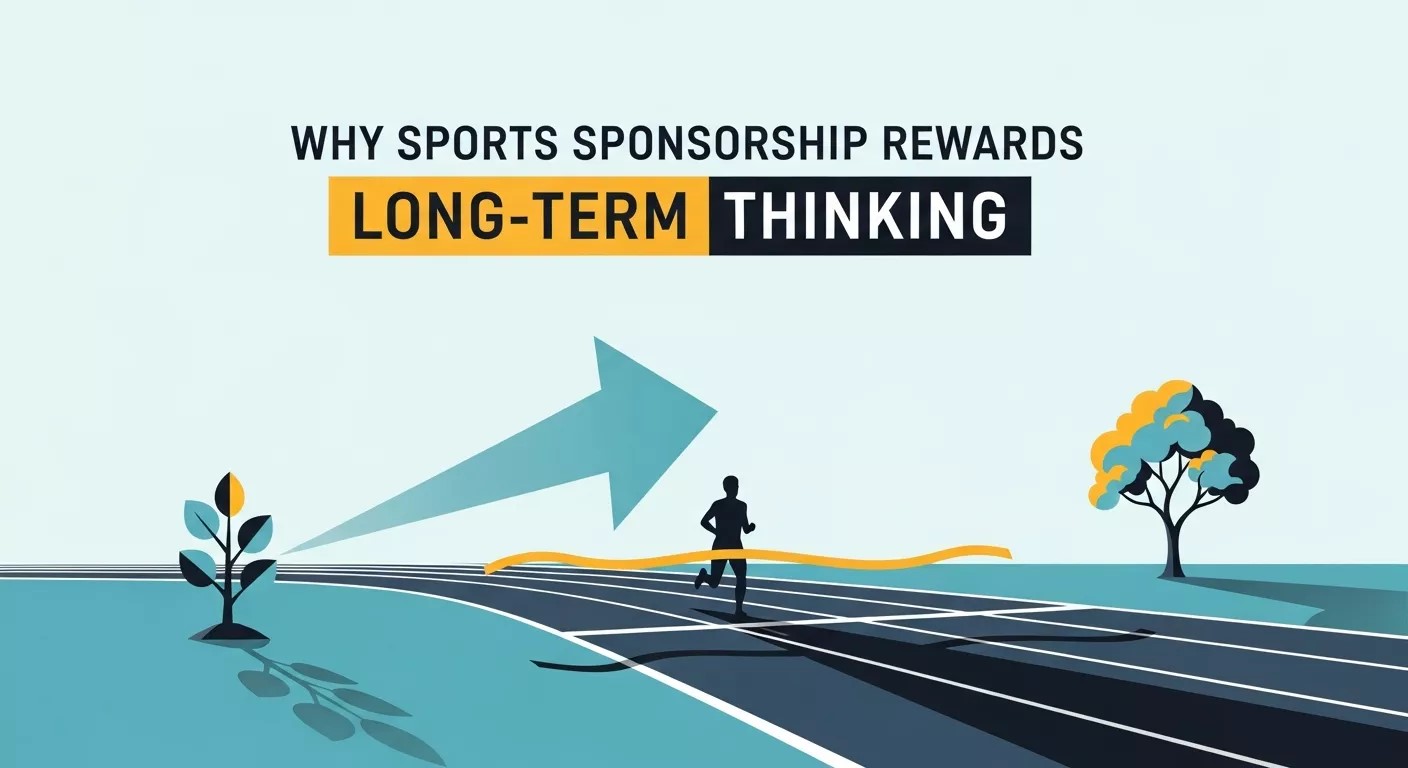
Unlike performance ads, sponsorship rarely delivers instant gratification. Its real value accumulates. Each season, each activation, and each shared moment builds familiarity and trust. Over time, audiences stop seeing the brand as a sponsor and start seeing it as part of the sport’s ecosystem.
This long-term effect is precisely why sponsorship strategy is quietly winning. While competitors chase short-term spikes, strategically sponsored brands build durable mental availability. When purchase decisions arise, familiarity and trust do the heavy lifting.
In sports, where emotional memory is strong, this effect is amplified.
The Psychology Behind Effective Sports Sponsorship
Sports trigger powerful psychological responses: identity, belonging, rivalry, pride, and nostalgia. Strategic sponsorship respects these emotions instead of exploiting them.
When a brand aligns itself with values fans already care about fair play, perseverance, community, excellence it benefits from emotional transfer. This is not manipulation; it is resonance. But resonance only happens when brands understand the psychology of fandom and design sponsorships accordingly.
This is why generic logo placement feels hollow, while purpose-driven activations feel authentic.
How Data Quietly Supports Strategic Sponsorship
Contrary to outdated assumptions, sponsorship is no longer difficult to measure. Brands now analyze engagement quality, sentiment shifts, brand lift, and long-term recall. These insights allow marketers to refine strategy rather than guess.
Interestingly, data often confirms what intuition suggests: integrated, context-aware sponsorships outperform louder, more aggressive executions. This reinforces confidence in strategic approaches and encourages brands to invest further.
As measurement improves, sponsorship earns greater credibility within organizations—another reason strategic sponsorship continues to grow quietly rather than explosively.
The Influence of Emerging Trends in Sports Sponsorship
Sponsorship Strategy In Sports Marketing does not exist in isolation. It evolves alongside media consumption, technology, and cultural shifts. Understanding Top Sponsorship Trends is essential for brands that want to stay relevant rather than reactive.
Trends such as immersive fan experiences, community-driven activations, athlete storytelling, and digital extensions are reshaping expectations. Strategy determines whether brands chase these trends superficially or integrate them meaningfully.
Those who integrate thoughtfully benefit from innovation without losing authenticity. Those who chase trends blindly risk dilution.
Why Subtlety Often Beats Spectacle

One of the most overlooked truths in Sponsorship Strategy In Sports Marketing is that subtlety can be more powerful than spectacle. Fans appreciate brands that understand when to step forward and when to step back.
Strategic sponsorship recognizes that not every moment needs branding. Sometimes the most effective role is support rather than spotlight. This restraint builds respect and respect builds trust.
Over time, trusted brands earn more freedom to activate creatively, creating a virtuous cycle that less strategic competitors struggle to replicate.
Career Implications for Modern Marketers
As sponsorship strategy grows in importance, so does the demand for professionals who understand it deeply. Sports organizations and brands alike seek marketers who can think beyond execution and contribute to long-term positioning.
This creates opportunity. Marketers who develop strategic sponsorship expertise gain exposure to senior decision-making, cross-functional collaboration, and brand leadership. These roles are not just creative; they are influential.
The quiet rise of sponsorship strategy is also a quiet shift in where marketing power resides.
Why Brands Rarely Talk About This Advantage
If sponsorship strategy is so effective, why is it not talked about more openly? The answer is simple: competitive advantage thrives on discretion. Brands benefiting from strategic sponsorship have little incentive to broadcast their playbook.
This creates a knowledge gap. Those who study the space closely gain insight others overlook. Those who rely on surface-level understanding remain stuck in outdated models.
In this sense, sponsorship strategy is quietly winning because it rewards those willing to think deeper, plan longer, and act with intention.
The Future of Sports Marketing Belongs to Strategists
As sports continue to intersect with culture, technology, and community, sponsorship will only grow more complex and more valuable. Brands that invest in strategy now position themselves ahead of inevitable shifts.
The future will not belong to the loudest sponsors, but to the most relevant ones. Not to those who buy the most space, but to those who understand the space they occupy.
And this is why, without headlines or hype, Sponsorship Strategy in Sports Sponsorship Marketing continues to outperform expectations building influence where attention alone no longer works.
Why Sports Sponsorship Works When Other Channels Fail
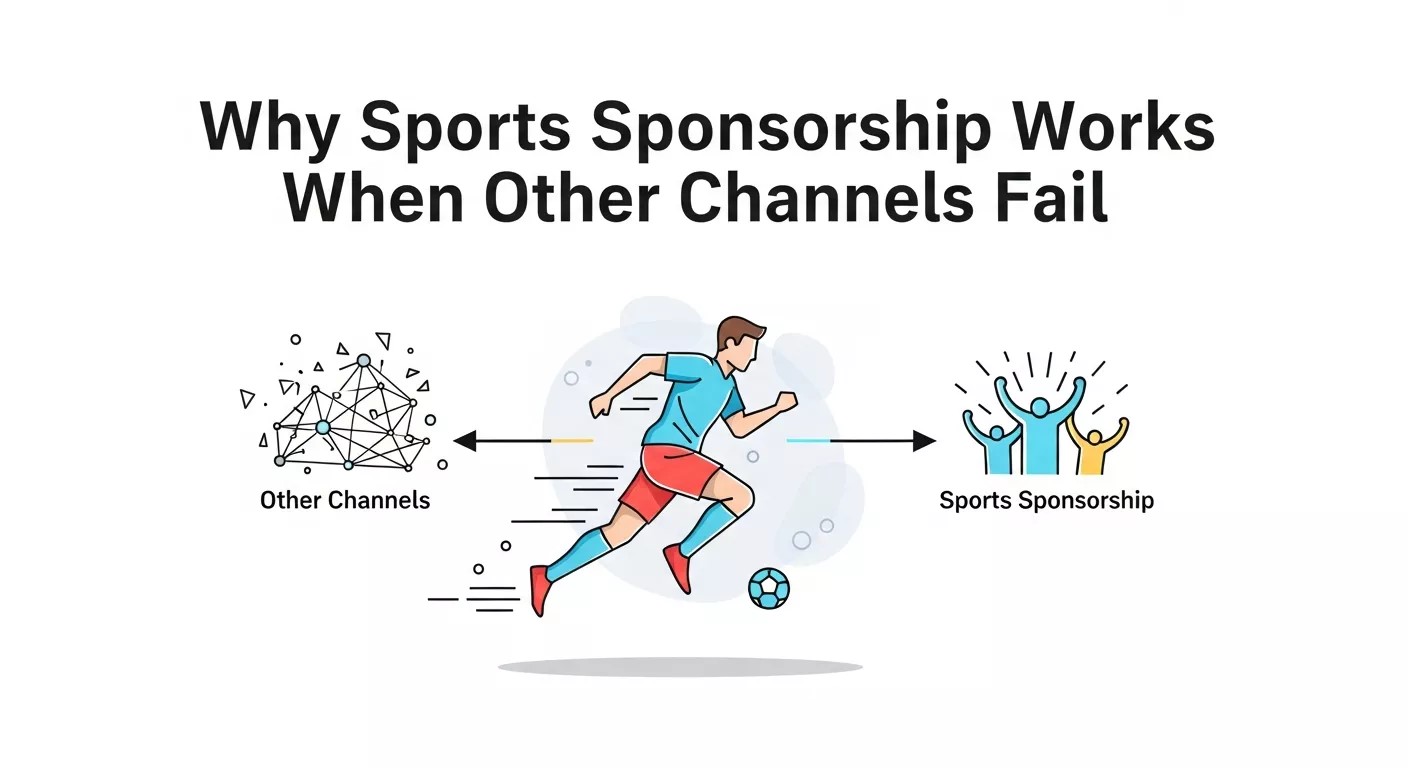
When audiences are overwhelmed with ads, they instinctively ignore anything that feels transactional. Sponsorship works differently because it operates within environments people already trust and enjoy. Sports, in particular, create emotional contexts where brands are perceived as supporters rather than sellers. This subtle positioning explains why sponsorship continues to perform even when traditional channels struggle to hold attention.
The Role of Trust Transfer in Sports Sponsorship
One of the most powerful yet least discussed benefits of sports sponsorship marketing is trust transfer. Fans extend the trust they have in teams, leagues, or athletes to the brands associated with them. This trust is not automatic; it must be earned through consistent and respectful presence. Strategic sponsorship understands this dynamic and designs brand involvement that feels earned rather than imposed.
How Strategic Sponsorship Shapes Brand Memory
Brand memory is built through repetition and emotion. Sports provide both. Strategic sponsorship ensures that brand exposure occurs at emotionally charged moments wins, losses, celebrations, and shared experiences. These moments anchor brands in long-term memory, making sponsorship far more effective than fleeting impressions delivered through traditional advertising.
Why Sports Sponsorship Is Hard to Replicate Once Established
Once a brand successfully integrates into a sports ecosystem, competitors find it difficult to displace it. Long-term partnerships create familiarity and ownership in the minds of fans. This creates a protective barrier that cannot be easily bought or copied, making early and strategic sponsorship decisions especially valuable.
The Cost of Poorly Planned Sponsorship
Not all sponsorships succeed. Poor alignment, unclear objectives, and lack of integration can turn sponsorship into wasted spend. In some cases, misaligned partnerships can even harm brand perception. Strategic planning minimizes these risks by ensuring clarity of purpose, audience relevance, and long-term vision before activation begins.
Sponsorship as a Competitive Defense Strategy
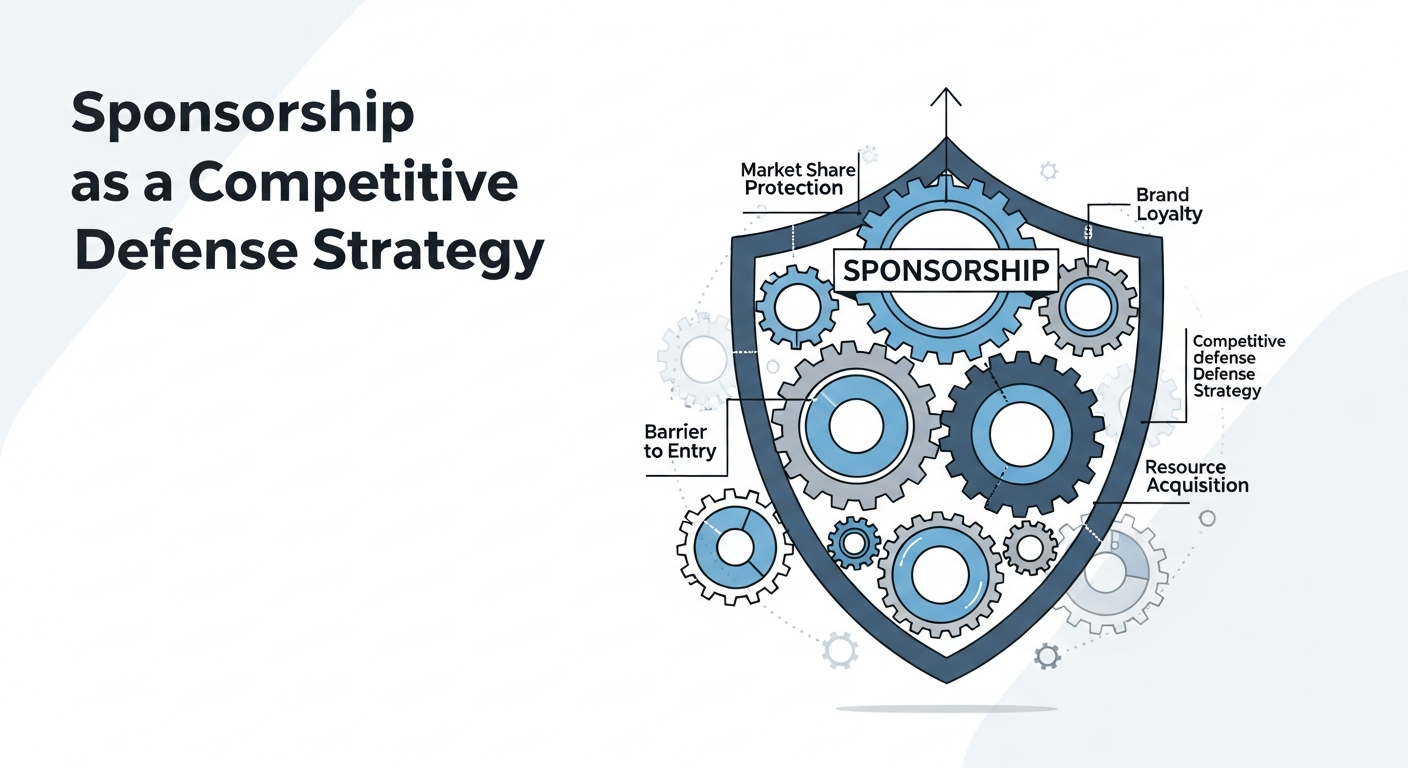
Beyond growth, sponsorship also serves as a defensive strategy. By occupying key cultural spaces within sports, brands limit competitor access to the same audiences. This defensive value is often overlooked but plays a significant role in why established brands continue to invest heavily in strategic sponsorships.
The Future Outlook for Sponsorship in Sports Marketing
As media consumption fragments and audiences become harder to reach, sponsorship’s role will only expand. Sports remain one of the few spaces where collective attention still exists. Brands that refine their sponsorship strategy now will be better positioned as these environments become even more valuable and competitive.
Why Strategy Will Always Outperform Visibility
Visibility without meaning fades quickly. Strategy creates context, relevance, and continuity. In sports marketing, where emotion and identity are central, strategic sponsorship consistently outperforms loud but empty exposure. This principle explains why sponsorship strategy continues to win quietly without hype, but with results.
Conclusion
Sponsorship in sports marketing is no longer a supporting tactic it has become a strategic advantage for brands that understand how to use it with intention. As audiences grow more selective and traditional exposure loses its impact, thoughtfully designed sponsorship strategies allow brands to earn trust, relevance, and emotional connection in ways other channels cannot.
The brands quietly winning today are not the ones chasing attention, but the ones embedding themselves meaningfully into sports culture. By focusing on alignment, experience, and long-term value, sponsorship strategy continues to outperform louder, short-term tactics. For marketers willing to think deeper and plan smarter, this approach offers not just visibility but lasting influence.