This Sponsorship Marketing Guide explains how brands use strategic partnerships to build credibility, engage targeted audiences, and drive sustainable growth through meaningful associations, experiential activations, and long-term value creation beyond traditional advertising.
Sponsorship Marketing Guide for Brands Growth
In today’s hyper-competitive digital economy, traditional advertising alone is no longer enough to build meaningful brand equity. Consumers are increasingly immune to intrusive ads, banner blindness is at an all-time high, and trust in direct brand messaging continues to decline. This is where sponsorship marketing emerges as a powerful, credibility-driven growth engine. This Sponsorship Marketing Guide is designed to help brands understand how sponsorships work, why they matter, and how to leverage them strategically for long-term growth.
Sponsorship marketing is no longer limited to placing logos on event banners or jerseys. It has evolved into a multi-dimensional brand partnership ecosystem that blends storytelling, experiential marketing, digital activation, community engagement, and data-driven decision-making. For brands seeking sustainable visibility, emotional connection, and measurable impact, a well-structured sponsorship strategy can outperform many conventional marketing channels.
This Sponsorship Marketing Guide for Brands explores the modern sponsorship landscape, its underlying psychology, execution frameworks, and emerging opportunities that forward-thinking brands are already capitalizing on.
Understanding Sponsorship Marketing in the Modern Context
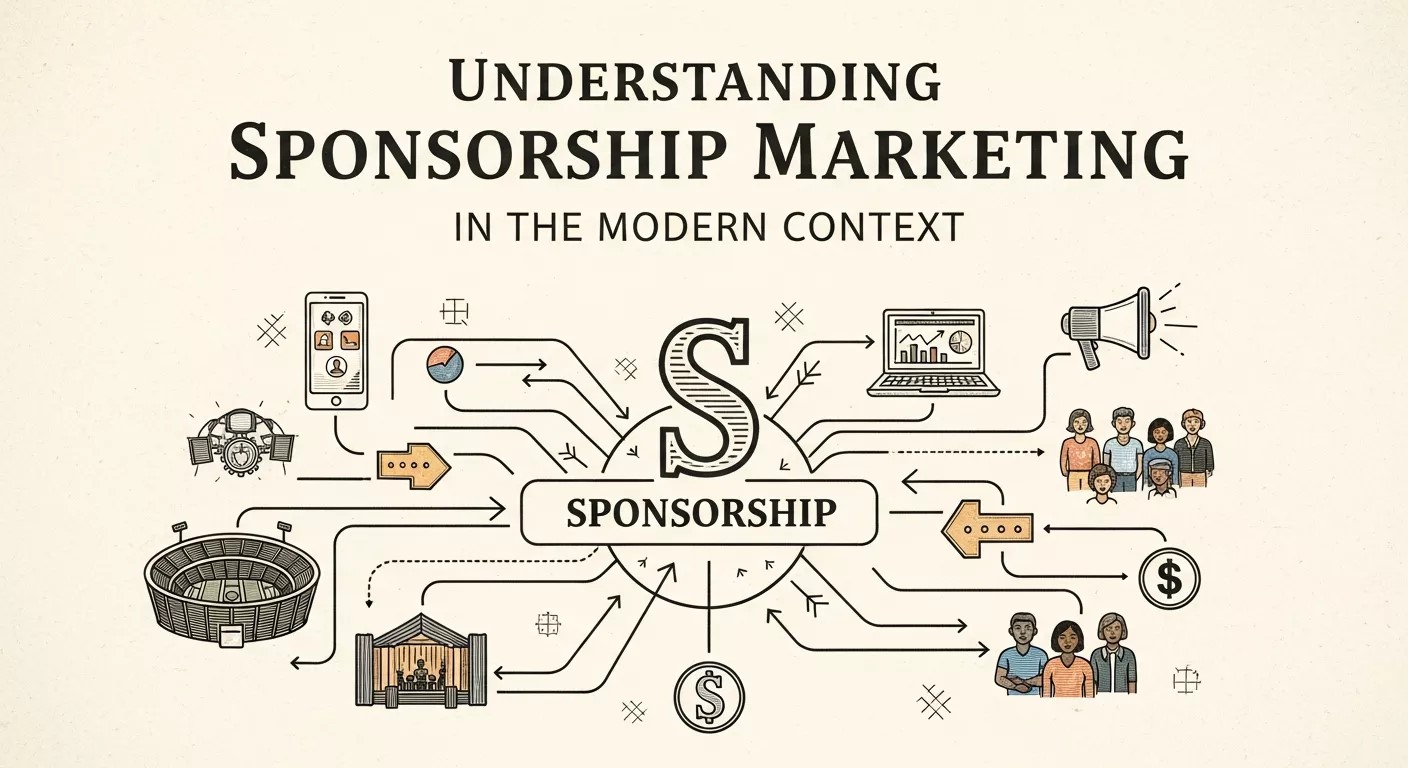
At its core, sponsorship marketing is a strategic partnership where a brand provides financial or in-kind support to an entity such as an event, organization, influencer, athlete, or cause in exchange for brand exposure, association, and value creation. Unlike traditional advertising, sponsorship relies on borrowed equity. The brand taps into the trust, credibility, and emotional connection already established by the sponsored property.
In the modern marketing environment, sponsorships are not passive placements; they are immersive brand experiences. Brands now integrate sponsorships into content marketing, social media, PR campaigns, experiential activations, and performance analytics. This transformation reflects a broader Sponsorship Marketing Paradigm Shift, where success is measured not just by visibility, but by engagement, relevance, and long-term brand affinity.
Sponsorship marketing works because it aligns brands with moments that matter to people sports, entertainment, culture, education, innovation, and social impact. When executed correctly, it creates a win-win relationship for the brand, the sponsored entity, and the audience.
Why Brands Are Investing More in Sponsorship Marketing
Brands today operate in an attention economy where trust is scarce and consumer loyalty is fragile. Sponsorship marketing addresses several core challenges that modern marketers face.
First, it enhances brand credibility. Consumers are more likely to trust brands that support causes, communities, or platforms they already value. Second, sponsorship enables emotional storytelling. Rather than pushing product features, brands can embed themselves into meaningful narratives. Third, it offers access to highly targeted audiences, often more effectively than broad media buys.
Another key advantage highlighted in this Sponsorship Marketing Guide is brand differentiation. In saturated markets, sponsorships help brands stand out by associating with unique experiences or values. Whether it’s sponsoring a sustainability initiative, a tech conference, or a local sports league, sponsorships can signal what a brand stands for beyond its products.
The Psychology Behind Effective Sponsorship Marketing
Sponsorship marketing is deeply rooted in consumer psychology. One of its most powerful mechanisms is association transfer. Positive feelings toward the sponsored entity such as excitement, pride, inspiration, or trust are subconsciously transferred to the sponsoring brand.
Another critical factor is social proof. When respected organizations, popular events, or influential figures partner with a brand, it signals legitimacy and relevance. This is particularly effective in competitive industries where consumers struggle to differentiate between similar offerings.
Memory encoding also plays a role. Experiences create stronger memories than advertisements. When consumers interact with a brand during a sponsored event or campaign, the memory is anchored to a real-world experience, making recall more durable and impactful.
This Sponsorship Marketing Guide for Brands emphasizes that understanding these psychological triggers is essential for designing sponsorships that resonate and convert.
Types of Sponsorship Marketing Opportunities for Brands
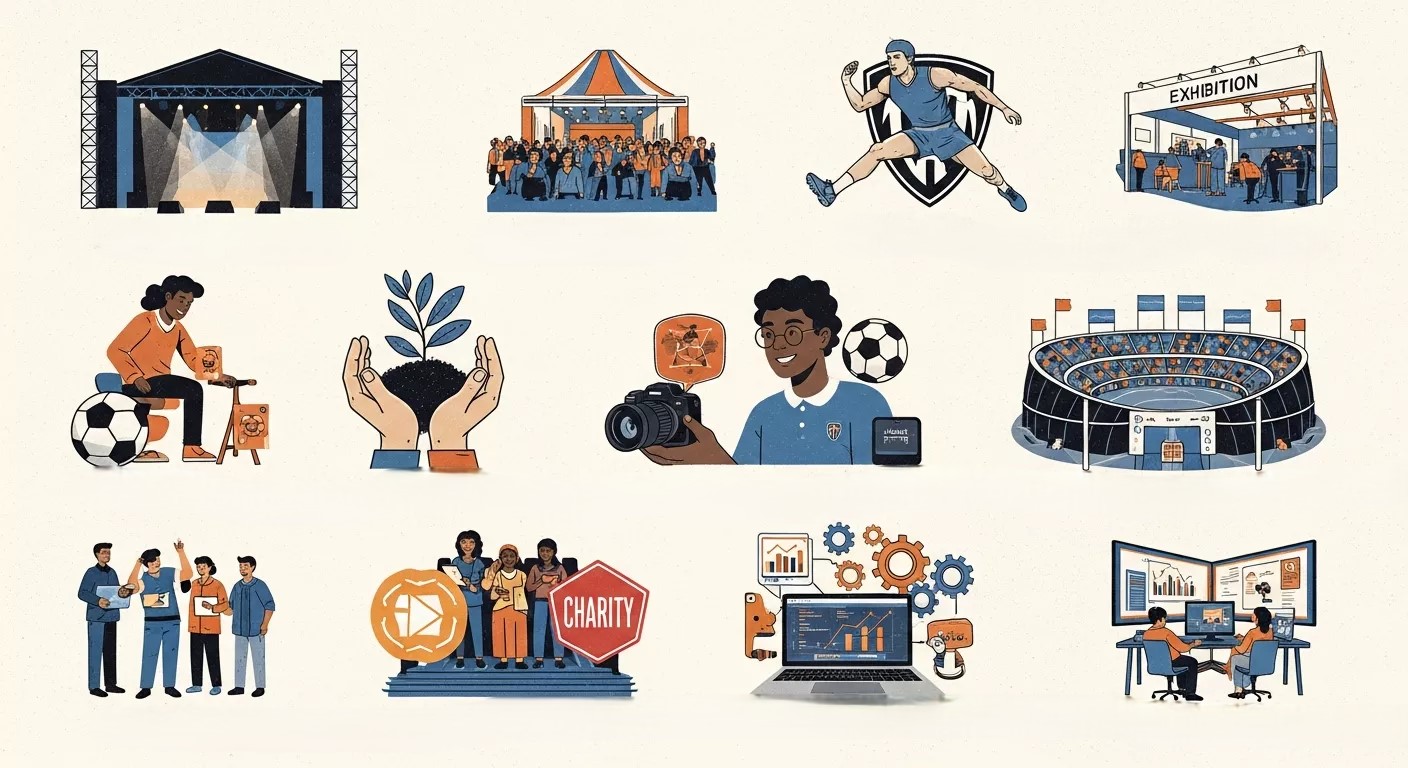
Sponsorship marketing spans a wide range of categories, each offering unique benefits depending on brand objectives.
Event Sponsorships
Event sponsorships remain one of the most popular formats. These include conferences, exhibitions, festivals, concerts, and trade shows. Events provide direct audience interaction, live engagement, and content creation opportunities. Brands can activate sponsorships through booths, workshops, branded experiences, and digital amplification.
Sports Sponsorships
Sports sponsorships deliver massive reach and emotional engagement. From global tournaments to grassroots leagues, sports sponsorships can build long-term brand loyalty. Brands often leverage athlete endorsements, team partnerships, and fan engagement initiatives to maximize impact.
Influencer and Creator Sponsorships
With the rise of the creator economy, influencer sponsorships have become a core component of modern sponsorship marketing. Brands collaborate with creators who align with their values and audience, enabling authentic product integration and storytelling.
Cause-Related Sponsorships
Purpose-driven sponsorships focus on social, environmental, or community causes. These partnerships help brands demonstrate corporate responsibility while building trust and goodwill among socially conscious consumers.
Educational and Innovation Sponsorships
Brands increasingly sponsor hackathons, research programs, startup accelerators, and educational platforms. These sponsorships position brands as thought leaders and innovators, especially in technology and B2B sectors.
Aligning Sponsorship Marketing with Brand Objectives
One of the most common mistakes brands make is entering sponsorships without clear objectives. Effective sponsorship marketing begins with alignment. Brands must define what they aim to achieve brand awareness, lead generation, customer engagement, reputation building, or market entry.
This Sponsorship Marketing Guide recommends mapping sponsorship opportunities against the brand’s broader marketing funnel. Top-of-funnel sponsorships focus on reach and awareness, while mid-funnel initiatives emphasize engagement and education. Bottom-of-funnel sponsorships can support conversions through exclusive offers, demos, or trials.
Strategic alignment also includes audience fit. A sponsorship is only effective if the sponsored audience matches the brand’s target market. Demographics, psychographics, values, and behaviors should all be considered before committing resources.
Designing High-Impact Sponsorship Activations
Sponsorship success does not come from visibility alone; it comes from activation. Activation refers to how a brand brings a sponsorship to life through creative, interactive, and value-driven experiences.
Modern sponsorship activations often include digital touchpoints such as social media campaigns, live streaming, AR experiences, QR-based interactions, and branded content. Offline activations may involve experiential zones, product sampling, workshops, or community initiatives.
A well-executed activation transforms sponsorship from a passive logo placement into a memorable brand moment. Some brands collaborate with specialized agencies or platforms like Tigris Sponsorship Marketing to design integrated sponsorship ecosystems that combine strategy, creativity, and performance measurement.
Measuring Sponsorship Marketing Performance
Measurement has historically been a challenge in sponsorship marketing, but advances in technology and analytics have significantly improved accountability. Brands now track sponsorship performance using both quantitative and qualitative metrics.
Key performance indicators may include reach, impressions, engagement rates, website traffic, lead generation, social sentiment, brand lift, and sales attribution. Surveys, sentiment analysis, and audience feedback also provide insights into perception changes and emotional impact.
This Sponsorship Marketing Guide for Brands stresses the importance of defining measurement frameworks before launching sponsorships. Clear benchmarks enable brands to optimize campaigns in real time and justify investment decisions to stakeholders.
Integrating Sponsorship Marketing with Digital Channels
Sponsorship marketing is most effective when integrated with digital marketing efforts. Social media amplification, content marketing, email campaigns, and paid media can significantly extend the lifespan and reach of sponsorships.
Brands often repurpose sponsored content into blogs, videos, podcasts, and social posts, ensuring consistent messaging across channels. User-generated content from events or campaigns further enhances authenticity and engagement.
Search visibility also plays a role. Optimized content around sponsorship initiatives can attract organic traffic from audiences seeking information about events, causes, or collaborations. This holistic approach strengthens both brand presence and SEO performance.
Strategic Frameworks for Long-Term Sponsorship Success
Sustainable sponsorship marketing requires a long-term mindset. One-off sponsorships may deliver short-term exposure, but long-term partnerships create deeper brand associations and trust.
Successful brands develop structured Sponsorship Marketing Strategies that evolve over time. These strategies include portfolio planning, relationship management, content integration, and continuous optimization. Long-term sponsorships also allow brands to co-create value with partners, leading to innovation and differentiation.
Risk management is another critical consideration. Brands must assess reputational risks, alignment risks, and execution challenges before entering partnerships. Transparent communication and contractual clarity help mitigate potential issues.
Emerging Trends Shaping the Future of Sponsorship Marketing
Sponsorship marketing continues to evolve as consumer behavior and technology change. Data-driven sponsorship selection, AI-powered audience insights, and immersive technologies like virtual events and augmented reality are redefining how brands engage audiences.
Another emerging trend is micro-sponsorships. Rather than investing heavily in a single large sponsorship, brands are diversifying their investments across multiple niche communities. This approach increases relevance and reduces dependency on any single partnership.
The rise of values-based marketing is also influencing sponsorship decisions. Consumers increasingly expect brands to support causes that align with their beliefs, making authenticity and transparency more important than ever.
Sponsorship Marketing as a Competitive Advantage
In a crowded marketplace, sponsorship marketing offers brands a unique opportunity to stand out through meaningful connections rather than intrusive messaging. When aligned with brand purpose, executed with creativity, and measured with rigor, sponsorships can drive awareness, trust, and growth simultaneously.
This Sponsorship Marketing Guide demonstrates that sponsorship marketing is not a standalone tactic, but a strategic pillar within the modern marketing mix. Brands that embrace this approach gain access to communities, emotions, and experiences that traditional advertising struggles to reach.
As sponsorship marketing continues to mature, brands that invest in strategic planning, authentic partnerships, and integrated activation will be best positioned to capture long-term value and competitive advantage in an increasingly experience-driven economy.
Common Mistakes Brands Make in Sponsorship Marketing
Even with a well-written Sponsorship Marketing Guide, many brands fail to extract real value from sponsorship investments due to avoidable strategic mistakes. One of the most common errors is focusing solely on visibility rather than relevance. A logo placed in front of thousands of people means little if the audience does not align with the brand’s target customer profile.
Another frequent mistake is lack of activation planning. Brands often invest heavily in sponsorship rights but underinvest in activation, resulting in low engagement and weak recall. Sponsorship without activation becomes passive advertising, which limits emotional impact and long-term value.
Brands also underestimate the importance of internal alignment. When sponsorship initiatives are disconnected from sales, digital marketing, or PR teams, opportunities for amplification and conversion are lost. This Sponsorship Marketing Guide for Brands highlights that cross-functional collaboration is essential to maximize sponsorship ROI.
Finally, many brands fail to measure outcomes properly. Without clear KPIs, benchmarks, and post-campaign analysis, sponsorship decisions become subjective rather than data-driven, making it difficult to scale successful partnerships or eliminate underperforming ones.
How Sponsorship Marketing Supports Long-Term Brand Equity
Beyond short-term visibility and campaign-level metrics, sponsorship marketing plays a critical role in building long-term brand equity. Brand equity is shaped by trust, consistency, emotional connection, and perceived value all areas where sponsorship marketing excels.
Through repeated exposure in meaningful contexts, sponsorships reinforce brand associations over time. When a brand consistently supports relevant events, communities, or causes, it becomes embedded in the audience’s mental framework. This cumulative effect strengthens brand recall and preference, even when consumers are not actively in the buying phase.
This is why many leading brands treat sponsorship marketing as a long-term investment rather than a tactical expense. A strategic Sponsorship Marketing Guide emphasizes patience and continuity, showing how sustained partnerships can create defensible brand positioning that competitors struggle to replicate.
In an era where consumers value authenticity and purpose, sponsorship marketing enables brands to demonstrate commitment, not just communication. Over time, this translates into stronger loyalty, advocacy, and resilience against market fluctuations.
Conclusion
Sponsorship marketing has evolved into a strategic growth channel that goes far beyond brand visibility. When aligned with clear objectives, relevant audiences, and thoughtful activation, sponsorships help brands build trust, emotional connection, and long-term equity. A well-structured Sponsorship Marketing Guide empowers brands to move from passive exposure to meaningful partnerships that drive sustainable business growth.
FAQ: Sponsorship Marketing Guide
What is sponsorship marketing?
Sponsorship marketing is a strategic partnership where a brand supports an event, organization, individual, or cause in exchange for brand exposure, credibility, and audience engagement through meaningful association.
Why is sponsorship marketing important for brand growth?
Sponsorship marketing helps brands build trust, emotional connection, and long-term brand equity by aligning with experiences and communities that audiences already value.
How is sponsorship marketing different from traditional advertising?
Unlike traditional ads, sponsorship marketing focuses on association and experience rather than interruption, making it more authentic, engaging, and trust-driven.
What types of brands benefit most from sponsorship marketing?
Both B2C and B2B brands benefit, especially those seeking awareness, credibility, market entry, or emotional brand positioning within specific audiences or industries.
How do brands measure sponsorship marketing success?
Success is measured using metrics such as brand awareness, engagement, audience sentiment, lead generation, content performance, and long-term brand lift rather than clicks alone.
Is sponsorship marketing suitable for small and mid-sized brands?
Yes, smaller brands can leverage niche events, local communities, and micro-sponsorships to achieve high relevance and strong ROI without large budgets.