Sponsor Branding has become an important part of modern marketing strategies because it helps businesses connect their brands with events, organizations, communities, and audiences that share similar interests. Rather than relying exclusively on traditional advertising, companies can use sponsorship opportunities to increase visibility, strengthen brand identity, and create meaningful customer relationships.
From sports competitions and entertainment events to educational programs and digital campaigns, sponsor branding allows businesses to communicate their values through relevant partnerships. Effective sponsorship promotion and sponsorship activation can transform these partnerships into engaging brand experiences, while corporate sponsorship can support long-term business objectives. Understanding how sponsor branding works helps businesses select suitable opportunities, develop creative campaigns, and measure marketing performance more effectively in an increasingly competitive marketplace.
Understanding Sponsor Branding in Modern Marketing
Sponsor Branding refers to the strategic presentation of a company’s identity through its sponsorship relationships with events, organizations, individuals, or initiatives. It involves more than displaying a logo on promotional materials. Businesses use sponsorships to communicate their values, reach relevant audiences, and create positive associations between their brands and the activities they support. When implemented effectively, sponsor branding strengthens recognition and contributes to a consistent marketing identity.
Building Brand Recognition Through Sponsorships
Sponsorships introduce brands to audiences who may not encounter them through traditional advertising channels. When a company supports a popular event, sports team, or community initiative, its name can become associated with an experience that audiences already value. Repeated exposure across event signage, digital content, and promotional campaigns helps improve brand recognition and makes the business more memorable.
Creating Meaningful Brand Associations
Consumers often develop perceptions of brands based on the organizations and activities they support. A company sponsoring an environmental initiative may strengthen its association with sustainability, while a technology business supporting an innovation conference may reinforce its expertise. These associations should reflect genuine business values because inconsistent partnerships can confuse audiences and weaken brand credibility.
Strengthening Brand Awareness Through Sponsorship Promotion
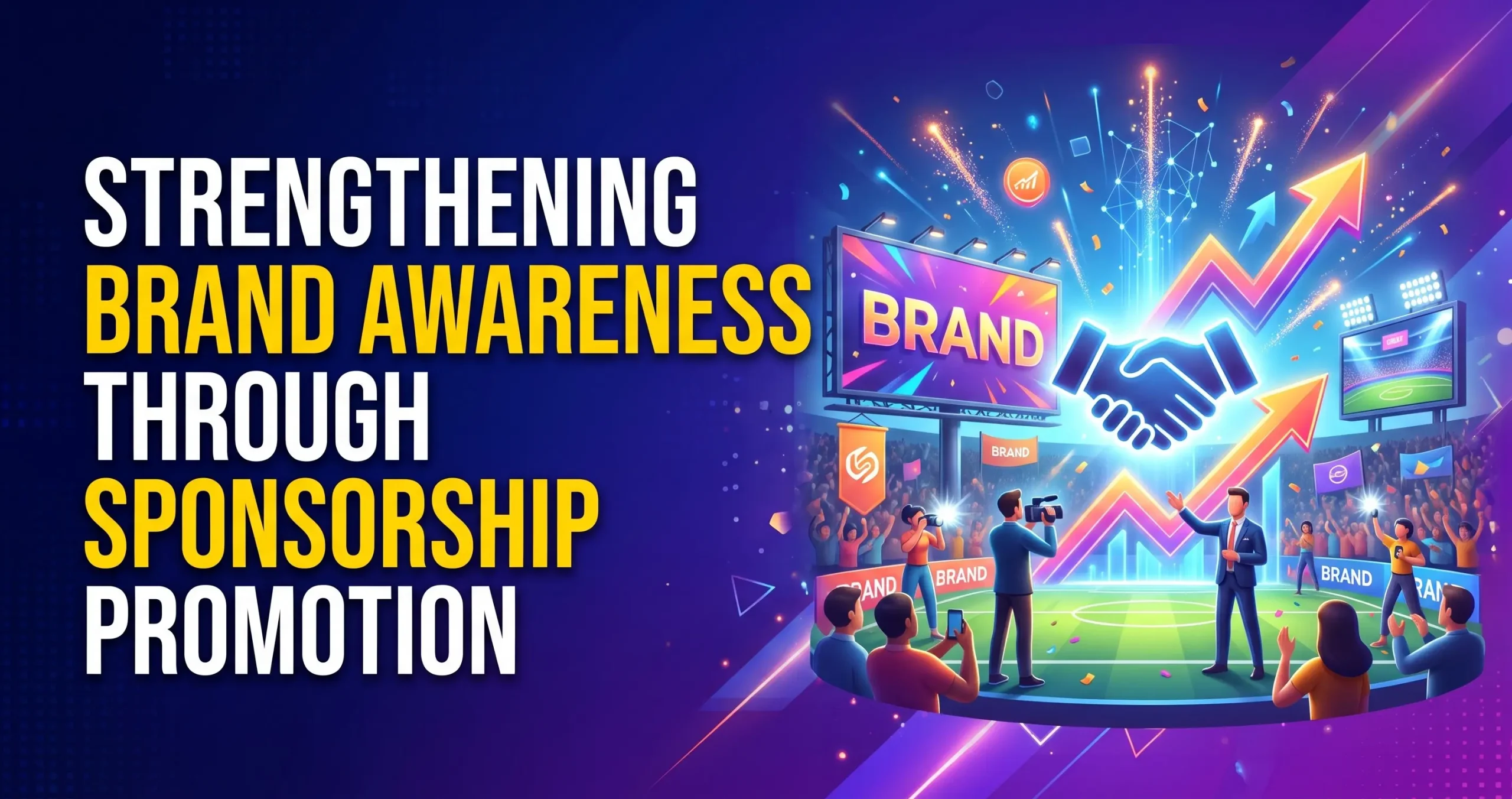 Sponsorship Promotion involves communicating a sponsorship partnership through relevant marketing channels before, during, and after an event or campaign. Businesses can use promotional content, social media, email marketing, public relations, and event announcements to increase awareness of their involvement. A coordinated promotional strategy helps ensure that audiences understand the partnership and recognize the sponsor’s contribution.
Using Digital Channels to Increase Visibility
Digital platforms allow businesses to promote sponsorships beyond the physical location of an event. Social media posts, short videos, website announcements, email campaigns, and online interviews can introduce sponsorship partnerships to wider audiences. Consistent branding across these channels helps reinforce recognition while encouraging people to interact with relevant content.
Collaborating With Event Organizers
Working closely with event organizers helps sponsors develop promotional activities that benefit both parties. Businesses can coordinate announcements, branded content, interviews, and audience competitions according to the event’s objectives. Clear communication about brand guidelines, promotional responsibilities, and publication schedules reduces confusion and supports a consistent presentation across marketing materials.
Improving Customer Engagement Through Sponsorship Activation
Sponsorship Activation transforms a sponsorship agreement into practical experiences that encourage audiences to interact with a brand. Instead of simply displaying a logo, businesses create opportunities for participation, exploration, and conversation. These experiences may include demonstrations, interactive booths, product trials, competitions, and digital activities. Effective activation helps audiences understand what a brand offers and why its products or services may be relevant.
Creating Interactive Brand Experiences
Interactive experiences can make sponsorship campaigns more memorable than passive advertising. For example, a sports sponsor might organize a skills challenge, while a technology company could offer product demonstrations at an industry conference. These activities encourage direct participation and provide opportunities for customers to learn about the brand in a natural, engaging environment.
Extending Activation Beyond Physical Events
Digital activation helps businesses continue engaging audiences after an event ends. Online challenges, livestreams, interactive content, exclusive resources, and post-event discussions can extend the sponsorship experience. Connecting these activities with social media and website campaigns also creates additional opportunities for audiences to discover the brand and participate at their convenience.
The Importance of Corporate Sponsorship for Business Growth
 Corporate Sponsorship allows businesses to support events, organizations, causes, and programs in exchange for agreed benefits or broader strategic value. It can help companies strengthen their reputation, establish industry relationships, and reach specific customer segments. Successful corporate sponsorship requires a clear connection between the company’s objectives and the opportunity it supports, ensuring that the partnership contributes to measurable marketing and business outcomes.
Supporting Corporate Reputation
Businesses can strengthen their reputation by supporting initiatives that align with their stated values and responsibilities. Sponsoring educational programs, community events, professional development activities, or environmental projects can demonstrate a commitment to broader social objectives. However, audiences increasingly expect authenticity, so companies should ensure that their sponsorship activities are supported by meaningful contributions rather than promotional claims alone.
Building Strategic Business Relationships
Corporate sponsorship can create opportunities to connect with industry leaders, potential customers, partners, and other stakeholders. Business events and professional conferences may provide networking opportunities that extend beyond immediate brand exposure. By maintaining relationships with event organizers and participants, companies can identify future collaborations and strengthen their position within relevant markets.
Choosing the Right Sponsorship Opportunities
Selecting appropriate sponsorship opportunities is essential for maximizing marketing effectiveness. Businesses should evaluate audience demographics, event relevance, sponsorship costs, expected visibility, and available activation options before committing resources. A well-matched partnership can connect a brand with potential customers who share relevant interests, while a poorly matched opportunity may generate exposure without meaningful engagement or commercial value.
Aligning Sponsorships With Target Audiences
Audience alignment should guide sponsorship decisions. A fitness brand may benefit from supporting sporting events, while a software company might prioritize technology conferences or professional learning programs. Businesses should examine audience interests, geographic distribution, purchasing behavior, and event participation to determine whether a sponsorship provides access to the people they want to reach.
Evaluating Sponsorship Costs and Benefits
Sponsorship packages can vary considerably in price, visibility, exclusivity, and promotional opportunities. Businesses should compare the total investment with the expected benefits, including audience reach, content opportunities, customer interactions, and networking potential. Evaluating these factors before signing an agreement helps organizations avoid paying for benefits that do not support their marketing objectives.
Integrating Sponsor Branding With Digital Marketing
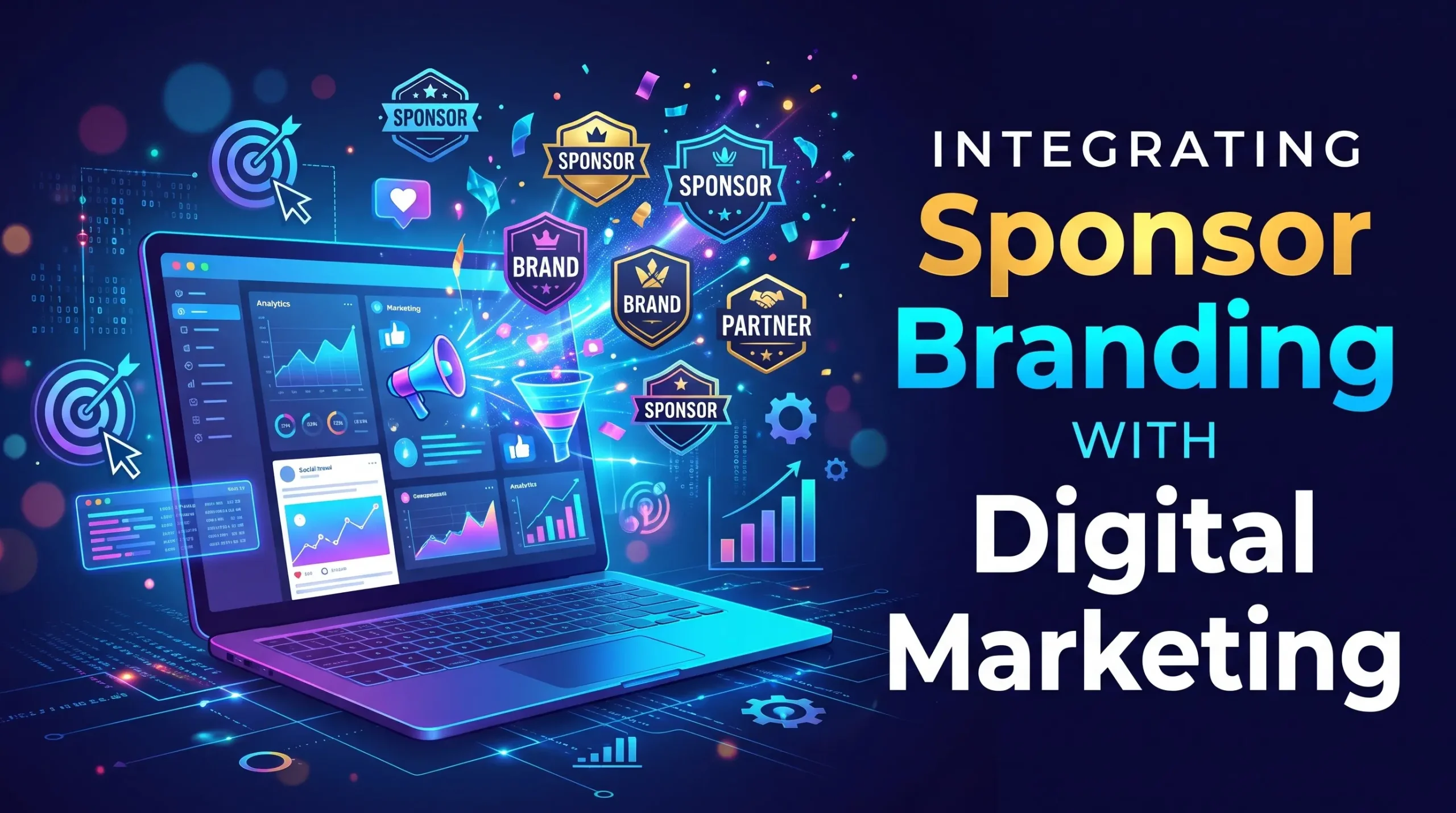 Digital marketing can expand the reach and effectiveness of sponsor branding by connecting sponsorship activities with broader online campaigns. Websites, social media platforms, email marketing, digital advertising, and content marketing provide opportunities to share sponsorship stories and engage audiences across different channels. Integrating these activities creates a more consistent brand experience and helps businesses measure audience responses.
Strengthening Social Media Engagement
Social media enables sponsors to communicate with audiences before, during, and after sponsored activities. Businesses can publish behind-the-scenes content, event highlights, participant stories, and interactive questions to encourage conversation. Collaborating with event organizers and relevant creators can further expand distribution when their audiences align with the sponsor’s target market.
Creating Valuable Sponsorship Content
Content marketing can make sponsorship partnerships more useful to audiences. Companies can publish interviews, educational articles, event recaps, and practical guides related to the sponsored activity. This approach gives audiences information beyond promotional messaging and creates content that can continue attracting attention after the event has concluded.
Measuring the Success of Sponsor Branding Campaigns
Measuring sponsorship performance helps businesses understand whether their investments produce meaningful marketing results. Evaluation should consider brand visibility, audience engagement, customer sentiment, website activity, and relevant business outcomes. Establishing clear objectives before a campaign begins makes it easier to determine which activities performed well and where improvements are needed.
Tracking Brand Awareness and Engagement
Businesses can measure campaign exposure through relevant reach and impression data, media mentions, branded search activity, and audience surveys. Engagement indicators may include social media interactions, event participation, content views, and meaningful customer conversations. Combining these measurements provides a broader understanding of how audiences respond to the sponsorship.
Evaluating Return on Investment
Return on investment should be assessed according to the campaign’s original objectives. Businesses may evaluate attributable leads, sales, customer acquisition costs, qualified inquiries, or other relevant outcomes alongside sponsorship expenses. Because brand awareness and reputation can produce long-term benefits, companies should avoid judging every sponsorship solely by immediate sales results.
Common Sponsor Branding Mistakes to Avoid
Sponsor branding can underperform when businesses select partnerships without clear objectives, rely exclusively on logo placement, or fail to engage audiences beyond initial exposure. Other challenges include inconsistent brand messaging, insufficient promotion, and limited performance measurement. Avoiding these mistakes requires careful planning, relevant partnerships, coordinated execution, and a commitment to delivering value for both the sponsor and the audience.
Avoiding Poor Brand Partnerships
A sponsorship may create reputational risks when the partner’s activities, values, or public image conflict with the sponsoring company’s identity. Businesses should research potential partners, review audience perceptions, and assess possible risks before entering an agreement. Careful evaluation helps protect brand credibility and ensures that partnerships support the company’s long-term positioning.
Preventing Inconsistent Campaign Messaging
Inconsistent messaging across event materials, websites, advertisements, and social media can weaken brand recognition. Businesses should establish clear brand guidelines and coordinate campaign communication with sponsorship partners. Consistent visual identity, tone, and messaging help audiences recognize the sponsor and understand the relationship between the company and the sponsored activity.
Conclusion
Sponsor Branding plays an important role in modern marketing by helping businesses increase brand awareness, strengthen customer relationships, and communicate their values through relevant partnerships. Effective sponsorship promotion expands visibility, while sponsorship activation creates meaningful audience experiences. Corporate sponsorship can also support reputation building, professional networking, and long-term business growth.
However, successful campaigns require careful partner selection, consistent communication, and clear performance measurement. Businesses that connect sponsorship activities with their broader marketing strategies can create more memorable brand experiences and build stronger audience relationships. By focusing on authenticity, audience relevance, and measurable objectives, organizations can turn sponsorship investments into valuable opportunities for sustained marketing success.
Frequently Asked Questions
1. What Is Sponsor Branding?
Sponsor Branding is the process of building brand recognition and associations through sponsorship partnerships with events, organizations, teams, individuals, or initiatives. It helps businesses reach relevant audiences and communicate their identity through shared experiences.
2. Why Is Sponsor Branding Important in Modern Marketing?
Sponsor branding helps businesses improve visibility, reach targeted audiences, strengthen brand associations, and encourage customer engagement. It also complements other marketing activities by creating opportunities for direct interaction and partnership-based promotion.
3. What Is Sponsorship Promotion?
Sponsorship Promotion involves communicating a sponsorship partnership through channels such as social media, websites, email campaigns, public relations, and event announcements. Its purpose is to increase awareness and help audiences understand the partnership.
4. What Is Sponsorship Activation?
Sponsorship Activation involves creating activities that encourage audiences to interact with a sponsor’s brand. Examples include product demonstrations, interactive experiences, competitions, branded events, and digital campaigns.
5. How Does Corporate Sponsorship Benefit Businesses?
Corporate Sponsorship can improve brand visibility, strengthen reputation, create networking opportunities, and connect companies with relevant audiences. Its effectiveness depends on selecting suitable partnerships and aligning them with business objectives.
6. How Can Businesses Choose the Right Sponsorship Opportunity?
Businesses should evaluate audience relevance, event reputation, sponsorship costs, promotional benefits, activation opportunities, and potential risks. The best opportunity supports the company’s target audience and marketing goals.
7. How Does Sponsor Branding Improve Customer Engagement?
Sponsor branding improves engagement by connecting brands with experiences that audiences find relevant or enjoyable. Interactive activities, educational content, and digital conversations give customers opportunities to participate rather than simply view advertisements.
8. How Can Digital Marketing Support Sponsor Branding?
Digital marketing expands sponsorship visibility through social media, website content, email campaigns, digital advertising, and online events. These channels help businesses reach wider audiences and maintain engagement beyond the original sponsorship activity.
9. How Do Businesses Measure Sponsor Branding Success?
Businesses can measure performance through brand awareness, audience reach, engagement, media mentions, website visits, qualified leads, and relevant sales outcomes. Metrics should reflect the campaign’s objectives and investment.
10. What Are the Biggest Challenges in Sponsor Branding?
Common challenges include poor partner alignment, limited audience engagement, inconsistent messaging, high costs, and difficulty measuring results. Clear objectives, careful planning, authentic partnerships, and regular performance reviews can help address these challenges.