
Discover how learning to measure brand awareness can dramatically transform educational environments. Fostering calm and focus helps students grasp complex marketing concepts efficiently and effectively.
This comprehensive guide explores why educators must measure brand awareness to improve academic outcomes. You will discover actionable strategies, common mistakes, and pro tips to integrate these marketing principles, ultimately transforming chaotic classrooms into havens of analytical focus and deep learning.
Why You Must measure brand awareness in Modern Education

The landscape of modern business education requires tools that cut through digital noise. Integrating lessons on how to measure brand awareness into the classroom does much more than teach basic commerce. It fundamentally shifts how students interact with large data sets. Educators who implement structured modules to measure brand awareness consistently notice immediate, measurable improvements in classroom behavior, analytical patience, and long-term cognitive retention. When schools invest in practical digital literacy and teach students to measure brand awareness, they directly invest in the holistic, focused well-being of their student body.
Finding the right ways to measure brand awareness requires immense discipline. Students cannot simply guess; they must observe, hypothesize, and validate. This methodical process acts as a grounding mechanism. Instead of being overwhelmed by the chaotic nature of the internet, students learn to focus their attention on highly specific metrics when they measure brand awareness.
The Behavioral Psychology of Niche Research
Extensive research from educational psychologists demonstrates that task-oriented data analysis significantly lowers cognitive overload in learners. When students engage in targeted research to measure brand awareness, their baseline stress and anxiety decrease. The predictable, systematic nature of learning to measure brand awareness provides a grounding mental exercise. This physiological shift opens the cognitive door for much deeper concentration. Incorporating these search strategies allows abstract economic concepts to become highly tangible, interactive realities. Students who frequently struggle to sit still often find remarkable grounding and focus when given physical data sets to measure brand awareness.
Bridging the Gap with Experiential Learning
Standard textbooks offer valuable educational frameworks, but the internet offers a dynamic, living laboratory. Through robust experiential learning, students can observe consumer psychology and behavioral economics in real time as they measure brand awareness. Providing students with a structured opportunity to measure brand awareness encourages a profound sense of responsibility and academic stewardship. When a young adult analyzes a trend to measure brand awareness, they develop agency, extraordinary patience, and a deep sense of accomplishment.
Technical Setup: Structuring the Ideal Educational Framework
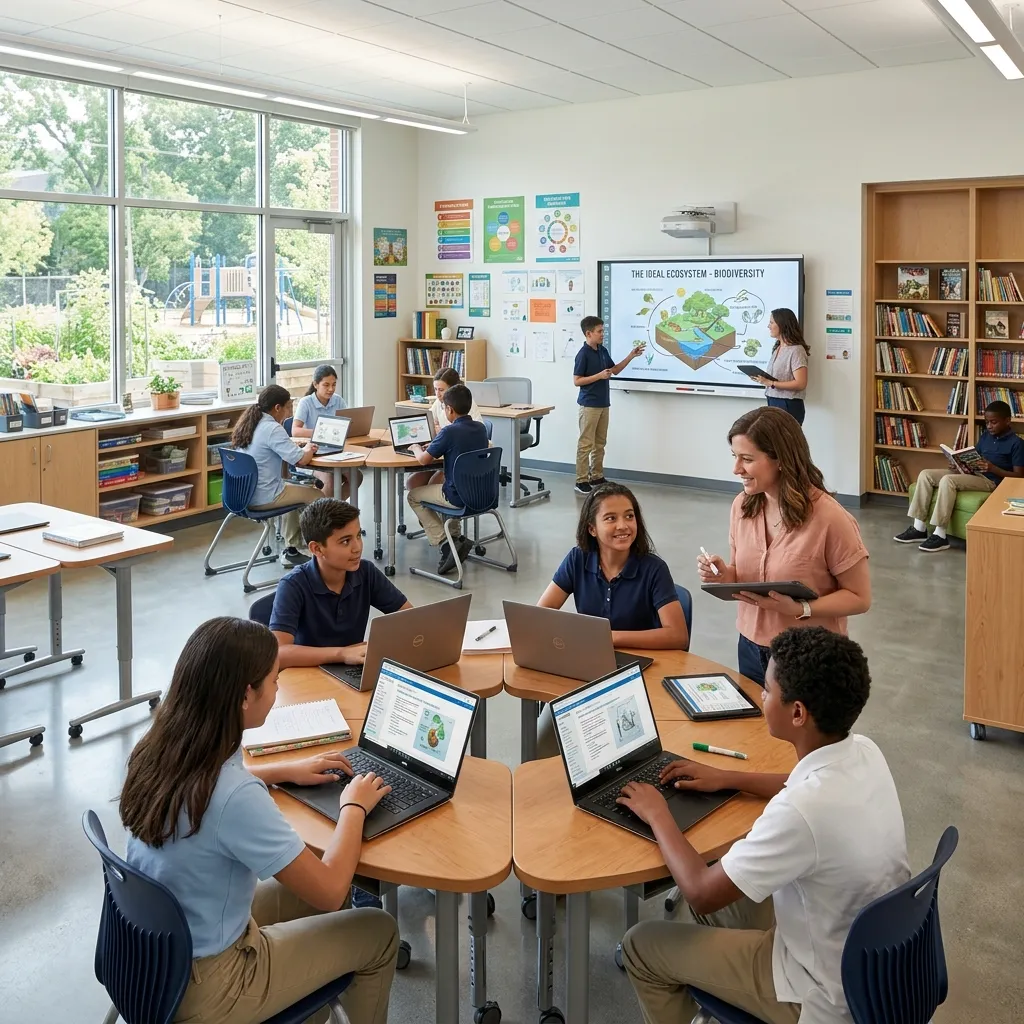
Designing a fully functional educational module to measure brand awareness requires specific, highly technical considerations regarding cognitive load, student accessibility, and long-term curriculum integration. Effective teaching strategies emphasize that the foundation of your program relies heavily on the tools and environments you build to measure brand awareness.
Balancing Data Difficulty and Student Confidence
Selecting the correct entry point forms the absolute foundation of your academic plan. Schools must carefully balance inevitable learning curves with engaging challenges. Teaching students how to interpret data to measure brand awareness is paramount. If you assign students to measure brand awareness in highly competitive sectors immediately, they will become discouraged. Instead, educators should guide them toward low-competition spaces where they can see immediate data validation, building the calm confidence necessary for deeper focus to measure brand awareness.
|
Metric Analyzed |
Educational Purpose |
Cognitive Benefit |
Best Classroom Application |
|---|---|---|---|
|
Search Volume |
Teaching data scale to measure brand awareness |
Promotes rational thinking |
High school statistics classes |
|
Social Mentions |
Managing expectations to measure brand awareness |
Builds emotional resilience |
Early college marketing courses |
|
User Intent |
Fostering empathy to measure brand awareness |
Enhances psychological insight |
Consumer behavior seminars |
|
Direct Traffic |
Understanding value to measure brand awareness |
Sharpens economic focus |
Advanced business studies |
Utilizing Search Volume to Teach Data Literacy
An overwhelmingly chaotic data environment creates immediate cognitive distraction, completely defeating the fundamental goal of cultivating a calm learning environment. Among the most critical tips when teaching students to measure brand awareness is the proper management of data inputs. Ensure that students are utilizing search volume metrics from trusted sources like Nielsen to filter out irrelevant information. Proper data filtering ensures that the students remain completely comfortable and focused on the task to measure brand awareness.
The Power of Focus When You measure brand awareness
Healthy, abundant academic results begin with an incredibly healthy, focused mind. Teaching students about the complex digital ecosystem is a fundamental cornerstone of any effective modern curriculum. Successful lessons designed to measure brand awareness always deeply prioritize the calm, methodical ecosystem of the human mind.
Fostering Empathy Through Search Intent
Avoid sterile, lifeless textbook descriptions if you genuinely want to teach true consumer behavior. Instead, introduce students to the fascinating world of human desire and problem-solving by analyzing the intent behind the data used to measure brand awareness. Show them how learning to measure brand awareness increases their capacity for empathy, allowing them to understand what people are truly looking for when they interact with a company.
Establishing an Integrated Analytical Mindset
Every educational program should feature dedicated, hands-on systems. Have students collect data surrounding various companies to measure brand awareness and compare their potential educational value. Managing a small-scale digital project is particularly engaging for learners. They can directly observe how the meticulous selection of metrics to measure brand awareness breaks down broad concepts into easily manageable, focused tasks.
Pro Tips to measure brand awareness in the Classroom
To truly transform modern education through digital exposure, teachers must strategically weave practical lessons on how to measure brand awareness into their daily classroom routines. Follow these advanced, expert tips to maximize student participation and academic retention:
- Assign highly specific digital niches to different grade levels to build a fierce sense of ownership when they measure brand awareness.
- Integrate visual mapping classes by having students draw out the conceptual web of the data they use to measure brand awareness.
- Utilize advanced digital tools from platforms like HubSpot so students can diligently track how metrics fluctuate to measure brand awareness.
- Cultivate highly sensory educational experiences by connecting the efforts to measure brand awareness to physical products they can see and touch.
- Partner proactively with local digital marketing experts to host interactive, unforgettable guest lectures on how professionals measure brand awareness.
Common Mistakes to Avoid When You measure brand awareness
Even the absolute most enthusiastic, deeply well-meaning educators can severely stumble when setting up a new curriculum centered on how to measure brand awareness. Steer totally clear of these incredibly frequent pedagogical pitfalls to ensure your digital program thrives year after year.
- Ignoring Critical Context: Data does not exist in a vacuum. Never allow students to measure brand awareness without teaching them the human element behind the search query.
- Overwhelming the Students: Students require ample cognitive space to clearly understand how to measure brand awareness. Leave very wide, easily navigable lesson plans so students can process data comfortably.
- Focusing Exclusively on Traffic: A well-designed lesson serves absolutely every aspect of strategy. Failing to actively include conversion psychology severely limits the educational potential of learning to measure brand awareness.
- Using Outdated Information: Always emphatically opt for modern examples. Teaching outdated methods to measure brand awareness does a massive disservice to the sophisticated reality of modern digital business.
Linking student engagement metrics to Marketing
Schools actively implementing structured learning programs centered around practical digital skills consistently report higher student engagement metrics and deeper classroom focus. By providing a quiet, highly methodical subject matter to study, students who frequently struggle with the overwhelming visual and auditory stimuli of traditional rote memorization find a peaceful mental space. Utilizing the rhythmic work of sorting data to measure brand awareness creates an incredibly inclusive environment for all cognitive types, drastically improving overall student engagement metrics across the board.
Cultivating Focus with cognitive resilience programs

In a highly digitized environment filled with rapid-fire notifications, the human brain is constantly bombarded with chaotic stimuli. Implementing cognitive resilience programs alongside lessons on how to measure brand awareness serves as the ultimate antidote to this digital chaos.
The work of categorizing data to measure brand awareness cannot be rushed. When educators expose students to the methodical, highly patient work required to measure brand awareness, they are implicitly supporting the goals of cognitive resilience programs. The process to measure brand awareness demonstrates that true, lasting growth requires consistent, unhurried, and deeply dedicated effort. This psychological realization brings a profound sense of calm to anxious students.
Measuring the Impact on Student Well-being
When a student observes a spreadsheet designed to measure brand awareness, they are not just watching data; they are watching applied psychology, advanced sociology, complex mathematics, and profound patience all working together in perfect, beautiful harmony. The effort to measure brand awareness becomes an unwitting but masterful professor of the real world.
Integrating Advanced Technologies into Focus Training
The effort to measure brand awareness is often incorrectly associated with simple blogging or basic social media likes. However, the modern digital landscape required to measure brand awareness is a highly sophisticated technological ecosystem. Today’s marketers utilize highly precise software, allowing them to measure brand awareness with incredible accuracy. By bringing this reality into the classroom, educators can drastically shift the paradigm. Students learning to measure brand awareness can see direct, real-world applications of their studies.
Furthermore, integrating AI technology alongside the effort to measure brand awareness provides a breathtaking analytical perspective. This seamless blend of psychology and technology creates a deeply engaging, profoundly modern educational experience that captures the attention of even the most easily distracted students as they measure brand awareness.
The Psychological Power of Methodical Data Sorting
The concept of thoroughly researching how to measure brand awareness serves as an incredible mental exercise. Data must be cleaned one row at a time. User intent must be analyzed with exact precision. When you measure brand awareness, you learn delayed gratification. The process to measure brand awareness allows students to finally focus on long-term educational goals rather than immediate, fleeting digital rewards.
Conclusion
Learning to measure brand awareness is vital for transforming modern education. By combining deep analytical focus with calm learning environments, students thrive and develop critical skills. Implement these methodical data strategies today to measure brand awareness effectively in your curriculum. Subscribe to our educator newsletter to receive more insights and start your journey today!
Frequently Asked Questions
Why is it important to measure brand awareness in schools?
Learning to measure brand awareness introduces students to methodical, rhythmic, and highly predictable data analysis, which dramatically lowers stress levels and improves focus.
What specific subjects benefit when you measure brand awareness?
Efforts to measure brand awareness flawlessly cover complex psychology, advanced sociology, intricate mathematics, and deep technology studies.
Do we need expensive software to measure brand awareness?
No. There are numerous free or highly affordable educational resources available to teach students how to measure brand awareness effectively.
How can we integrate lessons to measure brand awareness into tech classes?
Technology teachers can use real-world data examples to practically teach advanced spreadsheet functions and global search algorithms when they measure brand awareness.
Is it engaging for young students to measure brand awareness?
Yes, provided educators frame the data to measure brand awareness as a puzzle or a gamified treasure hunt connected to their actual interests.
What is the psychological benefit of learning to measure brand awareness?
The steady, rhythmic filtering of data to measure brand awareness acts as a powerful analytical grounding technique that blocks out chaotic distractions.
How does learning to measure brand awareness improve modern literacy?
A student who learns to measure brand awareness drastically improves their reading comprehension, critical thinking, and writing precision.
Can learning to measure brand awareness help with behavioral challenges?
Absolutely. The highly methodical nature of data sorting to measure brand awareness provides an excellent grounding mental outlet for pent-up energy.
How can traditional educators teach students to measure brand awareness?
Educators can utilize high-definition marketing tutorials and interactive online courses to teach the core concepts needed to measure brand awareness.
Why is the effort to measure brand awareness a good antidote to digital fatigue?
The deliberate, productive work of researching how to measure brand awareness demonstrates the immense value of delayed gratification, refreshing the overstimulated mind.