
Strong partnerships have the power to unlock opportunities that a single brand could never reach alone. In modern marketing, collaborating with another company through co-marketing campaigns, brand partnerships, or joint promotional strategies can dramatically expand your audience, elevate your credibility, and drive measurable results.
Global leaders like GoPro, Red Bull, Spotify, HubSpot, Nike, and Apple have proven how effective brand collaborations can be when two complementary companies leverage their combined strengths.
By teaming up with a relevant, complementary brand, you gain access to a new customer segment, share creative and financial resources, and co-create campaigns that deliver more impact than any solo effort.
In this guide, we’ll dive into the power of brand collaboration, partnership marketing, and joint branded campaigns, showcase real-world examples that achieved standout success, and give you practical ideas to launch your own high-performing co-marketing initiatives.
What is a Co-Marketing Campaign?

A co-marketing campaign is a strategic collaboration where two or more companies work together to promote a shared offer, message, or marketing initiative.
A co-marketing campaign is a strategic collaboration where two or more companies work together to promote a shared offer, message, or marketing initiative. It is different from co-branding. Co-branding focuses on creating a single product with both brand logos; co-marketing focuses on joint marketing efforts that amplify reach and impact.
In this type of campaign, each brand contributes marketing resources, such as content, social media channels, email lists, advertising budgets, or creative expertise. Both partners share the responsibility for creating and promoting the campaign, resulting in cross-promotion, audience growth, and lead generation for both sides.
The main goal is to leverage each other’s target audience to achieve measurable results, like increasing brand awareness, generating qualified leads, or driving sales conversions. The most successful co-marketing campaigns happen when the partner’s audience complements your own but does not compete directly. This creates a win-win partnership that adds value for both companies and their customers.
Choosing the right partner is key. A good co-marketing partner aligns with your brand values, customer interests, and marketing goals. With the right strategy, co-marketing campaigns become powerful tools to expand reach, strengthen credibility, and deliver more effective partnership marketing results than either brand could achieve alone.
The Pros and Cons of Co-marketing Campaign
Co-marketing campaigns have become one of the most powerful growth levers for modern brands. When two companies collaborate on content, distribution, and shared promotions, the results can scale quickly. But like every partnership marketing strategy, co-marketing has strengths and weaknesses. Understanding both sides helps you build smarter, high-ROI campaigns.
Pros of Co-Marketing
1. Wider Brand Visibility
Partnering with another company gives you instant exposure to a new audience segment.
Your brand gets seen by people you normally wouldn’t reach, expanding overall visibility.
2. Lower Marketing Costs
Since both companies invest in the campaign, the cost burden becomes lighter.
You can run bigger, more polished campaigns without overspending.
3. Stronger Brand Trust
When a reputable brand stands beside you, customers trust your message more.
This association builds authority and increases consumer confidence.
4. Combined Creativity and Skillsets
Each brand brings its own strengths—creative ideas, industry insights, tools, and expertise.
This mix often leads to innovative campaigns that outperform solo efforts.
5. Improved Customer Response
Because customers recognize and trust both brands, they’re more likely to engage or purchase.
The combined influence boosts conversion rates and action-taking.
6. Bigger Projects at a Lower Cost
Pooling resources allows you to produce campaigns that might be too costly for one brand alone.
You gain scale, efficiency, and professional-level output.
Cons of Co-Marketing
1. Risk of Brand Identity Getting Blurred
Your brand voice may get overshadowed, especially if the partner’s branding is dominant.
This can weaken your distinct identity.
2. Shared Reputation Risks
If your partner faces criticism or a PR issue, your brand can be indirectly affected.
Negative associations can transfer quickly.
3. Heavy Coordination and Planning Needs
Co-marketing requires clear communication, shared timelines, and strict alignment.
Managing two teams and workflows can be time-consuming.
4. Brand or Audience Misfit
If the brands differ in audience, tone, values, or goals, the campaign loses impact.
Poor alignment leads to weak engagement and confusing messaging.
5. Reduced Control Over Messaging
You may have to compromise on how your message looks or sounds to satisfy both brands.
This limits creative freedom and dilutes impact.
6. Relying on Your Partner’s Performance
Your campaign’s success depends on how well the partner delivers their part.
If they fall behind, the entire project suffers.
Why Should You Run a Co-Marketing Campaign?

Co-marketing campaigns offer a range of benefits that can significantly impact your business’s growth and visibility. Here’s why they are worth considering:
- Cost-Effective Reach: By sharing the costs of content creation and promotion, both partners can execute a larger, more impactful campaign than they could afford individually. It’s a budget-friendly way to double your marketing power.
- Access to New Audiences: The most significant advantage is the ability to connect with a new, highly targeted audience. Your partner’s followers already trust them, and that trust can extend to your brand through the association.
- Enhanced Credibility: Partnering with a respected brand can boost your own credibility. This “halo effect” positions your company as an authority in your industry and builds trust with potential customers.
- Shared Expertise and Resources: Two heads are often better than one. Co-marketing allows you to combine different skill sets, perspectives, and resources, leading to higher-quality content and more creative campaigns.
- Lead Generation: Co-marketing efforts, especially those involving gated content like webinars or ebooks, are powerful lead-generation tools. You get access to your partner’s leads, effectively doubling your potential pipeline.
7 Examples of Successful Co-Marketing Campaigns
To illustrate what great co-marketing looks like, let’s explore some real-world examples of brands that have joined forces to create something special.
1. GoPro & Red Bull: “Stratos”
GoPro and Red Bull’s “Stratos” campaign is a legendary example of co-marketing. The partnership saw daredevil Felix Baumgartner jump from a space pod 24 miles above the Earth’s surface, all captured on GoPro cameras. Red Bull, known for its “gives you wings” slogan and association with extreme sports, was the perfect partner for GoPro, a brand whose cameras are designed to capture life’s most thrilling moments. The campaign was a massive success, generating billions of media impressions and cementing both brands as leaders in adventure and high-performance gear.
2. Spotify & Starbucks: Music for Your Mood
Spotify and Starbucks teamed up to enhance the in-store experience for coffee lovers. Through the Starbucks app, customers could discover music playing in the store and save it to a Spotify playlist. This partnership was a natural fit, as both brands cater to a similar audience that values curated experiences. It allowed Starbucks to offer a unique digital perk, while Spotify gained access to Starbucks’ vast customer base, encouraging app downloads and playlist engagement.
3. BuzzFeed & Best Friends Animal Society: “The Golden Ratio”
BuzzFeed, a master of viral content, partnered with the Best Friends Animal Society for a campaign centered on cats. Recognizing that cat videos are a cornerstone of their content, they created a video that playfully assigned a “golden ratio” score to different cats. The video was entertaining and highly shareable, but it also carried a call to action to support animal adoption through the Best Friends Animal Society. This campaign successfully blended humor with a meaningful cause, leveraging BuzzFeed’s massive reach for social good.
4. Uber & Spotify: “Soundtrack for Your Ride”
Another smart Spotify collaboration was its partnership with Uber. This co-marketing campaign allowed Uber riders to connect their Spotify accounts and control the music during their trip. It was a simple yet brilliant idea that enhanced the customer experience for both services. Uber differentiated itself from competitors by offering a personalized ride, while Spotify gained a unique platform to increase user engagement and showcase the value of its premium subscription.
5. HubSpot & Chatfuel: The Ultimate Guide to Chatbots
HubSpot, a leader in inbound marketing, often partners with other tech companies to create valuable educational content. One notable example is their co-authored ebook with Chatfuel, “The Ultimate Guide to Chatbots.” By combining HubSpot’s marketing expertise with Chatfuel’s specialization in chatbot technology, they created a comprehensive resource that appealed to both of their audiences. This co-marketing campaign positioned both companies as thought leaders and generated a significant number of leads through the gated ebook.
6. Apple & MasterCard: Apple Pay Launch
When Apple launched Apple Pay, it needed to build trust and encourage adoption. To do this, they partnered with MasterCard, a globally recognized and trusted financial services company. Their joint marketing efforts focused on the security, simplicity, and convenience of using Apple Pay. Commercials showed how easy it was to make purchases with a tap of an iPhone. This partnership was crucial for Apple Pay’s successful rollout, as MasterCard’s endorsement provided the credibility needed to win over skeptical consumers.
7. Airbnb & The Art Institute of Chicago: Van Gogh’s Bedroom
In a highly creative campaign, Airbnb partnered with The Art Institute of Chicago to recreate Vincent van Gogh’s famous painting, “The Bedroom,” as a life-sized, rentable room. The listing on Airbnb was written in Van Gogh’s voice, offering a unique and immersive experience for art lovers. This partnership generated massive media buzz and drove ticket sales for the museum’s Van Gogh exhibition, while also highlighting Airbnb’s unique and unconventional accommodation offerings.
Key Takeaways for Your Next Campaign
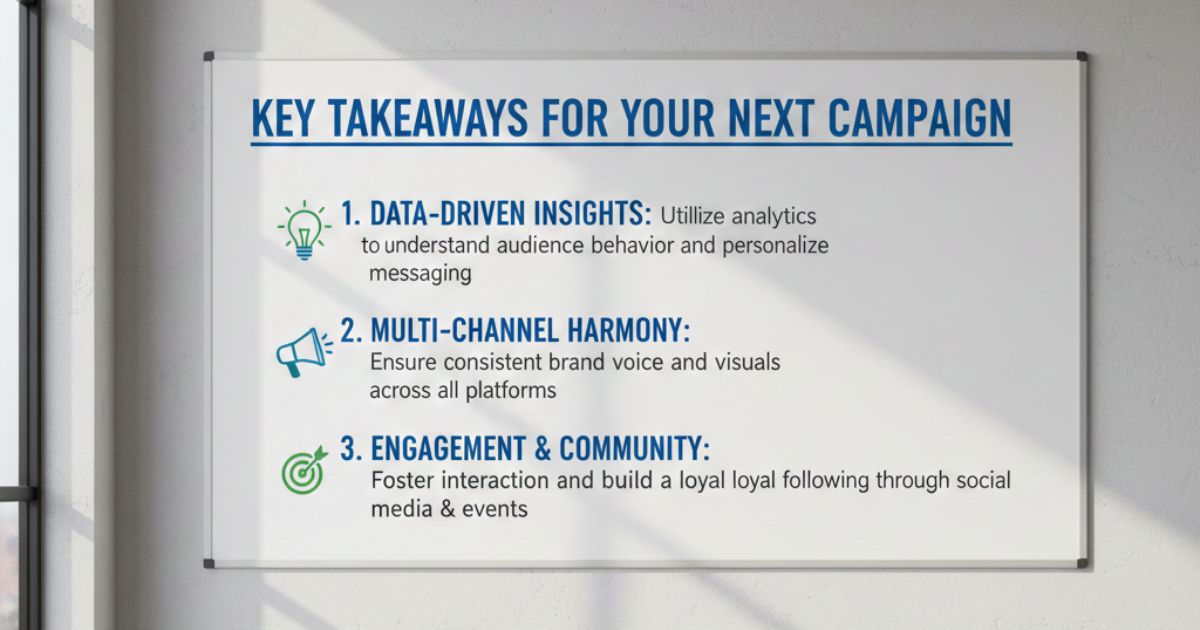
These examples show that the most effective co-marketing campaigns are built on shared audiences, complementary brand values, and a focus on delivering real value to customers. Successful partnerships feel authentic and seamless, not forced or gimmicky.
When planning your own partnership marketing efforts, choose a partner who can help you achieve your goals while you support theirs. Begin by identifying brands that your audience already trusts and engages with. By collaborating on joint marketing initiatives, cross-promotional campaigns, and co-branded content, you can create impactful marketing experiences that resonate with both audiences and drive measurable results.
Conclusion
Co-marketing campaigns are one of the easiest ways for brands to grow. When two companies work together, they share audiences, ideas, and resources. This creates more reach and more trust. Big brands like GoPro, Red Bull, Spotify, HubSpot, and Apple have shown how powerful these partnerships can be.
The key is choosing the right partner. Your partner should have a similar audience, similar values, and the same goals. When both brands promote the campaign together, the results are stronger. Co-branded content, joint promotions, and shared events can help both sides grow faster.
As you plan your next marketing campaign, think about collaboration. Look for a brand your customers already trust. Create simple and useful content together. Build an experience that feels natural for both audiences. With the right partnership, you can reach more people and achieve results that would be hard to get alone.
Frequently Asked Questions
1. What are co-marketing campaigns?
Co-marketing campaigns are partnership marketing initiatives where two or more brands collaborate on joint marketing efforts, share audiences, and promote a common message or offer to achieve mutual benefits.
2. How does co-marketing help my business?
It helps reach new audiences, reduce costs, increase credibility, and generate more leads through shared resources and expertise.
3. How do I choose the right partner?
Look for brands with complementary audiences and values, without being direct competitors, to create authentic and effective campaigns.
4. What types of co-marketing campaigns work best?
Effective campaigns include joint content like ebooks, webinars, events, social media promotions, and immersive digital experiences.
5. How do I measure success?
Measure success with audience reach, engagement rates, leads, conversions, and overall impact on brand awareness.
6. What industries benefit most from co-marketing?
Co-marketing works well across industries like tech, retail, hospitality, entertainment, and non-profits, where complementary audiences and shared goals can drive impactful results.
7. What are common challenges in co-marketing?
Challenges include misaligned goals, communication gaps, brand identity conflicts, and uneven resource contributions, which can hinder campaign success.
8. How long should a co-marketing campaign run?
Campaign duration depends on the goals and scope but typically ranges from a few weeks for promotions to several months for larger initiatives.
9. What tools can help manage co-marketing campaigns?
Tools like project management software, shared analytics platforms, and collaborative content creation tools streamline planning and execution.
10. Can small businesses run co-marketing campaigns?
Absolutely! Small businesses can partner with local or niche brands to share resources, expand reach, and achieve mutual growth.