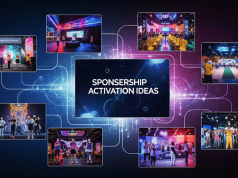
Sponsorship marketing is shifting from basic brand exposure to meaningful, data-driven partnerships. Today’s most effective sponsorships focus on sustainability, authenticity, personalization, and real audience engagement rather than just visibility. Trends like immersive digital experiences, micro-influencer collaborations, AI-powered personalization, and purpose-led partnerships are redefining how brands connect with people.
Marketers who embrace long-term partnerships, measurable impact, and genuine brand values will stay relevant and competitive as sponsorship marketing continues to evolve.
Top Sponsorship Trends Every Marketer Should Know
Sponsorship marketing has evolved far beyond logo placements and event banners. In today’s experience-driven, value-conscious marketplace, sponsorships are strategic partnerships that shape brand perception, trust, and long-term growth. As consumer expectations, technology, and data capabilities continue to advance, marketers must rethink how sponsorships are planned, executed, and measured.
Modern audiences demand authenticity, personalization, and purpose. Brands that fail to adapt risk being ignored or worse, perceived as out of touch. This guide explores the most important sponsorship trends every marketer should understand to stay competitive, relevant, and impactful in the years ahead.
Sustainability Becomes a Core Sponsorship Requirement

Sustainability is no longer a “nice-to-have” attribute in sponsorships it is a baseline expectation. Consumers are increasingly conscious of environmental and social issues, and they actively evaluate brands based on ethical responsibility and long-term impact.
Millennials and Gen Z, in particular, expect brands to take a stand on climate change, responsible sourcing, and social equity. As a result, sponsorships tied to eco-friendly initiatives, carbon-neutral events, renewable energy projects, and environmental awareness campaigns are gaining dominance.
Brands are moving away from surface-level green messaging and toward sponsorships that demonstrate measurable impact. Zero-waste conferences, sustainable sports tournaments, eco-certified festivals, and climate-focused innovation forums are becoming powerful platforms for credible brand alignment.
For marketers, authenticity is critical. Audiences are highly skeptical of greenwashing. Sponsorship strategies must be supported by real commitments, transparent reporting, and long-term sustainability goals. Brands that align sponsorship investments with genuine environmental responsibility build deeper trust, stronger loyalty, and lasting brand equity.
NFTs and Blockchain Redefine Sponsorship Ownership and Trust

Blockchain technology and NFTs (Non-Fungible Tokens) are reshaping how sponsorship value is created, distributed, and verified. These technologies introduce transparency, exclusivity, and traceable ownership three elements that address long-standing challenges in sponsorship marketing.
Non Fungible Token (NFT) powered sponsorships allow brands to offer limited-edition digital collectibles, exclusive content, virtual merchandise, and token-gated experiences. These assets create new engagement touchpoints while fostering a sense of ownership and community among audiences.
In sports, gaming, and entertainment, NFT sponsorships are transforming fan experiences by blending digital identity with real-world engagement. Fans are no longer passive spectators they become active participants in brand ecosystems.
Blockchain also strengthens sponsorship agreements by creating immutable records of contracts, performance benchmarks, and intellectual property rights. This reduces disputes, enhances accountability, and builds trust between sponsors and partners. As adoption grows, blockchain-backed sponsorship frameworks are becoming a foundation for large-scale and long-term collaborations.
Information-Powered Sponsorship Agreements Replace Guesswork
Traditional sponsorship models relied heavily on estimated reach, logo impressions, and post-event summaries. In a data-driven marketing environment, this approach is no longer sufficient.
Brands now demand real-time insights and measurable outcomes. Advances in AI, big data analytics, and marketing technology enable information-powered sponsorship agreements that track performance throughout a campaign’s lifecycle.
Marketers can measure engagement depth, sentiment analysis, website traffic, social amplification, lead generation, and conversion impact across channels. This allows sponsors to optimize campaigns in real time instead of waiting until after an event ends.
Data transparency also plays a crucial role in sponsorship renewals. Partners that demonstrate clear ROI, audience relevance, and measurable impact are far more likely to secure long-term relationships. As budgets face increased scrutiny, information-powered sponsorships become a competitive necessity rather than an advantage.
Virtual and Augmented Reality Expand Sponsorship Beyond Physical Space

Virtual reality (VR) and augmented reality (AR) are opening entirely new dimensions for sponsorship marketing. As digital-first experiences continue to grow, brands are no longer limited by geography or physical venues.
Sponsored virtual events, immersive brand environments, and AR-enhanced activations allow marketers to engage global audiences in interactive and memorable ways. Virtual billboards in eSports tournaments, AR-powered product demos at concerts, and branded digital worlds provide deeper engagement than traditional sponsorship placements.
These immersive experiences offer extended interaction time, richer storytelling, and detailed behavioral insights. For marketers, Virtual Reality (VR) and Augmented reality (AR) sponsorships represent a powerful fusion of experiential marketing and data intelligence.
As technology becomes more accessible, immersive sponsorship formats will become a core component of modern sponsorship strategies rather than experimental add-ons.
Micro-Influencer Sponsorships Deliver Higher Authenticity and ROI
The era of relying solely on celebrity endorsements is fading. Micro-influencers—creators with smaller but highly engaged audiences are becoming central to sponsorship success.
These influencers maintain closer relationships with their communities, resulting in higher trust and credibility. Sponsored content from micro-influencers often feels more organic, relevant, and authentic than mass-market celebrity promotions.
Micro-influencer sponsorships enable brands to reach niche audiences with precision. This approach delivers higher engagement rates, better conversion performance, and stronger long-term brand affinity often at a lower cost.
As marketers seek efficiency and authenticity, sponsorship budgets are increasingly shifting toward micro-influencer partnerships that prioritize quality of engagement over sheer reach.
Diversity and Inclusion Take Center Stage in Sponsorship Strategy
Diversity and inclusion are no longer optional brand values—they are strategic imperatives. Consumers expect brands to reflect the diversity of the communities they serve and to actively support underrepresented voices.
Sponsorships that promote inclusion such as women-led conferences, LGBTQ+ pride events, minority-focused art exhibitions, and inclusive education initiatives—help brands demonstrate cultural awareness and social responsibility.
These partnerships resonate emotionally with audiences and strengthen trust, loyalty, and relevance. Inclusive sponsorship strategies also enable brands to connect with new markets while reinforcing positive brand identity.
As societal expectations evolve, diversity-driven sponsorships will remain a defining factor in brand credibility and long-term success.
Regional and Hyper-Local Sponsorships Gain Strategic Importance
While global sponsorships offer scale, they often lack personal relevance. Many brands are shifting toward regional and hyper-local sponsorships that foster deeper community connections.
Local sports teams, music festivals, cultural celebrations, and grassroots initiatives provide opportunities for authentic engagement. These sponsorships allow brands to participate in meaningful local stories rather than broadcasting generic messages.
For businesses with strong regional footprints, localized sponsorships deliver higher engagement, stronger brand affinity, and more sustainable results. Community-focused sponsorships also reinforce trust by positioning brands as active, invested participants rather than distant advertisers.
Experience-Driven Sponsorships Replace Passive Exposure
Modern consumers seek experiences, not interruptions. Experience-driven sponsorships prioritize interaction, immersion, and emotional connection over passive visibility.
Brands are investing in pop-up activations, interactive booths, live demonstrations, and hands-on brand experiences that invite audiences to participate rather than observe. These experiences are memorable, shareable, and highly effective at building brand recall.
By focusing on how audiences feel and interact, experience-driven sponsorships create deeper emotional bonds and stronger long-term brand associations.
AI-Enhanced Personalization Transforms Sponsorship Engagement
Artificial intelligence is reshaping how sponsorships are delivered, optimized, and scaled. AI enables brands to personalize sponsorship experiences based on behavior, preferences, location, and demographics.
From dynamic content placement to real-time message optimization, AI-driven sponsorships increase relevance and efficiency. Brands can adapt messaging during live events, personalize digital touchpoints, and allocate budgets more strategically.
As AI continues to evolve, sponsorship campaigns will become more adaptive, predictive, and results-driven-enhancing both audience satisfaction and marketing ROI.
Cause-Based Sponsorships Build Emotional Brand Connections
Purpose-driven branding is shaping the future of sponsorship marketing. Consumers want brands to stand for something beyond profit, and cause-based sponsorships offer a powerful way to demonstrate shared values.
Sponsorships connected to mental health awareness, education, hunger relief, environmental protection, and social justice initiatives create emotional resonance and long-term loyalty.
When executed authentically, cause-based sponsorships transform brands into advocates rather than advertisers driving trust, advocacy, and sustained engagement.
Long-Term Strategic Partnerships Outperform One-Off Deals
The future of sponsorship favors long-term collaboration over short-term exposure. Ongoing partnerships allow brands to build consistent narratives, deeper trust, and richer data insights.
Long-term sponsorships support continuous optimization, shared storytelling, and stronger alignment between partners. Rather than chasing fleeting visibility, brands that invest in sustained relationships benefit from compounding returns and stronger brand equity.
Leading the Future of Brand Partnerships

Modern brands no longer succeed through visibility alone—they win through leadership. Strong marketing and sponsorship leadership today means setting a clear vision, choosing the right partnerships, and aligning sponsorship efforts with long-term brand goals. Leaders in this space understand that sponsorship is not just a media expense, but a strategic growth lever.
Effective leadership requires balancing creativity with data. Brands that lead in sponsorship invest in partnerships that reflect their values, resonate with their audience, and deliver measurable outcomes. This approach allows marketing teams to move beyond short-term exposure and build sustainable brand equity through thoughtful collaboration.
In this evolving landscape, marketing and sponsorship leadership is defined by adaptability, authenticity, and the ability to turn partnerships into meaningful brand experiences rather than transactional deals.
Turning Events into Immersive Brand Experiences
Events remain one of the most powerful sponsorship platforms but only when creativity is at the core. Audiences are no longer impressed by logos on banners or stage backdrops. They want interaction, storytelling, and memorable moments that feel personal.
This is where creative event sponsorship marketing plays a critical role. Brands are designing interactive booths, live demonstrations, experiential pop-ups, and social-first activations that encourage participation rather than passive observation. These experiences not only capture attention during the event but also extend reach through social sharing and post-event engagement.
By focusing on creativity and audience involvement, brands can transform sponsored events into emotional touchpoints that drive recall, loyalty, and long-term impact.
Innovative Platforms Reshaping Sponsorship Strategy
The sponsorship landscape is being redefined by platforms and agencies that challenge traditional models. One notable example is how Tigris Sponsorship and Marketing are changing the game by emphasizing data transparency, tailored partnerships, and measurable performance over generic exposure.
Innovative sponsorship platforms help brands identify the right opportunities, track real-time performance, and optimize campaigns as they run. This shift empowers marketers to make informed decisions, justify investments, and build stronger relationships with partners.
As sponsorship becomes more strategic and accountable, such forward-thinking approaches are setting new standards for how brands plan, execute, and evaluate sponsorship success.
Expanding Reach Through Digital-First Experiences
As audiences increasingly engage online, sponsorship opportunities are no longer limited to physical venues. Digital-first experiences have unlocked new ways for brands to connect with global audiences at scale.
Virtual events sponsorship allows brands to integrate into online conferences, live streams, webinars, and immersive digital environments. From branded virtual stages to interactive networking lounges and sponsored content sessions, these formats offer flexibility, data-rich insights, and extended engagement.
Unlike traditional events, virtual sponsorships provide detailed analytics on attendance, interaction, and user behavior making them highly attractive for marketers focused on ROI. As hybrid and fully digital events continue to grow, virtual sponsorships will remain a key pillar of modern sponsorship strategies.
Frequently Asked Questions (FAQ)
Why are sponsorship trends evolving so quickly toward 2025?
Sponsorship trends are shifting rapidly due to changing consumer expectations, digital innovation, and increased demand for authenticity. Audiences now value meaningful engagement over simple exposure. Technologies like AI, blockchain, and data analytics are also enabling brands to measure impact more precisely, forcing marketers to rethink traditional sponsorship models.
How does consumer behavior influence modern sponsorship strategies?
Consumers today prefer brands that align with their values and lifestyles. This has pushed sponsorships toward sustainability, diversity, and purpose-driven initiatives. Brands that understand audience motivations can design sponsorships that feel relevant, personal, and emotionally engaging rather than purely promotional.
Why is sustainability becoming a core sponsorship requirement?
Sustainability resonates strongly with Gen Z and Millennials. Eco-conscious sponsorships signal long-term responsibility and brand credibility. Supporting green events or social causes helps brands build trust, strengthen reputation, and maintain relevance in value-driven markets.
Are NFTs and blockchain practical tools for sponsorships?
Yes, NFTs and blockchain add transparency, exclusivity, and security to sponsorships. NFTs offer unique fan experiences, while blockchain ensures accurate tracking of rights, ownership, and performance. These tools help modernize sponsorship structures and reduce disputes.
How do data-driven sponsorships reduce marketing risk?
Data-driven sponsorships allow brands to track engagement, sentiment, and conversions in real time. This minimizes guesswork and helps marketers adjust campaigns quickly. Better data leads to smarter budget allocation and improved ROI.
Why are virtual and hybrid sponsorships gaining popularity?
Virtual and hybrid sponsorships extend reach beyond physical locations. They allow global participation, interactive engagement, and detailed performance tracking. As digital events grow, these formats offer scalable and cost-efficient sponsorship opportunities.
What makes micro-influencer sponsorships more effective?
Micro-influencers have niche audiences with higher trust levels. Their content feels authentic and relatable, leading to stronger engagement and better conversion rates. Brands benefit from targeted exposure at lower costs.
How does diversity and inclusion impact sponsorship outcomes?
Inclusive sponsorships improve brand perception and cultural relevance. Supporting underrepresented communities demonstrates social responsibility and helps brands connect with broader audiences. This often leads to stronger loyalty and advocacy.
Are local sponsorships more valuable than global ones?
Local sponsorships often feel more personal and relevant. They help brands build community trust and deeper engagement. While global deals offer reach, regional partnerships can deliver higher impact within target markets.
What are experience-driven sponsorships?
Experience-driven sponsorships focus on interaction rather than visibility. Brands create memorable moments through activations, live demos, or immersive experiences. These interactions increase recall, emotional connection, and social sharing.
How is AI improving sponsorship personalization?
AI enables real-time personalization based on user behavior, location, and preferences. This helps brands deliver relevant messages and dynamic content during events, improving engagement and overall campaign performance.
Why is long-term sponsorship planning important?
Long-term sponsorships build consistency and trust. They allow brands to refine messaging, gather deeper insights, and maximize lifetime value. Sustainable growth often comes from ongoing partnerships rather than one-off deals.
How can brands future-proof their sponsorship strategies?
Brands should invest in analytics, embrace new technologies, and align sponsorships with core values. Testing innovative formats and focusing on audience experience will help brands stay competitive.
What metrics matter most for sponsorship success?
Key metrics include engagement, brand recall, sentiment, lead generation, and revenue impact. Tracking both short-term performance and long-term brand value ensures balanced evaluation.
How can marketers justify sponsorship spending to stakeholders?
Clear KPIs, performance dashboards, and data-backed reporting help demonstrate value. Showing how sponsorships contribute to growth, awareness, and customer acquisition builds stakeholder confidence.