
Strategic partnerships can unlock powerful growth opportunities for marketers, but success depends on more than creativity and collaboration—it requires strong legal foundations. This guide explains why clear legal agreements are essential for managing expectations, protecting intellectual property, ensuring compliance, and reducing financial and operational risks. From influencer collaborations to affiliate marketing and global brand partnerships, well-structured contracts create accountability and long-term trust. By aligning legal frameworks with marketing goals, businesses can focus on value creation instead of conflict resolution. Ultimately, understanding the legal side of strategic partnerships empowers marketers to build scalable, transparent, and sustainable collaborations that drive measurable growth.
What is “Legal Agreements” in the Field of Strategic Partnerships?
At its essence, it’s a piece of paper that lays out the roles and responsibilities of each party to the partnership (as opposed to me running someone through a stone-cold dispassionate game plan and hard numbers). These contracts are more than a formality – they are so-called contracts of adhesion, drawn up to minimize confusion, avoid misunderstandings, and to protect the parties in a court of law.
The value of strategic partnerships crosses different channels for marketers:
- Influencer partnerships for product placement.
- Brand-based co-marketing initiatives.
- Exchanging intellectual property such as co-created content.
- Partnership agreements concerning affiliate marketing.
All of these set-ups need a pretty iron-clad contract that keeps all specifics front and center – deliverables, payment terms, and liabilities.
Why Contracts Never Make Sense To Discuss!

Avoid Miscommunication
A verbal deal might sound like enough at the outset, but problems often start when someone’s hopes aren’t met. A legal agreement in writing ensures that there are no misunderstandings about what is expected of each party and what they are to deliver.
Example:
If you are working with an influencer to promote your product, your contract could specify the number of posts, stories or videos they have to create.
Protect Copyrights and Patents
Contracts guarantee your intellectual property is secure and spell out who gets to keep it.
Key Clauses to Include:
- Ownership of Content
- Usage Rights and Restrictions
- Exclusivity for Sponsors
Manage Financial Risk
Compensation terms, payment deadlines, penalties for overdue payments are addressed in legal agreements.
Create a Chain of Responsibility
By defining who is responsible for what, a legal agreement bakes accountability into the collaboration.
Marketing Terms Checklist for Legal Agreements

STEP 1 : SPECIFICITY – Define Deliverables and Deadlines
Apply SMART criteria (Specific, Measurable, Achievable, Relevant, Time-bound) to deliverables.
Establish Payment Terms
Specify compensation, payment method, timing, and late payment consequences.
Example Clause:
“Party A agrees to pay Party B the amount of $5,000 after the work is complete of this project, within seven business days after receipt of an invoice.”
Explain Rights to Intellectual Property
Explain ownership rights to creative assets and campaign materials.
Define the limits of Confidentiality
Use an NDA to protect sensitive information.
What Should Be Part of a Confidentiality Clause:
- Particulars of what information is confidential
- Duration of confidentiality
- Consequences for breach
Consider Source of Termination
Establish terms for ending agreements and resulting liabilities.
Example Clause:
“This agreement may be terminated by either party with 30 days’ written notice. Completed payments are still to be paid in full.”
Dispute Resolution
Describe dispute resolution framework and legal jurisdiction.
Things to Look Out For in Legal Contracts

Ambiguous Language
Avoid vague terms to minimize legal risks.
Omission of Key Details
Ensure deliverables, deadlines, and penalties are clearly included.
Imbalanced Obligations
Watch for agreements that put too much burden on one side.
Essential Resources and Tools to Help You Streamline Your Legal Agreements
- Hellobonsai: Simple contract templates for creatives and marketers.
- LegalZoom: Legal document services and compliance tools.
- DocuSign: Secure e-signatures and contract management.
Built-to-Last Collaboration
A strong legal agreement protects you and lays the groundwork for successful partnerships. Clearly defined duties, managed risk, and expectations for accountability enable you to focus on value creation.
The Role of Partnerships in Modern Marketing Strategy
Today’s brands increasingly rely on Strategic Marketing Partnerships to expand reach without increasing costs exponentially. These collaborations allow businesses to combine resources, audiences, and expertise to achieve shared goals. From co-branded campaigns to shared distribution channels, strategic partnerships help marketers scale faster than solo efforts. However, success depends on alignment—brand values, audience demographics, and legal clarity must all match. Without proper structure, even promising partnerships can fail. That’s why marketers must treat strategic partnerships as long-term growth assets, not short-term promotional tactics. When built correctly, Strategic Marketing Partnerships deliver sustainable visibility, higher trust, and measurable ROI while reducing individual risk.
Niche Audiences and High-Trust Collaborations
Brands are shifting focus toward Strategic Micro-Influencer Partnerships because niche creators generate deeper engagement than mass influencers. These partnerships thrive on authenticity, where micro-influencers act as trusted voices within specific communities. Instead of chasing follower count, marketers prioritize relevance and credibility. Strategic Micro-Influencer Partnerships also allow brands to test messaging across multiple creators with minimal budget risk. Legal agreements play a vital role here, defining content ownership, posting frequency, and disclosure rules. When properly managed, micro-influencer partnerships produce higher conversion rates and long-term brand affinity, making them a smart strategic choice for modern marketers.
Understanding the Balance Between Influence and Control
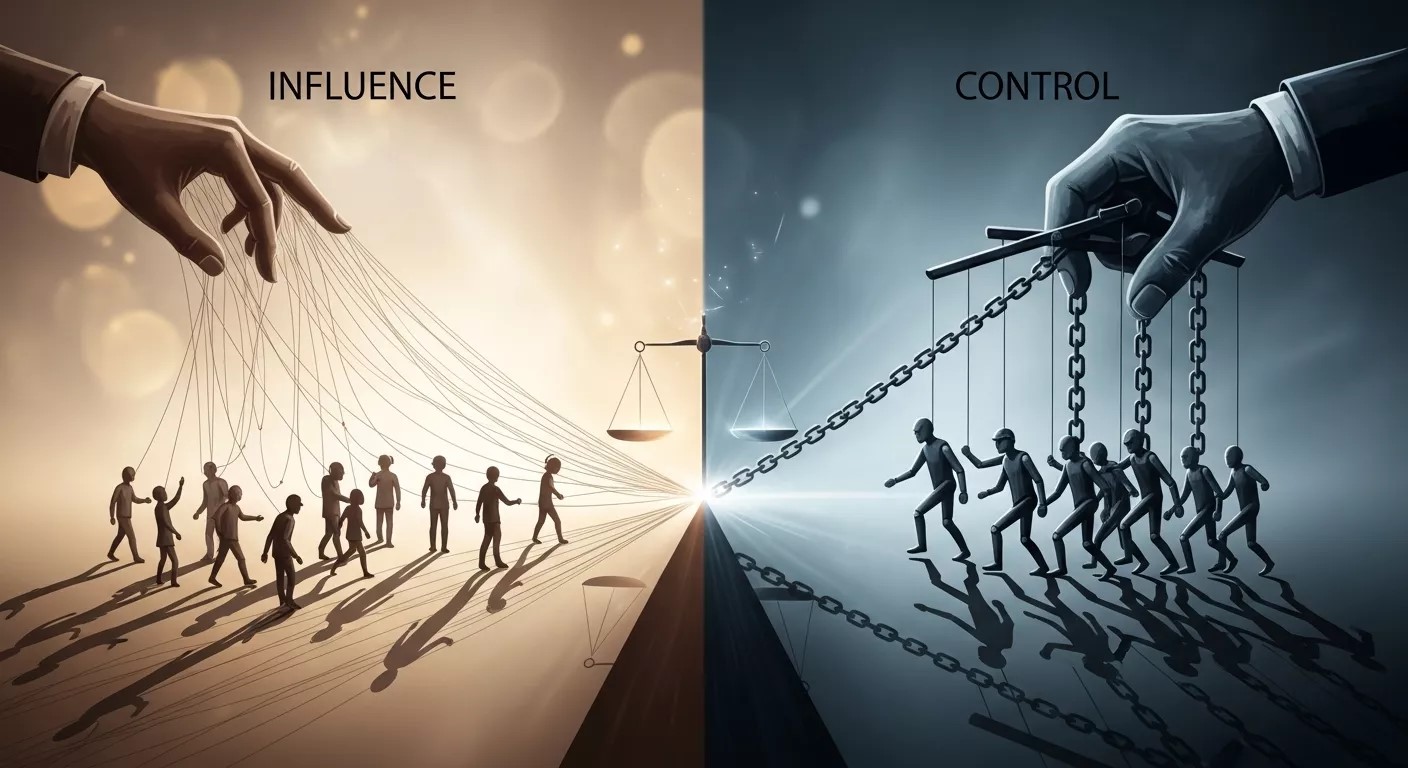
One common challenge in collaborations is navigating Strategic Influencer vs Brand Partnerships. Brands want message control, while influencers value creative freedom. The best partnerships strike a balance where both parties benefit. Strategic Influencer vs Brand Partnerships succeed when expectations are clearly documented—covering brand guidelines, approval processes, and content rights. Without legal clarity, disputes over tone, usage rights, or campaign performance can arise. Marketers should focus on collaboration rather than command, ensuring influencers remain authentic while aligning with brand objectives. This balance builds trust and ensures campaigns resonate with audiences naturally.
Performance-Driven Collaboration Models
Data-driven organizations increasingly explore Strategic Optum Market Performance Partnerships to improve efficiency and outcomes. These partnerships focus on analytics, performance metrics, and measurable results rather than visibility alone. Strategic Optum Market Performance Partnerships often involve shared data systems, reporting frameworks, and performance benchmarks. For marketers, this means accountability on both sides-partners are evaluated based on outcomes, not promises. Legal agreements here must clearly define KPIs, data usage rights, and confidentiality obligations. When structured well, performance-based partnerships enable smarter decision-making and long-term optimization across marketing channels.
Scaling Revenue Through Collaborative Growth Models

Businesses aiming for sustainable expansion often turn to Strategic Partnership Marketing for Growth in Business. This approach focuses on long-term value creation rather than short-term promotions. Strategic Partnership Marketing for Growth in Business allows brands to enter new markets, cross-sell products, and leverage partner credibility. These collaborations require strong legal frameworks to manage revenue sharing, branding rights, and exit terms. Marketers who approach partnerships strategically-not opportunistically-can unlock exponential growth while minimizing operational risk. Growth-focused partnerships work best when both sides invest equally in success.
Monetization Through Performance-Based Alliances
Affiliate programs are evolving into Strategic Affiliate Marketing Partnerships with deeper integration and shared objectives. Unlike basic affiliate links, these partnerships involve content collaboration, audience education, and performance optimization. Strategic Affiliate Marketing Partnerships depend heavily on transparent commission structures, tracking systems, and compliance clauses. Legal agreements protect both parties from disputes over attribution, payment delays, or misuse of brand assets. When managed strategically, affiliate partnerships generate consistent revenue streams and strengthen long-term brand visibility across digital ecosystems.
Expanding Reach Across Borders and Cultures
Global brands increasingly rely on Strategic Global Brand Partnership Marketing to enter new regions efficiently. These partnerships help brands navigate cultural nuances, regulatory requirements, and local consumer behavior. Strategic Global Brand Partnership Marketing requires detailed legal agreements covering jurisdiction, intellectual property, and regional compliance. Marketers must ensure brand consistency while allowing local partners flexibility. When executed properly, global partnerships accelerate market entry, reduce localization costs, and build trust with international audiences faster than standalone expansion efforts.
Aligning Legal Structure With Strategic Vision
Every successful partnership begins with alignment between strategy and structure. Whether it involves Strategic Marketing Partnerships or Strategic Global Brand Partnership Marketing, legal clarity ensures smooth collaboration. Contracts transform ideas into executable frameworks, protecting creativity while managing risk. Marketers who understand the legal side of partnerships gain a competitive advantage-they negotiate better terms, avoid conflicts, and build scalable alliances. Strategic partnerships are not just marketing tactics; they are business assets. When strategy and legal planning work together, partnerships become engines of long-term growth.
Risk Management and Long-Term Stability in Partnerships
As partnerships grow more complex, managing legal and operational risk becomes essential. Many brands rely on Strategic Marketing Partnerships to scale quickly, but without proper agreements, these collaborations can expose businesses to financial and reputational harm. Clear contracts help define accountability, performance expectations, and exit conditions. In long-term collaborations, especially those involving content creation or shared audiences, ownership and usage rights must be carefully outlined. Strategic partnerships are not just about growth; they are about sustainability. When legal structures support collaboration, marketers can focus on innovation instead of damage control, ensuring partnerships remain productive over time.
Global Expansion Through Performance-Based Alliances
For brands looking beyond local markets, partnerships offer a safer route to expansion. Strategic Global Brand Partnership Marketing enables companies to leverage local expertise while maintaining brand consistency. These partnerships often overlap with Strategic Affiliate Marketing Partnerships, where performance-based models reduce upfront risk. However, international collaborations introduce additional legal considerations, such as cross-border compliance, tax implications, and jurisdictional disputes. Contracts must clearly define responsibilities across regions. When structured correctly, global and affiliate partnerships help brands grow faster, enter new markets confidently, and maintain control over messaging and performance without overstretching internal resources.
Compliance and Regulatory Awareness in Strategic Partnerships
Modern partnerships operate in a highly regulated environment, making compliance a critical factor for marketers. Whether you are dealing with influencer collaborations, affiliate programs, or co-branded campaigns, understanding applicable laws is essential. General Data protection regulations, advertising disclosure rules, and intellectual property laws vary across regions and industries. Without proper compliance clauses, even well-intentioned partnerships can face legal penalties. Clear legal agreements help ensure that all parties follow advertising standards, consumer protection laws, and platform-specific guidelines. By addressing compliance early, brands reduce legal risk and maintain credibility while building trustworthy, long-term strategic partnerships.
Aligning Legal Frameworks With Marketing Goals

Legal agreements should not feel like barriers to creativity—they should support marketing success. When contracts align with campaign objectives, partnerships become smoother and more productive. For example, defining performance benchmarks, content timelines, and approval workflows helps marketers execute campaigns efficiently. In strategic partnerships, legal clarity empowers teams to focus on growth rather than conflict resolution. Well-structured agreements ensure flexibility while protecting both parties. By aligning legal frameworks with marketing goals, brands create partnerships that are scalable, transparent, and results-driven, allowing collaboration to evolve without constant renegotiation or uncertainty.
Final Thought
Partnerships are about trust. An airtight agreement lets all parties focus on cooperation, not protection.
Frequently Asked Questions (FAQ)
What is a legal agreement in strategic partnerships?
A legal agreement in strategic partnerships is a formal contract that defines the roles, responsibilities, and expectations of all involved parties. It helps prevent misunderstandings, protects intellectual property, and ensures accountability throughout the partnership lifecycle.
Why are contracts important in strategic marketing partnerships?
Contracts are crucial in strategic marketing partnerships because they clearly outline deliverables, payment terms, timelines, and liabilities. Without a written agreement, brands risk disputes, missed expectations, and legal exposure that can damage long-term collaboration.
What clauses should be included in influencer partnership contracts?
Influencer contracts should include content ownership, usage rights, posting frequency, compensation, exclusivity, disclosure requirements, and termination terms. These clauses are especially important in strategic micro-influencer partnerships and brand collaborations.
How do legal agreements protect intellectual property?
Legal agreements specify who owns creative assets such as videos, images, blog posts, or campaign materials. This is critical in strategic influencer vs brand partnerships where content is co-created and reused across marketing channels.
Are legal agreements necessary for affiliate marketing partnerships?
Yes. Strategic affiliate marketing partnerships require contracts to define commission structures, tracking methods, payment schedules, and compliance rules. Proper agreements protect both brands and affiliates from disputes or unethical practices.
What legal risks should marketers watch out for in partnerships?
Marketers should be cautious of vague language, missing deliverables, unclear payment terms, and imbalanced obligations. These risks often appear in poorly drafted contracts and can lead to financial loss or brand damage.
How do legal agreements support global brand partnerships?
In strategic global brand partnership marketing, contracts address jurisdiction, tax compliance, data protection, and dispute resolution across regions. Strong legal frameworks allow brands to expand internationally with reduced risk.
Can small businesses benefit from legal agreements in partnerships?
Absolutely. Even small brands entering strategic marketing partnerships benefit from legal agreements. Clear contracts protect budgets, ensure fair collaboration, and help small businesses grow confidently without legal uncertainty.
How often should partnership agreements be reviewed or updated?
Partnership agreements should be reviewed regularly—especially when goals, scope, or markets change. Long-term collaborations benefit from periodic updates to reflect performance metrics, compliance rules, and evolving business needs.