How to Select Strategic Brand Allies: A Strategic Framework for Sustainable Growth
In a digital-first economy where competition is intense and customer trust is hard-earned, brands no longer grow in isolation. The most resilient and scalable brands are those that understand the power of collaboration. Strategic brand alliances have evolved from optional marketing tactics into essential growth drivers that influence visibility, credibility, innovation, and long-term profitability.
Selecting the right brand allies is not about popularity or short-term exposure. It is about strategic alignment, shared value creation, and long-term impact. When partnerships are chosen intentionally, they unlock new audiences, strengthen positioning, and create ecosystems that competitors struggle to replicate. When chosen poorly, they can dilute brand identity, confuse messaging, and erode trust.
This comprehensive guide explores how to select strategic brand allies through a structured, insight-driven approach one that balances creativity with data, vision with execution, and short-term performance with long-term equity.
Strategic Collaboration as a Growth Engine

Modern brand growth is increasingly collaborative. As markets fragment and customer journeys become more complex, no single brand can dominate every touchpoint alone. Strategic alliances allow brands to extend reach, borrow credibility, and accelerate innovation without overextending internal resources.
At the core of successful collaboration lies a well-defined approach to How to Build a Winning Brand Partnership Strategy. This is not a checklist exercise but a strategic discipline that aligns partnership decisions with business goals, audience needs, and brand values. Without this foundation, even high-visibility collaborations often fail to deliver meaningful results.
Winning partnerships are designed, not improvised. They are built on clarity of purpose, mutual benefit, and a shared commitment to long-term success.
Understanding What Makes a Brand Ally Strategic
Not all partnerships qualify as strategic. A strategic brand ally is more than a sponsor, vendor, or one-time collaborator. Strategic allies actively contribute to shared objectives and see collaboration as an extension of their own growth strategy.
These relationships can take many forms co-marketing initiatives, co-created products, content collaborations, platform integrations, or market expansion partnerships. What differentiates strategic allies is intent. Both parties invest resources, creativity, and trust into achieving outcomes that benefit all stakeholders.
Strategic allies also influence perception. By aligning with the right brands, companies signal their values, quality standards, and market positioning to consumers. This signaling effect can be as powerful as any advertising campaign.
Defining Brand Identity Before Choosing Allies
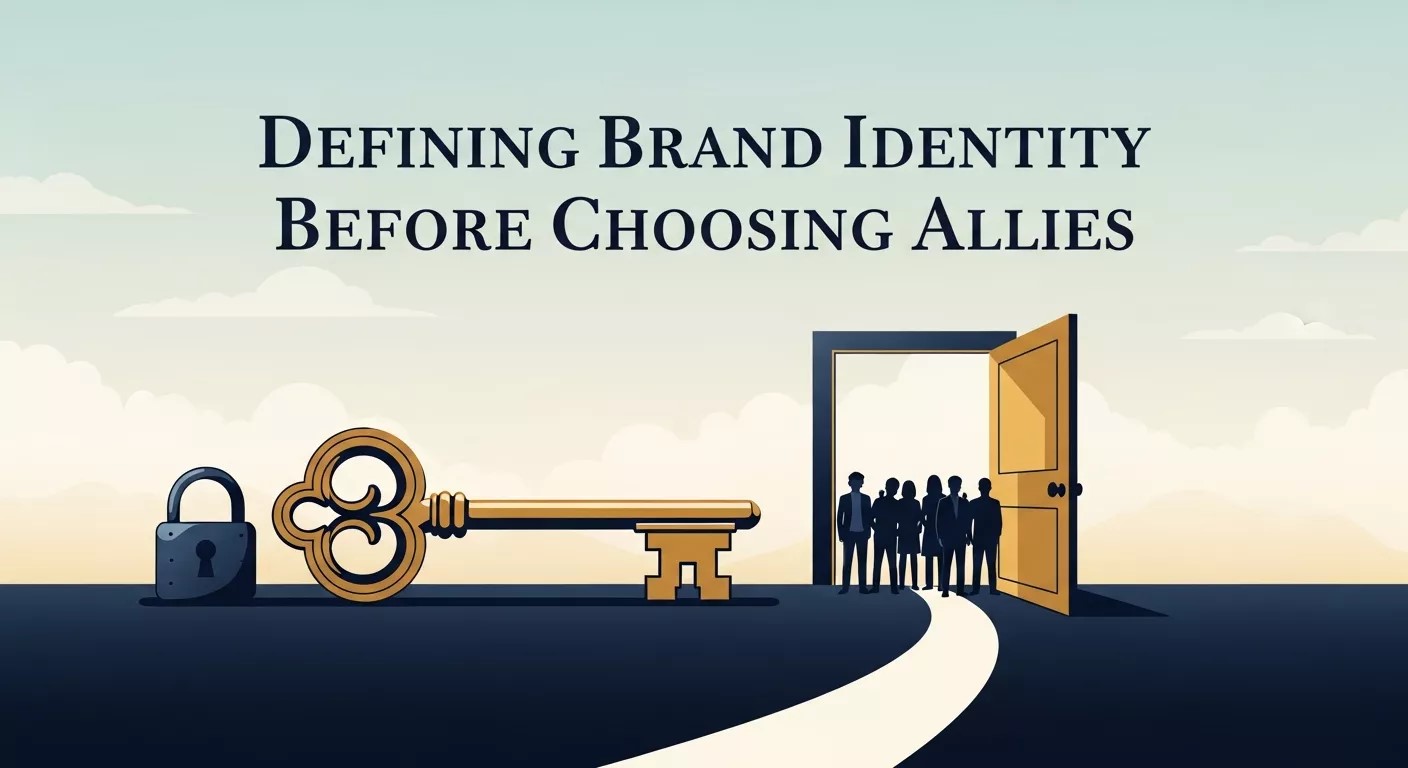
Before evaluating external partners, brands must first look inward. Self-awareness is the foundation of successful alliances. Without a clear understanding of identity, positioning, and purpose, even the most promising partnerships can create misalignment.
Brand identity encompasses more than visual elements. It includes mission, values, tone of voice, audience expectations, and the emotional promise delivered to customers. Strategic allies should reinforce these elements rather than compete with or contradict them.
Clarity at this stage also informs decision-making. When brands know who they are and where they are headed, it becomes easier to assess which partnerships will support that journey and which ones may distract from it.
Designing a Partnership Framework That Scales
Strategic partnerships should not be evaluated on a case-by-case basis alone. Brands benefit from developing a repeatable framework that guides partner selection, collaboration design, and performance evaluation.
This framework should outline goals, ideal partner attributes, collaboration models, and success metrics. Within this structure, brands can experiment creatively while maintaining strategic discipline. This is where How to Build a Winning Brand Partnership Strategy becomes operational rather than conceptual.
A scalable framework ensures consistency across partnerships and allows brands to learn, refine, and improve collaboration outcomes over time.
Differentiating Collaboration Models in the Modern Landscape

Not all partnerships serve the same purpose. Some are designed to build awareness, others to drive conversion, and others to support innovation or market entry. Understanding these distinctions helps brands select allies that align with specific objectives.
One common area of confusion lies in Influencer vs Brand Partnerships. While both can be effective, they serve fundamentally different strategic roles. Influencer collaborations often focus on reach, authenticity, and short-term engagement. Brand partnerships, on the other hand, emphasize shared equity, long-term value, and deeper integration.
Strategic growth often requires a balanced mix of both. However, brands seeking sustainable advantage should prioritize alliances that extend beyond individual personalities and build institutional value.
Audience Alignment and Expansion Potential
Access to new audiences is one of the most compelling reasons to pursue brand alliances. However, audience size alone is not a reliable indicator of partnership success. Relevance, trust, and behavioral alignment matter far more.
Effective partnerships balance audience overlap with expansion. Too little overlap and the collaboration feels irrelevant. Too much overlap and the incremental value diminishes. Strategic allies should share similar audience values while offering exposure to new segments or contexts.
Data plays a critical role here. Audience insights, engagement patterns, and customer personas help brands assess whether a partnership will resonate meaningfully. When done well, audience alignment transforms collaboration into mutual growth rather than shared exposure.
Global Perspective on Brand Collaboration

As digital platforms erase geographical boundaries, partnerships increasingly operate on a global scale. Global Brand Partnership Marketing enables brands to enter new markets with greater credibility and reduced risk by leveraging local trust and expertise.
Global partnerships require additional sensitivity to cultural nuance, regulatory environments, and regional consumer behavior. Alignment on values and messaging becomes even more critical when operating across borders.
Brands that succeed globally often do so through ecosystems of regional allies rather than a single universal partner. This approach balances consistency with localization and allows partnerships to adapt without losing strategic coherence.
Value Alignment as a Trust Multiplier
Consumers today evaluate brands not only on what they sell but on what they stand for. Partnerships amplify this scrutiny. When values align, collaboration feels authentic and trust deepens. When values clash, skepticism rises quickly.
Shared values influence messaging, campaign tone, and decision-making during challenges. They also reduce reputational risk, as each brand becomes partially accountable for the other’s actions.
Purpose-driven alignment is especially important in industries where sustainability, inclusion, or ethical practices are central to brand identity. Strategic allies should reinforce these commitments rather than undermine them.
Measuring the Financial Impact of Collaboration
While brand equity and trust are critical, partnerships must ultimately contribute to business performance. Understanding The ROI of Multi-Brand Collaboration Campaigns is essential for justifying investment and guiding future strategy.
ROI measurement goes beyond immediate sales. It includes brand lift, engagement quality, customer acquisition efficiency, lifetime value, and retention impact. Long-term partnerships often deliver compounded returns that are not visible in short-term metrics alone.
Clear KPIs, shared dashboards, and regular performance reviews help brands assess what is working and where optimization is needed. Data-driven evaluation turns collaboration into a strategic asset rather than a marketing experiment.
Complementary Capabilities and Shared Strengths

The most effective brand alliances are built on complementarity. Strategic allies bring different strengths that combine to create unique value. One brand may offer technology, another creative storytelling, and another distribution reach.
This division of strengths clarifies roles and reduces friction. It also enables partnerships to deliver outcomes that neither brand could achieve independently. Complementary capabilities are especially powerful in co-creation initiatives, where innovation depends on diverse expertise.
When evaluating potential allies, brands should look beyond surface-level alignment and assess what each party truly contributes.
Reputation, Consistency, and Market Perception
Brand reputation directly affects partnership outcomes. A collaboration is only as strong as its weakest link. Brands must assess potential allies for credibility, consistency, and public perception.
This includes analyzing customer feedback, media coverage, past partnerships, and crisis history. High reach without trust can introduce long-term risk. Strategic allies should enhance reputation, not create uncertainty.
Consistency matters as well. Brands with stable positioning and clear leadership are more reliable partners than those that frequently change direction or messaging.
Risk Management and Due Diligence
Every partnership carries risk. Strategic alliances require proactive risk assessment covering legal considerations, data security, operational reliability, and reputational exposure.
Clear agreements, transparent communication, and defined exit strategies protect both parties. Risk management is not about limiting collaboration but about enabling it with confidence and clarity.
Preparedness allows partnerships to adapt to change without damaging brand equity.
Long-Term Vision Over Short-Term Activation
The most impactful brand alliances are designed to evolve. While short-term campaigns can generate quick wins, sustainable growth comes from partnerships that deepen over time.
A long-term mindset encourages trust, experimentation, and shared learning. It also allows brands to expand collaboration scope as markets and opportunities change.
When selecting allies, brands should consider not only immediate fit but future potential. Scalability, flexibility, and shared ambition are key indicators of long-term success.
Adapting to a Changing Digital Advertising Landscape

Digital advertising is evolving rapidly, and partnerships are increasingly central to performance and differentiation. Partnership Marketing Trends Dominating Digital Ads reflect a shift toward authenticity, co-creation, and ecosystem-based growth.
Brands are moving beyond logo placement toward integrated storytelling, shared data insights, and collaborative innovation. Partnerships now influence everything from creative strategy to media efficiency.
Staying ahead of these trends requires agility and a willingness to rethink traditional collaboration models.
Collaboration as a Competitive Advantage
Strong brand alliances create moats that competitors struggle to cross. They embed brands within ecosystems of trust, relevance, and shared value. Over time, these relationships become strategic assets that support resilience and innovation.
Collaboration also accelerates learning. Brands gain exposure to new perspectives, technologies, and markets through their allies. This shared intelligence compounds over time and strengthens strategic decision-making.
Final Thoughts: Choosing Brand Allies with Intention
Selecting strategic brand allies is one of the most consequential decisions a brand can make. The right partnerships amplify growth, strengthen credibility, and unlock opportunities that extend far beyond individual campaigns.
By grounding decisions in identity, values, audience insight, and long-term vision and by understanding frameworks like How to Build a Winning Brand Partnership Strategy, Influencer vs Brand Partnerships, Global Brand Partnership Marketing, The Return On Investment (ROI) of Multi-Brand Collaboration Campaigns, and Partnership Marketing Trends Dominating Digital Ads brands can build alliances that are resilient, authentic, and performance-driven.
In a marketplace where collaboration increasingly defines success, strategic brand allies are not optional. They are essential.