Home Blog Page 6

Sponsorship Marketing Guide: How Brands Drive Sustainable Growth

0
Sponsorship Marketing Guide: How Brands Drive Sustainable Growth

This Sponsorship Marketing Guide explains how brands use strategic partnerships to build credibility, engage targeted audiences, and drive sustainable growth through meaningful associations, experiential activations, and long-term value creation beyond traditional advertising.

Sponsorship Marketing Guide for Brands Growth

In today’s hyper-competitive digital economy, traditional advertising alone is no longer enough to build meaningful brand equity. Consumers are increasingly immune to intrusive ads, banner blindness is at an all-time high, and trust in direct brand messaging continues to decline. This is where sponsorship marketing emerges as a powerful, credibility-driven growth engine. This Sponsorship Marketing Guide is designed to help brands understand how sponsorships work, why they matter, and how to leverage them strategically for long-term growth.

Sponsorship marketing is no longer limited to placing logos on event banners or jerseys. It has evolved into a multi-dimensional brand partnership ecosystem that blends storytelling, experiential marketing, digital activation, community engagement, and data-driven decision-making. For brands seeking sustainable visibility, emotional connection, and measurable impact, a well-structured sponsorship strategy can outperform many conventional marketing channels.

This Sponsorship Marketing Guide for Brands explores the modern sponsorship landscape, its underlying psychology, execution frameworks, and emerging opportunities that forward-thinking brands are already capitalizing on.

Understanding Sponsorship Marketing in the Modern Context

Understanding Sponsorship Marketing in the Modern Context

At its core, sponsorship marketing is a strategic partnership where a brand provides financial or in-kind support to an entity such as an event, organization, influencer, athlete, or cause in exchange for brand exposure, association, and value creation. Unlike traditional advertising, sponsorship relies on borrowed equity. The brand taps into the trust, credibility, and emotional connection already established by the sponsored property.

In the modern marketing environment, sponsorships are not passive placements; they are immersive brand experiences. Brands now integrate sponsorships into content marketing, social media, PR campaigns, experiential activations, and performance analytics. This transformation reflects a broader Sponsorship Marketing Paradigm Shift, where success is measured not just by visibility, but by engagement, relevance, and long-term brand affinity.

Sponsorship marketing works because it aligns brands with moments that matter to people sports, entertainment, culture, education, innovation, and social impact. When executed correctly, it creates a win-win relationship for the brand, the sponsored entity, and the audience.

Why Brands Are Investing More in Sponsorship Marketing

Brands today operate in an attention economy where trust is scarce and consumer loyalty is fragile. Sponsorship marketing addresses several core challenges that modern marketers face.

First, it enhances brand credibility. Consumers are more likely to trust brands that support causes, communities, or platforms they already value. Second, sponsorship enables emotional storytelling. Rather than pushing product features, brands can embed themselves into meaningful narratives. Third, it offers access to highly targeted audiences, often more effectively than broad media buys.

Another key advantage highlighted in this Sponsorship Marketing Guide is brand differentiation. In saturated markets, sponsorships help brands stand out by associating with unique experiences or values. Whether it’s sponsoring a sustainability initiative, a tech conference, or a local sports league, sponsorships can signal what a brand stands for beyond its products.

The Psychology Behind Effective Sponsorship Marketing

Sponsorship marketing is deeply rooted in consumer psychology. One of its most powerful mechanisms is association transfer. Positive feelings toward the sponsored entity such as excitement, pride, inspiration, or trust are subconsciously transferred to the sponsoring brand.

Another critical factor is social proof. When respected organizations, popular events, or influential figures partner with a brand, it signals legitimacy and relevance. This is particularly effective in competitive industries where consumers struggle to differentiate between similar offerings.

Memory encoding also plays a role. Experiences create stronger memories than advertisements. When consumers interact with a brand during a sponsored event or campaign, the memory is anchored to a real-world experience, making recall more durable and impactful.

This Sponsorship Marketing Guide for Brands emphasizes that understanding these psychological triggers is essential for designing sponsorships that resonate and convert.

Types of Sponsorship Marketing Opportunities for Brands

Types of Sponsorship Marketing Opportunities for Brands

Sponsorship marketing spans a wide range of categories, each offering unique benefits depending on brand objectives.

Event Sponsorships

Event sponsorships remain one of the most popular formats. These include conferences, exhibitions, festivals, concerts, and trade shows. Events provide direct audience interaction, live engagement, and content creation opportunities. Brands can activate sponsorships through booths, workshops, branded experiences, and digital amplification.

Sports Sponsorships

Sports sponsorships deliver massive reach and emotional engagement. From global tournaments to grassroots leagues, sports sponsorships can build long-term brand loyalty. Brands often leverage athlete endorsements, team partnerships, and fan engagement initiatives to maximize impact.

Influencer and Creator Sponsorships

With the rise of the creator economy, influencer sponsorships have become a core component of modern sponsorship marketing. Brands collaborate with creators who align with their values and audience, enabling authentic product integration and storytelling.

Cause-Related Sponsorships

Purpose-driven sponsorships focus on social, environmental, or community causes. These partnerships help brands demonstrate corporate responsibility while building trust and goodwill among socially conscious consumers.

Educational and Innovation Sponsorships

Brands increasingly sponsor hackathons, research programs, startup accelerators, and educational platforms. These sponsorships position brands as thought leaders and innovators, especially in technology and B2B sectors.

Aligning Sponsorship Marketing with Brand Objectives

One of the most common mistakes brands make is entering sponsorships without clear objectives. Effective sponsorship marketing begins with alignment. Brands must define what they aim to achieve brand awareness, lead generation, customer engagement, reputation building, or market entry.

This Sponsorship Marketing Guide recommends mapping sponsorship opportunities against the brand’s broader marketing funnel. Top-of-funnel sponsorships focus on reach and awareness, while mid-funnel initiatives emphasize engagement and education. Bottom-of-funnel sponsorships can support conversions through exclusive offers, demos, or trials.

Strategic alignment also includes audience fit. A sponsorship is only effective if the sponsored audience matches the brand’s target market. Demographics, psychographics, values, and behaviors should all be considered before committing resources.

Designing High-Impact Sponsorship Activations

Sponsorship success does not come from visibility alone; it comes from activation. Activation refers to how a brand brings a sponsorship to life through creative, interactive, and value-driven experiences.

Modern sponsorship activations often include digital touchpoints such as social media campaigns, live streaming, AR experiences, QR-based interactions, and branded content. Offline activations may involve experiential zones, product sampling, workshops, or community initiatives.

A well-executed activation transforms sponsorship from a passive logo placement into a memorable brand moment. Some brands collaborate with specialized agencies or platforms like Tigris Sponsorship Marketing to design integrated sponsorship ecosystems that combine strategy, creativity, and performance measurement.

Measuring Sponsorship Marketing Performance

Measurement has historically been a challenge in sponsorship marketing, but advances in technology and analytics have significantly improved accountability. Brands now track sponsorship performance using both quantitative and qualitative metrics.

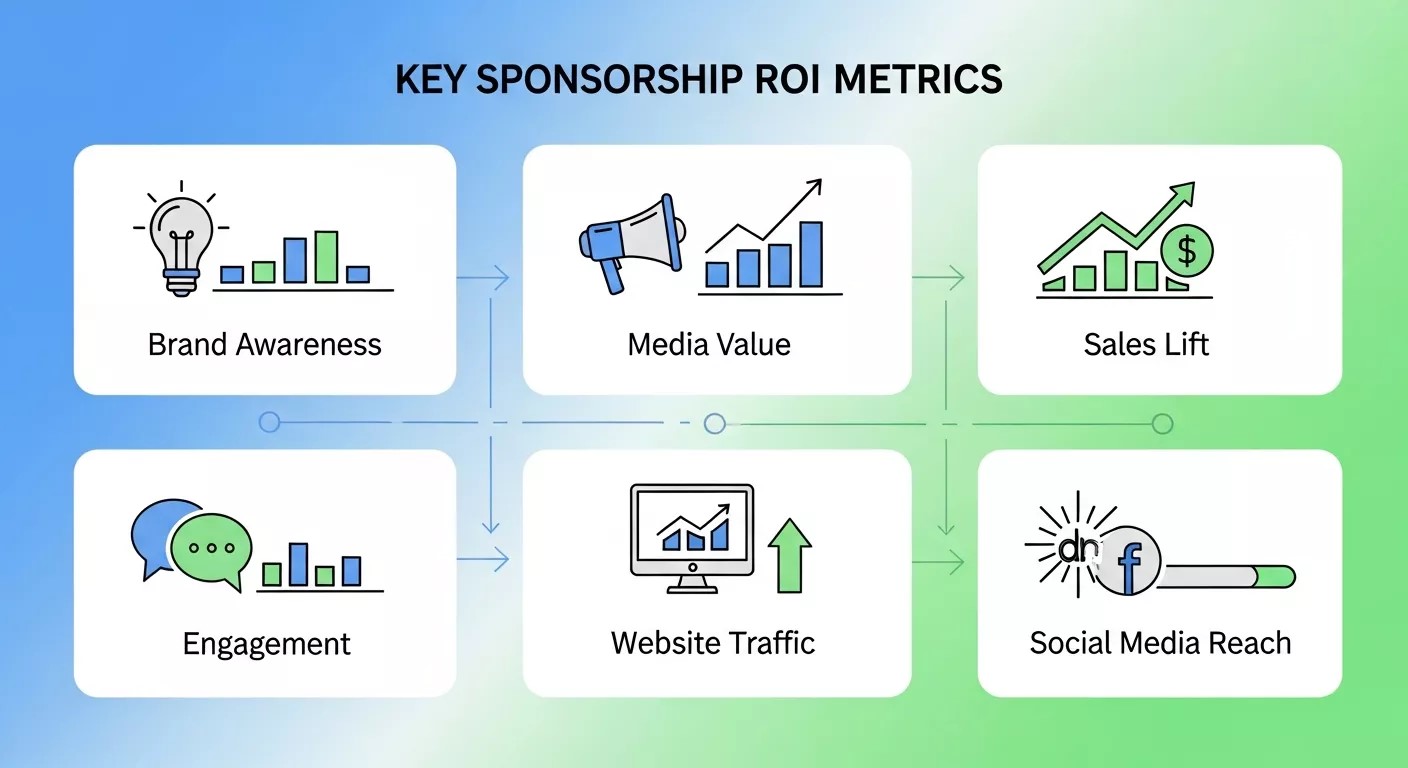
Key performance indicators may include reach, impressions, engagement rates, website traffic, lead generation, social sentiment, brand lift, and sales attribution. Surveys, sentiment analysis, and audience feedback also provide insights into perception changes and emotional impact.

This Sponsorship Marketing Guide for Brands stresses the importance of defining measurement frameworks before launching sponsorships. Clear benchmarks enable brands to optimize campaigns in real time and justify investment decisions to stakeholders.

Integrating Sponsorship Marketing with Digital Channels

Sponsorship marketing is most effective when integrated with digital marketing efforts. Social media amplification, content marketing, email campaigns, and paid media can significantly extend the lifespan and reach of sponsorships.

Brands often repurpose sponsored content into blogs, videos, podcasts, and social posts, ensuring consistent messaging across channels. User-generated content from events or campaigns further enhances authenticity and engagement.

Search visibility also plays a role. Optimized content around sponsorship initiatives can attract organic traffic from audiences seeking information about events, causes, or collaborations. This holistic approach strengthens both brand presence and SEO performance.

Strategic Frameworks for Long-Term Sponsorship Success

Strategic Frameworks for Long-Term Sponsorship Success

Sustainable sponsorship marketing requires a long-term mindset. One-off sponsorships may deliver short-term exposure, but long-term partnerships create deeper brand associations and trust.

Successful brands develop structured Sponsorship Marketing Strategies that evolve over time. These strategies include portfolio planning, relationship management, content integration, and continuous optimization. Long-term sponsorships also allow brands to co-create value with partners, leading to innovation and differentiation.

Risk management is another critical consideration. Brands must assess reputational risks, alignment risks, and execution challenges before entering partnerships. Transparent communication and contractual clarity help mitigate potential issues.

Emerging Trends Shaping the Future of Sponsorship Marketing

Sponsorship marketing continues to evolve as consumer behavior and technology change. Data-driven sponsorship selection, AI-powered audience insights, and immersive technologies like virtual events and augmented reality are redefining how brands engage audiences.

Another emerging trend is micro-sponsorships. Rather than investing heavily in a single large sponsorship, brands are diversifying their investments across multiple niche communities. This approach increases relevance and reduces dependency on any single partnership.

The rise of values-based marketing is also influencing sponsorship decisions. Consumers increasingly expect brands to support causes that align with their beliefs, making authenticity and transparency more important than ever.

Sponsorship Marketing as a Competitive Advantage

In a crowded marketplace, sponsorship marketing offers brands a unique opportunity to stand out through meaningful connections rather than intrusive messaging. When aligned with brand purpose, executed with creativity, and measured with rigor, sponsorships can drive awareness, trust, and growth simultaneously.

This Sponsorship Marketing Guide demonstrates that sponsorship marketing is not a standalone tactic, but a strategic pillar within the modern marketing mix. Brands that embrace this approach gain access to communities, emotions, and experiences that traditional advertising struggles to reach.

As sponsorship marketing continues to mature, brands that invest in strategic planning, authentic partnerships, and integrated activation will be best positioned to capture long-term value and competitive advantage in an increasingly experience-driven economy.

Common Mistakes Brands Make in Sponsorship Marketing

Even with a well-written Sponsorship Marketing Guide, many brands fail to extract real value from sponsorship investments due to avoidable strategic mistakes. One of the most common errors is focusing solely on visibility rather than relevance. A logo placed in front of thousands of people means little if the audience does not align with the brand’s target customer profile.

Another frequent mistake is lack of activation planning. Brands often invest heavily in sponsorship rights but underinvest in activation, resulting in low engagement and weak recall. Sponsorship without activation becomes passive advertising, which limits emotional impact and long-term value.

Brands also underestimate the importance of internal alignment. When sponsorship initiatives are disconnected from sales, digital marketing, or PR teams, opportunities for amplification and conversion are lost. This Sponsorship Marketing Guide for Brands highlights that cross-functional collaboration is essential to maximize sponsorship ROI.

Finally, many brands fail to measure outcomes properly. Without clear KPIs, benchmarks, and post-campaign analysis, sponsorship decisions become subjective rather than data-driven, making it difficult to scale successful partnerships or eliminate underperforming ones.

How Sponsorship Marketing Supports Long-Term Brand Equity

How Sponsorship Marketing Supports Long-Term Brand Equity

Beyond short-term visibility and campaign-level metrics, sponsorship marketing plays a critical role in building long-term brand equity. Brand equity is shaped by trust, consistency, emotional connection, and perceived value all areas where sponsorship marketing excels.

Through repeated exposure in meaningful contexts, sponsorships reinforce brand associations over time. When a brand consistently supports relevant events, communities, or causes, it becomes embedded in the audience’s mental framework. This cumulative effect strengthens brand recall and preference, even when consumers are not actively in the buying phase.

This is why many leading brands treat sponsorship marketing as a long-term investment rather than a tactical expense. A strategic Sponsorship Marketing Guide emphasizes patience and continuity, showing how sustained partnerships can create defensible brand positioning that competitors struggle to replicate.

In an era where consumers value authenticity and purpose, sponsorship marketing enables brands to demonstrate commitment, not just communication. Over time, this translates into stronger loyalty, advocacy, and resilience against market fluctuations.

Conclusion

Sponsorship marketing has evolved into a strategic growth channel that goes far beyond brand visibility. When aligned with clear objectives, relevant audiences, and thoughtful activation, sponsorships help brands build trust, emotional connection, and long-term equity. A well-structured Sponsorship Marketing Guide empowers brands to move from passive exposure to meaningful partnerships that drive sustainable business growth.

FAQ: Sponsorship Marketing Guide

What is sponsorship marketing?

Sponsorship marketing is a strategic partnership where a brand supports an event, organization, individual, or cause in exchange for brand exposure, credibility, and audience engagement through meaningful association.

Why is sponsorship marketing important for brand growth?

Sponsorship marketing helps brands build trust, emotional connection, and long-term brand equity by aligning with experiences and communities that audiences already value.

How is sponsorship marketing different from traditional advertising?

Unlike traditional ads, sponsorship marketing focuses on association and experience rather than interruption, making it more authentic, engaging, and trust-driven.

What types of brands benefit most from sponsorship marketing?

Both B2C and B2B brands benefit, especially those seeking awareness, credibility, market entry, or emotional brand positioning within specific audiences or industries.

How do brands measure sponsorship marketing success?

Success is measured using metrics such as brand awareness, engagement, audience sentiment, lead generation, content performance, and long-term brand lift rather than clicks alone.

Is sponsorship marketing suitable for small and mid-sized brands?

Yes, smaller brands can leverage niche events, local communities, and micro-sponsorships to achieve high relevance and strong ROI without large budgets.

What Does a Sponsorship Marketing Manager at Toyota Make?

0
Toyota Sponsorship Marketing

Are you curious about building a career in Toyota Sponsorship Marketing? Securing a role managing global brand partnerships requires immense skill, strategic vision, and passion.

This guide breaks down everything you need to know about the role, from daily responsibilities and career growth to the precise compensation packages. You will learn about key skills, common industry mistakes, and the exact salary range a manager in Toyota Sponsorship Marketing can expect to earn.

Understanding Toyota Sponsorship Marketing

Understanding Toyota Sponsorship Marketing

Toyota Sponsorship Marketing represents one of the most dynamic and well-funded sectors in the global automotive industry. As a worldwide brand with massive consumer awareness, Toyota leverages high-profile sponsorships to connect with diverse audiences, showcase technological innovations, and promote sustainable mobility solutions.

When you look at the landscape of global advertising, Toyota stands out. They do not just place logos on banners; they integrate their brand into the fabric of major events. Sponsoring global events allows the company to demonstrate its commitment to human achievement, resilience, and international unity. For professionals working in Toyota Sponsorship Marketing, the goal is always to maximize return on objective (ROO) while building long-lasting relationships with consumers.

The strategy relies heavily on experiential marketing. Managers must evaluate incoming proposals, align them with corporate objectives, and activate campaigns that resonate with local and global markets. This approach ensures that every dollar spent on Toyota Sponsorship Marketing drives tangible value, whether through increased vehicle sales, enhanced brand loyalty, or improved public perception regarding their environmental initiatives.

The Role of a Sponsorship Marketing Manager at Toyota

Working as a manager in Toyota Sponsorship Marketing requires a unique blend of analytical thinking and creative execution. You are not just buying advertising space; you are crafting a narrative.

Core Responsibilities

The daily life of a manager in Toyota Sponsorship Marketing involves collaborating with multiple stakeholders, including advertising agencies, event organizers, and internal corporate teams. Key duties include:

  • Evaluating sponsorship proposals using advanced metrics and tools.
  • Negotiating multi-million dollar contracts with sports teams, athletes, and event organizers.
  • Overseeing the activation of global events, ensuring brand consistency.
  • Managing budgets and tracking the return on investment (ROI) for all active partnerships.
  • Collaborating with the Corporate Brand Management team to align sponsorships with broader business goals.

Toyota Sponsorship Marketing also requires a deep understanding of audience intelligence. You must know exactly who is watching an event and how they feel about the brand. This data-driven approach allows Toyota to tailor its messaging, ensuring maximum impact.

Essential Skills for Success

To thrive in Toyota Sponsorship Marketing, you need more than just a marketing degree. The most successful managers possess a specific skill set:

  • Negotiation: You must secure the best possible terms for the brand.
  • Data Analysis: Understanding metrics, audience demographics, and performance tracking is critical.
  • Project Management: Handling multiple large-scale activations simultaneously requires extreme organization.
  • Relationship Building: Fostering strong connections with agency partners and property rights holders.
  • Strategic Vision: Seeing the long-term potential of a partnership rather than just the immediate benefits.

Professionals in Toyota Sponsorship Marketing often have backgrounds in sports management, advertising, or corporate communications. The ability to pivot quickly and adapt to changing market conditions is also a massive advantage.

Salary Breakdown of a Toyota Marketing Manager

The salary for a Toyota sponsorship marketing manager can vary based on factors like tenure, location, and even the scale of the partnerships they handle. However, general trends and estimates offer valuable insights.

Average Base Salary

According to data sourced from salary-reporting platforms like Glassdoor and Payscale, the typical annual base salary for sponsorship marketing managers ranges from $90,000 to $125,000 per year. It’s worth noting that Toyota often provides competitive compensation packages that reflect its global presence and reputation as an industry leader.

Performance Bonuses

Performance bonuses or incentives form a significant chunk of the compensation. Managers driving exceptional results from sponsorship strategies or bringing in significant ROI can earn bonuses ranging between $10,000 and $25,000, depending on their contracts.

Regional Variations

United States
Cities like Los Angeles, Dallas, and New York offer some of the highest salaries, often exceeding $130,000 due to the high cost of living and demand for top-tier marketing professionals in these areas.

Europe
Salaries for sponsorship managers in Europe vary widely. The UK pays between £60,000 and £80,000, whereas Germany offers competitive salaries closer to €100,000.

Asia-Pacific
Toyota’s operations in Japan and key Asia-Pacific locations yield strong compensation packages typically aligned with the regional cost of living and demand.

Additional Perks and Benefits

Toyota offers more than just base salary and bonuses in its compensation package for sponsorship managers. Here are some of the common perks:

  • Comprehensive health insurance plans
  • Retirement and 401(k) contributions
  • Paid parental leave
  • Employee discounts on Toyota vehicles
  • Relocation benefits for some international positions
  • Career advancement programs and global networking opportunities

Skills That Impact Earning Potential

Skills That Impact Earning Potential

Skilled professionals often command higher salaries, and the sponsorship marketing field is no exception. Here are a few specific skills and qualifications that can enhance earning potential for those pursuing this career at Toyota:

Strong Analytical Skills

Analysing data and understanding sponsorship performance metrics can lead to improved strategies, directly impacting ROI.

Team Leadership and Communication

Effective management of cross-functional teams and excellent communication skills often pave the way for promotions and salary increases.

Negotiation Expertise

Experience in closing deals with high-profile sponsors ensures a competitive edge and might also result in higher commissions or bonuses.

Educational Background

A bachelor’s or master’s degree in marketing, business administration, or a related field can make candidates more appealing, although Toyota values experience just as much.

Career Growth Opportunities at Toyota

Toyota offers a dynamic environment for sponsorship marketing managers to grow their careers. The company’s global presence and commitment to innovation provide numerous avenues for professional development.

Key Growth Opportunities:

  • Global Exposure: Work on international campaigns like the Olympics or FIFA sponsorships.
  • Leadership Development: Access to Toyota’s career advancement programs and mentorship opportunities.
  • Skill Enhancement: Training in analytics, negotiation, and stakeholder management.
  • Cross-Functional Collaboration: Collaborate with diverse teams across finance, legal, and creative departments.
Growth Area Details
Global Campaigns Opportunities to manage high-profile sponsorships worldwide.
Leadership Development Programs designed to enhance leadership and strategic thinking skills.
Skill Training Workshops and tools for analytics, negotiation, and performance metrics.
Networking Opportunities Build connections with industry leaders and stakeholders.

The Strategic Importance of Toyota Sponsorship Marketing in a Digital Era

In today’s hyper-connected world, sponsorship marketing has evolved far beyond logo placements and event banners. For a global brand like Toyota, sponsorship marketing is a strategic engine that drives emotional engagement, digital storytelling, and long-term brand equity. The concept of Toyota Sponsorship Marketing now intersects with data analytics, audience targeting, and immersive brand experiences that extend across both physical and digital platforms.

The shift from traditional sponsorships to integrated campaigns has redefined how brands measure success. It’s no longer just about visibility—it’s about interaction, engagement, and conversion. Toyota leverages sponsorships to create narratives that resonate with audiences, whether through sports, sustainability initiatives, or innovation-driven collaborations. These campaigns often combine live events with social media amplification, influencer partnerships, and digital activations that ensure the brand remains top-of-mind.

Understanding the difference between sponsorship-vs-collaboration is crucial in this context. While sponsorships focus on financial or resource support in exchange for brand exposure, collaborations involve deeper partnerships where both entities co-create value. Toyota effectively blends these approaches, ensuring that each partnership feels authentic and mutually beneficial rather than purely transactional.

How Thrive Marketing Partnerships Drive Toyota’s Global Presence

One of the defining aspects of Toyota Sponsorship Marketing is its ability to build and sustain thrive marketing partnerships that go beyond short-term gains. These partnerships are carefully curated to align with Toyota’s core values of innovation, sustainability, and community engagement.

Toyota’s long-standing involvement in global sporting events is a prime example. These partnerships are not just about brand placement but about creating meaningful connections with audiences. By associating with events that promote excellence, teamwork, and perseverance, Toyota reinforces its brand identity in a way that resonates emotionally with consumers.

These thrive-marketing-partnerships also extend into environmental and social initiatives. Toyota often collaborates with organizations focused on clean energy, mobility solutions, and community development. This approach not only enhances brand reputation but also positions Toyota as a forward-thinking company committed to making a positive impact on society.

From a marketing manager’s perspective, managing such partnerships requires a deep understanding of brand alignment, audience psychology, and long-term strategic planning. The ability to nurture relationships and deliver consistent value is what transforms a simple sponsorship into a thriving partnership.

The Key Role of Partnership Marketing in Toyota’s Campaign Success

The partnership-marketing-key-role in Toyota’s overall strategy cannot be overstated. Sponsorship marketing managers are at the heart of this ecosystem, ensuring that every partnership contributes meaningfully to the brand’s objectives.

Partnership marketing involves identifying the right opportunities, negotiating terms, and executing campaigns that deliver measurable results. For Toyota, this means selecting partners that reflect its values and have the potential to amplify its message across diverse audiences.

The integration of partnership marketing into broader campaigns allows Toyota to maximize its reach and impact. For instance, a sponsorship deal with a major sporting event can be extended into digital campaigns, social media engagement, and experiential marketing initiatives. This multi-channel approach ensures that the partnership delivers value across multiple touchpoints.

Moreover, partnership marketing enables Toyota to tap into new markets and demographics. By collaborating with local organizations and influencers, the brand can tailor its messaging to resonate with specific audiences while maintaining its global identity. This balance between global consistency and local relevance is a key factor in Toyota’s marketing success.

Crafting High-Impact Partnership Marketing Campaigns

Creating a successful partnership-marketing-campaign requires a blend of creativity, strategy, and execution. At Toyota, these campaigns are designed to tell compelling stories that connect with audiences on a deeper level.

A well-executed partnership marketing campaign begins with a clear objective. Whether the goal is to increase brand awareness, drive sales, or enhance customer loyalty, every aspect of the campaign is aligned with this objective. Sponsorship marketing managers play a crucial role in defining these goals and ensuring that they are achieved through strategic planning and execution.

Storytelling is a central element of these campaigns. Toyota uses its partnerships to create narratives that highlight its commitment to innovation, reliability, and sustainability. These stories are then brought to life through various channels, including digital media, live events, and experiential activations.

Another important aspect of partnership marketing campaigns is measurement and optimization. Toyota relies on data-driven insights to evaluate the performance of its campaigns and identify areas for improvement. Metrics such as audience engagement, brand sentiment, and return on investment are carefully analyzed to ensure that each campaign delivers maximum value.

Future Trends in Toyota Sponsorship Marketing

As the marketing landscape continues to evolve, Toyota Sponsorship Marketing is poised to embrace new trends and technologies that will shape the future of the industry. One of the most significant trends is the increasing use of digital and virtual platforms to enhance sponsorship experiences.

Virtual events, augmented reality, and interactive content are becoming integral components of modern sponsorship campaigns. Toyota is likely to invest in these technologies to create immersive experiences that engage audiences in new and exciting ways. These innovations not only enhance brand visibility but also provide valuable data that can be used to refine future campaigns.

Another emerging trend is the focus on sustainability and social responsibility. Consumers are increasingly drawn to brands that demonstrate a commitment to making a positive impact. Toyota’s emphasis on eco-friendly initiatives and community engagement positions it well to capitalize on this trend.

The rise of influencer marketing and content creators also presents new opportunities for Toyota Sponsorship Marketing. By partnering with influencers who align with its brand values, Toyota can reach highly targeted audiences and create authentic connections that drive engagement and loyalty.

Ultimately, the future of Toyota Sponsorship Marketing will be defined by its ability to adapt to changing consumer preferences and technological advancements. Sponsorship marketing managers will play a critical role in navigating this dynamic landscape, ensuring that Toyota remains at the forefront of innovation and continues to build meaningful connections with its audience.

How Toyota Prioritizes Sponsorship Marketing Managers

Toyota has consistently been a leader in making impactful partnerships that resonate with its audience. From sponsoring major sports events like the Olympics to supporting sustainability initiatives, the brand’s investment in sponsorship reflects its commitment to innovation and societal engagement.

Challenges and Rewards of the Role

While the role of a sponsorship marketing manager at Toyota is rewarding, it comes with its own set of challenges. Understanding these can help candidates prepare for success.

Challenges:

  • High Expectations: Delivering measurable ROI from sponsorships.
  • Complex Negotiations: Managing high-stakes deals with major stakeholders.
  • Budget Management: Allocating large budgets effectively across campaigns.

Rewards:

  • Impactful Work: Shape Toyota’s brand image on a global scale.
  • Competitive Compensation: Enjoy a lucrative salary and performance bonuses.
  • Personal Growth: Develop skills in leadership, analytics, and stakeholder management.

Why This Role Matters at Toyota

Sponsorship marketing managers aren’t just coordinators. They are brand storytellers who ensure Toyota becomes synonymous with innovation, reliability, and broader cultural moments. Toyota’s success in this area fuels its ongoing commitment to attracting the best talent with competitive salaries and benefits.

Thinking About Pursuing This Career Path?

If you’re considering a career as a sponsorship marketing manager at Toyota, this role offers a unique mix of creativity, strategy, and impact. It’s not merely about earning a competitive salary; it’s about working with a brand that aligns with meaningful causes and dynamic partnerships.

To break into a role like this, focus on:

  • Gaining experience in fields like sports marketing or event sponsorship
  • Building expertise in negotiation and stakeholder management
  • Familiarizing yourself with analytics tools and sponsorship performance metrics

Landing this role at Toyota is not just a paycheck; it’s a platform to push boundaries and redefine marketing possibilities.

Frequently Asked Questions

1. What does a sponsorship marketing manager at Toyota do?

They build strategic partnerships, manage sponsorship deals, oversee budgets, and collaborate with teams to enhance Toyota’s brand visibility and achieve business goals.

2. What is the average salary for this role?

The average base salary ranges from $90,000 to $125,000 annually, with performance bonuses adding $10,000 to $25,000.

3. What skills are essential for this role?

Key skills include analytical expertise, negotiation, team leadership, and strong communication abilities.

4. Does Toyota offer bonuses for this role?

Yes, performance bonuses are common and can range between $10,000 and $25,000 based on results.

5. Are there regional salary differences?

Yes, salaries vary by location. For example, U.S. cities like Los Angeles and New York offer higher salaries, often exceeding $130,000.

6. What educational background is preferred?

A bachelor’s or master’s degree in marketing, business administration, or a related field is preferred, though experience is highly valued.

7. What perks does Toyota offer for this role?

Perks include health insurance, retirement plans, paid parental leave, employee discounts, and relocation benefits.

8. How does Toyota prioritize sponsorship marketing?

Toyota invests heavily in impactful partnerships, reflecting its commitment to innovation and societal engagement.

9. What industries provide relevant experience for this role?

Experience in sports marketing, event sponsorship, or stakeholder management is highly relevant.

10. Why is this role important at Toyota?

Sponsorship marketing managers are brand storytellers who align Toyota with cultural moments, innovation, and reliability.

How Sponsorship Linked Marketing Works: Opening the Black Box

0
How Sponsorship Linked Marketing Works: Opening the Black Box

Sponsorship Linked Marketing helps brands build trust, relevance, and long-term influence by integrating sponsorship with audience psychology, content, and measurable outcomes moving beyond visibility to create meaningful, relationship-driven brand growth in today’s attention economy.

Why Sponsorship Linked Marketing Is Redefining Brand Influence

Why Sponsorship Linked Marketing Is Redefining Brand Influence

Digital-first consumer behavior, fragmented media attention, and declining trust in traditional advertising have forced brands to rethink how they create real influence. In this environment, surface-level impressions no longer drive growth. Brands now need credibility, relevance, and emotional alignment. This is where Sponsorship Linked Marketing has evolved into one of the most powerful, yet often misunderstood, growth mechanisms.

Unlike conventional sponsorships that stop at logo placement or visibility, Sponsorship Linked Marketing connects brand purpose, audience psychology, and long-term value creation. It doesn’t just “support” events, creators, or causes—it strategically links sponsorship assets with measurable marketing outcomes.

This article opens the black box of how Sponsorship Linked Marketing actually works, why it performs differently from traditional sponsorship models, and how brands can use it to influence trust, loyalty, and decision-making in today’s attention economy.

Understanding Sponsorship Linked Marketing in the Modern Marketing Ecosystem

To understand Sponsorship Linked Marketing, we must first accept one reality: audiences today don’t separate “marketing” from “experience.” They judge brands based on alignment, authenticity, and contribution. Sponsorship Linked Marketing exists at this intersection.

At its core, Sponsorship Linked Marketing is a strategic framework where sponsorship investments are directly integrated with marketing objectives—brand positioning, audience engagement, lead generation, and long-term relationship building. Instead of asking, “Where should our logo appear?” brands ask, “How does this sponsorship move our audience closer to trust and action?”

This shift turns sponsorship from a cost center into a value-creation engine. It also explains why brands that apply Sponsorship Linked Marketing correctly see compounding returns rather than short-term exposure spikes.

What Is Sponsorship In Marketing? A Foundational Perspective

Before diving deeper, it’s important to ground the discussion by answering a common but often oversimplified question: What Is Sponsorship In Marketing?

Traditionally, sponsorship in marketing refers to a brand financially or materially supporting an event, organization, individual, or platform in exchange for exposure. This exposure could include logo placement, mentions, access, or association with a specific audience.

However, this definition is no longer sufficient. Modern Sponsorship Linked Marketing expands this idea by embedding sponsorship into storytelling, content, digital touchpoints, data capture, and post-event engagement. The sponsorship becomes part of the marketing narrative rather than a side element.

This evolution reflects how audiences now consume brand messages not as interruptions, but as contextual experiences.

The Psychological Engine Behind Sponsorship Linked Marketing

The Psychological Engine Behind Sponsorship Linked Marketing

One of the biggest reasons Sponsorship Linked Marketing works is psychology. Humans are wired to trust associations more than claims. When a brand aligns itself with something an audience already values sports, culture, education, sustainability, creators, or communities it borrows emotional credibility.

Sponsorship Linked Marketing leverages:

  • Social proof: “If this brand supports what I care about, it must understand me.”
  • Contextual trust: Messages delivered within meaningful environments feel less intrusive.
  • Identity alignment: Consumers prefer brands that reflect their beliefs and lifestyle.

This psychological layering is why Sponsorship Linked Marketing outperforms traditional ads in recall, favorability, and long-term brand equity.

From Visibility to Value: The Structural Shift in Sponsorship

For decades, sponsorship success was measured by visibility logos, banners, mentions, reach. But visibility without meaning no longer works. Audiences scroll past logos; they engage with relevance.

This transformation is often described as What is the Sponsorship Marketing Paradigm Shift a movement from passive exposure to active value creation. Sponsorship Linked Marketing sits at the center of this shift.

Instead of asking how many people saw the sponsorship, brands now ask:

  • Did the sponsorship spark conversation?
  • Did it create useful or inspiring content?
  • Did it strengthen brand perception?
  • Did it move audiences toward action?

By answering these questions, Sponsorship Linked Marketing reframes success around influence rather than impressions.

How Sponsorship Linked Marketing Integrates with the Funnel

One misconception is that sponsorship only supports top-of-funnel awareness. In reality, Sponsorship Linked Marketing can influence every stage of the customer journey.

At the awareness stage, sponsorship builds familiarity in trusted environments. At the consideration stage, branded content, collaborations, and experiences provide deeper brand understanding. At the conversion stage, exclusive access, offers, or community validation reduce friction. Post-purchase, sponsorship-driven communities reinforce loyalty.

This is why advanced brands treat Sponsorship Linked Marketing as a full-funnel strategy rather than a branding add-on.

Sponsorship Linked Marketing and Content Ecosystems

Content is the connective tissue that unlocks the real power of Sponsorship Linked Marketing. Without content activation, sponsorship remains static. With content, it becomes scalable and measurable.

Modern sponsorship activations often include:

  • Co-created video and storytelling assets
  • Behind-the-scenes content
  • Educational formats like workshops or panels
  • Interactive digital experiences
  • Creator-led narratives

These assets extend the life of the sponsorship far beyond the event or partnership window. They also allow Sponsorship Linked Marketing to perform across platforms social media, owned media, email, and performance channels.

Data, Measurement, and the Black Box Problem

One reason many brands hesitate to invest deeply in sponsorship is measurement uncertainty. Sponsorship Linked Marketing solves this by connecting sponsorship assets to measurable KPIs.

Advanced brands track:

  • Engagement quality, not just reach
  • Brand lift and sentiment change
  • Lead behavior post-exposure
  • Community growth and retention
  • Long-term brand search demand

By integrating sponsorship data with CRM, analytics, and attribution models, Sponsorship Linked Marketing becomes transparent and accountable. The “black box” opens when sponsorship is treated as a system, not a standalone tactic.

Strategic Alignment and Sponsorship Marketing Strategies

Strategic Alignment and Sponsorship Marketing Strategies

Sponsorship fails when it’s disconnected from brand strategy. It succeeds when alignment is intentional. This is where Sponsorship Marketing Strategies play a crucial role.

Effective Sponsorship Linked Marketing strategies begin with clarity:

  • Who is the audience we want to influence?
  • What values matter to them?
  • What platforms or communities already have their trust?
  • How does our brand authentically fit into that space?

When these questions guide sponsorship selection and activation, the result is coherence something audiences instantly recognize and reward.

Relationship Building as a Core Outcome

Beyond awareness and conversion, one of the most undervalued outcomes of Sponsorship Linked Marketing is relationship depth. Brands don’t just gain attention; they gain access.

Through ongoing sponsorships, brands can build long-term partnerships with communities, creators, and platforms. These relationships compound value over time, creating defensibility that competitors can’t easily replicate.

This is closely connected to How Sponsorships Enhance Relationship Marketing, where trust is built through repeated, meaningful engagement rather than one-off campaigns. Sponsorship Linked Marketing transforms brands from advertisers into participants.

The Role of Culture, Timing, and Relevance

Cultural relevance is a hidden multiplier in Sponsorship Linked Marketing. Sponsorships that align with emerging trends, social conversations, or generational shifts perform disproportionately better.

Timing matters. Supporting a movement early, investing in a growing community, or partnering with creators before they peak creates authenticity that late-stage sponsorships can’t buy.

This cultural intelligence separates surface-level sponsorship from truly strategic Sponsorship Linked Marketing.

Sponsorship Linked Marketing in the Age of Creator Economy

The rise of the creator economy has dramatically expanded sponsorship opportunities. But it has also raised expectations. Audiences can immediately sense inauthentic brand-creator partnerships.

Sponsorship Linked Marketing works best when brands give creators creative freedom while aligning on shared values. The brand becomes an enabler, not a controller.

This dynamic produces content that feels organic, drives engagement, and strengthens brand perception all without traditional ad resistance.

Why Sponsorship Linked Marketing Is a Long-Term Growth Asset

Unlike performance ads that stop working when budgets stop, Sponsorship Linked Marketing builds durable brand assets trust, association, and memory. These assets continue influencing consumer behavior long after the campaign ends.

Brands that invest consistently in Sponsorship Linked Marketing often see:

  • Lower cost of acquisition over time
  • Higher brand preference in competitive markets
  • Stronger community advocacy
  • Increased resilience during market downturns

This long-term impact is why sponsorship, when linked correctly, is no longer optional it’s strategic.

Opening the Black Box Fully

When brands treat sponsorship as a system integrated with content, data, psychology, and relationships the mystery disappears. Sponsorship Linked Marketing becomes predictable, scalable, and powerful.

It’s not about spending more. It’s about linking every sponsorship decision to human intent, cultural relevance, and measurable outcomes. That is how the black box opens and how modern brands win.

Sponsorship Linked Marketing and Brand Meaning Creation

Sponsorship Linked Marketing and Brand Meaning Creation

Modern consumers don’t buy products; they buy meaning. In saturated markets where functional differentiation is minimal, brands win by occupying psychological and cultural space. Sponsorship-driven models play a crucial role in this process because they allow brands to attach themselves to meaning that already exists.

When a brand sponsors an initiative, event, or community that people care about, it becomes part of a shared story. This story shapes perception over time. Rather than communicating “what we sell,” the brand communicates “what we stand for.” This distinction is subtle but powerful.

Sponsorship Linked Marketing enables brands to embed themselves within narratives of progress, creativity, resilience, or belonging. These narratives are far more memorable than product features. Over time, they influence preference without requiring constant reinforcement.

Risk, Authenticity, and the Cost of Misaligned Sponsorships

While sponsorship offers enormous upside, it also carries reputational risk. Audiences today are highly sensitive to inauthentic participation. A misaligned sponsorship can damage trust faster than a failed ad campaign.

The risk does not come from sponsorship itself, but from poor intent signaling. When audiences perceive that a brand is exploiting a cause, trend, or community without genuine commitment, backlash follows. This is why strategic evaluation is essential.

Successful sponsorship-driven marketing requires brands to ask hard questions:

  • Does this partnership reflect our values?
  • Are we willing to support this space long-term?
  • Would this sponsorship still make sense without media exposure?

When brands pass these tests, authenticity becomes self-evident. When they don’t, sponsorship quickly turns into a liability.

Internal Brand Alignment and Organizational Readiness

One overlooked factor in sponsorship effectiveness is internal alignment. Sponsorship does not exist in isolation it intersects with brand strategy, content teams, sales enablement, PR, and customer experience.

If internal stakeholders don’t understand why a sponsorship exists, its value erodes. Disconnected execution leads to fragmented messaging and missed opportunities. On the other hand, when teams share a unified understanding, sponsorship becomes a multiplier across departments.

Sponsorship Linked Marketing works best when organizations treat sponsorship as a strategic asset rather than a tactical decision. This requires internal education, cross-functional collaboration, and clear success frameworks.

Sponsorship as a Signal in Competitive Markets

In crowded categories, consumers often rely on signals rather than analysis to make decisions. Sponsorship acts as one of these signals.

When a brand consistently appears in credible, relevant environments, it signals legitimacy, scale, and commitment. This signaling effect is especially powerful in emerging industries or high-consideration categories where trust is critical.

Over time, repeated sponsorship presence shapes category perception. The brand becomes associated not just with a product, but with leadership within a space. Competitors may copy messaging, but they cannot easily replicate years of consistent sponsorship signaling.

The Compounding Effect of Long-Term Sponsorship Systems

Short-term sponsorships deliver limited returns. Long-term sponsorship systems, however, create compounding value.

As partnerships mature, audiences recognize continuity. Familiarity increases. Trust deepens. Content quality improves. Access expands. Each cycle builds on the last, reducing the need for aggressive persuasion.

This compounding effect is one of the most underappreciated advantages of Sponsorship Linked Marketing. While results may appear slower at the beginning, long-term systems outperform burst campaigns by a significant margin.

Brands that understand this dynamic stop asking, “What do we get this quarter?” and start asking, “What are we building over time?”

Sponsorship Linked Marketing as a Strategic Moat

In the long run, the greatest value of sponsorship is defensibility. When a brand becomes deeply integrated into communities, platforms, or cultural spaces, it creates a moat competitors cannot cross easily.

These relationships are built on trust, history, and shared success. They cannot be bought overnight. This makes sponsorship-driven ecosystems one of the few sustainable advantages left in modern marketing.

Sponsorship Linked Marketing, when executed with discipline and intent, evolves from a promotional tool into a strategic moat protecting brand relevance in an increasingly noisy world.

Sponsorship Linked Marketing and the Rise of NFT Marketing

As digital ownership reshapes how people assign value online, NFT marketing has emerged as a powerful extension of sponsorship-driven brand engagement. NFTs are no longer limited to speculative assets; they have evolved into tools for access, identity, and community participation. This evolution creates a natural intersection with sponsorship-based marketing models.

In the context of Sponsorship Linked Marketing, NFTs function as activation layers rather than standalone campaigns. Brands are increasingly using NFTs to deepen sponsored experiences—offering exclusive digital assets, gated access, or proof-of-participation tied to events, creators, or communities they support. Instead of passively sponsoring attention, brands enable ownership-driven engagement.

NFT marketing enhances sponsorship by transforming audiences into stakeholders. When consumers receive a digital collectible tied to a sponsored event or partnership, the relationship shifts. The brand is no longer just associated with the experience—it becomes embedded within it. This sense of ownership strengthens emotional attachment and extends the lifespan of sponsorship beyond physical or time-bound activations.

From a psychological perspective, NFTs amplify scarcity, status, and belonging—three drivers that already underpin effective sponsorship. Limited-edition tokens, membership-based utilities, and community-linked rewards create value that audiences perceive as personal rather than promotional. As a result, NFT-enabled sponsorships often generate higher retention, organic advocacy, and repeat engagement.

Importantly, NFT marketing also addresses a long-standing challenge in sponsorship measurement. On-chain data provides transparent insights into participation, transfers, and long-term engagement. This allows brands to track how sponsorship-linked assets circulate within communities, offering a clearer view of cultural impact than traditional impression metrics.

When integrated thoughtfully, NFT marketing does not replace sponsorship it upgrades it. It turns sponsored moments into persistent digital touchpoints and converts brand support into programmable value. In this way, NFTs represent the next evolution of Sponsorship Linked Marketing, where influence is not only experienced but owned.

Conclusion

Sponsorship Linked Marketing is no longer about exposure but about influence. By aligning sponsorship with culture, trust, and measurable outcomes, brands can build lasting relevance, deeper relationships, and sustainable growth in a crowded digital landscape.

Frequently Asked Questions (FAQ)

What is Sponsorship Linked Marketing?

Sponsorship Linked Marketing is a strategic approach that integrates sponsorships with marketing objectives to build trust, engagement, and long-term brand influence rather than focusing only on visibility.

How is Sponsorship Linked Marketing different from traditional sponsorship?

Traditional sponsorship emphasizes logo placement and exposure, while Sponsorship Linked Marketing connects sponsorship assets with content, audience psychology, data, and measurable business outcomes.

Why is Sponsorship Linked Marketing effective in today’s digital landscape?

It works because modern consumers trust experiences, communities, and cultural alignment more than direct advertising, making sponsorship-driven influence more authentic and impactful.

Can Sponsorship Linked Marketing support the full marketing funnel?

Yes. It can drive awareness, consideration, conversion, and long-term loyalty by embedding brands into trusted environments across the customer journey.

Is Sponsorship Linked Marketing suitable for long-term brand growth?

Absolutely. When executed consistently and strategically, it builds durable brand equity, stronger relationships, and sustainable competitive advantage over time.

The Role Of A Global Brand Partnership Marketing Manager

0
Global Brand Partnership Manager

A global brand partnership is a strategic alliance between companies located in different geographic locations. Many times, these alliances are designed to exploit the strengths of each brand, find new audiences, and create mutual success in campaigns. The Global Brand Partnership Manager is instrumental in these interactions, making sure they have shared goals as well as individual benefits for both cooperating parties.

This role is not just about bargaining contracts and promoting new products. A successful manager will promote communication between brands, manage the joint strategy, and make sure that everything from culture to markets is handled with care. It is a key craft in bridging trust between brands and making remarkable combinations that work equally well around the globe.

Key Responsibilities Of A Global Brand Partnership Marketing Manager

Global Brand Partnership Manager

What exactly does a Global Brand Partnership Marketing Manager do during a regular day? Here are the main tasks he performs:

  • Identifying potential partnerships
    A deep understanding of market trends and target demographics is vital and will be with you the whole time. The manager looks for partners who are willing: long-term strategies, objectives, and values are the best fit.
  • Constructing comprehensive partnership strategies
    When the right partner has been selected, the manager formulates an encompassing memorandum of understanding which includes goals for both marketing and branding, detailed plans concerning how a campaign will be carried out.

An example of this is evident with Coca-Cola’s worldwide promotional campaigns, in which to achieve local resonance and visual elements are localized while retaining the corporate brand identity.

Measuring Success in Global Brand Partnerships

Another big part of your job is tracking the success of a global brand partnership. Key metrics often include:

  • Engagement Metrics (e.g., social media shares, likes, and comments)
  • Revenue growth is driven by the partnership
  • Customer Reach and new market entries
  • Brand Sentiment monitoring to measure how audiences perceive the collaboration

Data-driven insights allow managers to refine future campaigns or adjust strategies mid-project in order to get better results.

Challenges and Solutions in Global Brand Partnerships

Like any other business area, global brand partnerships also come with difficulties. The most common ones include:

Time Zone and Communication Problems
Dealing across multiple time zones might slow down real-time communication.

Solution: Use project management tools (like Slack or Trello) and schedule overlapping meeting times.

Different Objectives
If both brands have their own priorities, they will easily pull on opposite sides.

Solution: Set out clear, mutually agreed-upon objectives at the beginning.

Regulatory and Compliance Hurdles
Different regions have different laws in relation to advertising and intellectual property rights.

Solution: A proactive legal team can help circumvent compliance issues.

Case Studies of Successful Global Brand Partnerships

  • Adidas and Parley for the Oceans
    By collaborating, Adidas and Parley created a line of sneakers made from ocean plastic. This partnership struck a chord with environmentally conscious consumers all over the world, demonstrating the power of shared values.
  • McDonald’s and BTS
    McDonald’s announced a BTS meal in tandem with the world’s lovable K-pop band. This collaboration not only consolidated McDonald’s brand but also felt the Korean wave, winning over younger audiences around the world.

These instances illustrate the ability of engineered connections to create hype, drive up sales, and provide a durable link between customer and brand.

Global Brand Partnership Marketing in the Future

Global Brand Partnership Manager

Thanks to AI and data analytics, managers in the future will be able to make even more informed decisions.

The role of environmental sustainability and social equality in determining which partnerships will be successful will increase further over time. That is because brands that consumers continue to choose reflect their values.

Therefore, anyone who is looking to be successful as a Global Brand Partnership Marketing Manager must be flexible, adaptable, open-minded, and forward-thinking.

Global Brand Partnership Marketing: What Works

Pursuing the role of a Global Brand Partnership Marketing Manager is both challenging and enjoyable. By carefully forming and running partnerships, these people do much to fuel the world’s growth of an enterprise and establish major connections with consumers.

So, before you leap into such a career, and if you are already engaged in it, pick up pointers from the successful case studies and practical strategies shared here. Developing cross-cultural collaborations, keeping count of the results, and staying ahead with emerging trends will establish you as a leader in global brand partnership work

Unlocking Growth with Partnership Marketing under the NSX

0
Unlock Growth with NSX Partnership Marketing (1)

No longer an option, business partnerships are now a strategic must. When it comes to expanding both reach and trust as well as opening new markets that have hitherto lain untouched by a trading civilization—well, let me say from experience that NXX partnership marketing is not only a new page but also makes change all round. But what exactly is NSX and how does it combine with partnership marketing?

Read on to see how you can master NSX partnership marketing, the benefits that await, and practical steps for success.

What is NSX Partnership Marketing?

At its heart, partnership marketing is the strategic relationship between two or more companies to achieve mutual marketing and growth goals. NSX (Network Services Exchange) partnership marketing builds on this vital relationship, using network solutions to rationalize workflow, enable cooperation and boost multiple impacts in the marketplace.

No matter if you are a tech firm or work in some more traditional industry, NSX partnerships create synergies that can elevate activation campaigns and produce quantifiable results.

NSX Benefits of Partnership Marketing

Expand Reach and Brand Awareness

When two brands collaborate, they can tap into each others’ spheres of influence. With NSX providing seamless network integration, brands work more efficiently and perform better together—achieving a wider spread. Whether through joint webcasts or co-branded electronic newsletters, their joint efforts increase reach.

Access to New Markets and Customer Segments

A win-win in anyone’s book. Through NSX partnerships, brands can penetrate each other’s customer bases and markets. For example, a local software house + a global cloud services provider allow both companies entry into places where they never had business before.

The Increase in Credibility and Trust

This cooperation with well-established brands can add immediate credibility to your company. When consumers have already heard and respected the name of a new product or service, they’re more likely to find it trustworthy.

Resources Shared and Expertise

One of the concrete benefits is resource pooling for example, in terms of budget, technology or talent. Partners can collaborate in real time through NSX, so that anything from marketing campaigns to product development and aftercare gets handled as one. Together everyone contributes less than they should have to, yet all the outputs rise.

Strategies for Effective Marketing through Alliance NSX

The Right Partners

Looking for Effective NSX partnership marketing from scratch is finding suitable partners. Seek out businesses which have goals, values and customer profiles similar to your own. Research their previous record and past collaborations. Being of like mind isn’t simply a question of synergy—it also helps avoid potential conflicts later on.

A Joint Marketing Plan

The only way to make a success of collaboration is to plan it properly. Draft a joint marketing plan that clearly states campaign objectives, deadlines, budget allotment and channels for use. Technological features in NSX help you with seamless constituting something like this together with. Perhaps your partner.

Roles and Responsibilities

When two organizations are working together, it is essential to be clear about what each of them has to do. Define the responsibilities of each partner. Who sorts out the content? Who takes care of distribution? Being clear about roles upfront prevents confusion and ensures that there is accountability.

Measuring and Analyzing Results

Monitor key measurements such as conversion rates, engagement and ROI. Within NSX, use embedded tools that allow you to see how your campaigns are performing. Regularly review the figures with your partner and improve upon them for better future results.

Introduction to NSX Partnership Marketing’s Success Stories

Classic business like nothing is more convincing. Therefore, these are businesses that successfully used NSX partnership marketing to raise her head above the rest.

Case Study 1: The Marriage of Tech Thinkers

A cybersecurity company married with a network solutions provider to give a combined series of webinars “Cybersecurity 101”. Drawing on NSX resources, they synchronized their marketing campaigns and increased attendance by 80% compared to solo webcasts. And both companies enjoyed an increase in the portion of qualified leads by example 25%.

Case Study 2: Retail and Technology Have a Date

A medium-sized e-commerce outlet and payment gateway provider set up a joint marketing campaign. With NSX integration, they communicated their respective users personally. The result was that during the period of this undertaking transactions increased by 45%.

Challenges and Solutions in NSX Partnership Marketing

Despite the clear rewards of NSX partnership marketing, there are still stumbling blocks. The following advice shows you how to beat them.

Challenge 1: The Person Who Failed to Reach an Agreement

Solution: Genuine peace to everyone’s doors by laying down shared objectives and KPIs from the start. Regular check-ins make sure no partner strays off course.

Challenge 2: Gap in Communication

Solution: Use the real-time communication capabilities of NSX to keep everything open and simple. Where necessary go, meetings at regular intervals keep everyone briefed.

Challenge 3: Resistance to Technology Adoption

Solution: For widespread adoption of NSX’s capabilities, training should be offered to all the stakeholders concerned. Team up with NSX service provider and make their transition smooth.

Revenue Increases with Each Partnership

NSX partnership marketing has demonstrated how businesses can grow through technology and collaboration. From entering new markets to earning the trust that powerfully moves your brand operations, the opportunity it offers is as great as all this. By selecting the right partners, practicing NSX effectively, and taking intentional planning seriously, companies can turn their joint ventures into powerful growth engines.

Are you prepared to tap NSX-related marketing power for your business? You can start out simply with these strategies—enjoy watching a partnership become reality at last!

How to Create an Effective Partnership Marketing Proposal

0
How to Create an Effective Partnership Marketing Proposal

The implementation of partnership marketing can benefit both businesses. By partnering up, firms share their strengths, broader audiences, and greater relevance for clients. But for this to become a reality, a partnership marketing plan or some kind of proposal is essential. Chas Stevenson at the Mid Cap Marketing Blog suggests framing your partnership as “a product” or “value-added service” so potential partners cannot resist signing up.

A finely-designed proposal is your opportunity to showcase the mutual benefits and persuade would-be partners to band together. This blog will guide you through those writing steps. It tells you what is involved in a successful partnership marketing proposal, pointers for making it persuasive, and ways you can ensure that both parties’ aims are realized. Whether you’re pitching for the first time or fine-tuning an existing strategy, this guide will help you lay a solid foundation for collaboration.

What Is a Partnership Marketing Proposal?

A partnership marketing proposal is a written document showing how the collaboration will operate, the resources each side will contribute, and what benefits both can anticipate from it.

While you might be accustomed to selling services or products under standard commercial arrangements, a partnership proposal is a form of exchange whereby both parties benefit. Your goal is to illustrate:

  • How both companies obtain their objectives through the partnership.
  • The cooperative advantage they get that they could not achieve alone.
  • Strategic plans for execution, promotion, and measurement.

When you get it right, a partnership marketing proposal can lay the groundwork for long-term, significant collaboration that rests on mutual contributions and shared growth.

Benefits of a Well-Written Proposal

A successful proposal is not just a detailed review of your potential partner’s assets; it creates excitement and establishes trust. Why spend all this time crafting a proposal? Here are a few reasons:

  • Ups your professional image: A clear, well-organized proposal makes your business appear reliable and capable.
  • Explains needs and demands: Helps both sides understand what the other will provide and their objectives.
  • Enhances your pitch: Highlights the partner’s wants and shows how working together benefits them.
  • Sets the structure of operation: Establishes clear roles, timelines, and metrics to avoid confusion.

Bear these advantages in mind; a well-thought-out proposal might be your passport to high-quality partnerships.

Key Components of a Partnership Marketing Proposal

To get a positive reception and instill belief in your proposal, include these elements:

1. Introduction and Executive Summary

  • Briefly describe your business background.
  • Explain why you want to partner with this company.
  • Highlight potential benefits of cooperation for both sides.
  • The executive summary offers a quick overview that should impress and engage your readers immediately.

2. The Opportunity and Value Proposition

  • Explain why the proposal is important.
  • Discuss opportunities and challenges the partnership addresses.
  • Present a clear value proposition: what benefits does the partnership offer the partner?
  • Include business advantages like increased revenue, marketing reach, and customer satisfaction.

3. Your Business’s Strengths

  • Showcase your company’s talents, strengths, and qualifications.
  • Provide evidence such as past results and unique capabilities.
  • Demonstrate how your strengths contribute to the partner’s objectives.

4. Goals and Responsibilities

  • Clearly define partnership aims.
  • Categorize goals into mutual objectives and individual responsibilities.
  • Examples: 20% more leads in six months, cross-promotion on social media, boosting customer loyalty.
  • Ensure goals are measurable and aligned with the partner’s vision.

5. Strategy and Execution Plan

  • Detail marketing initiatives (joint campaigns, webinars, promotions).
  • Provide a timeline with milestones and deliverables.
  • Specify roles and responsibilities to avoid overlap.
  • Example timeline:

    • Month 1: Launch announcement
    • Month 2: First promotions
    • Month 3: Review and optimize

6. Financial Details and ROI

  • Explain revenue or reward sharing.
  • Provide projections or examples of return on investment.
  • Examples: Revenue splits, shared advertising budgets, customer acquisition costs.

7. Measurement and KPIs

  • Set benchmarks to track progress.
  • Outline KPIs like sales growth, website traffic, lead conversions.
  • Ensure accountability and provide a roadmap for continuous improvement.

Conclusion and Next Steps

Conclude with a call to action to prompt potential partners to respond quickly and warmly.

Example:

“One of the things we have every reason to believe is that this cooperation can accomplish something unusual. If you think this is exactly your style, I propose that we have a talk soon. I hope you will be the first to hear from us when it’s time!” Our team is ready to work hand in hand with yours—all we need now is for you to say where to meet.

Include multiple contact options.

Writing Tips for a Successful Proposal

  • Focus on the partner’s perspective: Highlight what’s in it for them.
  • Use data and visuals: Charts, graphs, infographics add clarity and interest.
  • Keep it concise and jargon-free: Make your proposal easy to understand.
  • Tailor every proposal: Customize for each potential partner.
  • Proofread thoroughly: Minor errors can harm your proposal’s impact.

Start Building Partnerships for Success

A strong, well-organized marketing partnership proposal helps both parties benefit from the outset. By clearly addressing partner needs, providing a detailed action plan, and demonstrating mutual benefits, you can successfully negotiate alliances.

Need help polishing your proposal or brainstorming future campaigns? Challenge our team to realize the potential of your proposal today.


Partnership Marketing Coordinator Job Role Guide

0
Partnership Marketing Coordinator Job Role Guide

The Partnership Marketing Coordinator role supports brand collaboration by aligning strategy, communication, and execution. It bridges teams and partners, enabling scalable, data-aware, and relationship-driven marketing initiatives in modern ecosystems.

The Role of a Partnership Marketing Coordinator in Modern Marketing

In the modern digital economy, marketing roles are no longer confined to single channels or isolated campaigns. As brands increasingly depend on collaboration, ecosystems, and long-term alliances, specialized roles have emerged to manage these complex relationships. One such role gaining significant relevance is the Partnership Marketing Coordinator.

This position sits at the intersection of strategy, communication, and execution. Rather than focusing on direct advertising or standalone campaigns, the role supports collaborative marketing initiatives that involve multiple stakeholders, shared goals, and measurable outcomes. Understanding this role requires looking beyond job titles and into how modern partnership-driven marketing actually functions.

As organizations shift toward trust-based business models, the Partnership Marketing Coordinator has become a critical connector between brands, platforms, and audiences.

What Is a Partnership Marketing Coordinator

What Is a Partnership Marketing Coordinator

At its core, a Partnership Marketing Coordinator is responsible for supporting, organizing, and optimizing marketing collaborations between a company and its partners. These partners may include brands, platforms, agencies, affiliates, influencers, or technology providers.

Unlike senior partnership managers who focus on negotiation and high-level strategy, coordinators ensure that plans are executed correctly, timelines are maintained, and communication flows smoothly between all parties.

The role exists because partnerships are no longer informal relationships. They are structured marketing assets that require coordination, data tracking, and operational discipline. As partnership portfolios grow, the Partnership Marketing Coordinator becomes essential for maintaining consistency and performance.

Why This Role Matters in Modern Marketing

Marketing has evolved from message broadcasting to relationship building. Consumers trust brands more when they see authentic collaboration rather than isolated promotion. This shift has elevated the importance of partnership-based marketing strategies.

The Partnership Marketing Coordinator ensures that these collaborations:

  • Align with brand guidelines
  • Deliver consistent messaging
  • Meet performance benchmarks
  • Maintain partner trust

In many organizations, this role directly supports revenue growth, audience expansion, and brand credibility.

Core Responsibilities of a Partnership Marketing Coordinator

While responsibilities vary by organization, most roles share a common operational foundation.

Key Functional Areas

  • Coordinating marketing campaigns with partners
  • Managing timelines, deliverables, and approvals
  • Tracking performance metrics and reporting outcomes
  • Supporting communication between internal teams and external partners
  • Maintaining partnership documentation and assets

The Partnership Marketing Coordinator acts as a stabilizing force, ensuring that collaborative efforts remain organized and scalable.

Daily Workflow and Operational Structure

The day-to-day workflow of a Partnership Marketing Coordinator reflects the collaborative nature of the role.

Typical Activities Include:

  • Reviewing partner campaign performance
  • Scheduling alignment calls or check-ins
  • Updating shared calendars and timelines
  • Coordinating creative assets and content approvals
  • Supporting optimization based on data insights

Because partnerships often span departments and organizations, this role demands attention to detail and proactive communication.

Skills Required to Succeed in This Role

Success as a Partnership Marketing Coordinator depends on both technical and human skills.

Strategic Skills

  • Understanding marketing funnels and attribution
  • Interpreting performance data
  • Aligning campaigns with broader brand objectives

Communication Skills

  • Clear stakeholder coordination
  • Written and verbal clarity
  • Conflict resolution

Organizational Skills

  • Time management
  • Process documentation
  • Multi-project coordination

These skills allow the Partnership Marketing Coordinator to operate effectively in dynamic, multi-partner environments.

Understanding Global Brand Partnership Marketing

As brands expand internationally, partnerships increasingly cross borders. This introduces complexity related to culture, platforms, and regional regulations.

Global Brand Partnership Marketing requires coordination across:

  • Multiple markets
  • Diverse audiences
  • Platform-specific behaviors

In such contexts, the Partnership Marketing Coordinator helps maintain alignment between global strategy and local execution. Even when not managing global campaigns directly, exposure to global collaboration principles strengthens long-term career readiness.

Tools Commonly Used in Partnership Marketing Coordination

Tools Commonly Used in Partnership Marketing Coordination

Technology plays a major role in managing partnerships at scale.

Common Tool Categories

  • Project management platforms
  • Shared asset libraries
  • Performance dashboards
  • Communication and documentation tools

Many organizations rely on what are often described as Top 5 Collaboration Tools for Global Partnership Marketing to ensure transparency, accountability, and efficiency across teams and partners.

These tools reduce friction and allow the Partnership Marketing Coordinator to focus on strategic support rather than manual follow-ups.

Measuring Success in Partnership Marketing Roles

Unlike traditional marketing roles measured solely by clicks or impressions, partnership success is multi-dimensional.

Key Metrics May Include:

  • Partner engagement levels
  • Campaign contribution to revenue
  • Audience overlap and growth
  • Long-term relationship value

The Partnership Marketing Coordinator plays a vital role in collecting, organizing, and interpreting these signals to support decision-making.

Partnership Marketing Trends Dominating Digital Ads

Digital advertising is increasingly influenced by collaboration rather than competition. Co-branded campaigns, affiliate partnerships, and platform integrations are reshaping how ads are delivered and perceived.

Partnership Marketing Trends Dominating Digital Ads include:

  • Co-created content
  • Performance-based partnerships
  • Influencer-brand collaborations
  • Platform-native integrations

Understanding these trends allows the Partnership Marketing Coordinator to align execution with evolving audience expectations.

Human Psychology and Collaboration-Based Marketing

Partnership marketing works because it aligns with how people build trust. Audiences respond positively when brands collaborate authentically rather than promote themselves aggressively.

The Partnership Marketing Coordinator indirectly influences this psychological alignment by ensuring:

  • Messaging consistency
  • Authentic representation
  • Ethical execution

This role supports trust-building at scale, which is increasingly valuable in crowded digital environments.

Career Path and Growth Opportunities

Many professionals enter partnership marketing through coordinator roles before advancing into strategic positions.

Common Career Progression

  • Partnership Marketing Coordinator
  • Partnership Marketing Manager
  • Head of Partnerships
  • Growth or Ecosystem Lead

Because the role offers exposure to strategy, data, and stakeholder management, it builds a versatile foundation for long-term marketing careers.

Educational Background and Entry Requirements

There is no single educational path into this role, but common backgrounds include:

  • Marketing
  • Business administration
  • Communications
  • Digital media

Practical experience, collaboration skills, and platform familiarity often matter more than formal credentials alone.

Challenges Faced in the Role

Despite its opportunities, the Partnership Marketing Coordinator role comes with challenges:

  • Managing multiple stakeholders
  • Aligning conflicting priorities
  • Handling delayed approvals
  • Measuring indirect impact

These challenges require patience, adaptability, and strong organizational discipline.

Why This Role Is Future-Proof

As marketing ecosystems grow more interconnected, partnership roles are becoming more central rather than peripheral.

The Partnership Marketing Coordinator supports:

  • Sustainable growth models
  • Relationship-driven marketing
  • Cross-platform collaboration

These elements are unlikely to disappear, making the role increasingly valuable in future marketing landscapes.

External Concepts Worth Exploring Further

External Concepts Worth Exploring Further

Readers interested in this role often explore related topics such as:

These areas expand understanding beyond job descriptions and into strategic marketing architecture.

The Strategic Value of Coordination in Partnerships

Without coordination, even the strongest partnerships fail. Execution gaps, miscommunication, and inconsistent messaging can erode trust quickly.

The Partnership Marketing Coordinator ensures that collaborative marketing remains structured, reliable, and scalable qualities that define high-performing partnership programs.

The Strategic Scope of a Partnership Marketing Coordinator

As collaboration becomes a core growth driver for brands, the operational scope of a Partnership Marketing Coordinator continues to expand. This role is no longer limited to coordination tasks; it actively supports strategic alignment between internal teams and external partners.

A Partnership Marketing Coordinator helps translate partnership objectives into actionable marketing initiatives. This includes aligning campaign messaging, timelines, deliverables, and performance expectations across multiple stakeholders. In many organizations, this role acts as the glue that keeps partnership marketing efforts cohesive and scalable.

What makes this role particularly valuable is its ability to balance structure with flexibility. Partnerships evolve, priorities shift, and platforms change—requiring constant recalibration without disrupting long-term objectives.

Day-to-Day Responsibilities in a Partnership-Driven Environment

The daily workflow of a Partnership Marketing Coordinator varies depending on industry, company size, and partnership maturity. However, the core responsibilities remain consistent across most environments.

Typical responsibilities include:

  • Coordinating joint marketing campaigns with partners
  • Managing communication between brands, agencies, and internal teams
  • Tracking timelines, assets, and deliverables
  • Supporting campaign execution across digital channels
  • Monitoring performance metrics and reporting insights

Unlike traditional marketing roles, this position often operates across departments. It requires awareness of branding, content, analytics, and relationship management—making the role inherently cross-functional.

Collaboration as a Core Skill Set

At the heart of partnership marketing lies collaboration. A Partnership Marketing Coordinator must navigate diverse working styles, expectations, and business cultures.

Successful coordination depends on:

  • Clear communication
  • Expectation alignment
  • Conflict resolution
  • Stakeholder empathy

These soft skills are just as critical as technical marketing knowledge. In global or multi-brand initiatives, cultural sensitivity and adaptability become essential, especially within Global Brand Partnership Marketing frameworks.

Strategic Planning and Partnership Alignment

Partnerships fail not because of poor execution, but because of misalignment. One of the most important contributions of a Partnership Marketing Coordinator is ensuring strategic consistency across all collaborative efforts.

This involves:

  • Aligning partner goals with brand objectives
  • Ensuring messaging consistency
  • Defining success metrics before execution
  • Supporting long-term partnership vision

By maintaining this alignment, the role helps partnerships move beyond short-term campaigns into sustainable growth systems.

Tools and Platforms That Support Partnership Coordination

Tools and Platforms That Support Partnership Coordination

Modern partnership marketing relies heavily on technology. A Partnership Marketing Coordinator often works with multiple platforms to manage workflows and collaboration.

Common tool categories include:

Tool Category Purpose
Project Management Timeline and task coordination
Communication Tools Cross-team collaboration
Analytics Platforms Performance tracking
Asset Management Shared content and brand assets

Exploring Top 5 Collaboration Tools for Global Partnership Marketing can provide deeper insight into how technology supports coordination efficiency and transparency.

Data Awareness and Performance Monitoring

While not always responsible for deep analytics, a Partnership Marketing Coordinator must understand performance indicators. Data informs optimization, accountability, and strategic decisions.

Key performance areas include:

  • Engagement metrics
  • Conversion signals
  • Partner contribution analysis
  • Campaign ROI indicators

This data-driven mindset aligns with Partnership Marketing Trends Dominating Digital Ads, where measurable outcomes and optimization cycles define success.

Relationship Management and Long-Term Value Creation

Unlike transactional marketing roles, partnership coordination emphasizes long-term relationship building. Trust, consistency, and reliability are essential to sustaining collaborative success.

A Partnership Marketing Coordinator helps nurture these relationships by:

  • Maintaining regular communication
  • Ensuring commitments are met
  • Supporting mutual value creation
  • Identifying opportunities for expansion

This long-term perspective transforms partnerships from tactical initiatives into strategic assets.

Skill Development and Career Progression

The role serves as a strong foundation for future leadership positions in marketing and partnerships. Exposure to multiple stakeholders and strategic decision-making accelerates professional growth.

Skills developed include:

  • Strategic thinking
  • Cross-functional communication
  • Campaign coordination
  • Performance interpretation
  • Ethical brand management

Over time, professionals may transition into roles such as partnership manager, alliance strategist, or growth marketing lead.

Psychological Fit for the Role

From a human psychology perspective, this role suits individuals who thrive in collaborative environments. It rewards proactive thinking, adaptability, and relationship-oriented problem-solving.

Modern professionals value purpose and impact. Seeing how coordinated efforts create real-world results enhances motivation and engagement—key drivers of sustained performance.

Ethical Responsibility in Partnership Marketing

Working across brands introduces ethical considerations. A Partnership Marketing Coordinator must remain aware of data usage, message integrity, and audience trust.

Ethical coordination ensures:

  • Transparent communication
  • Responsible data handling
  • Brand reputation protection

These principles are increasingly important as partnerships scale across digital platforms.

Why This Role Matters in the Modern Marketing Ecosystem

As marketing ecosystems grow more interconnected, coordination becomes as valuable as creativity. The Partnership Marketing Coordinator role reflects this shift.

Rather than operating in isolation, this position supports systems thinking where marketing success depends on alignment, collaboration, and shared accountability.

Understanding What Is a Partnership Marketing Coordinator helps organizations recognize why this role is essential for sustainable partnership-driven growth.

Conclusion

The Partnership Marketing Coordinator role reflects the shift toward collaboration-driven marketing. By combining strategic alignment, communication, and execution, this position supports sustainable partnerships and prepares professionals for modern marketing ecosystems where trust, data, and coordination define long-term success.

Frequently Asked Questions (FAQ)

What does a Partnership Marketing Coordinator do?

A Partnership Marketing Coordinator manages communication, coordination, and execution between brands and partners to ensure collaborative marketing initiatives align with shared goals and performance expectations.

What skills are important for this role?

Key skills include strategic thinking, communication, project coordination, data awareness, relationship management, and the ability to work across teams and partner organizations.

Is this role focused only on digital marketing?

No. While digital channels are important, the role also supports brand strategy, partnerships, campaign planning, and performance coordination across both online and offline initiatives.

How is this role different from a traditional marketing coordinator?

Unlike traditional roles, a Partnership Marketing Coordinator focuses on cross-brand collaboration, long-term alliances, and shared marketing outcomes rather than single-brand or isolated campaigns.

What career opportunities can this role lead to?

This role can lead to positions such as partnership manager, brand alliances lead, growth strategist, or senior marketing leadership roles focused on collaboration and ecosystem growth.

Why is partnership marketing important today?

As brands rely more on trust, shared audiences, and integrated ecosystems, partnership marketing enables scalable growth through collaboration rather than isolated advertising efforts.

A Guide to Becoming a Marketing and Sponsorship Leader

0
Sponsorship Leadership

Every successful sponsorship and marketing program needs a champion. Also, can execute a sponsorship program. Whether flying the flag for a multinational corporation, a charitable institution, or a start-up company that is going places, this executive sponsorship program sets both the style and substance of how the brand is presented, perceived, and positioned in its market.

The reason for compiling this guide is to shed light on the exact job of leading sponsorship and marketing efforts, explaining what core responsibilities, skills, and approaches are called for to make a success of it. Whether you are someone wanting quietly but determinedly to rise through the ranks or an employer trying to spell out what exactly goes into this role, this blog entry will provide some hints about what makes doing so the most influential position anywhere in organizations.

Understanding the Sponsorship and Marketing Leadership Role

Sponsorship Leadership

What Is Involved?

The sponsor and marketing director fulfils the functions of both a dreamer and a doer. These tasks might typically include:

Developing Sponsorship Strategies

The leader finds sponsorship opportunities that are consistent with the company’s mission and values. This might mean working with events, influencers, or organizations that share the desired image of your brand.

Integrated Marketing Tactics

Tactics like advertising, digital campaigns, public relations, and experiential marketing can be combined into an overall strategy that is clear and forceful. Great leaders hope for consistent execution in every channel of communication—and as a Happy Valley benefit, it hangs together smoothly.

Building Strategic Partnerships

Sponsorship leaders build partnerships that are mutually beneficial. For example, an athletic-wear company can partner with athletes in brand promotions, or a hi-tech biz might sponsor industry gatherings to flaunt its new technology.

Measuring Effectiveness

Measuring the effectiveness of sponsorships and advertising campaigns is crucial. Leaders oversee budgets and make sure every expense they make is made together with one or two others who are able to write a measurable ROI that doesn’t depend too much on sugarcoating.

Cross-functional Collaboration

To make sure it does not go for naught, marketing leaders work closely with sales, product development, and creative departments. For example, a marketing campaign cannot criticize an entire country while still retaining the tone and culture of the brand identity.

Why Is the Role Important?

Sponsorship Leadership

This role helps ensure that you are not just grabbing a few short-term wins out of marketing and sponsorship. By leveraging partnerships, marketing leaders can raise brand awareness to greater heights, increase credibility, and bring in new revenue streams to boot.

Take PepsiCo’s relationship with music festivals like the Super Bowl Halftime Show. This strategic sponsorship not only benefits the company to a large extent in raising and deepening awareness, but will also increase visits of potential customers just walking by Tokyo Tower after dinner, for example… so many things you can do with it that I honestly do not know which is most important anymore.

Name Of Leader For Sponsorship and Marketing

One needs to draw on a blend of skills. A leader in this very demanding field has to possess the following qualities:

Communication Skills High

Those who hold this job must convey ideas effectively to different groups, from the C-suite execs and entire marketing teams, to their external sponsors and partners as well. Clear communication will ensure everyone is on the same page and also at ease with one another, regardless of the level that exists between them.

For example, when presenting a campaign concept to a potential sponsor, being able to express the shared value and expected benefits of cooperation, backed up with hard data, can mean that everything does or does not come through on a deal.

Analytical Thinking

Sponsorship Leadership

Improvement of strategies and measurement of return on investment both depend in no small part upon data analysis. Heads of organizations should leverage numbers to check the performance of their sponsorships and campaigns, in order to sustain constant value to an organization.

For instance, when rolling out a campaign with KPIs such as conversion rates, engagement scores, and brand lift, leaders can demonstrate the real impact of their work.

Creativity and Innovation

Unforgettable marketing campaigns and partnerships are often far from the beaten path. The marketing team’s partnerships and sponsorships must take the thinking out, even for your products in a saturated market, if they are to succeed.

Consider Tinder’s #SwipeNight campaign, an in-app promotional experience that combined creativity and sponsorship quite cleverly whilst driving very substantial user engagement.

Negotiation and Relationship Management

Nice, long-term cooperative relationships where both sides are happy have to rely on negotiation skills and nurturing relationships. The best sponsorships should increase visibility and go so far as to resonate with your own organization’s core values.

Just look at Nike’s long-standing relationships with stars like Michael Jordan and Serena Williams. They are shining examples of masterfully building friendships that last, both for the brand itself and in support of their partners.

Mastery of Digital Platforms

As we live in a world that at its core is digital, skills in social media management, influencer marketing, and digital advertising are virtually obligatory for today’s leaders. Precisely where modern platforms and technologies differ from one another in particular kinds of campaigns is something a leader must appreciate.

Brands like Glossier do a superior job in using influencers to promote their products, using Instagram to make an art form out of attracting a permanent place atop their followers’ homepage.

Understanding Your Target Audience

Executive Sponsorship Program

Understanding your target audience is cooperation between you and any successful sponsor or marketing plan. Effective leaders rely on user personas and data-driven insights to deliver relevant, personalized messages.

Focus on Storytelling

People don’t just buy products or services; they buy stories. Dynamic storytelling coupled with sponsorships brings on emotional bonds.

Example:
Coca-Cola’s “Share a Coke” campaign caused a spike in sales, not to mention turning personal names into memorable stories people could share.

Build Authentic Partnerships

Today’s audiences prize authenticity. Partnering with organizations and individuals that truly resonate with your brand ensures authenticity does too.

Example:
The North Face’s collaboration with environmental nonprofits for a conservation program reflects their commitment to sustainability.

Prioritize Agility

The marketing landscape is in a state of constant upheaval. Agile leaders keep abreast of trends and adjust quickly so their strategy is still relevant in a fast-moving world.

Example:
During the pandemic, companies like Zoom and Peloton changed their approach to sponsorship and marketing so that it emphasized online collaboration, health, and fitness.

Invest in Continuous Learning

The finest leaders are constantly upskilling their marketing, sponsorship, and leadership competencies.

Applying These Insights to Build Success

For those aiming to grow into marketing leadership roles, focusing on key skills and embracing best practices is essential. Engaging in an Executive Sponsorship Program can offer the mentorship and visibility needed to accelerate your journey. From an organizational perspective, a clear understanding of what leadership entails supports better hiring, fosters stronger leadership development, and maximizes the impact of both marketing and sponsorship initiatives.

Whether you’re a senior executive shaping strategy or a rising leader brainstorming at the whiteboard, success lies in your ability to innovate and lead with intention. Emphasizing diversity and practicing inclusive leadership are not only ethical imperatives but also key drivers of lasting impact in the evolving landscape of marketing and sponsorship leadership.

The Ultimate Guide to Partnership Marketing Manager Job Description

0
The Ultimate Guide to Partnership Marketing Manager Job Description

As the person in charge of developing these collaborative strategies and performing everyday workflows to make sure they are carried out, a partnership marketing manager manifests magic. They create collaborations with other organisations that foster growth, broaden the audience, and enhance brand value. If you’re thinking about becoming a partnership marketing manager or want to put together the ultimate job description for this position, then this guide has everything you need.

What is a Partnership Marketing Manager?

Managers of partnership marketing programs are the intermediaries between entrecotes that are undertaking mutually advantageous collaboration. These people will invoke, design, and cultivate partnerships in keeping with their corporate goals while finding opportunities for mutual benefit on behalf of both partners. They also focus on co-marketing initiatives, collaborative campaigns (sponsorship, for instance), and all other activities equally beneficial to both parties in trade that connect brands with a wider market.

In order to do this job effectively, collaboration requires a mix of creative problem solving, superstar relationship-building skills, and an analytical head to see how benefits accrue on all sides.

Key Responsibilities of a Partnership Marketing Manager

Partnership Marketing Managers

I. Establishing Strategic Partnerships

  • Research potential brand partners in industries related to the company’s audience.
  • Cooperating on win-win goals for co-marketing initiatives.
  • Assuring partnerships fit with the company’s long-term vision.

II. Negotiation plus Integration

  • Negotiating terms of partnership agreements.
  • Financial inputs, responsibilities, and timescales.
  • Creating a clear partnership proposal.
  • Creating a clear contract agreement to record all these plans in detail.

III. Campaign Development and Execution

  • Generating ideas for co-marketing projects (e.g., joint events, promotion groupings).
  • Piggybacking on a common marketing environment and with special-application hardware.
  • Monitors live campaigns and road tests for anything negative.

IV. Relationship Management

  • Regular contact with partners, maintaining a mutually beneficial relationship.
  • Monitoring the health and performance of partnerships.
  • Suggestions for ways to develop or upgrade the partnership in the future.

V. Campaign Success Analysis

  • The results of joint marketing efforts.
  • Rate of lead production and engagement.
  • Increased audience capacity and brand recognition.

VI. Market Analysis and Trend Tracking

  • Looking for potential partnership opportunities in the competition.
  • Conducting market trend analysis in our own and our partner industries.
  • Using creative collaboration means resonating at least in the aggregate with target audiences.

Essential Skills for Partnership Marketing Managers

Partnership Marketing Managers

Relationship Management

  • Be outstanding in interpersonal and persuasion skills; demonstrate both finesse and leadership.
  • Effectively communicate with numerous different parties across several businesses at once.

Strategic Thinking

  • Identify partnerships that are congruent with company objectives.
  • Design action plans that produce concrete results.

Project Management

  • Campaign milestones are met on time without friction.
  • Collaboration between internal teams and partners stays smooth as silk.

Analytical Skills

  • Measuring campaign ROI and impact through data-driven analysis.
  • Identifying areas for adjustment and optimization post-campaign.

Creativity

  • Think outside the box when devising original, mutually beneficial campaigns.

Industry Knowledge

  • Ensures that any joint campaigns resonate authentically with the people they are meant to reach.

Qualifications and Experience Required

Basic Qualifications:

  • A bachelor’s degree in Marketing, Business, Communications, or a related field.
  • 3 to 5 years of experience in marketing, partnership management, or business development.
  • Familiarity with CRM tools (e.g., Salesforce) and project management software (e.g., Trello, Asana).

Preferred Qualifications:

  • Experience and skill in data visualization and analysis.
  • Experience and reputation management.
  • Experience working with some of the world’s leading brands.

Writing an Effective Job Advertisement

Title: Partnership Marketing Manager

Job Role:

We are seeking an experienced and lively Partnership Marketing Manager. The successful applicant will develop strategic alliances, make collaborative campaigns work, maintain strong relationships with partners, and deliver tangible results.

Key Points:

  • Identify, negotiate, and manage partnerships.
  • Create and carry out co-marketing campaigns as well as sponsorships.
  • Track campaign performance for actionable insights.
  • Maintain partnerships long-term to realize benefits over time.
  • Conduct research to identify emerging areas for collaboration.

Essential Skills and Qualifications:

  • Solid relationship management and negotiation skills.
  • A proven record of successful collaborative campaigns.
  • An analytically strong mind that can interpret campaign information.
  • A Bachelor’s degree with more than 3 years of relevant experience.

Building Successful Partnerships

Whether you are recruiting a partnership marketing manager or thinking of entering the profession yourself, this role is key to business success. Being able to promote valuable cooperation and deliver measurable results is what makes it so rewarding.

If you have earned your stripes and are ready for something a little different, then don’t be daunted. Building partnerships that make an impact is where the real airline business starts. As we head into the 21st century, companies need to stick together. Why not start today?

Sponsorship Marketing Strategies for Surplus and Shortages

0
Sponsorship Marketing Strategies for Surplus and Shortages

This blog explores how sponsorship marketing strategies help brands handle surpluses and shortages.
It covers tactics like sponsored events, influencer collaborations, and cause-driven campaigns to boost visibility, sales, and loyalty.
By tracking key metrics, brands can optimize sponsorship efforts and turn inventory challenges into growth opportunities.

Surpluses vs. Shortages: The Dichotomy

Surpluses vs. Shortages The Dichotomy

Effective inventory management requires more than just supply chain adjustments—it also needs smart marketing. Sponsorship marketing strategies can help brands address both surpluses and shortages, turning potential challenges into opportunities for engagement, visibility, and loyalty.

Surpluses

When your stock levels swell beyond expectations—due to weak demand or disruptions in the distribution chain—sponsorship marketing strategies can help stimulate interest and boost sales. By integrating surplus products into sponsored events, influencer collaborations, or brand activations, companies can make their products appear more attractive and desirable to consumers. For example, surplus seasonal merchandise could be showcased through a sponsored fashion show, lifestyle event, or local influencer campaign. These strategies not only help move excess inventory but also increase brand visibility, create positive consumer experiences, and strengthen engagement with your target audience.

Shortages

Kim (1981) restricted stock may arouse bad customer sentiment and adversely affect brand image perceptions. Here the target is to control consumer expectations even as long-term loyalty is retained.

Sponsorship-linked marketing provides a solution that flexes infinitesimal to each example on all occasions with the right exposure and an actual boost for your brand.

Why Sponsorships Are Important in Times of Unstable Markets

Why Sponsorships Are Important in Times of Unstable Markets

Sponsorship marketing connects your brand with situations, influencers, or causes that resonate at the same frequency as your target audience. What a change from conventional advertising! With grassroots strategy it connects in a way that is emotional while also increasing.

In volatile markets, this approach becomes even more powerful because it blends brand storytelling with real-world engagement. Studying top sponsorship trends every marketer should know can help brands anticipate market shifts and adapt faster.

Thus it is perhaps not surprising that this approach is especially good for maneuvering in markets currently in surplus or short supply. In viewpoint of its relevance, convenience and real worth–it’s hard to argue about the results!

Capitalizing on Sponsorships in Times of Surplus

Excess inventory can be challenging for brands, creating both operational strain and marketing pressure. Sponsorship marketing strategies offer an effective way to turn surplus stock into a valuable opportunity rather than a burden. By leveraging sponsored events, influencer collaborations, or targeted campaigns, brands can increase product visibility, generate consumer interest, and enhance perceived value.

Brands often look at creative event sponsorship examples to design campaigns that transform surplus products into experience-driven promotions.

For example, surplus products can be featured in sponsored experiences—such as lifestyle events, community activations, or influencer-hosted promotions—positioning the items as desirable, trendy, or exclusive. These strategies not only help move excess inventory but also strengthen brand awareness and engagement, ensuring that surplus stock contributes positively to your marketing objectives.

In essence, sponsorship marketing strategies transform surplus inventory from a logistical challenge into a strategic marketing advantage, creating excitement for consumers while supporting business goals.

Creative, Value-Driven Sponsorships

For example, globally the luxury fashion, lifestyle and sports brand Adidas has been paying 4150-4850 yuan per pair of trainers–$641.25-$746.25m compared with last year’s 35 million yuan.

Sports or Community Sponsorships

Consort with local sports tournaments or community events. Based on surplus inventory can be used as giveaways or prizes. This is the case in the following sense that a sports apparel company could sponsor a marathon by promoting excess running shoes and gift them to participants.

Cause-Driven Sponsorship

Work with charity organizations. Turn surplus products into give-backs, playing up the idea that your brand is of responsible purpose. In terms of companies putting on a business like this, brands like TOMS, which match their excess inventory with benefits for social change and labor standards.

Flash Sponsorships for Brand Visibility

In this field time is key. High-speed events, such as pop-ups, make use of urgency to clear out surplus products. Combine this with a bonus discount that links in with the event for maximum effectiveness.

Identify Exclusive Events

After producing more of a product than it can sell directly, for instance, if your brand markets snack foods and finds itself with a surplus then sponsor a food festival offer RMB1000 off tickets to would be attendees in that moment. Only available on the spot. Offer exclusive boilerplate product styles under surplus. Anchor these events in high-visibility sponsorships as a point of sale.

Facing Supply Shortages: Strategic Approaches

Facing Supply Shortages Strategic Approaches

When a business is facing supply shortages, it’s crucial to adopt strategies that maintain customer enthusiasm, loyalty, and brand perception while navigating limited product availability. Scarcity doesn’t have to hurt your brand—if managed strategically, it can actually increase demand and perceived value. Here are some key approaches:

Premium Positioning

One effective tactic when facing supply shortages is premium positioning. Limited availability can be framed as an exclusive opportunity rather than a limitation. By associating products with prestige, high-quality standards, or unique recognition, brands can turn scarcity into desirability. For instance, Wang Lixin of the Capital Steel Group cited an exclusive award, “Vanke 197,” as a way to highlight the premium nature of a product. Strategically presenting shortages as deliberate and selective elevates the brand in the eyes of consumers, making scarcity a tool for strengthening reputation and appeal.

Local Sponsorships

Another approach is leveraging local sponsorships to create buzz around limited products. When facing supply shortages, partnering with local premium events, sports teams, or influencers can amplify perceived exclusivity. For example, a limited-edition skincare product could sponsor a beauty influencer’s event or workshop, generating excitement and anticipation. By linking scarcity to real-life experiences, consumers perceive the product as more valuable compared to widely available alternatives, creating a sense of urgency to act.

Scarcity Messaging

Crafting intentional scarcity messaging is a powerful tactic when facing supply shortages. Brands can utilize events, influencer campaigns, and social media teasers to emphasize that only a limited number of items are available. Influencers can showcase these products as rare, generating hype ahead of official releases. Highlighting limited stock not only encourages quicker purchases but also reinforces the product’s exclusivity. By carefully messaging scarcity, companies can turn supply constraints into a marketing advantage that boosts both demand and brand prestige.

Digital Sponsorships During Delayed Releases

When a shortage takes place it may cause product delivery to be delayed because of a bottleneck in the supply chain. Digital sponsorships provide a means of staying uppermost in audience’s minds. Sponsored content on social media platforms or virtual event sponsorships can be used to maintain relevancy.

Virtual sponsorship execution models described in virtual event sponsorship strategies show how brands maintain visibility even without physical product availability.

For example, a tech brand delaying the launch of a new gadget can sponsor webinars featuring product demos and behind-the-scenes look into development, so as not let that anticipation die.

Cause-Driven Loyalty Campaigns

Without proper handling, shortages can stretch the relationship between a company and its customers, perhaps even to breaking point. Here too, sponsorship efforts should be consistent with these well-wishing campaigns.

For example, if your brand’s values include environmentally oriented initiatives, you might want to consider sponsoring events that emphasize how energy-efficient production methods merge harmoniously with your aspirations.

Measuring Sponsorship Impact: Key Metrics

For marketers and brands, evaluating the effectiveness of sponsorship marketing strategies is essential to understanding the true value of your sponsorship campaigns. Well-executed sponsorships can increase brand awareness, drive product sales, and strengthen customer loyalty, but these outcomes are only meaningful if measured correctly. By tracking the right metrics, businesses can determine which strategies generate the highest ROI and make data-driven decisions for future campaigns.

Evaluating sponsorship marketing strategies is critical for understanding campaign ROI and improving future performance. This also supports long-term goals similar to broader brand marketing objectives explained in difference between branding and sponsorship.

When measuring sponsorship impact, it’s important to focus on areas that directly reflect both consumer engagement and business results. Tracking these metrics allows brands to optimize their sponsorship initiatives, improve campaign performance, and ensure that every investment contributes to long-term growth. Here are three key areas to prioritize:

Brand Awareness

One of the primary goals of sponsorship marketing is to increase brand visibility. When you are measuring sponsorship impact, tracking changes in brand awareness is essential. This can be done by monitoring survey responses, social media mentions, website traffic, and engagement metrics. For instance, an uptick in social media conversations about your brand or increased recognition in customer surveys can indicate that your sponsorship efforts are successfully boosting visibility. Regularly evaluating these parameters helps you understand how well your sponsorship is positioning your brand in the market.

Product Movement

Another critical metric when measuring sponsorship impact is product movement. Sponsorships can directly influence consumer behavior, affecting sales and inventory management. Tracking sales uplifts, new customer acquisitions, or waitlist sign-ups connected to your sponsorship campaigns can provide valuable insights. For example, if a sponsored event leads to higher product demand or an increase in pre-orders, it reflects a tangible return on your sponsorship investment. This data is particularly useful for managing surpluses or shortages and optimizing your merchandise strategy.

Loyalty Marketing

Sponsorships also play a significant role in fostering customer loyalty. When measuring sponsorship impact, evaluating loyalty indicators such as event attendance, social media follower growth, repeat purchases, and word-of-mouth referrals is essential. High engagement at sponsored events or increased follower activity on your digital platforms signals that your sponsorship is resonating with your audience. These loyalty metrics allow you to gauge the long-term benefits of sponsorship, helping you refine strategies for maximizing customer retention and advocacy.

Cross-Industry Sponsorship Opportunities

Expanding sponsorship efforts beyond your core industry can significantly amplify results and open doors to untapped audiences. Innovative sponsorship marketing strategies often involve partnering with complementary brands, cross-industry events, or lifestyle influencers to extend reach and enhance brand perception. For example, a beverage brand could sponsor a fitness app, integrating its products into workout challenges, while a tech brand might collaborate with a popular gaming event to showcase new gadgets or software. These partnerships allow brands to tap into audiences that may not typically encounter their products, creating unique engagement opportunities and increasing overall visibility.

Cross-industry sponsorships also position a brand as versatile, culturally relevant, and innovative. By aligning with events or industries that share similar audience interests, brands can create memorable experiences, foster loyalty, and gain credibility in multiple market segments. Over time, these strategies not only drive immediate engagement but also build long-term brand equity, making the brand top-of-mind across diverse communities.

Sustainability and Purpose-Driven Sponsorship Marketing Strategies

Sustainability and Purpose-Driven Sponsorship Marketing Strategies

Consumers today are increasingly conscious of brand ethics, sustainability, and social impact. Incorporating these elements into sponsorship marketing strategies can elevate brand perception, foster loyalty, and differentiate a company from competitors. Brands can sponsor eco-friendly initiatives, environmental awareness campaigns, charitable events, or community development programs that align with their values. For instance, a fashion brand might partner with a sustainable clothing initiative, while a food brand could sponsor local food waste reduction programs.

Purpose-driven sponsorships not only improve social responsibility credentials but also create authentic storytelling opportunities. Sharing real-world impact from sponsored initiatives resonates with audiences on a deeper level, encouraging engagement, advocacy, and repeat interaction. Moreover, this approach strengthens emotional connections with consumers, as they see the brand actively contributing to causes that matter to them. Over time, these sponsorship marketing strategies help brands build credibility, trust, and long-term loyalty, positioning them as socially responsible leaders in their industry.

Final Thoughts: Strategic Considerations

A clear grasp of these data can help you understand what kind of dividends your sponsorship investment will yield and how to adjust future strategies accordingly.

  • Audience Alignment: Choose events and initiatives that cater directly to your demographic.
  • Group and Reach: Think over whether a national, regional or local organization is best for your current market situation.
  • Brand Values: Choose events or causes that mirror your company’s character especially for public service activities.

Surpluses and shortages can be stopped or turned into resources for promotion by bearing these key factors in mind. Raise Surplus Inventory In to Text

There are challenges for sponsorship marketing, too, when businesses find themselves with surpluses or scarcities of product. With an effective strategy you can move your brand closer to the high value markets you desire, shift products, or maintain consumer confidence in times of shortage.

Frequently Asked Questions (FAQ)

How do sponsorship marketing strategies differ in surplus vs. shortage markets?

In surplus markets, sponsorships often focus on product distribution, visibility, and engagement to clear inventory. During shortages, the emphasis shifts to exclusivity, anticipation, and reinforcing brand value while maintaining consumer loyalty.

Can small businesses benefit from sponsorship marketing strategies?

Absolutely. Even limited-scale sponsorships, such as local events or niche influencer collaborations, can significantly boost visibility, credibility, and audience connection without massive budgets.

How should ROI for sponsorship campaigns be measured?

Beyond sales, track engagement metrics, brand sentiment, and lead generation. Combining these indicators provides a holistic understanding of the sponsorship’s impact on both short-term and long-term goals.

Are digital sponsorships as effective as in-person events?

Yes. Virtual sponsorships can amplify reach, provide measurable engagement data, and maintain brand relevance—particularly useful during product shortages or when geographic constraints exist.

How often should sponsorship strategies be reviewed?

Sponsorship marketing strategies should be revisited quarterly or biannually, considering market dynamics, inventory levels, and audience behavior to ensure continued effectiveness.

0FansLike

EDITOR PICKS