Smart businesses use sponsorship to connect with audiences, foster brand loyalty, and build lasting trust. Discover how strategic partnerships drive real growth and elevate your brand presence effectively.
This guide explores how companies leverage sponsorships to scale their marketing impact. We cover actionable strategies, common pitfalls, expert tips, and a clear comparison of sponsorship types to help you maximize return on investment and build powerful community connections.
Why Businesses Use Sponsorship to Build Brand Authority
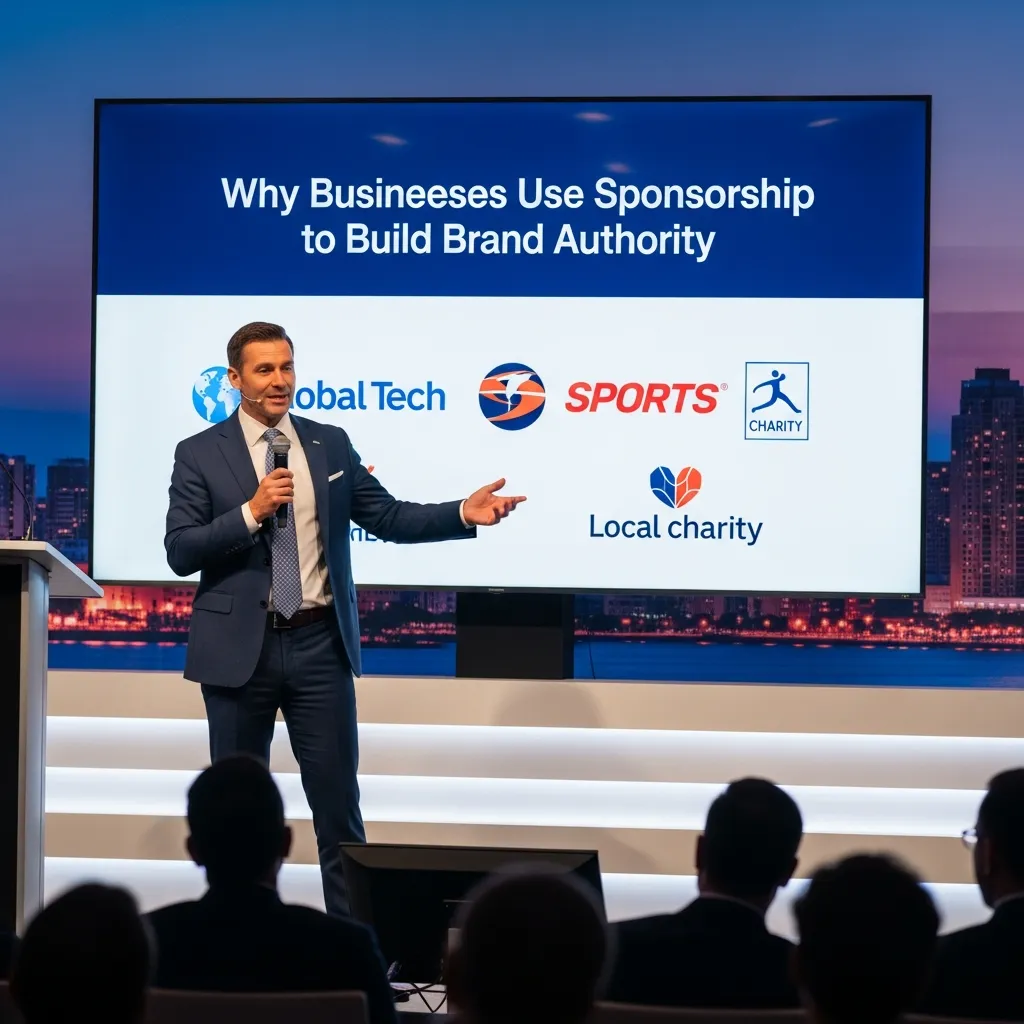
Advertising interrupts the consumer experience, but sponsorship integrates your brand into moments your audience already loves. When businesses use sponsorship effectively, they tap into existing emotional connections. This strategy bridges the gap between corporate identity and consumer passion.
The halo effect plays a massive role here. When a company financially supports a beloved local sports team, a popular industry podcast, or a community charity, the audience transfers their positive feelings for that entity directly onto the brand. You earn attention through alignment rather than buying it through disruption.
Brand authority grows when consumers see your logo associated with high-quality events and respected organizations. This visual and psychological association creates a shortcut to consumer trust. By investing in the communities and interests of your target demographic, you show that your company shares their values.
The Psychology of Brand Association
Human beings make purchasing decisions based heavily on emotion. When an individual attends an event they care about, their defensive barriers drop. They are open, engaged, and happy. If your brand sponsors that experience, you become a facilitator of their joy.
Psychological studies show that consumers feel a sense of reciprocity toward sponsors. They understand that without the financial support of these brands, their favorite events might not exist. This gratitude translates directly into brand preference. If a consumer has to choose between two identical products, they will consistently pick the one that supports their favorite cause or hobby.
Reaching Niche Audiences Effectively
Mass marketing casts a wide net, hoping to catch a few interested prospects. Sponsorship allows you to fish in a fully stocked pond. If you sell specialized outdoor gear, sponsoring a niche rock-climbing competition guarantees that every person seeing your logo is a qualified lead.
This targeted approach reduces wasted ad spend. You speak directly to a concentrated group of people who possess a demonstrated interest in your industry. You can tailor your messaging, your interactive booths, and your giveaways specifically to their unique pain points and desires. For more information on targeting, explore our guide on identifying target demographics.
Types of Sponsorships Driving Results
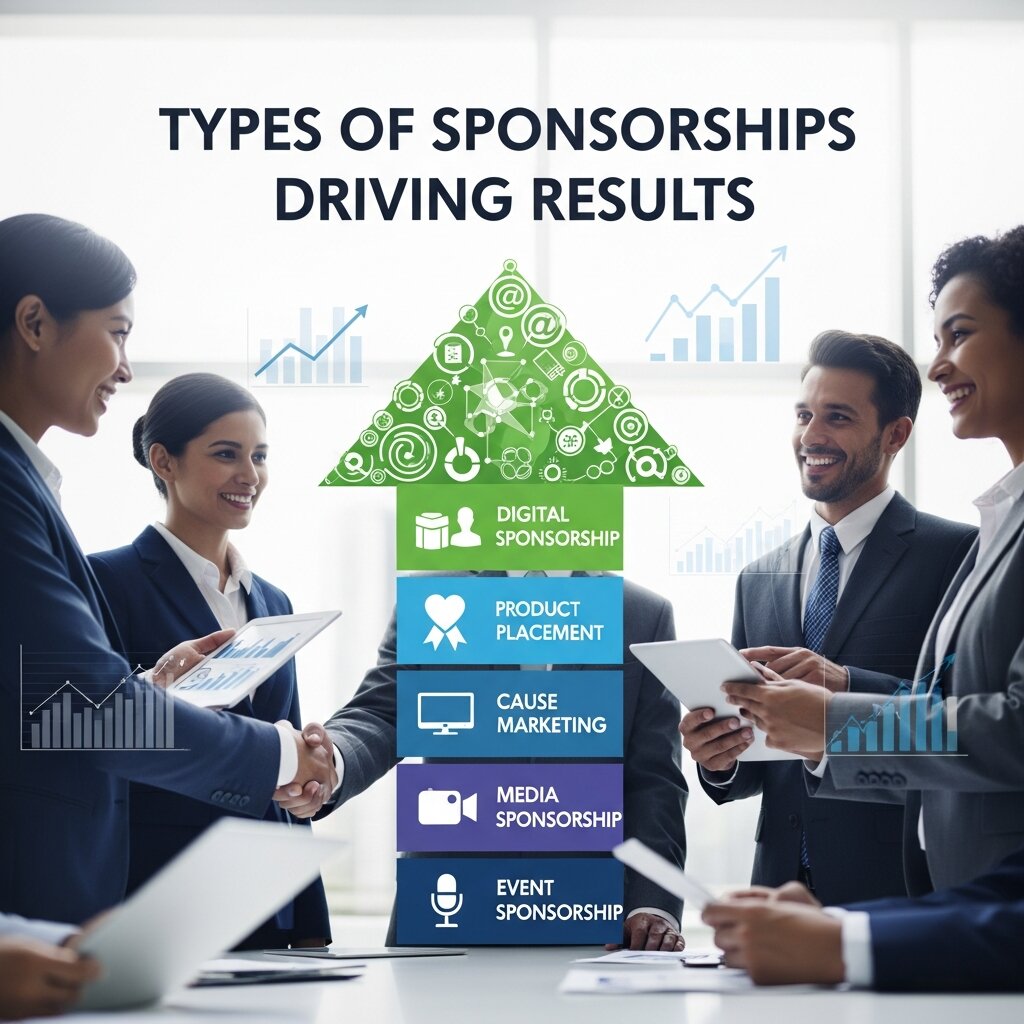
Understanding the landscape of available partnerships is crucial. Different objectives require different types of sponsorships. Here is a breakdown of how businesses use sponsorship across various sectors to achieve specific marketing goals.
Event and Conference Partnerships
Live events offer unparalleled face-to-face interaction. Sponsoring an industry conference or a local festival gives you a physical footprint. You can set up interactive booths, hand out product samples, and speak directly with potential customers.
Event sponsorships often come with tiered packages. You might buy the naming rights to a specific breakout room, sponsor the Wi-Fi access, or fund the evening networking mixer. These physical touchpoints allow your sales team to build rapport in a relaxed, engaging environment.
Sports and Athletics
From local little league teams to global tournaments, sports partnerships dominate the industry. The passion fans feel for their teams is unmatched. Sponsoring a sports team provides consistent, repeated exposure over an entire season. Your logo appears on jerseys, stadium banners, and digital broadcasts.
This repetition builds deep brand familiarity. Furthermore, sports offer exceptional opportunities for business-to-business hospitality. Inviting key clients to a sponsored VIP suite at a major game is a proven tactic for closing large deals and solidifying professional relationships.
Digital and Content Creators
The creator economy has opened massive new doors. Brands now sponsor YouTube channels, niche newsletters, and industry-leading podcasts. This digital approach allows for highly measurable campaigns. You can track exact click-through rates using custom promo codes and dedicated landing pages.
Podcast hosts read sponsor messages with the same voice and tone they use for their standard content. This native integration feels organic and trustworthy. It bypasses ad-blockers and reaches consumers while they commute, work out, or relax. Read more about digital content marketing strategies to maximize these digital avenues.
Cause-Related and Non-Profit Collaborations
Consumers expect modern brands to stand for something beyond profit. Sponsoring a charity or a community initiative demonstrates corporate social responsibility. It shows that your company cares about the local environment, education, or public health.
When you partner with a non-profit, you generate incredible goodwill. This type of sponsorship often attracts positive local media coverage. It also boosts internal employee morale, as staff members feel proud to work for an organization that gives back to the community.
Sponsorship vs. Traditional Advertising
To fully grasp the value, you must understand how sponsorship differs from standard advertising. Here is a structured comparison table outlining the key distinctions.
|
Feature |
Traditional Advertising |
Sponsorship Marketing |
|---|---|---|
|
Primary Goal |
Direct promotion and immediate sales |
Brand affinity and long-term trust |
|
Consumer Experience |
Interruptive (commercial breaks, pop-ups) |
Integrated (enhancing the event experience) |
|
Audience Targeting |
Broad demographics based on media buying |
Highly targeted based on shared interests |
|
Emotional Connection |
Low to moderate |
High (leveraging the halo effect) |
|
Content Creation |
Brand creates the message entirely |
Co-created with the sponsored property |
|
Measurement |
Impressions, clicks, and direct conversions |
Brand lift, sentiment analysis, and engagement |
Step-by-Step Guide: How Businesses Use Sponsorship Successfully
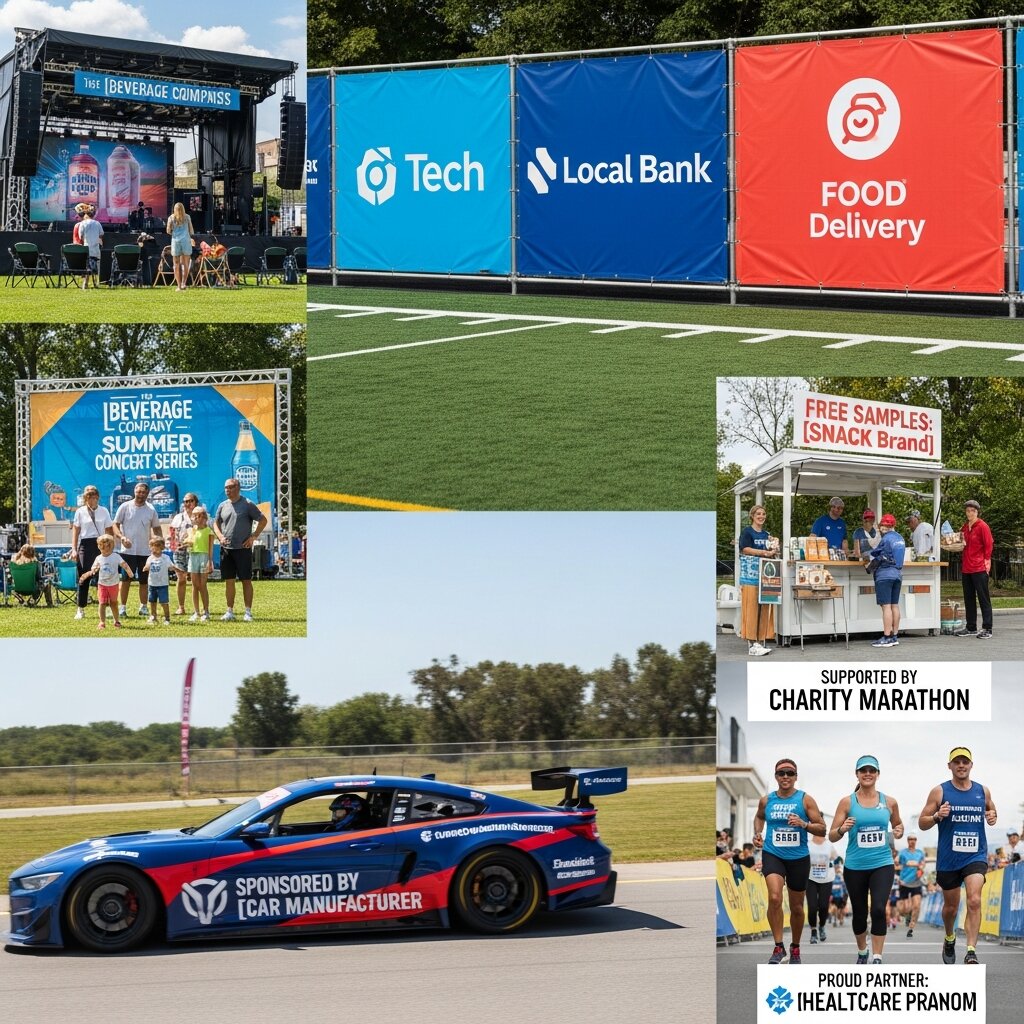
Slapping a logo on a banner and walking away will not yield a positive return. You must treat this as a holistic marketing campaign. Follow these steps to ensure your investment drives measurable business outcomes.
Step 1: Define Clear Objectives
Never enter a partnership without knowing exactly what you want to achieve. Are you launching a new product and need massive brand awareness? Are you trying to shift public perception and build trust? Or are you focused entirely on lead generation and direct sales?
Your objective dictates your property selection. If you want brand awareness, you need a high-visibility event with thousands of attendees. If you want B2B lead generation, you need an exclusive industry summit with a focused guest list of decision-makers. Establish your key performance indicators before you sign any contract.
Step 2: Identify the Right Target Audience
Your audience matters more than your personal preferences. The CEO might love golf, but if your target customers are software developers, sponsoring a local hackathon makes much more sense than sponsoring a golf tournament.
Analyze your current customer base. Look at their hobbies, their media consumption habits, and the causes they support. Use this data to build a profile. Then, find properties and events that specifically cater to that exact demographic. Alignment is the secret to a high return on investment.
Step 3: Negotiate Activated Rights
The rights fee you pay only gets you access. Activation is what you do with that access. When negotiating your contract, ensure you secure the rights necessary to activate your campaign effectively.
If you plan to run a social media contest, ensure you have the rights to use the property’s logo online. If you want to capture email addresses, ensure you get prime physical space for an interactive booth. Never assume rights are included. Document every single deliverable and permission in the final agreement.
Step 4: Measure the Return on Investment (ROI)
Measurement is critical. You must establish a baseline before the sponsorship begins so you can accurately gauge the lift. Use pre-event and post-event surveys to measure brand awareness and consumer sentiment.
Track digital engagement using custom URLs, dedicated landing pages, and specific campaign hashtags. Monitor your website traffic during the event window. If you set up an activation booth, count the exact number of qualified leads added to your customer relationship management system. Review our article on tracking digital marketing metrics for advanced measurement techniques.
Common Mistakes to Avoid When Planning Your Strategy
Even experienced marketers make critical errors when managing these partnerships. Avoid these common pitfalls to protect your budget and maximize your results.
- Underfunding the Activation: The biggest mistake is spending your entire budget on the rights fee and leaving nothing to actually market the partnership. A standard rule is to spend at least equal amounts on the rights fee and the activation.
- Failing to Measure: If you do not track your results, you cannot justify the expense to your leadership team. Always implement tracking mechanisms before the campaign goes live.
- Ignoring the Audience Experience: Do not treat an event like a giant billboard. If your activation does not add value to the attendee experience, they will ignore you. Provide comfortable seating, phone charging stations, or engaging games.
- Inconsistent Messaging: Your sponsorship presence must align perfectly with your overall brand voice. A disjointed message confuses consumers and dilutes your brand identity.
- Treating Properties as Vendors: The best results come from true partnerships. Work collaboratively with the event organizers to create unique experiences rather than just demanding standard logo placements.
Expert Insights and Pro Tips for Maximizing Value

Taking your strategy from good to great requires a deeper understanding of audience engagement. Here are pro tips used by top-tier marketing professionals.
Pro Tips
- Solve a Problem: Look for friction points at an event and sponsor the solution. If parking is always a nightmare, sponsor a free shuttle service. The attendees will associate your brand with relief and convenience.
- Leverage B2B Opportunities: Do not just focus on the attendees. Look at the other sponsors. An event is a massive networking hub. Set up meetings with non-competing sponsors to explore potential partnerships and cross-promotions.
- Extend the Lifespan: An event might last two days, but your campaign should last two months. Run pre-event social media contests to build hype. Capture content during the event. Use that content for follow-up email sequences after the event concludes.
- Empower Your Employees: Give your staff tickets to the events you sponsor. This boosts morale, turns your employees into brand ambassadors, and ensures you have a passionate, friendly presence on site.
Mini-Conclusion: Expanding Your Strategy
Mastering these partnerships requires patience and creativity. When you treat these opportunities as dynamic marketing channels rather than static advertisements, you unlock immense potential. By focusing on audience alignment, robust activation, and strict measurement, your brand will see significant, sustainable growth. The integration of offline experiences with your broader digital strategy ensures that every dollar spent works harder for your business.
The Future: How Businesses Use Sponsorship in Digital Spaces
The landscape continues to evolve rapidly. Virtual reality, esports, and immersive digital communities offer entirely new frontiers. Brands are now sponsoring in-game assets, virtual concerts, and digital summits.
These digital sponsorships offer incredible data tracking capabilities. You can see exactly how long a user interacted with your virtual booth and map their exact journey to your website. As technology advances, the line between physical and digital partnerships will continue to blur, offering marketers unprecedented ways to connect with niche communities globally. Learning advanced audience segmentation will keep you ahead of these digital curves.
Conclusion
Strategic partnerships provide a unique pathway to consumer trust that traditional advertising simply cannot match. When Businesses Use Sponsorship use sponsorship with clear objectives and robust activation plans, they create memorable experiences that drive real revenue. Start defining your goals, find properties that align with your audience, and watch your brand authority soar.
Frequently Asked Questions
What is the main difference between advertising and sponsorship?
Advertising is a direct, often interruptive message designed to sell a product immediately. Sponsorship involves financially supporting an entity or event to build long-term brand affinity, trust, and positive association through shared values.
How do you measure the ROI of a sponsorship campaign?
You measure ROI by tracking metrics such as brand awareness lift through surveys, digital engagement via custom URLs and hashtags, and direct business outcomes like qualified leads captured and sales attributed to the specific campaign.
How much should I budget for activation?
Industry best practices suggest budgeting at least a one-to-one ratio. If you spend ten thousand dollars on the rights fee to sponsor an event, you should budget another ten thousand dollars to activate that sponsorship through booths, giveaways, and digital promotions.
Why is audience alignment so important?
If the audience attending an event does not match your target customer profile, your investment is wasted. Alignment ensures you are spending your marketing budget to reach people who actually have a need or desire for your specific products or services.
Can small Businesses Use Sponsorship benefit from this strategy?
Absolutely. Small businesses can use sponsorship to sponsor local Little League teams, community charity walks, or regional podcasts. These hyper-local partnerships are often very affordable and build massive trust within the immediate community you serve.
What is an in-kind sponsorship?
An in-kind sponsorship occurs when a business provides goods or services instead of direct cash. For example, a local catering company might provide free food for a charity gala in exchange for their logo on the promotional materials and a physical presence at the event.
How do I choose the right event to sponsor?
Start by clearly defining your target audience and your primary business objectives. Then, request detailed demographic data from the event organizers. Choose the event that offers the highest concentration of your ideal customers and provides the specific activation rights you need.
What are activated rights?
Activated rights are the actions you take using the permissions granted in your contract. The contract gives you the right to be there; activation is what you actually do, such as hosting an interactive game, setting up a sampling station, or running a social media contest.
How do podcasts integrate sponsor messages effectively?
Podcast hosts typically read the ad copy themselves in their natural speaking voice. This native integration feels like a personal recommendation from a trusted friend, resulting in higher engagement and conversion rates compared to pre-recorded, highly produced radio commercials.
What role does the halo effect play?
The halo effect is a cognitive bias where positive feelings about one thing transfer to another. In this context, when a consumer loves a sports team or a charity, they naturally transfer those warm, positive feelings to the brands that financially support those entities.