When Red Bull supported Felix Baumgartner’s jump from the edge of space, the world watched. Millions saw him break the sound barrier in real time. This moment showed how powerful a strong sponsorship activation can be. It also reinforced Red Bull’s identity as a bold and high-energy brand.
Today, sponsorship is more than placing a logo on a screen or banner. Audiences expect real value. They want experiences, stories, and emotional moments. Modern sponsorship activation ideas focus on creativity, authenticity, and genuine engagement. Brands that use smart activation strategies gain more than visibility. They build trust, loyalty, and long-term customer relationships.
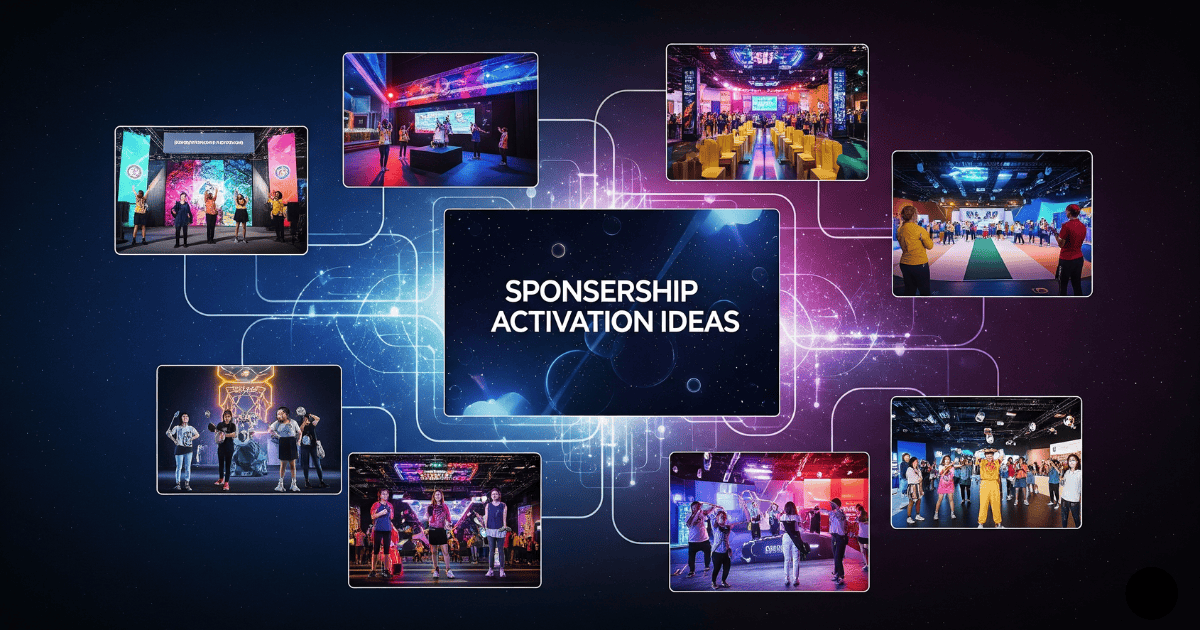
This guide shares 15 sponsorship activation ideas that work in real life. You can use these ideas for sports sponsorships, event marketing, brand partnerships, influencer collaborations, and digital campaigns. Each idea is designed to improve ROI, boost engagement, and help your brand stand out in a competitive market.
What Makes Sponsorship Activation Successful?
Successful sponsorship activation is more than traditional advertising. While old-style marketing pushes messages at people, smart brand sponsorship activation invites audiences to take part. It creates real experiences that feel personal and meaningful.
Strong corporate sponsorship ideas share a few clear traits. They match the brand’s values. They speak directly to the target audience. And they deliver value for both the brand and the partner. The best activations also use multiple touchpoints—such as social media, live events, mobile apps, or digital content—to extend the impact long after the main moment is over.
Modern sponsorship techniques use technology, social engagement, and experiential marketing to build deeper connections. These strategies work because today’s consumers want authenticity. They want useful experiences, not passive ads. When brands deliver this, sponsorship activation becomes more powerful, more memorable, and more effective.
Digital-First Activation Strategies
1. Gamified Social Media Challenges
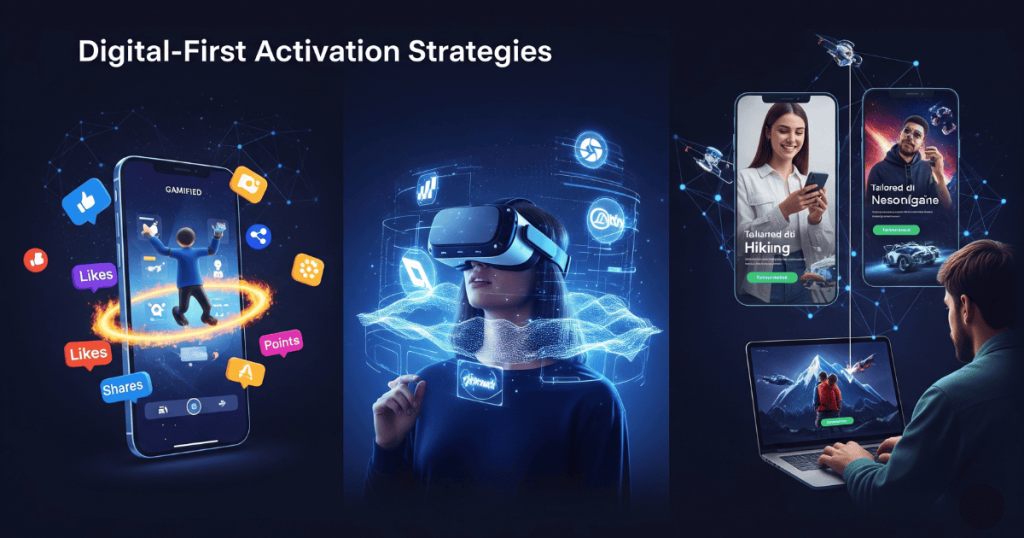
Gamified challenges are one of the simplest ways to turn a sponsorship into a viral digital experience. These activities invite people to participate instead of just watching, which increases interaction and strengthens emotional connection.
Brands can use mobile apps, small online games, or social media contests that link directly to the sponsored event. This gamified approach also supports strong gamification techniques that motivate users to return, track progress, and share their results.
For example, a fitness brand sponsoring a marathon can launch a training app that tracks daily running performance. Users earn badges, unlock rewards, and see their names on leaderboards. This keeps participants active for weeks before race day and builds deeper engagement with the brand.
2. Virtual Reality Brand Experiences
Virtual Reality creates powerful and memorable sponsorship moments. It lets brands show something that is impossible to create in the real world. Users can explore new locations, watch behind-the-scenes content, or step into a virtual brand environment.
This type of activation works well at events, festivals, and trade shows because it attracts attention and encourages people to try the experience.
For example, a travel company sponsoring a music festival can set up a VR booth. Visitors can take a quick virtual trip to beaches, mountains, or cities the company promotes. This gives the audience a fun break between performances while subtly introducing them to real travel destinations. The brand delivers value and creates a strong emotional connection through immersive storytelling.
3. AI-Powered Personalization
AI technology helps brands personalize sponsorship activations for each user. This makes the experience feel unique, helpful, and more relevant to personal interests.
AI tools can analyze simple data points such as behavior, food preferences, or purchase history. Once the system understands the user, it can show tailored content, product suggestions, or exclusive offers.
Imagine a food brand sponsoring a culinary festival. The brand sets up interactive kiosks or uses a mobile app. Visitors answer a few quick questions about diet, flavors they enjoy, or their cooking skills. The AI then recommends recipes, cooking tips, or product bundles that match their profile. This turns a general event interaction into a personalized digital experience.
Experiential Marketing Sponsorship Ideas
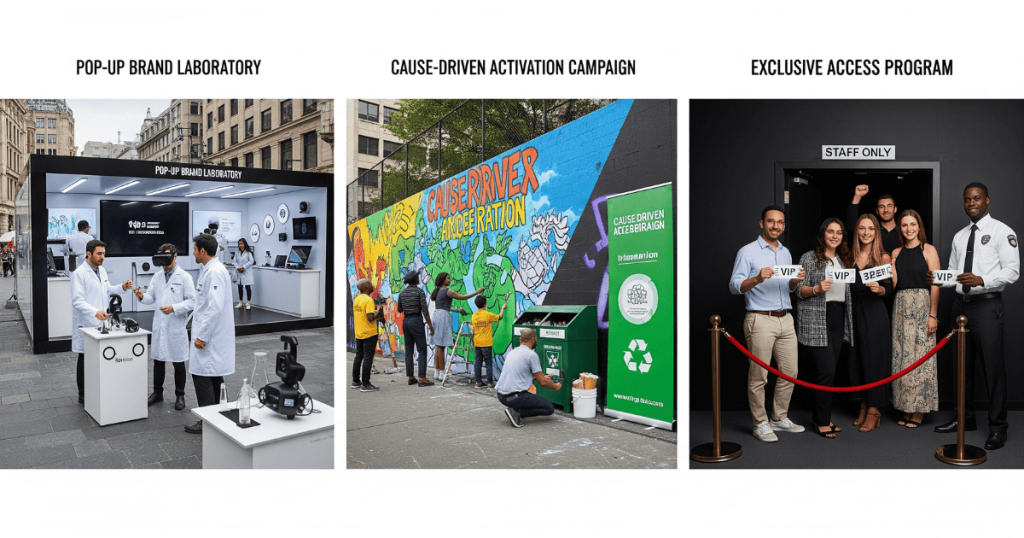
4. Pop-Up Brand Laboratories
Create temporary spaces that allow consumers to experiment with products, participate in workshops, or collaborate on creative projects. These brand partnership activations work particularly well for technology, beauty, or craft companies seeking to demonstrate product capabilities through hands-on experiences.
A smartphone manufacturer might establish pop-up photography studios at music festivals, offering professional lighting setups and editing workshops that showcase camera features while creating shareable content for attendees.
5. Cause-Driven Activation Campaigns
Align sponsorship activations with social causes that resonate with your brand values and audience priorities. These partnerships create emotional connections while generating positive publicity and demonstrating corporate social responsibility.
Corporate sponsorship ideas centered on environmental conservation, education, or community development often generate significant goodwill and media coverage. The key lies in choosing causes that authentically connect to your brand story rather than appearing opportunistic.
6. Exclusive Access Programs
Develop tiered experiences that reward different levels of engagement with increasingly valuable perks. This approach creates urgency while building long-term customer relationships through ongoing value delivery.
A luxury car brand sponsoring golf tournaments might offer test drives for general attendees, private lessons with pros for VIP customers, and exclusive course access for top-tier clients. Each tier reinforces brand positioning while providing appropriate value for different customer segments.
Content-Driven Activation Approaches

7. Documentary and Storytelling Partnerships
Documentary-style content is a powerful way to bring depth to your sponsorship activation. Brands can partner with filmmakers, content creators, or influencers to produce meaningful stories about events, athletes, communities, or social causes connected to the sponsorship. This turns a simple partnership into a long-term brand storytelling asset.
These content pieces provide continuous value because people actively enjoy watching behind-the-scenes journeys, emotional narratives, and real human experiences. Modern sponsorship techniques use storytelling that entertains first and promotes second. When brand messages flow naturally inside a strong narrative, audiences are more likely to watch, remember, and share. This increases digital engagement and strengthens your brand’s cultural relevance.
8. User-Generated Content Campaigns
User-generated content campaigns empower your audience to participate directly and become authentic brand advocates. This approach encourages fans to create photos, videos, testimonials, or creative posts that reflect the sponsored event or brand experience. It also boosts organic reach because people trust content created by other users more than traditional ads.
Brands can improve participation by providing simple themes, templates, filters, or creative challenges. Clear guidelines keep content consistent while still giving users the freedom to express themselves. The most effective campaigns turn customers into co-creators, increasing engagement and building a strong community around the sponsorship. This approach also supports long-term content marketing because every submission becomes reusable brand content.
9. Educational Workshop Series
Educational activations help position your brand as a trusted expert. These workshops or masterclasses offer practical knowledge related to the event, industry, or audience needs. They add real value instead of only promoting a product.
For example, a financial services brand sponsoring a business conference can host workshops on investment basics, retirement planning, or smart money strategies. A tech brand sponsoring a gaming expo could run training sessions on cybersecurity or career development. These learning experiences build credibility, deepen brand trust, and give audiences a reason to engage beyond the main event.
Technology-Enhanced Activations
10. Augmented Reality Brand Overlays
Use AR technology to layer digital experiences onto physical environments, creating interactive elements that enhance rather than replace real-world interactions. These sponsorship campaign examples work particularly well for retail, entertainment, or tourism brands.
Sports sponsors can create AR apps that display player statistics, instant replays, or exclusive content when fans point their phones at specific areas of venues. This approach adds value to the live experience while generating valuable user data.
11. Blockchain and NFT Integrations
Explore emerging technologies to create unique digital assets, verify authenticity, or reward participation in sponsorship programs. These cutting-edge approaches appeal to tech-savvy audiences while demonstrating innovation leadership.
Brands can create limited-edition NFTs as commemorative items for sponsored events, use blockchain technology to verify product authenticity, or develop cryptocurrency reward systems that encourage ongoing engagement.
12. IoT-Connected Brand Experiences
Integrate Internet of Things devices to create seamless, data-rich interactions throughout sponsored events or partnerships. Smart sensors, beacons, and connected products can personalize experiences while gathering valuable insights.
A beverage company might distribute smart cups that track consumption patterns, provide personalized refill reminders, or unlock exclusive content when users interact with sponsor displays throughout an event venue.
Community-Building Activations
13. Brand Ambassador Networks
Brand ambassador programs help build strong community engagement around your sponsorship. Ambassadors can be influencers, loyal customers, or community leaders who share your message through their personal networks. This creates trust because people respond better to real recommendations than to traditional ads.
Successful programs give ambassadors real value. Brands can offer early product access, exclusive experiences, or learning opportunities that help them grow. When ambassadors feel supported, they promote the brand more authentically and strengthen the overall impact of the sponsorship.
14. Collaborative Creation Projects
Collaborative creation invites audiences to build something meaningful with your brand. This makes people feel involved and creates emotional ownership. It also produces unique content that highlights your brand values.
For example, an art supply company sponsoring a cultural event could let attendees help paint a mural or create a digital artwork. Each participant adds a small part, turning the final piece into a shared experience. This strengthens community connection and makes the sponsorship more memorable.
15. Long-Term Partnership Ecosystems
Long-term partnerships create value beyond a single event. These partnerships focus on ongoing engagement, shared content, and year-round teamwork. This helps brands stay connected with audiences over time.
For instance, automotive brands working with racing teams use the partnership all year. They release behind-the-scenes content, collaborate on product features, and host fan activities. This consistent approach builds stronger loyalty and makes it easier to measure impact and improve overall sponsorship valuation.
Measuring Activation Success
Effective sponsorship marketing ideas must include clear metrics for success measurement. Traditional awareness metrics remain important, but modern campaigns should also track engagement rates, user-generated content volume, social media reach, lead generation, and actual sales attribution.
Advanced measurement techniques include brand lift studies, sentiment analysis, share of voice tracking, and customer lifetime value calculations for acquired users. The most sophisticated programs use attribution modeling to understand how sponsorship touchpoints contribute to customer journeys across multiple channels.
Regular measurement and optimization ensure that innovative sponsorship strategies continue delivering value while identifying opportunities for improvement in future campaigns.
The Future of Brand Activation
The future of brand activation is changing fast. Technology is evolving, and consumer expectations are rising. Modern activation strategies must connect digital and physical experiences in one seamless journey. Brands that succeed will focus on authenticity, audience value, and strong alignment with core brand values.
Personalization will play a major role. Consumers now expect experiences tailored to their interests, behaviors, and purchase history. This shift pushes brands to use data-driven insights, AI-powered tools, and predictive analytics to deliver more relevant sponsorship engagement. Sustainability will also become a key part of activation planning, as audiences prefer eco-friendly events, ethical partnerships, and responsible brand actions.
Future brand activation will also rely on integrated marketing. This means combining social media campaigns, live events, influencer collaborations, experiential marketing, and digital storytelling into one unified strategy. When activation programs connect across multiple channels, consumers enjoy a smoother and more memorable journey. This increases engagement, strengthens brand trust, and improves sponsorship ROI.
The most important rule remains simple: great sponsorship activation must serve the audience first. When brands create meaningful experiences, people feel valued and understood. This emotional connection leads to stronger loyalty and ongoing engagement, not just short-term attention. Brands that keep innovating and refining their activation ideas will stay ahead of competitors.
Start using these proven strategies by choosing activation ideas that fit your brand values, audience needs, and business goals. The path to success lies in consistent execution, real audience feedback, and continuous optimization. With the right mix of creativity and measurement, sponsorship activation becomes a powerful long-term growth tool.
FAQs
1. What is sponsorship activation?
Sponsorship activation is the process of bringing a sponsorship to life through experiences, content, and activities that engage the audience. It goes beyond logo placement and focuses on creating real value for both the brand and the audience.
2. Why is sponsorship activation important for brands?
It is important because it increases engagement, builds emotional connections, and delivers stronger ROI than passive sponsorship. Good activation helps brands stand out and build long-term customer relationships.
3. What are examples of effective sponsorship activation ideas?
Examples include gamified social media challenges, VR experiences, pop-up events, user-generated content campaigns, educational workshops, AR overlays, and influencer or ambassador programs.
4. How do I measure sponsorship activation success?
You can measure success using metrics like engagement rate, reach, conversions, user-generated content volume, lead generation, sentiment analysis, and sales lift. Brands also use sponsorship valuation tools to calculate ROI.
5. How is sponsorship activation different from traditional sponsorship?
Traditional sponsorship focuses on visibility (logos, banners). Sponsorship activation focuses on engagement (experiences, interactions, content, storytelling).
6. What industries benefit most from sponsorship activation?
Sports, entertainment, technology, retail, travel, automotive, food & beverage, gaming, and finance all see strong results from activation-based partnerships.
7. How can small brands use sponsorship activation on a low budget?
Small brands can create simple activations such as social media contests, influencer collaborations, micro pop-up booths, user-generated content campaigns, or digital challenges that require minimal spending.
8. What digital tools can improve sponsorship activation?
AI personalization tools, AR filters, VR headsets, mobile apps, QR codes, IoT devices, social listening platforms, and CRM systems help brands create richer activation experiences.
9. What is gamified sponsorship activation?
Gamified sponsorship activation uses game elements—points, badges, leaderboards, challenges—to make the experience fun and interactive. It motivates audiences to participate more and stay engaged longer.